 EN
EN



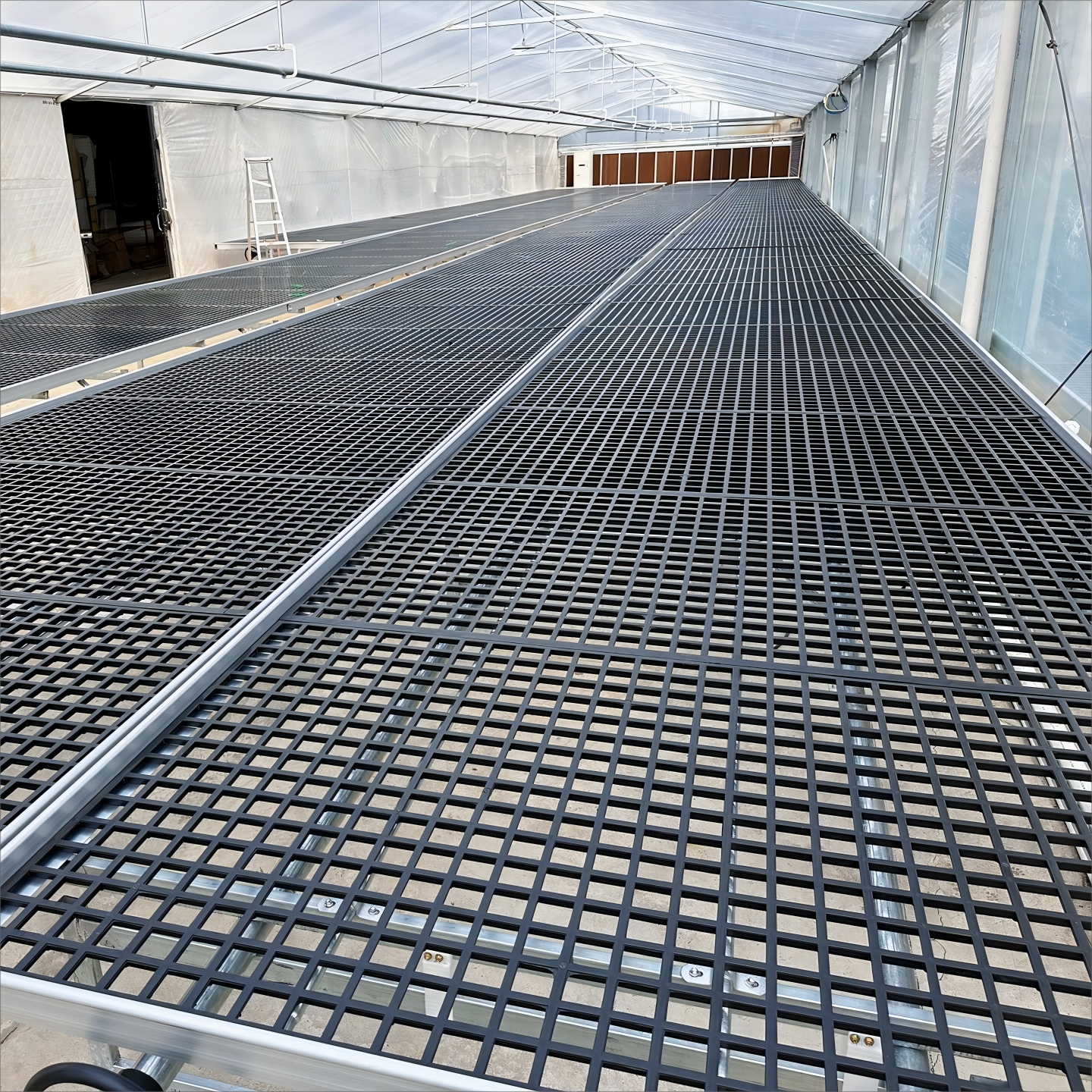
The architectural elegance of a gothic greenhouse combines centuries-old design principles with modern agricultural technology to create optimal growing conditions for plants. This distinctive arched structure, characterized by its pointed roof design, offers superior functionality that directly impacts plant health and productivity. Gothic greenhouses have become increasingly popular among commercial growers and horticultural enthusiasts who seek to maximize their cultivation potential while maintaining aesthetic appeal.
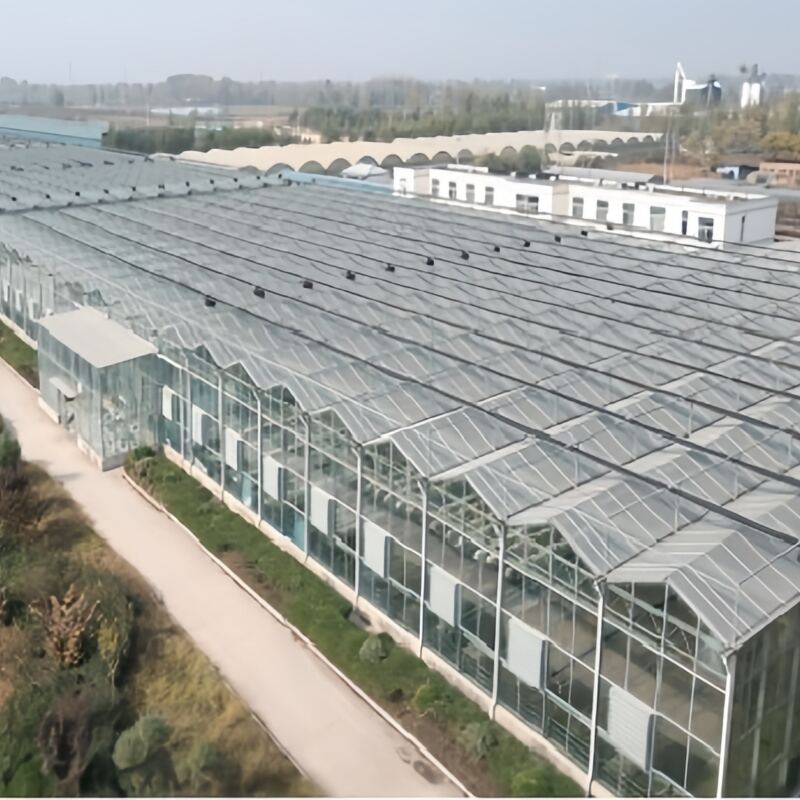
The unique structural design of a gothic greenhouse provides numerous advantages over traditional rectangular greenhouse configurations. The arched framework allows for better air circulation patterns, improved light distribution, and enhanced drainage capabilities. These features work synergistically to create an environment where plants can thrive throughout different seasons and weather conditions.
Structural Advantages of Gothic Greenhouse Design
Enhanced Air Circulation and Ventilation
The pointed arch configuration of a gothic greenhouse creates natural air movement patterns that promote healthy plant growth. The curved roof design facilitates the upward movement of warm air, creating convection currents that distribute heat evenly throughout the structure. This natural ventilation system reduces the risk of fungal diseases and pest infestations that commonly occur in poorly ventilated growing environments.
The gothic greenhouse architecture also allows for strategic placement of ventilation systems at multiple levels. Ridge vents at the peak of the structure work in conjunction with side vents to create a continuous flow of fresh air. This cross-ventilation pattern ensures that stagnant air pockets are eliminated, maintaining optimal atmospheric conditions for photosynthesis and plant respiration.
Superior Snow Load Distribution
The arched design of a gothic greenhouse provides exceptional structural integrity during winter months when snow accumulation becomes a concern. The curved roof surface naturally sheds snow and ice, preventing dangerous load concentrations that could damage the framework. This self-clearing characteristic reduces maintenance requirements and extends the operational lifespan of the structure.
The pointed apex of the gothic greenhouse creates steep roof angles that encourage rapid snow sliding, minimizing the weight burden on the supporting framework. This design feature is particularly beneficial in regions with heavy snowfall, where traditional flat or low-pitched roofs might collapse under excessive winter loads.
Light Optimization and Solar Gain Benefits
Maximum Light Penetration Throughout the Day
The curved profile of a gothic greenhouse maximizes solar radiation capture from sunrise to sunset. Unlike conventional rectangular structures that may create shadowing effects, the arched design presents an optimal angle to the sun's rays throughout different times of the day. This continuous light exposure promotes consistent photosynthetic activity and reduces the need for supplemental artificial lighting.
The gothic greenhouse design also minimizes light reflection losses that occur with flat surfaces. The curved glazing panels allow light to enter at various angles, reducing glare while maximizing the amount of usable solar energy reaching the plants. This efficient light utilization translates to improved plant growth rates and higher crop yields.
Reduced Heat Loss During Cold Periods
The compact surface area-to-volume ratio of a gothic greenhouse structure provides excellent thermal efficiency compared to traditional greenhouse designs. The arched configuration reduces the total exterior surface area exposed to cold outdoor temperatures, minimizing heat loss through conduction and convection. This thermal advantage results in lower heating costs and more stable internal temperature conditions.
The pointed roof design also creates thermal stratification zones within the gothic greenhouse, allowing growers to take advantage of natural temperature gradients. Warm air naturally rises to the peak, while cooler air settles at plant level, creating microclimates suitable for different types of crops or growth stages.
Water Management and Drainage Efficiency
Optimal Rainwater Collection System
The gothic greenhouse structure excels in rainwater management due to its efficient drainage characteristics. The pointed arch design creates a natural water collection system that channels precipitation toward the edges of the structure. This centralized drainage pattern prevents water accumulation on the roof surface, reducing the risk of leaks and structural damage over time.
The steep roof angles of a gothic greenhouse ensure rapid water runoff, preventing the formation of ice dams during freezing conditions. This drainage efficiency also reduces the load on guttering systems and minimizes the risk of water damage to the growing area. Proper water management is crucial for maintaining optimal humidity levels and preventing fungal diseases in sensitive crops.
Condensation Control and Humidity Regulation
The curved interior surface of a gothic greenhouse promotes effective condensation management through its unique geometric properties. Water droplets that form on the interior glazing naturally flow toward the base of the structure rather than dripping onto plants below. This condensation control feature protects crops from excess moisture exposure while maintaining appropriate humidity levels for healthy growth.
The pointed roof design creates temperature gradients that help regulate humidity throughout the growing space. Cool air near the roof surface condenses excess moisture, while warm air at plant level maintains optimal growing conditions. This natural dehumidification process reduces the need for mechanical humidity control systems and creates a more stable growing environment.
Plant Growth Enhancement Mechanisms
Improved Root Zone Climate Control
The thermal properties of a gothic greenhouse create ideal conditions for root development and nutrient uptake. The stable temperature environment maintained by the arched structure promotes consistent soil temperatures that encourage healthy root growth. This temperature stability is particularly beneficial for heat-sensitive crops and extends the growing season for cool-weather plants.
The enhanced air circulation within a gothic greenhouse also benefits root zone health by preventing soil compaction and promoting oxygen availability. The continuous air movement created by the natural ventilation system helps maintain proper soil aeration, which is essential for beneficial microbial activity and nutrient cycling processes.
Extended Growing Season Capabilities
The superior thermal efficiency of a gothic greenhouse enables growers to extend their productive seasons significantly. The structure's ability to capture and retain solar energy during cooler months allows for continued cultivation when outdoor conditions become unsuitable for plant growth. This season extension capability provides commercial growers with competitive advantages and increased profitability.
The gothic greenhouse design also facilitates better crop succession planning due to its consistent internal climate control. Growers can maintain multiple planting cycles throughout the year, maximizing space utilization and ensuring continuous harvest availability. This production flexibility is particularly valuable for specialty crops and high-value horticultural products.
Economic and Operational Benefits
Energy Efficiency and Cost Savings
The energy-efficient design of a gothic greenhouse translates to significant operational cost savings over time. The structure's superior insulation properties and reduced heating requirements result in lower utility bills compared to conventional greenhouse designs. The natural ventilation capabilities also reduce the need for mechanical cooling systems during warmer months.
The durable construction and weather-resistant characteristics of a gothic greenhouse minimize maintenance expenses and replacement costs. The self-clearing roof design reduces labor requirements for snow removal, while the efficient drainage system prevents costly repairs associated with water damage. These operational advantages contribute to improved return on investment for commercial growing operations.
Increased Production Capacity
The optimized growing environment within a gothic greenhouse typically results in higher crop yields and improved product quality. The consistent climate conditions, enhanced light distribution, and superior air circulation work together to promote vigorous plant growth and development. Many growers report yield increases of 20-30% compared to traditional greenhouse structures.
The versatile interior space of a gothic greenhouse also allows for efficient use of vertical growing systems and advanced cultivation techniques. The arched design accommodates hanging baskets, tiered growing systems, and automated equipment installation without compromising structural integrity or environmental control capabilities.
FAQ
What makes gothic greenhouse design superior to traditional rectangular structures
The gothic greenhouse design offers superior air circulation, better light distribution, enhanced snow load capacity, and improved thermal efficiency compared to rectangular structures. The arched configuration creates natural convection patterns that promote healthy plant growth while reducing energy consumption and maintenance requirements.
How does the curved roof design improve plant growing conditions
The curved roof of a gothic greenhouse maximizes solar radiation capture throughout the day while promoting natural air movement patterns. This design creates optimal temperature gradients, reduces condensation problems, and provides better humidity control, all of which contribute to healthier plant growth and higher crop yields.
What are the main structural advantages of gothic greenhouse construction
The main structural advantages include superior snow load distribution, enhanced wind resistance, efficient water drainage, and reduced surface area-to-volume ratio for better thermal performance. The pointed arch design also provides excellent structural stability while minimizing material requirements compared to other greenhouse configurations.
Can gothic greenhouse design accommodate modern growing systems and automation
Yes, the spacious interior and versatile framework of a gothic greenhouse easily accommodate modern growing systems, automated equipment, and advanced climate control technology. The structural design provides ample mounting points for hanging systems, environmental sensors, and irrigation equipment while maintaining optimal growing conditions throughout the space.
Table of Contents
- Structural Advantages of Gothic Greenhouse Design
- Light Optimization and Solar Gain Benefits
- Water Management and Drainage Efficiency
- Plant Growth Enhancement Mechanisms
- Economic and Operational Benefits
-
FAQ
- What makes gothic greenhouse design superior to traditional rectangular structures
- How does the curved roof design improve plant growing conditions
- What are the main structural advantages of gothic greenhouse construction
- Can gothic greenhouse design accommodate modern growing systems and automation