 EN
EN



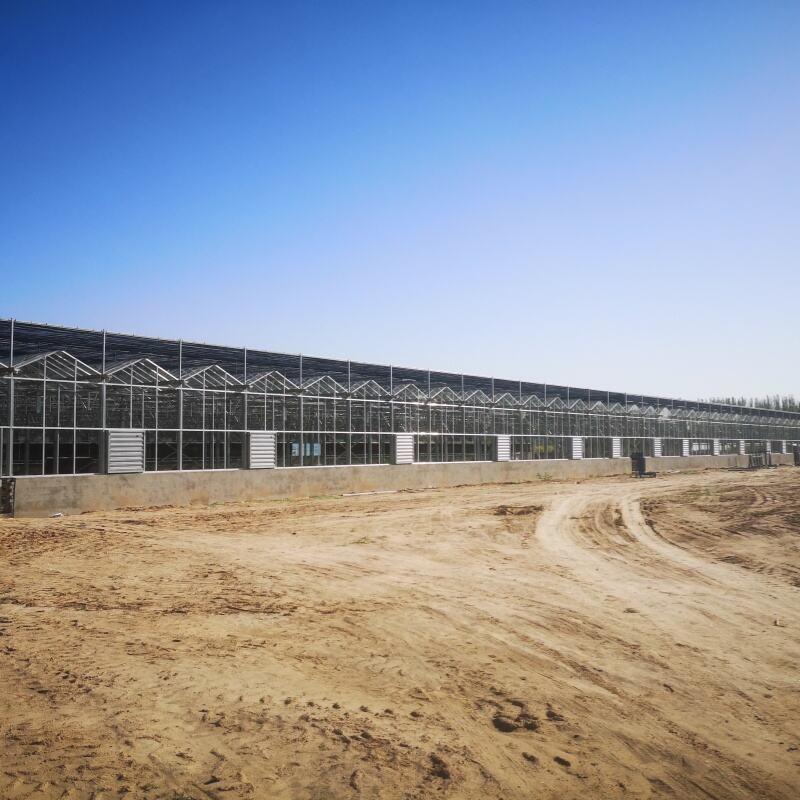
A greenhouse kit represents one of the most effective solutions for gardeners and commercial growers seeking to extend their growing seasons and maintain consistent plant production throughout the year. These comprehensive growing systems provide controlled environments that protect plants from harsh weather conditions, pests, and seasonal limitations that typically restrict outdoor cultivation. Modern greenhouse kit designs incorporate advanced features such as climate control systems, automated irrigation, and specialized glazing materials that optimize growing conditions for various plant species.
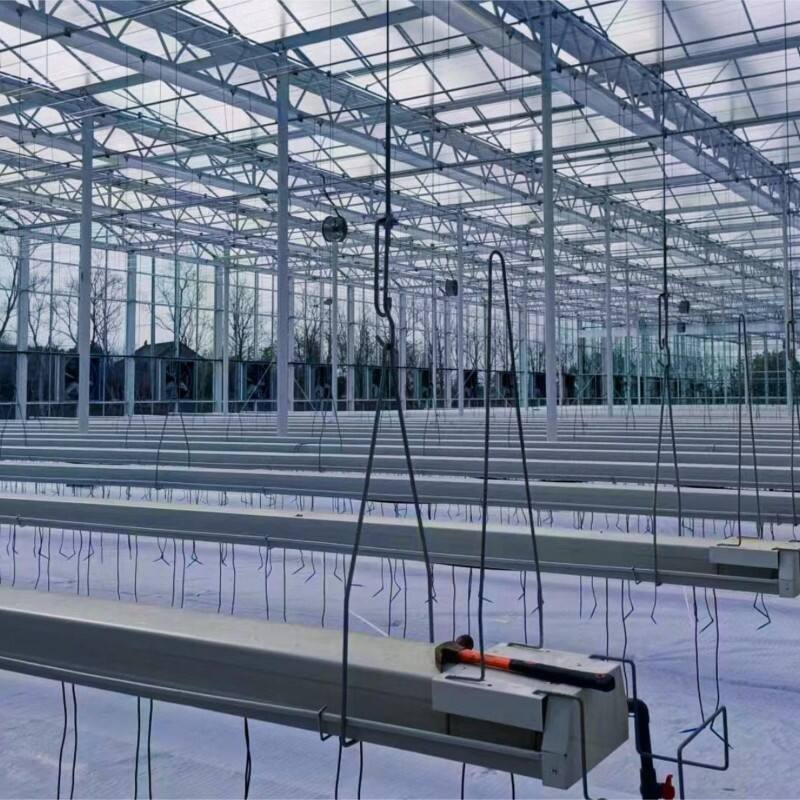
The ability to grow plants year-round has become increasingly important for both hobbyist gardeners and commercial agricultural operations. Traditional outdoor growing methods are subject to seasonal variations, unpredictable weather patterns, and regional climate limitations that can significantly impact crop yields and quality. A well-designed greenhouse kit eliminates these variables by creating a stable microclimate that can be precisely controlled to meet the specific needs of different plant varieties.
Contemporary greenhouse kit technology has evolved significantly from simple glass structures to sophisticated growing environments equipped with computerized monitoring systems, automated ventilation, and precision irrigation networks. These advancements enable growers to achieve optimal growing conditions regardless of external weather conditions, resulting in higher yields, better quality produce, and more predictable harvest schedules.
Climate Control Benefits of Modern Greenhouse Systems
Temperature Management Throughout Seasons
Effective temperature control stands as the cornerstone benefit of any quality greenhouse kit installation. These systems maintain consistent internal temperatures through sophisticated heating and cooling mechanisms that respond automatically to external weather conditions. During winter months, integrated heating systems prevent frost damage and maintain optimal growing temperatures for warm-season crops, while summer cooling systems prevent overheating that can stress plants and reduce productivity.
Advanced greenhouse kit designs incorporate thermal mass elements, insulation systems, and ventilation controls that work together to minimize energy consumption while maximizing temperature stability. Smart thermostats and climate monitoring sensors continuously track internal conditions, making real-time adjustments to maintain ideal growing environments. This level of precision allows growers to cultivate temperature-sensitive plants that would otherwise be impossible to grow in their local climate.
The economic benefits of year-round temperature control extend beyond simple season extension. Consistent growing conditions enable multiple cropping cycles per year, dramatically increasing the productive capacity of growing spaces. Commercial operations can achieve three to four growing cycles annually compared to the single cycle typically possible with outdoor cultivation, resulting in significantly higher returns on investment.
Humidity and Air Quality Optimization
Professional-grade greenhouse kit systems excel at maintaining optimal humidity levels that promote healthy plant growth while preventing moisture-related diseases. Automated misting systems, dehumidifiers, and strategic ventilation placement work in concert to create ideal atmospheric conditions for specific plant types. This precise humidity control prevents common issues such as powdery mildew, root rot, and other fungal problems that frequently affect outdoor crops.
Air circulation systems integrated into modern greenhouse kit designs ensure consistent air quality throughout the growing space. These systems prevent stagnant air pockets that can harbor pests and diseases while promoting strong stem development and efficient photosynthesis. Carbon dioxide supplementation systems can further enhance plant growth by maintaining optimal CO2 concentrations during peak photosynthetic periods.
The controlled environment provided by a quality greenhouse kit also filters out airborne pollutants, allergens, and contaminants that can negatively impact plant health. This clean air environment results in healthier plants, reduced disease pressure, and higher quality produce that meets strict commercial and organic growing standards.
Extending Growing Seasons with Controlled Environments
Winter Production Capabilities
Winter growing represents one of the most valuable capabilities of a comprehensive greenhouse kit system. While outdoor gardens lie dormant during cold months, protected growing environments continue producing fresh vegetables, herbs, and flowers throughout the winter season. This continuous production capability provides fresh produce when market prices are typically highest, creating significant economic advantages for commercial growers.
Specialized lighting systems integrated into advanced greenhouse kit designs supplement natural daylight during short winter days, ensuring plants receive adequate light energy for photosynthesis and healthy growth. LED grow lights, automated light cycles, and spectrum optimization technology create ideal lighting conditions that support vigorous plant development even during the darkest months of the year.
Heat retention features built into quality greenhouse kit structures maximize energy efficiency during winter operation. Double-walled glazing, insulated foundations, and thermal curtain systems work together to minimize heat loss while maintaining comfortable growing temperatures. These energy-efficient designs reduce operational costs and environmental impact while ensuring consistent winter production.
Summer Heat Protection and Cooling
Effective summer cooling represents a critical component of year-round greenhouse kit functionality. Automated ventilation systems, evaporative cooling, and shade cloth deployment protect plants from excessive heat that can cause stress, reduce yields, and damage sensitive crops. These cooling systems maintain optimal growing temperatures even during extreme summer heat waves that would devastate outdoor crops.
Advanced greenhouse kit designs incorporate natural ventilation principles that promote efficient air movement without relying entirely on mechanical systems. Ridge vents, side wall louvers, and automated window systems create natural convection currents that remove excess heat while maintaining proper humidity levels. This natural cooling approach reduces energy consumption while providing effective temperature control.
Shade management systems integrated into professional greenhouse kit installations automatically adjust light levels based on external conditions and plant requirements. Retractable shade cloths, automated curtain systems, and variable-density screening materials protect plants from intense summer sunlight while allowing optimal light transmission during cooler periods.
Pest and Disease Protection Advantages
Physical Barriers Against Common Garden Pests
The enclosed structure of a greenhouse kit creates effective physical barriers against numerous garden pests that commonly damage outdoor crops. Flying insects, small mammals, and birds that frequently raid outdoor gardens cannot access plants grown within protected greenhouse environments. This physical protection eliminates the need for many chemical pest control measures while ensuring more predictable crop yields.
Screening systems integrated into greenhouse kit ventilation openings provide additional protection against small insects while maintaining proper air circulation. Fine mesh screens prevent aphids, thrips, and other tiny pests from entering the growing space while allowing beneficial insects introduced for biological pest control to remain contained within the system.
The controlled access provided by greenhouse kit structures also prevents soil-borne pests and diseases from contaminating growing areas. Clean growing media, sterilized tools, and controlled entry protocols create sanitized environments that support healthy plant development without the pest pressure typically encountered in outdoor growing situations.
Disease Prevention Through Environmental Control
Environmental control capabilities built into modern greenhouse kit systems dramatically reduce disease pressure by eliminating conditions that favor pathogen development. Consistent moisture management, proper air circulation, and temperature control prevent the humid, stagnant conditions where fungal diseases typically thrive. This proactive disease prevention approach results in healthier plants and reduced need for chemical treatments.
Monitoring systems integrated into advanced greenhouse kit installations track key environmental parameters that influence disease development. Automated alerts notify growers when conditions approach levels that could promote pathogen activity, allowing immediate corrective action before problems develop. This early warning capability prevents disease outbreaks that could destroy entire crops.
Sanitation protocols enabled by greenhouse kit structures help prevent disease transmission between plants and growing cycles. Controlled access, washable surfaces, and enclosed growing systems make it easier to maintain clean conditions and implement effective sanitation procedures that break disease cycles common in outdoor growing environments.
Optimal Plant Growth Conditions
Precise Irrigation and Nutrient Management
Advanced greenhouse kit systems incorporate precision irrigation technologies that deliver exact amounts of water and nutrients directly to plant root zones. Drip irrigation systems, automated fertigation, and moisture monitoring sensors work together to maintain optimal soil moisture levels while preventing overwatering that can lead to root problems and nutrient leaching.
Hydroponic and soilless growing systems compatible with modern greenhouse kit installations provide even greater control over plant nutrition. These systems allow precise adjustment of nutrient concentrations, pH levels, and feeding schedules to match the specific requirements of different plant varieties and growth stages. This level of nutritional control results in faster growth rates, higher yields, and superior produce quality.
Water conservation features built into quality greenhouse kit designs capture and recycle irrigation water, reducing waste while maintaining consistent moisture availability. Closed-loop irrigation systems, rainwater collection, and condensation recovery maximize water efficiency while ensuring plants never experience water stress that could limit growth and productivity.
Light Optimization for Maximum Photosynthesis
Strategic light management represents a crucial advantage of professional greenhouse kit installations. Transparent glazing materials, reflective surfaces, and supplemental lighting systems work together to maximize light availability for photosynthesis throughout the year. This optimized light environment promotes vigorous growth, efficient nutrient utilization, and consistent production regardless of external lighting conditions.
Automated lighting controls integrated into modern greenhouse kit systems adjust artificial light output based on natural light levels and plant requirements. Smart sensors monitor light intensity, duration, and spectrum quality, making real-time adjustments to maintain optimal photosynthetic conditions. This intelligent lighting management reduces energy consumption while ensuring plants receive adequate light energy for healthy development.
Specialized glazing materials used in premium greenhouse kit construction optimize light transmission while filtering harmful UV radiation that can damage sensitive plants. Anti-reflective coatings, diffusion layers, and selective transmission properties enhance growing conditions while protecting plants from excessive radiation that could cause stress or tissue damage.
Economic Benefits of Year-Round Production
Increased Crop Yields and Harvest Frequency
The controlled environment provided by a quality greenhouse kit enables significantly higher crop yields compared to traditional outdoor growing methods. Protected plants experience reduced stress, optimal growing conditions, and extended growing seasons that result in larger harvests and more frequent production cycles. Commercial growers typically achieve three to five times higher yields per square foot compared to outdoor cultivation.
Multiple harvest cycles per year become possible with greenhouse kit systems that maintain ideal growing conditions regardless of external weather. Fast-growing crops such as lettuce, herbs, and microgreens can be harvested every few weeks, while longer-season crops benefit from extended growing periods that increase individual plant yields. This intensive production capability maximizes the economic return from limited growing space.
Premium pricing opportunities available for fresh, locally-grown produce during off-seasons provide additional economic advantages for greenhouse kit operations. Winter-grown vegetables, fresh herbs, and specialty crops command higher market prices when outdoor production is limited, creating attractive profit margins for protected growing operations.
Reduced Input Costs and Waste
Efficient resource utilization achieved through greenhouse kit systems significantly reduces input costs compared to outdoor growing operations. Precise irrigation systems minimize water waste, controlled environments reduce pesticide requirements, and optimized growing conditions improve fertilizer efficiency. These resource savings accumulate into substantial cost reductions over time.
Labor efficiency improvements enabled by greenhouse kit installations reduce operational costs while improving working conditions for growers. Organized growing spaces, convenient access systems, and mechanization opportunities streamline daily maintenance tasks and harvesting operations. Climate-controlled working environments also enable comfortable year-round operation regardless of external weather conditions.
Crop loss prevention achieved through protected growing environments eliminates weather-related losses that frequently impact outdoor operations. Hail damage, frost kill, drought stress, and storm damage become non-issues within greenhouse kit structures, ensuring predictable harvests and stable income streams for commercial growers.
FAQ
What size greenhouse kit is needed for year-round growing?
The optimal size for a greenhouse kit depends on your growing goals and available space. For hobby growers, a 8x12 foot greenhouse kit provides adequate space for year-round vegetable and herb production. Commercial operations typically require larger structures, with 20x40 foot or larger greenhouse kit installations providing sufficient space for profitable year-round production. Consider your target crops, desired yields, and expansion plans when selecting greenhouse kit dimensions.
How much does it cost to operate a greenhouse kit year-round?
Operating costs for a greenhouse kit vary based on size, climate, and automation level. Heating typically represents the largest expense, ranging from $2-8 per square foot annually depending on local climate and energy costs. LED lighting, automated systems, and energy-efficient designs can significantly reduce operational expenses. Most greenhouse kit operations achieve positive returns within 2-3 years through increased yields and extended growing seasons.
Can a greenhouse kit grow all types of plants year-round?
A properly designed greenhouse kit can support most plant varieties year-round, though some crops may require specific environmental modifications. Warm-season vegetables, herbs, flowers, and many fruits thrive in greenhouse kit environments. Cool-season crops may need temperature adjustments during summer months. Advanced greenhouse kit systems with zone controls can accommodate different plant requirements simultaneously within the same structure.
What maintenance does a greenhouse kit require for year-round operation?
Regular maintenance for a greenhouse kit includes cleaning glazing surfaces, calibrating automation systems, and inspecting structural components. Monthly tasks include checking ventilation systems, testing heating and cooling equipment, and maintaining irrigation lines. Seasonal maintenance involves deep cleaning, equipment servicing, and replacing worn components. Well-maintained greenhouse kit systems typically require 2-4 hours of maintenance per 100 square feet monthly.