 EN

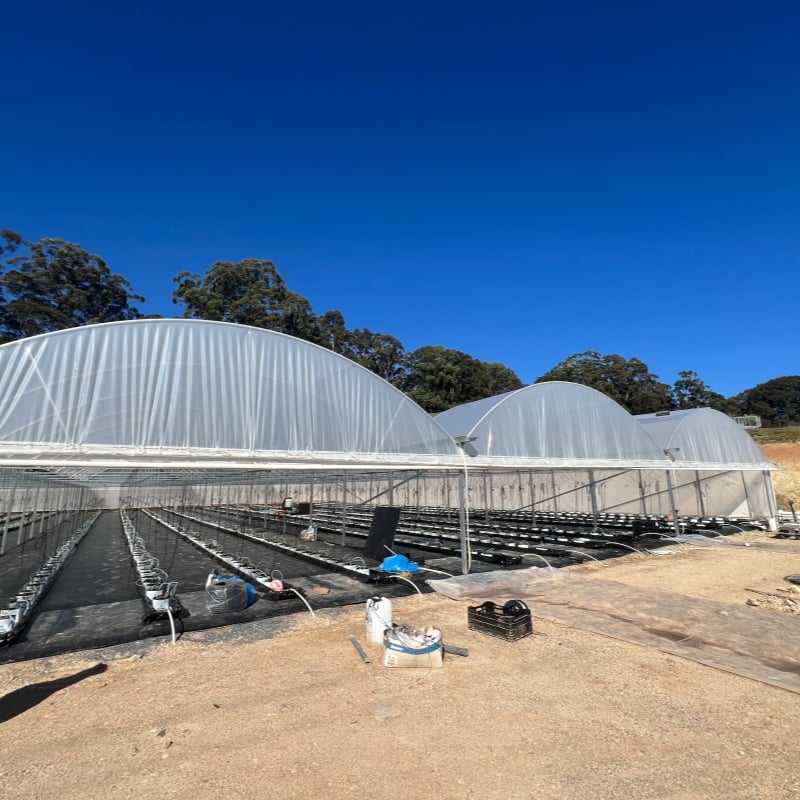
A tunnel greenhouse is a specialized structure designed to optimize growing conditions by creating a controlled environment that protects crops from harsh weather while maximizing sunlight exposure and heat retention. Unlike traditional box-style greenhouses with vertical walls and peaked roofs, a tunnel greenhouse features a distinctive curved or arched roof design that spans the width of the entire structure, resembling an agricultural tunnel or Quonset hut. This unique architectural approach has made the tunnel greenhouse increasingly popular among commercial growers, market gardeners, and hobby cultivators who seek efficient, cost-effective solutions for year-round crop production.
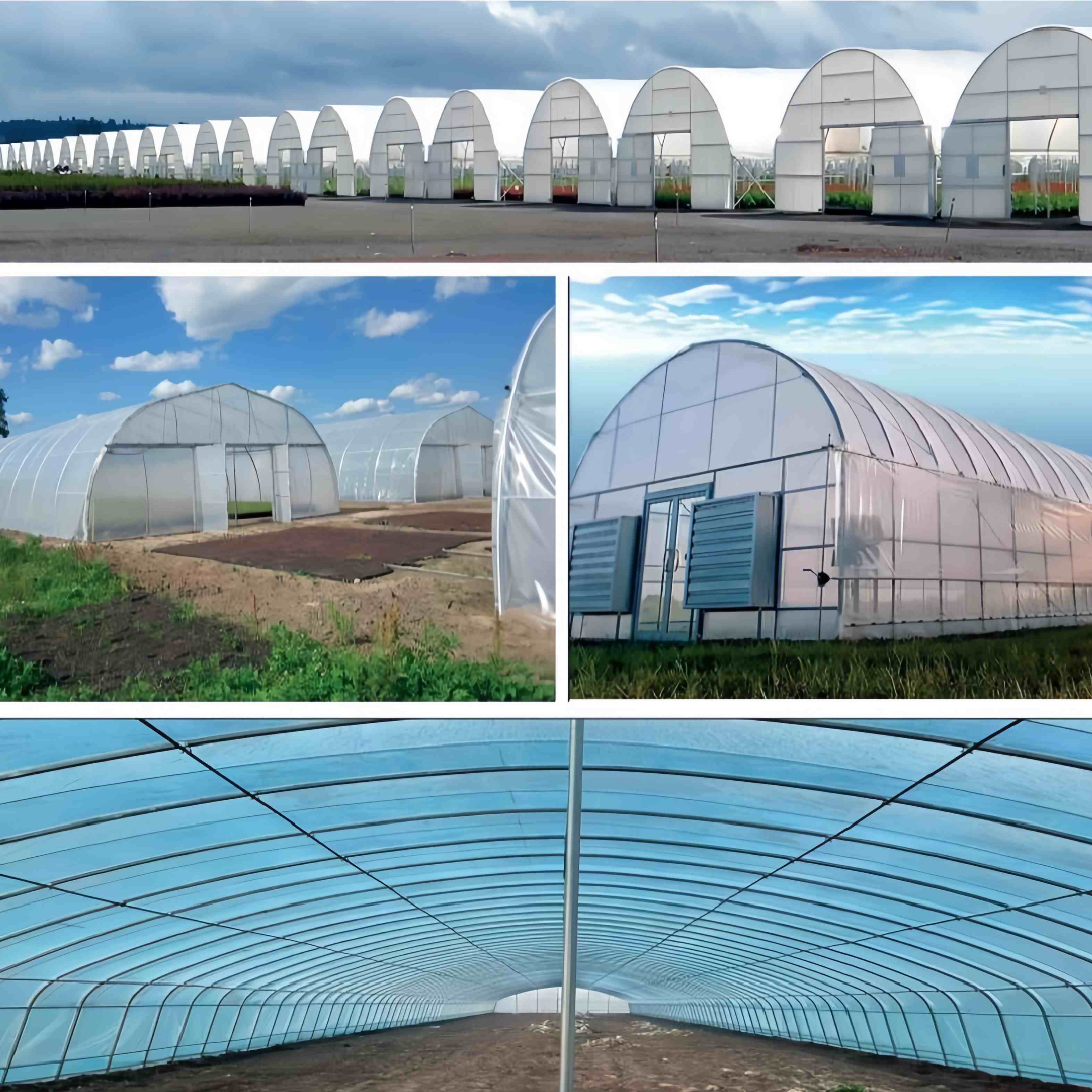
The fundamental principle behind a tunnel greenhouse design centers on maximizing thermal efficiency and structural simplicity. The arched roof of a tunnel greenhouse allows snow, rain, and debris to naturally slide off the surface, reducing accumulation that could damage the structure or block light transmission. Additionally, the curved design of a tunnel greenhouse distributes wind forces more evenly across the entire surface, making it more resistant to high winds and severe weather conditions. This combination of practical engineering and environmental control makes the tunnel greenhouse an attractive investment for agricultural operations of virtually any scale.
Core Structural Components of a Tunnel Greenhouse
Framework and Support System
The tunnel greenhouse framework consists of a series of curved metal hoops or trusses that form the characteristic arch shape. These structural elements are typically fabricated from galvanized steel or aluminum, materials selected for their strength, corrosion resistance, and longevity. The hoops in a tunnel greenhouse are spaced at regular intervals along the length of the structure, usually between 4 and 8 feet apart depending on the overall design specifications. Lateral bracing connects these hoops to create a rigid framework, and base rails or foundation posts anchor the entire tunnel greenhouse system to the ground, ensuring stability even under significant wind or snow loads.
Covering Materials and Insulation
The covering of a tunnel greenhouse directly influences its thermal performance and light transmission properties. Most modern tunnel greenhouse structures utilize multi-layer polyethylene film, which offers excellent transparency, durability, and insulation value. A typical tunnel greenhouse may feature single-layer, double-layer, or triple-layer coverings, with air injection between layers creating dead-air spaces that enhance insulation. Some advanced tunnel greenhouse designs incorporate rigid polycarbonate or acrylic panels for enhanced durability and light diffusion. The covering material chosen for your tunnel greenhouse affects both initial cost and long-term operational efficiency, making material selection a critical decision in tunnel greenhouse planning.
How a Tunnel Greenhouse Functions in Practice
Climate Control Mechanisms
A tunnel greenhouse operates by trapping solar radiation and creating a controlled microclimate that remains relatively stable compared to outdoor conditions. During daylight hours, sunlight penetrates the transparent covering of the tunnel greenhouse, striking plants and soil surfaces, which absorb the energy and re-radiate it as heat. The covering material of the tunnel greenhouse is largely opaque to infrared radiation, preventing this heat from escaping back to the atmosphere, a phenomenon commonly known as the greenhouse effect. This natural heating process allows a well-designed tunnel greenhouse to maintain significantly warmer temperatures than the surrounding environment, extending growing seasons and enabling cultivation of temperature-sensitive crops.
Ventilation and Air Circulation
Effective ventilation is essential for tunnel greenhouse operation, preventing excessive heat buildup and managing humidity levels. A tunnel greenhouse typically includes end vents, side vents, or roof vents that can be manually or automatically operated to control internal temperature. During warmer months, opening the vents of your tunnel greenhouse allows warm air to escape while drawing in cooler outdoor air, maintaining optimal growing conditions. Many modern tunnel greenhouse installations include automated vent systems that respond to temperature sensors, ensuring consistent climate control without constant manual intervention. Proper air circulation within a tunnel greenhouse also reduces disease pressure by minimizing humidity hotspots where fungal pathogens thrive.
Practical Advantages and Applications of Tunnel Greenhouses
Cost-Effectiveness and Scalability
The tunnel greenhouse design offers compelling economic advantages that have driven its widespread adoption across agricultural sectors. Compared to conventional box-style greenhouses, a tunnel greenhouse requires fewer materials, less complex installation labor, and simpler structural engineering, resulting in substantially lower initial capital expenditure. The linear design of a tunnel greenhouse allows growers to easily expand their cultivation space by adding additional tunnel sections, making the tunnel greenhouse model highly scalable for growing operations. Furthermore, the relatively low maintenance requirements and long operational lifespan of modern tunnel greenhouse systems translate to favorable long-term return on investment, making this technology accessible to small farms, market gardens, and commercial producers alike.
Crop Production and Versatility
A tunnel greenhouse accommodates a remarkably diverse range of crops, from vegetables and herbs to ornamental plants, nursery stock, and specialty cultivars. The consistent microclimate created within a tunnel greenhouse enables year-round production in many regions, effectively decoupling growing seasons from geographic latitude and seasonal weather patterns. Growers utilizing a tunnel greenhouse can produce premium, pesticide-free vegetables that command higher market prices, directly improving profitability. The tunnel greenhouse also protects valuable crops from birds, insects, and harsh weather, reducing crop losses and ensuring more predictable yields. Whether operating a tunnel greenhouse for commercial wholesale production, direct-to-consumer marketing, or personal consumption, the versatility of this structure makes it an intelligent investment for serious growers.
FAQ
What are the main differences between a tunnel greenhouse and a traditional greenhouse?
The primary differences lie in structural design and cost efficiency. A tunnel greenhouse features a curved or arched roof extending the full width of the structure, while traditional greenhouses typically have vertical walls and peaked or gabled roofs. The tunnel greenhouse design requires fewer materials, simpler construction, and lower labor costs, making it more affordable to build and expand. Traditional greenhouses may offer better aesthetics and greater internal headroom, but a tunnel greenhouse generally provides superior cost-to-space ratio and weather resistance.
Can a tunnel greenhouse maintain adequate temperature during winter months?
Yes, a tunnel greenhouse can maintain temperatures suitable for many crops during winter, though additional heating may be necessary in extremely cold climates. The double or triple-layer covering in a tunnel greenhouse provides significant insulation, reducing heat loss and maintaining warmer internal temperatures. For extended winter production, many tunnel greenhouse operators install supplemental heating systems such as propane heaters, electric heating mats, or composting-generated heat. The tunnel greenhouse design's natural heat retention properties mean these supplemental systems operate more efficiently than they would in unprotected outdoor settings.
How much space does a typical tunnel greenhouse require?
A tunnel greenhouse can be designed in virtually any length, making it highly adaptable to available space. Common commercial tunnel greenhouse installations range from 20 to 100 feet long and 12 to 30 feet wide, though smaller hobby versions and larger agricultural-scale tunnel greenhouse structures exist at both ends of this spectrum. The linear nature of a tunnel greenhouse design means growers can start with a modest structure and add additional tunnel sections as their operation expands, making space requirements flexible and scalable to match actual production needs.