 EN

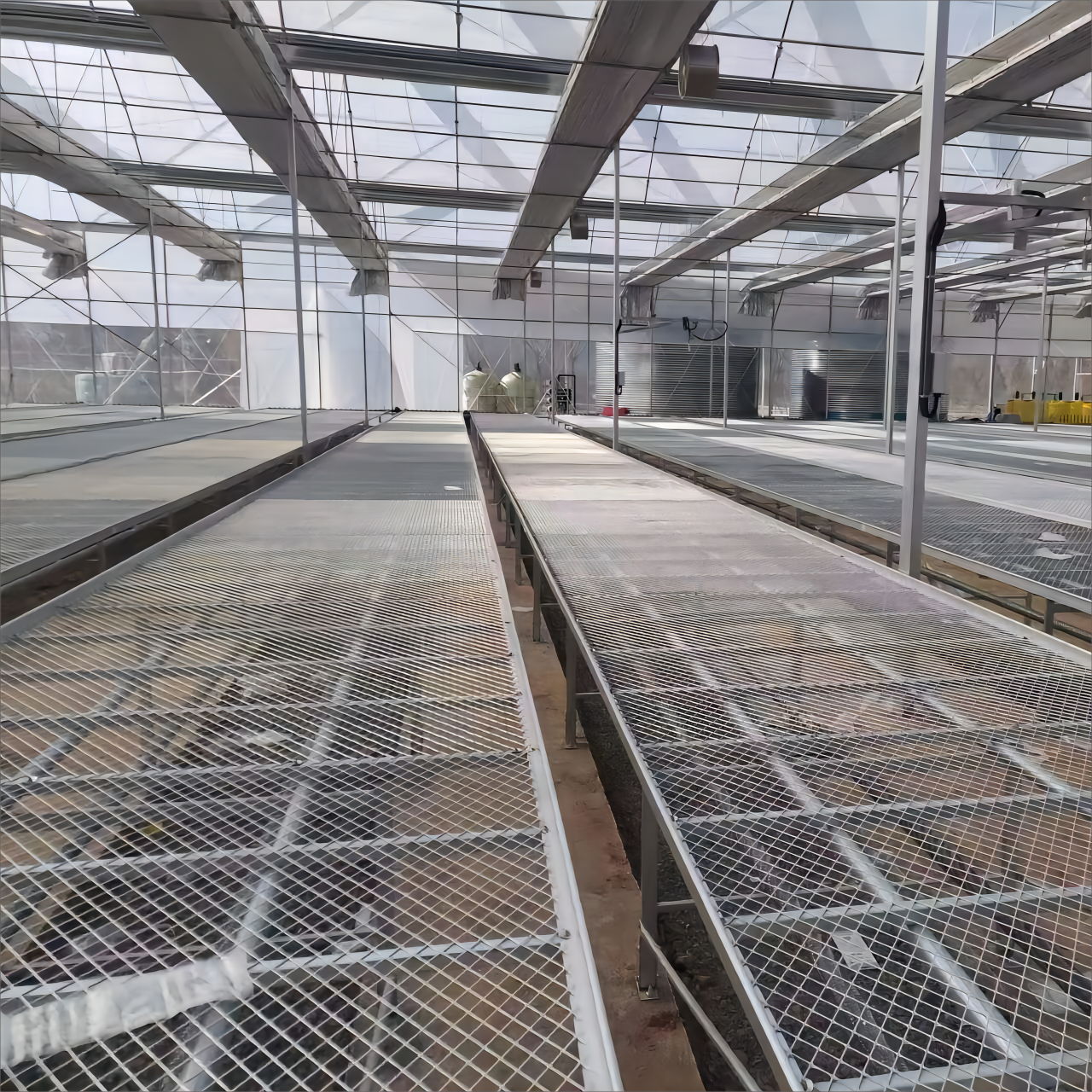
The choice of greenhouse frame materials is one of the most critical decisions for any commercial or hobbyist grower. Your greenhouse frame directly influences how light reaches your plants, how well temperature is regulated, how long your structure lasts, and ultimately how productively your crops perform. Different greenhouse frame materials offer distinct advantages and limitations that affect everything from plant photosynthesis to irrigation efficiency to long-term maintenance costs. Understanding these differences allows growers to make informed decisions aligned with their specific crop types, climate conditions, and budget constraints.
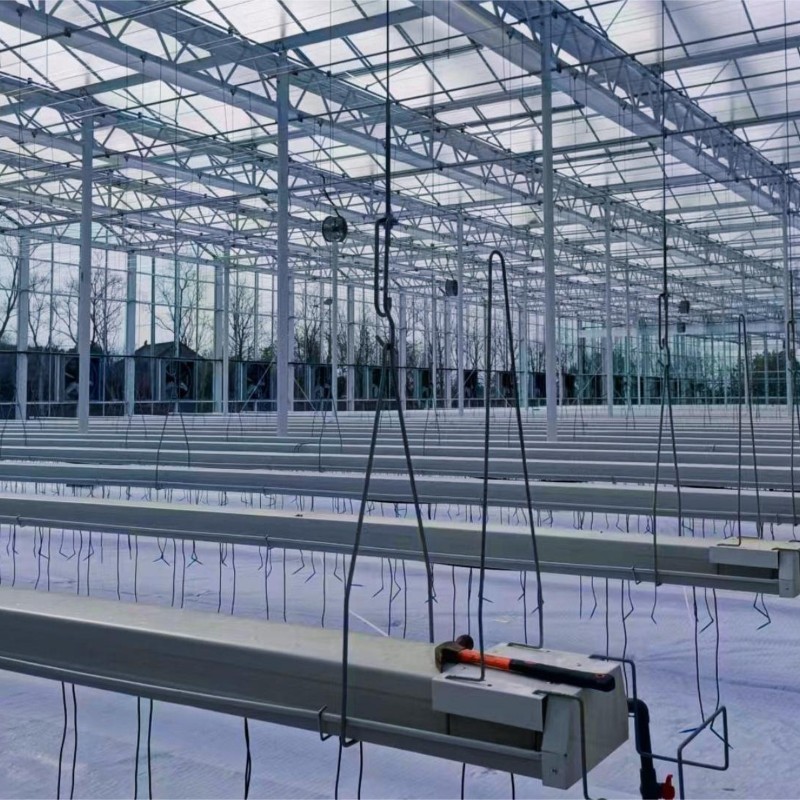
Every greenhouse frame material carries unique properties that interact with environmental factors to shape plant outcomes. Wood, aluminum, steel, and fiberglass each absorb, reflect, and transmit light differently. They expand and contract at different rates with temperature fluctuations. They require varying levels of maintenance to resist corrosion, rot, and degradation. When you select a greenhouse frame material, you are not simply choosing a structural support—you are selecting a system that will govern the microclimate where your plants spend their entire growing cycle. This comprehensive guide explores how major greenhouse frame materials affect plant performance, durability, and operational economics.
Light Transmission and Plant Photosynthesis
How Greenhouse Frame Materials Block or Transmit Light
Light transmission is central to plant health, and the greenhouse frame material dramatically influences how much photosynthetically active radiation reaches your crops. An aluminum greenhouse frame, for instance, typically consists of thin aluminum profiles that occupy only a small footprint of the cross-sectional area exposed to sunlight. This minimal frame shadow means up to 95 percent of available light penetrates to the plant canopy. A wood greenhouse frame, by contrast, occupies significantly more space due to thicker structural members required for strength, which can reduce light transmission by 15 to 25 percent depending on the frame design and spacing. Steel greenhouse frame structures fall somewhere in the middle, offering strength with moderate shadow effect. The cumulative impact of light reduction compounds over an entire growing season, potentially reducing photosynthetic yield and slowing crop maturation.
Impact on Crop Yield and Quality
Reduced light penetration directly correlates with diminished plant performance. Tomatoes grown under a thick wood greenhouse frame may develop less vibrant color and lower sugar content compared to identical cultivars under an aluminum greenhouse frame receiving full light exposure. Lettuce and leafy greens become more leggy and less dense when shaded by substantial frame members. Flowering crops like orchids or specialty flowers require consistent, maximum light levels for proper bud development, making the choice of greenhouse frame material critical for these premium crops. Research consistently shows that growers can improve yield by 8 to 15 percent simply by upgrading from a heavy-framed structure to a modern greenhouse frame design with minimal shadow footprint. This improvement matters significantly in commercial operations where every percentage point of yield improvement affects profitability.
Temperature Stability and Thermal Performance
Heat Retention and Frame Material Conductivity
A greenhouse frame material's thermal properties determine how effectively your structure maintains stable temperatures during cold periods and how efficiently it manages heat during warm seasons. Aluminum greenhouse frame structures conduct heat extremely well, sometimes too well—an aluminum greenhouse frame can conduct cold from outside directly to the interior during freezing nights, creating thermal bridging that requires additional heating energy. Steel greenhouse frame materials exhibit similar high thermal conductivity, though thicker sections provide more thermal mass. A wood greenhouse frame, conversely, offers natural insulation properties due to wood's lower thermal conductivity. Wood greenhouse frame designs inherently resist thermal bridging and help maintain warmer interior temperatures without excessive heating input. However, modern greenhouse frame installations often incorporate thermal breaks or insulation strips into aluminum or steel greenhouse frame profiles to address this limitation. The net effect is that greenhouse frame material choice, combined with proper glazing and insulation strategies, can reduce heating costs by 10 to 30 percent depending on climate zone and frame configuration.
Condensation Control and Plant Health
Condensation on greenhouse frame members and glazing surfaces can create microenvironments where fungal pathogens thrive. A cold aluminum greenhouse frame conducts exterior cold into the structure, promoting condensation formation on frame members where humidity touches cold surfaces. This condensation drips onto plants below, spreading diseases like powdery mildew and botrytis. A wood greenhouse frame naturally warms slightly faster than cold-conducting materials, reducing condensation accumulation on the frame itself. Modern greenhouse frame designs incorporate proper drainage and ventilation to address this issue, but material choice remains relevant. Growers managing high-value crops like ornamentals or berries must carefully evaluate how their selected greenhouse frame material handles moisture management. The difference between a greenhouse frame that encourages condensation and one that minimizes it can mean the difference between healthy plants and a crop loss to fungal infection.
Durability, Maintenance, and Long-Term Cost
Corrosion Resistance and Frame Longevity
The functional lifespan of your greenhouse frame material determines your real cost per season of operation. A wood greenhouse frame requires regular maintenance—painting or sealing every three to five years to prevent rot and weather damage. Untreated wood greenhouse frame members can deteriorate within five to ten years in humid or coastal environments, requiring costly replacement. An aluminum greenhouse frame naturally resists corrosion due to oxide layer formation, often remaining structurally sound for 20 to 30 years with minimal maintenance. Steel greenhouse frame structures, if uncoated, rust readily but resist rust well when galvanized or powder-coated—providing 15 to 25 years of reliable service. Fiberglass greenhouse frame options offer excellent corrosion resistance comparable to aluminum, lasting 20 to 35 years depending on UV exposure and material quality. For commercial growers amortizing structure costs over decades, the greenhouse frame material choice profoundly affects total cost of ownership. An initial investment in a durable aluminum or fiberglass greenhouse frame often proves more economical than repeated repairs to a wood greenhouse frame.
Maintenance Requirements and Operational Impact
Ongoing maintenance diverts resources from productive growing activities. A wood greenhouse frame demands regular inspection, painting, and selective member replacement, consuming dozens of labor hours annually in larger operations. An aluminum greenhouse frame requires only occasional cleaning and hardware inspection, typically two to four hours per season. Steel greenhouse frame maintenance involves periodic coating inspection and touch-up, particularly at fastener points and connection details. A fiberglass greenhouse frame needs minimal maintenance beyond cleaning and occasional UV-protective treatments. For growers operating tight margins, the labor efficiency of a low-maintenance greenhouse frame material can represent the difference between sustainable profitability and unsustainable cost structures. Beyond labor, delayed maintenance on wooden greenhouse frame members creates ripple effects—compromised structural integrity can affect glazing installation, water drainage, and environmental control system performance. Modern growers increasingly prioritize greenhouse frame materials that minimize maintenance burden while maximizing operational reliability.
Structural Strength and Growing Capacity
Load Capacity and Crop Density
The strength of your greenhouse frame material determines how much crop weight the structure can safely support and how densely you can cultivate plants. A wood greenhouse frame can support moderate crop loads but requires thicker members to achieve the same strength as aluminum or steel, which increases frame shadow and reduces light transmission. Steel greenhouse frame sections provide exceptional strength in relatively small profiles, allowing very high density growing systems with vertical trellising, overhead irrigation systems, and heavy hanging baskets. An aluminum greenhouse frame offers adequate strength for most commercial operations while maintaining minimal material cross-section. A fiberglass greenhouse frame provides good strength-to-weight ratios, particularly valuable for structures in earthquake-prone regions where lighter total frame weight reduces seismic forces. Growers pursuing high-intensity operations with vertical farming systems, dense tomato trellising, or substantial suspended equipment loads benefit from selecting a greenhouse frame material engineered for heavy loads—typically steel or premium aluminum greenhouse frame designs with reinforced connections.
Wind and Snow Load Performance
Environmental loading from wind and snow varies by geographic location, and greenhouse frame material must handle these forces reliably. A wood greenhouse frame with proper engineering can withstand significant snow and wind loads through well-designed connections and adequate member sizing, though this often requires thicker sections that compound light-blocking effects. Steel greenhouse frame structures excel in high-wind and heavy-snow regions due to high strength-to-weight ratios that allow slender members capable of resisting environmental forces. An aluminum greenhouse frame performs adequately in moderate conditions but may require additional bracing in severe climates. A fiberglass greenhouse frame provides adequate performance in most regions, though extremely heavy snow loads may require supplemental support. Growers in regions experiencing ice storms, heavy snow, or strong prevailing winds should carefully engineer their greenhouse frame selection based on local load requirements rather than choosing based solely on cost or other factors.
Environmental Impact and Sustainability
Material Sourcing and Manufacturing Footprint
Environmentally conscious growers increasingly consider the lifecycle impact of greenhouse frame materials. A wood greenhouse frame sourced from sustainably managed forests represents a renewable, carbon-sequestering option with relatively low manufacturing energy input. Aluminum greenhouse frame production is energy-intensive, though aluminum is infinitely recyclable, meaning recycled greenhouse frame aluminum requires only five percent of the energy needed for virgin production. Steel greenhouse frame manufacturing carries moderate environmental impact, and steel is also highly recyclable. A fiberglass greenhouse frame contains petroleum-derived resin and fibers, raising concerns among sustainability-focused growers, though quality fiberglass greenhouse frame products last so long they amortize environmental cost effectively across decades of use. Growers seeking to minimize environmental footprint should consider both initial production impact and total lifespan—a durable aluminum greenhouse frame lasting 30 years may prove more sustainable overall than a shorter-lived wood greenhouse frame requiring repeated replacement.
FAQ
Which greenhouse frame material provides the best light transmission?
Aluminum greenhouse frame designs typically provide the best light transmission because aluminum profiles are thin and create minimal frame shadow. A well-engineered aluminum greenhouse frame can allow 93 to 95 percent of available light to reach plants, compared to 75 to 85 percent for typical wood greenhouse frame designs. Modern greenhouse frame manufacturers optimize aluminum section geometry specifically to minimize light obstruction while maintaining structural strength.
How does greenhouse frame material affect heating costs?
Greenhouse frame material significantly affects thermal performance. Wood greenhouse frame designs provide natural insulation and resist thermal bridging, reducing heating requirements by 10 to 20 percent compared to uninsulated metal greenhouse frame structures. However, modern aluminum or steel greenhouse frame systems with thermal break technology perform comparably to wood when properly installed, and these metal greenhouse frame designs offer superior durability that offsets any modest thermal disadvantage.
What greenhouse frame material requires the least maintenance?
An aluminum greenhouse frame requires minimal maintenance—typically just occasional cleaning and hardware inspection—making it the lowest-maintenance option for commercial operations. Steel greenhouse frame structures (when galvanized or powder-coated) require similar minimal maintenance. Wood greenhouse frame designs demand regular painting or sealing to prevent rot, making them the most maintenance-intensive choice, particularly in humid or coastal environments where a wood greenhouse frame may need refinishing every three to five years.