 EN
EN
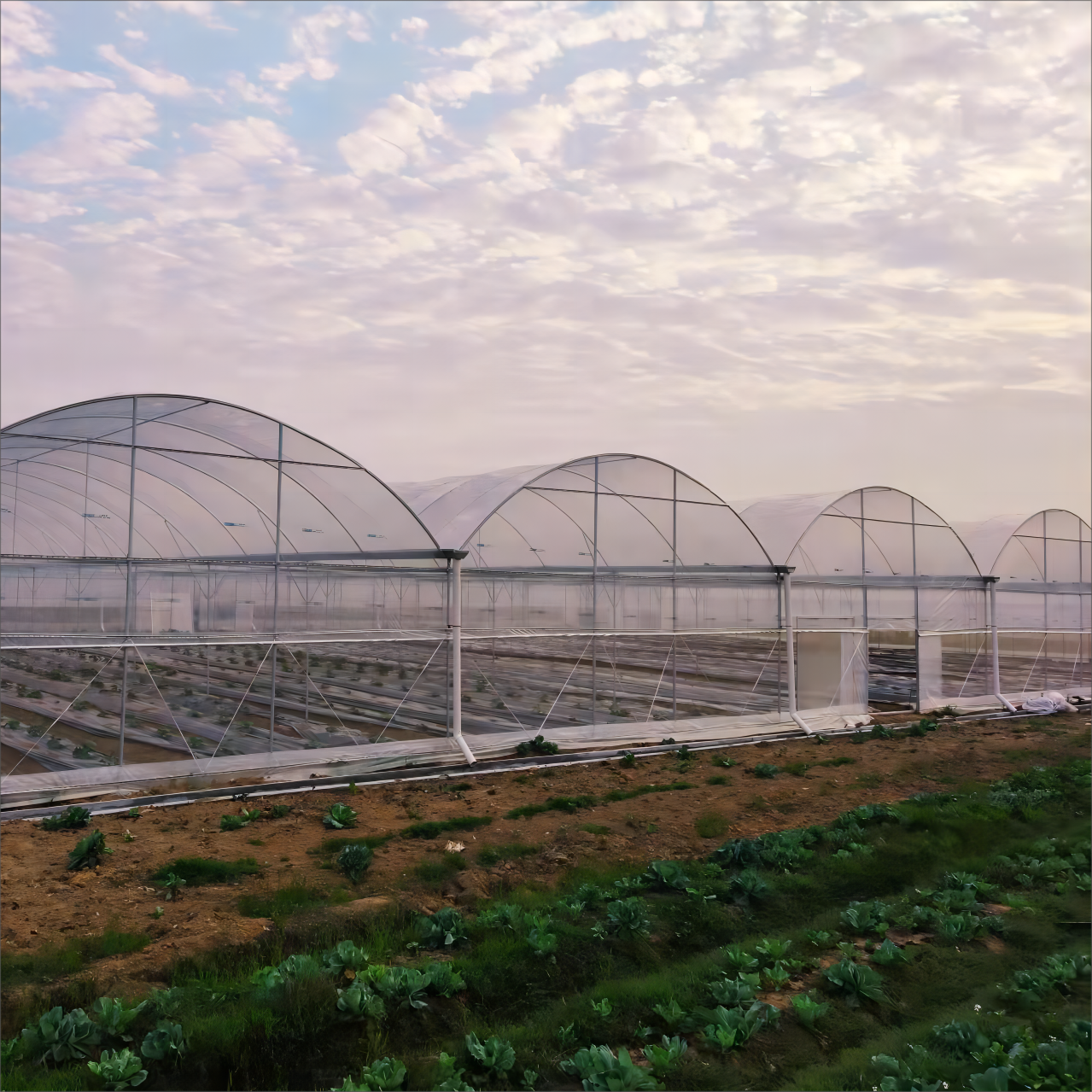
Selecting the right greenhouse structure is one of the most critical decisions for any serious grower or agricultural operation. A film greenhouse represents a compelling option for many producers, but it is not always the optimal choice for every situation. Understanding when a film greenhouse makes sense requires examining specific operational needs, budget constraints, climate conditions, and long-term business goals. This guide walks you through the key decision factors that help determine whether a film greenhouse is the right investment for your growing enterprise.
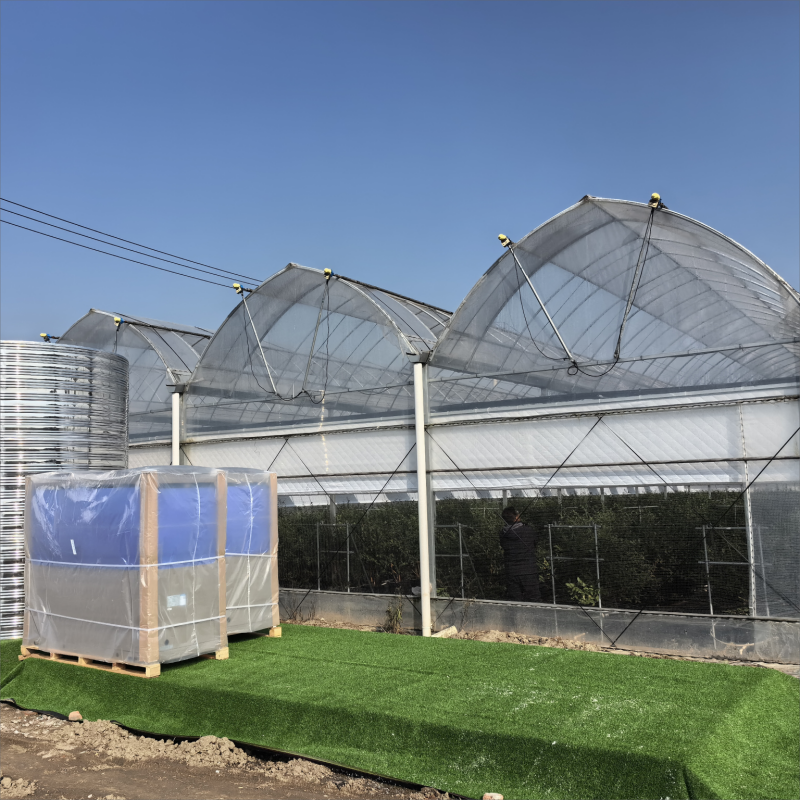
The decision between a film greenhouse and alternatives such as glass structures, polycarbonate systems, or shade cloth setups hinges on practical factors that directly impact your operation's profitability and sustainability. A film greenhouse offers distinct advantages in certain contexts, particularly for producers managing seasonal production cycles, working with limited capital, or operating in moderate climates. By understanding these decision drivers, you can confidently invest in infrastructure that aligns with your production goals and financial reality.
Understanding the Film Greenhouse Value Proposition
Cost-Effectiveness and Initial Investment
A film greenhouse demands significantly lower upfront capital compared to rigid-structure alternatives. The material costs for plastic film covering are substantially cheaper than glass panes or polycarbonate sheets, and installation complexity is reduced, lowering labor expenses. If you operate a smaller or startup growing operation with tight budget constraints, a film greenhouse allows you to establish controlled-environment production without overextending financially. This cost advantage becomes especially important when expanding production capacity or testing new crop varieties. For growers who need to deploy growing space quickly without massive infrastructure investment, a film greenhouse delivers rapid deployment with minimal financial risk.
Operational Flexibility and Scalability
A film greenhouse provides remarkable flexibility in design and expansion. You can customize dimensions, add ventilation systems, and modify internal layouts to match your specific crop requirements and workflow. If your operation grows or your crop portfolio shifts, a film greenhouse can be expanded, relocated, or reconfigured more easily than rigid alternatives. This adaptability makes a film greenhouse ideal for operations that anticipate change or want to test different production methods. The modular nature of film greenhouse systems also means you can start small and build additional structures as your business scales, distributing costs over time rather than making one large capital commitment upfront.
Scenarios Where a Film Greenhouse Excels
Moderate Climate Regions and Seasonal Production
A film greenhouse performs exceptionally well in climates with moderate temperature swings and seasonal growing patterns. If your region experiences mild winters with occasional frost, but not extreme cold or intense summer heat, a film greenhouse provides sufficient thermal regulation without requiring expensive supplemental heating or cooling systems. Growers producing seasonal crops like vegetables, bedding plants, or cut flowers often find that a film greenhouse meets their environmental control needs perfectly. The plastic film provides excellent light transmission while offering reasonable insulation during shoulder seasons. For operations in temperate zones that do not require year-round extreme temperature control, a film greenhouse delivers environmental performance at a fraction of the cost of glass or polycarbonate structures.
High-Volume Production with Frequent Replacement Cycles
If your growing model involves rapid crop turnover and frequent replanting, a film greenhouse becomes economically smart. Plastic film typically lasts three to five years depending on UV exposure and weather conditions, after which replacement is necessary. However, the low replacement cost means you can upgrade to improved film types or adapt to new growing methods during replacement cycles. High-volume producers who generate significant cash flow from their harvests can treat film replacement as a manageable operational expense rather than a major capital burden. This characteristic makes a film greenhouse particularly attractive for commercial vegetable growers, nursery operations, and microgreen producers who turn inventory quickly and can absorb material refresh costs into their regular budget cycle.
Testing and Experimentation Phases
When you are exploring new crop varieties, production techniques, or market opportunities, a film greenhouse offers the ideal platform for low-risk testing. The modest investment means failed experiments do not result in catastrophic financial loss. You can construct a film greenhouse to trial climate-sensitive crops, test organic production methods, or evaluate specialty markets without gambling your entire operation. Many successful growers began their journey by establishing proof-of-concept production in a film greenhouse before scaling to larger rigid structures. If you want to validate demand, refine your techniques, and build operational experience before committing major capital to permanent infrastructure, a film greenhouse provides that opportunity. This makes a film greenhouse the preferred choice for agricultural entrepreneurs and established producers evaluating new business directions.
Comparing Film Greenhouse to Key Alternatives
Film Greenhouse Versus Glass and Polycarbonate Structures
Glass greenhouses offer superior aesthetics and extreme durability but demand substantially higher construction and maintenance costs. Polycarbonate structures provide intermediate performance between film and glass, with better longevity than film but significantly higher material and installation expense. A film greenhouse costs roughly one-third to one-half the price of comparable polycarbonate systems and one-quarter to one-third the cost of glass structures. Choose a film greenhouse if cost efficiency and rapid deployment matter more than decades of lifespan or premium appearance. Select polycarbonate if you need extended durability and can justify the higher investment over 10 to 15 years of operation. Glass suits operations emphasizing visual appeal, extreme durability, or serving upscale markets where presentation drives customer perception. For pure production efficiency per dollar invested, a film greenhouse almost always outperforms rigid alternatives, particularly for operations with shorter planning horizons or seasonal production models.
Film Greenhouse Versus Open-Field Production
Open-field growing offers zero infrastructure cost but provides no environmental control and exposes crops to weather, pests, and disease pressure. A film greenhouse dramatically improves crop consistency, extends growing seasons, protects plants from harmful weather, and reduces pest and pathogen pressure. The modest investment in a film greenhouse typically pays for itself within one to two years through improved yields, reduced losses, and premium pricing opportunities for quality-controlled crops. If you currently farm open-field and seek to boost production reliability and market positioning, a film greenhouse represents a transformative step. However, if you produce commodity crops where environmental control adds minimal market value, open-field production might remain economically optimal despite lower quality. Evaluate whether your target market rewards controlled-environment quality premium strongly enough to justify the infrastructure cost. For most specialty and commercial vegetable growers, the film greenhouse investment easily pays off compared to uncontrolled open-field production.
Film Greenhouse Versus Shade Cloth and Low-Cost Structures
Shade cloth and simple fabric structures offer minimal environmental control and protection but cost very little. A film greenhouse provides far superior climate regulation, pest protection, disease management, and year-round production capability. If you seek merely to reduce summer heat on nursery stock or provide basic rain protection, shade cloth may suffice. However, if you want serious environmental control, extended season production, or crop quality improvement, a film greenhouse is the logical step up. The cost difference between shade cloth and a film greenhouse is modest, yet the performance difference is dramatic. Most growers who compare functionality and actual production outcomes find that a film greenhouse delivers far superior value despite the modest additional investment required.
Decision Criteria for Your Operation
Assessing Your Climate and Season Length
Your geographic location and climate pattern fundamentally shape whether a film greenhouse fits your needs. Analyze your annual temperature range, frost dates, humidity levels, and wind exposure. A film greenhouse works excellently in regions with moderate conditions but requires supplemental heating in extremely cold climates and may need advanced cooling in very hot regions. If your area experiences consistent year-round moderate temperatures, a film greenhouse likely covers your environmental needs efficiently. Conversely, if you face extreme winters requiring significant heat or extremely hot summers demanding aggressive cooling, a glass or polycarbonate structure with better insulation might justify the higher cost. Review historical climate data for your location and project your crop requirements against typical seasonal conditions to determine whether a film greenhouse provides adequate environmental control without excessive supplemental investment.
Evaluating Your Production Model and Crop Mix
Your specific crop portfolio, production volume, and market positioning directly influence whether a film greenhouse aligns with your business model. High-volume commodity vegetable growers, nurseries producing seasonal stock, and cut flower operations almost always benefit from a film greenhouse investment. Specialty growers producing rare or premium crops may find that polycarbonate or glass structures justify their cost through market differentiation and year-round production capability. Evaluate your crop's environmental sensitivity and whether a film greenhouse provides sufficient control for your market targets. If your crops require extremely stable conditions or year-round production, a film greenhouse may fall short. If your operation follows seasonal cycles and emphasizes production efficiency and cost control, a film greenhouse is typically ideal.
Planning Your Financial Timeline and Expansion
Consider your financial capacity and business growth timeline when choosing between a film greenhouse and more permanent alternatives. A film greenhouse requires modest ongoing maintenance and periodic film replacement but offers flexibility to adjust your operation as conditions change. If you anticipate significant business evolution or prefer financial flexibility, a film greenhouse spreads costs over time and reduces early capital risk. If your operation is mature and you seek permanent, low-maintenance infrastructure for decades of stable production, a glass or polycarbonate structure may offer better long-term economics despite higher initial investment. Project your cash flow, anticipated production growth, and planned infrastructure lifetime to determine which structure type aligns with your financial strategy and risk tolerance.
FAQ
How long does a film greenhouse plastic covering typically last?
High-quality film greenhouse plastic typically lasts three to five years depending on climate exposure, UV intensity, and maintenance practices. In regions with harsh sun exposure or extreme weather, film may degrade more quickly. Protective measures like whitewash coatings or shade cloth can extend plastic life by reducing direct UV damage. Replacement film costs are modest compared to the initial investment, making periodic renewal a manageable operational expense rather than a major capital project.
Can a film greenhouse maintain temperature control during winter in cold climates?
A film greenhouse provides modest insulation and heat retention but typically requires supplemental heating systems in cold climates. The plastic film offers better insulation than open-air production but cannot match the thermal performance of glass or polycarbonate structures. If winter production is essential in a cold climate, you may need to combine a film greenhouse with a heating system, which increases operational costs. In moderate climates with only occasional frost, a film greenhouse often provides sufficient protection without supplemental heat, making it ideal for those regions.
What maintenance does a film greenhouse require compared to glass alternatives?
A film greenhouse requires regular inspection for tears, weathering, or degradation of plastic film and periodic repair or replacement. Frame structures need occasional maintenance to ensure structural integrity and proper ventilation function. Compared to glass structures, a film greenhouse demands less intensive maintenance because plastic is more impact-resistant than glass, reducing breakage concerns. However, film requires closer attention to UV degradation and weather-related wear. Overall maintenance effort and cost for a film greenhouse remain significantly lower than for glass or polycarbonate systems, contributing to its cost-effectiveness over the structure's operational life.