 EN
EN
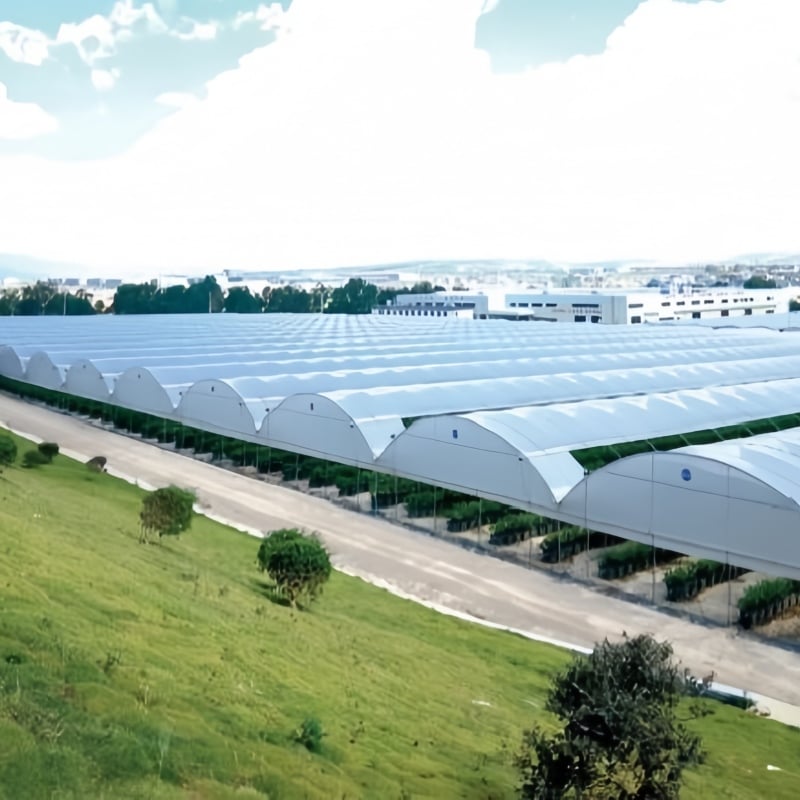
Choosing the right greenhouse structure materials is one of the most important decisions any grower or agricultural investor will make. The materials you select directly affect structural integrity, climate control efficiency, crop yield potential, and long-term operating costs. Whether you are building a small single-span unit or a large commercial multi-span facility, understanding how greenhouse structure materials perform under real conditions is essential before committing to any design.
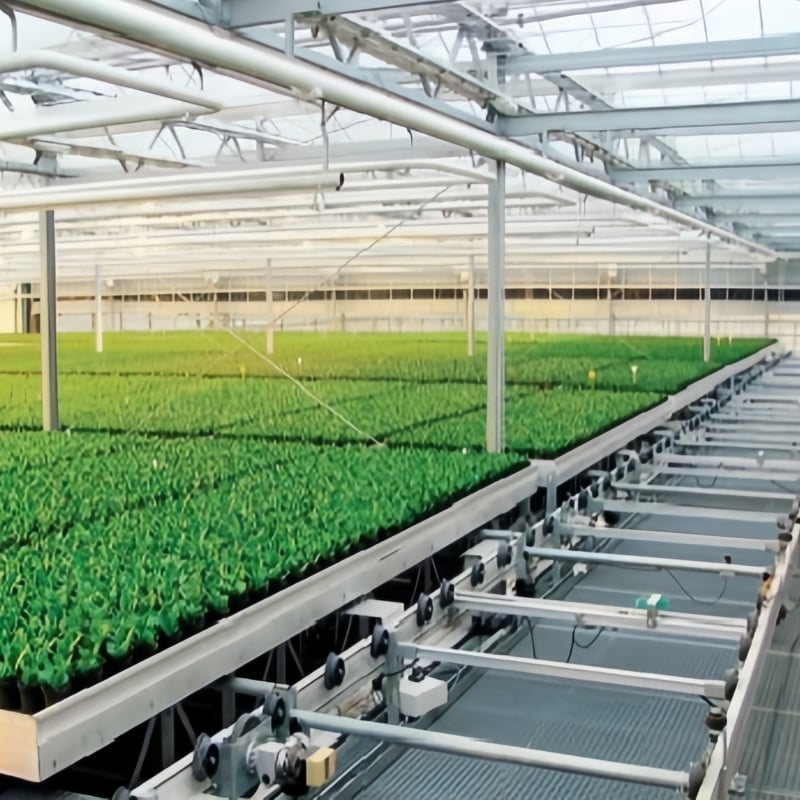
The market offers a wide range of greenhouse structure materials, each with distinct advantages and trade-offs. Steel, aluminum, and galvanized profiles are commonly used for framing, while polyethylene film, polycarbonate panels, and glass serve as covering options. Making a well-informed choice requires evaluating climate conditions, crop requirements, project budget, and the expected service life of the structure. This guide walks through the key decision factors so you can select greenhouse structure materials that align with your operational goals.
Key Factors That Drive Your Material Selection
Climate Conditions and Load Requirements
The local climate is the single most critical variable when evaluating greenhouse structure materials. In regions with heavy snowfall, the structural frame must support significant static loads, which makes high-strength galvanized steel the preferred choice for greenhouse structure materials. In areas with strong seasonal winds, the frame profile, joint design, and anchor system all need to be sized accordingly. Choosing greenhouse structure materials without accounting for local weather data is a common and costly mistake.
Temperature fluctuations also influence which greenhouse structure materials hold up over time. Aluminum expands and contracts with temperature changes, which can loosen joints if the design does not account for thermal movement. Hot-dip galvanized steel offers excellent resistance to rust and maintains dimensional stability across a wide temperature range, making it a reliable choice for greenhouse structure materials in humid or coastal environments. Always request load calculation documentation from your supplier to verify that the proposed greenhouse structure materials meet regional structural codes.
Crop Type and Internal Environment Needs
Different crops require different internal environments, and your choice of greenhouse structure materials will define how well those conditions can be maintained. High-value crops such as tomatoes, cucumbers, and ornamental flowers typically require precise humidity and temperature control, which demands greenhouse structure materials with superior sealing properties and minimal thermal bridging. The framing material affects how the covering is attached and how airtight the final assembly becomes.
Polycarbonate panels used as covering greenhouse structure materials offer good light diffusion and insulation, making them suitable for year-round production in moderate climates. Polyethylene film covering greenhouse structure materials are widely used in large commercial operations because of their low cost, ease of replacement, and sufficient light transmission. Understanding the relationship between your crop's light and heat requirements and the performance profile of available greenhouse structure materials will help you narrow down the right combination.
Comparing Common Greenhouse Structure Material Types
Steel and Galvanized Frame Systems
Galvanized steel is among the most widely used greenhouse structure materials for commercial and large-scale agricultural projects. Its high tensile strength allows for wider spans, taller ridge heights, and more open interior spaces, which supports mechanized operations and efficient airflow. Greenhouse structure materials made from hot-dip galvanized steel typically carry a service life of 15 to 25 years when properly maintained, making them a cost-effective investment over the long term.
Steel greenhouse structure materials are particularly well suited for multi-span greenhouse designs, where structural continuity across connected bays demands consistent load distribution. The ability to pre-fabricate and pre-cut steel components off-site also speeds up on-site assembly and reduces labor costs. When comparing greenhouse structure materials, galvanized steel consistently ranks highly in terms of strength-to-cost ratio for medium to large installations.
Aluminum Profiles and Lightweight Options
Aluminum is a popular choice for greenhouse structure materials in smaller or more specialized applications. Its natural corrosion resistance eliminates the need for protective coatings, which reduces maintenance requirements over time. Aluminum greenhouse structure materials are also lighter than steel, making transportation and handling easier, especially in locations with limited equipment access. These properties make aluminum greenhouse structure materials a practical option for hobbyist greenhouses, research facilities, and urban agricultural installations.
However, aluminum greenhouse structure materials generally have lower load-bearing capacity compared to steel, which limits their use in high-wind or heavy-snow regions without significant reinforcement. The upfront cost of aluminum greenhouse structure materials is also typically higher per unit length than galvanized steel. For projects where corrosion resistance and low maintenance are priorities but structural loads are moderate, aluminum greenhouse structure materials offer a well-balanced solution.
Evaluating Cost, Lifespan, and Maintenance
Total Cost of Ownership Over Time
When selecting greenhouse structure materials, the purchase price is only part of the financial picture. Total cost of ownership includes installation labor, ongoing maintenance, repair frequency, and eventual replacement costs. Greenhouse structure materials with a lower initial price but a shorter service life may end up costing more over a 10-year horizon than higher-quality greenhouse structure materials that require minimal upkeep. Calculating cost per growing season is a more accurate method of comparing greenhouse structure materials than evaluating purchase price alone.
Covering greenhouse structure materials such as polyethylene film typically need replacement every 3 to 5 years, while polycarbonate panels can last 10 years or more with UV protection coatings. Glass covering greenhouse structure materials offer the longest lifespan but come with higher installation costs and greater structural load requirements. Factoring in these replacement cycles when budgeting for greenhouse structure materials ensures a more realistic financial projection for your facility.
Maintenance Demands and Supplier Support
Ongoing maintenance is a practical reality for any type of greenhouse structure materials. Steel frames require periodic inspection for rust or corrosion, particularly at welded joints and anchor points. Applying protective coatings or using hot-dip galvanized greenhouse structure materials from the start reduces this burden significantly. Aluminum greenhouse structure materials require less reactive maintenance but still benefit from regular joint inspections and cleaning to prevent debris accumulation in drainage channels.
Supplier technical support is also a key consideration when sourcing greenhouse structure materials. A reliable supplier should provide installation drawings, load specifications, and after-sales assistance for greenhouse structure materials. Choosing greenhouse structure materials from a supplier with documented engineering support reduces the risk of structural failures and ensures that any future expansions or modifications can be integrated without redesigning the entire system.
FAQ
What are the most durable greenhouse structure materials for commercial use?
Hot-dip galvanized steel is widely regarded as the most durable choice among greenhouse structure materials for commercial applications. It combines high load capacity, long service life, and resistance to corrosion, making greenhouse structure materials built from galvanized steel suitable for large multi-span facilities in demanding climates.
How do I decide between steel and aluminum greenhouse structure materials?
The decision between steel and aluminum greenhouse structure materials depends primarily on project scale, local climate loads, and maintenance preferences. Steel greenhouse structure materials are better for large structures with high wind or snow loads, while aluminum greenhouse structure materials suit smaller, corrosion-sensitive environments where lighter weight is an advantage.
Can greenhouse structure materials affect crop yield?
Yes, greenhouse structure materials directly influence light transmission, insulation efficiency, and internal humidity control, all of which affect crop performance. Selecting covering greenhouse structure materials with high light diffusion and low thermal bridging creates a more stable growing environment that supports consistent, high-quality yields.