 EN
EN



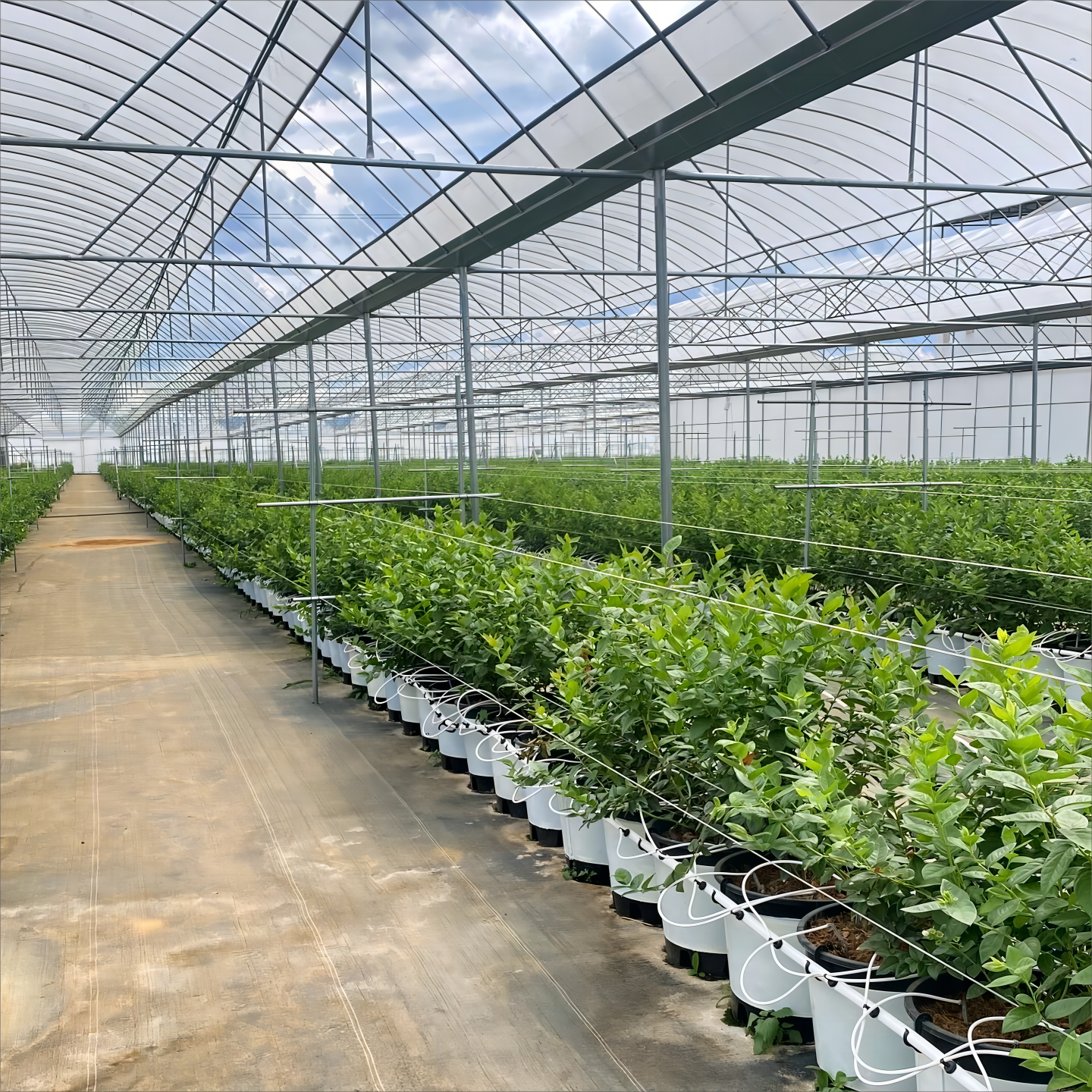
Determining the right moment to invest in a glass greenhouse requires understanding specific operational conditions, budget parameters, and long-term cultivation goals. Unlike plastic or polycarbonate alternatives, glass greenhouse structures demand careful consideration of factors including climate stability requirements, crop value expectations, and facility longevity planning. The decision timing often hinges on reaching critical thresholds in production scale, quality demands, or environmental control precision.
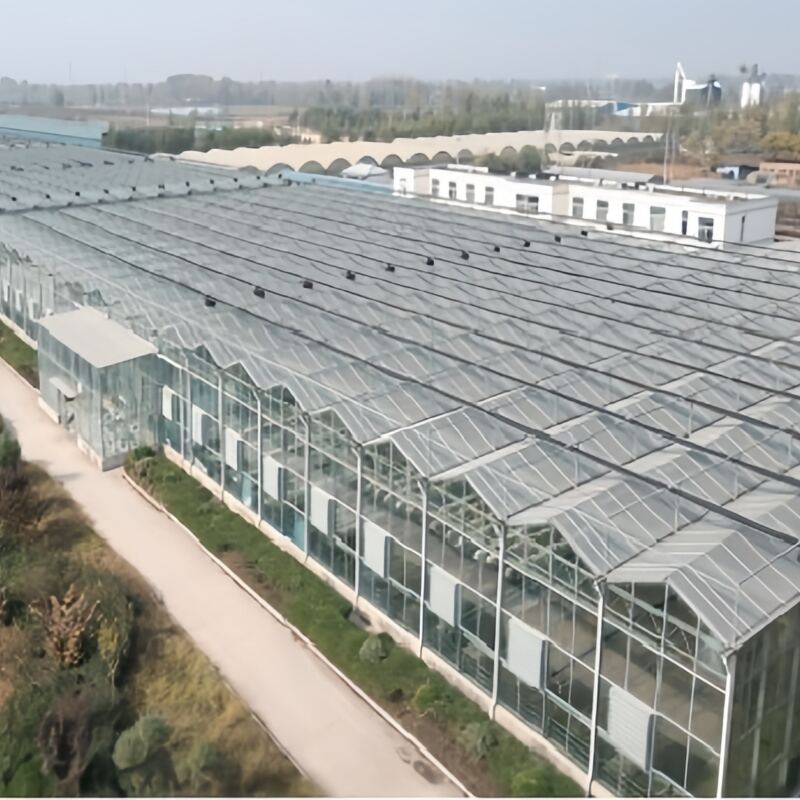
Professional growers typically transition to glass greenhouse systems when their operations reach maturity levels where superior light transmission, durability advantages, and precise climate control become economically justified. This transition point varies significantly across different agricultural sectors, with high-value crop producers, research facilities, and commercial operations serving premium markets representing the primary candidates for glass greenhouse adoption. Understanding these decision triggers helps determine optimal timing for this significant infrastructure investment.
Production Scale and Economic Readiness Indicators
Revenue Threshold Analysis for Glass Greenhouse Investment
The financial readiness for glass greenhouse adoption typically emerges when annual production revenues exceed specific thresholds that justify the higher initial capital requirements. Most commercial operations consider glass greenhouse systems when their existing facilities generate consistent revenues above $500,000 annually, providing sufficient cash flow to support the increased investment and operational complexity. This revenue benchmark ensures adequate financial cushion for the transition period and ongoing maintenance requirements.
Established growers often recognize the need for glass greenhouse infrastructure when their current facilities limit expansion potential or compromise product quality standards. The superior structural integrity of glass greenhouse systems supports larger spanning capabilities, enabling more efficient space utilization and equipment integration. These operational advantages become particularly valuable when land costs represent significant constraints or when maximizing production density becomes essential for profitability.
Return on investment calculations favor glass greenhouse selection when crop values exceed $15 per square foot annually, making the enhanced environmental control and extended facility lifespan economically attractive. Premium crop segments including specialty vegetables, pharmaceutical plants, and high-end ornamentals often justify glass greenhouse investments through improved yield consistency and quality premiums. The extended operational lifespan of glass structures, typically 20-25 years compared to 10-15 years for alternatives, improves long-term financial returns significantly.
Operational Capacity and Infrastructure Requirements
Facilities approaching maximum capacity utilization with existing infrastructure often represent ideal timing for glass greenhouse expansion or replacement. When existing growing space operates at 85-90% capacity consistently throughout the year, the improved efficiency and expanded capabilities of glass greenhouse systems provide natural growth accommodation. This capacity threshold indicates stable demand patterns and operational maturity necessary to fully utilize advanced greenhouse capabilities.
Labor efficiency considerations also influence glass greenhouse adoption timing, particularly when skilled workforce availability supports sophisticated climate control and automation systems. Operations employing 15 or more full-time growing staff typically possess the expertise and management structure necessary to maximize glass greenhouse potential. The advanced environmental systems and precision agriculture technologies compatible with glass greenhouse structures require dedicated technical support and operational oversight.
Infrastructure maturity becomes evident when existing utilities, irrigation systems, and processing facilities can support expanded glass greenhouse operations without major modifications. Adequate electrical capacity for sophisticated climate control, water treatment capabilities for precision fertigation, and logistics infrastructure for increased production volumes all contribute to successful glass greenhouse implementation. These supporting systems often require development timeline coordination with glass greenhouse construction schedules.
Climate Control and Environmental Precision Requirements
Advanced Climate Management Needs
The transition to glass greenhouse systems becomes essential when crop requirements demand precise environmental control beyond the capabilities of alternative structures. Research applications, tissue culture propagation, and pharmaceutical plant cultivation often require the superior insulation properties and climate stability achievable only through glass greenhouse design. These applications cannot tolerate the temperature fluctuations and humidity variations common in plastic or polycarbonate facilities.
Glass greenhouse adoption timing often coincides with implementing sophisticated climate control strategies including CO2 enrichment, precise humidity management, and integrated pest management systems. The structural stability and airtight construction of glass greenhouse facilities enable advanced environmental control technologies that significantly improve growing conditions. These capabilities become necessary when crop genetics demand specific environmental parameters for optimal expression of desired traits.
Energy efficiency considerations increasingly favor glass greenhouse selection in regions with extreme climate conditions or high energy costs. The superior insulation properties of modern glass greenhouse systems, combined with thermal mass benefits, often result in lower heating and cooling costs compared to alternative structures. This efficiency advantage becomes particularly pronounced during extended growing seasons or year-round production schedules.
Light Management and Optical Performance
Crop lighting requirements frequently drive the timing for glass greenhouse adoption, especially for light-sensitive species requiring maximum natural light transmission or precise photoperiod control. The exceptional optical clarity of glass greenhouse covering materials provides 90-95% light transmission compared to 80-85% for polycarbonate alternatives. This advantage becomes critical for crops requiring high light intensity or when supplemental lighting costs represent significant operational expenses.
Operations specializing in ornamental plants, cut flowers, or crops with specific aesthetic requirements often transition to glass greenhouse systems when market demands require superior plant quality and appearance. The even light distribution and reduced light diffusion in glass greenhouse environments improve plant uniformity and reduce quality variations that can impact marketability. Premium markets increasingly recognize and reward the superior plant quality achievable in well-managed glass greenhouse facilities.
Seasonal production planning also influences glass greenhouse selection timing, particularly for operations extending growing seasons or producing crops during periods of limited natural light. The enhanced light transmission of glass greenhouse structures can extend viable growing periods by several weeks compared to alternative covering materials. This extension capability often provides competitive advantages in early and late season markets where premium prices compensate for increased infrastructure costs.
Market Positioning and Quality Differentiation Factors
Premium Market Access and Brand Development
The decision to invest in glass greenhouse infrastructure often aligns with strategic initiatives to access premium market segments requiring superior product quality and consistency. Retail partnerships with high-end grocery chains, direct-to-consumer marketing programs, and specialty restaurant supply relationships frequently require production capabilities that glass greenhouse systems uniquely provide. These market opportunities often emerge after establishing initial market presence with conventional growing methods.
Brand differentiation strategies increasingly emphasize sustainable production methods, consistent quality delivery, and year-round availability - all characteristics enhanced by glass greenhouse operations. Consumer awareness of growing methods and facility types creates marketing advantages for products grown in glass greenhouse environments. These branding opportunities often justify the investment timing when market research indicates consumer willingness to pay premiums for perceived quality advantages.
Export market development frequently requires the production consistency and quality assurance capabilities achievable through glass greenhouse systems. International buyers often specify glass greenhouse production for imported products, creating market access opportunities unavailable to operations using alternative structures. The timing for glass greenhouse investment often coincides with export market development initiatives or international certification requirements.
Certification and Compliance Considerations
Regulatory compliance requirements increasingly influence glass greenhouse adoption timing, particularly for operations pursuing organic certification, food safety standards, or pharmaceutical production approvals. The enhanced environmental control and contamination prevention capabilities of glass greenhouse systems support compliance with stringent regulatory standards. These requirements often emerge as operations scale or diversify into regulated market segments.
Third-party certification programs for sustainable agriculture, integrated pest management, and worker safety often favor glass greenhouse operations due to their enhanced environmental control and worker protection capabilities. Certification timing requirements frequently align with glass greenhouse construction schedules, creating natural decision points for infrastructure upgrades. The ability to maintain certification standards consistently throughout varying weather conditions represents a significant advantage of glass greenhouse systems.
Insurance and risk management considerations also support glass greenhouse adoption when weather-related crop losses become frequent or severe enough to impact operational stability. The superior weather resistance and crop protection capabilities of glass greenhouse structures provide risk mitigation benefits that improve business stability and reduce insurance costs. These risk management benefits become particularly valuable for operations with significant seasonal revenue concentration or limited crop diversification.
Technology Integration and Automation Readiness
Precision Agriculture Implementation
The adoption of precision agriculture technologies often creates ideal timing for glass greenhouse investment, as these systems require the stable, controlled environment that glass structures uniquely provide. Advanced sensor networks, automated climate control systems, and robotic cultivation equipment perform optimally within the consistent conditions achievable in glass greenhouse environments. The structural integrity of glass greenhouse systems also supports the mounting and operation of sophisticated agricultural technologies.
Data collection and analysis capabilities increasingly drive glass greenhouse adoption timing, particularly for operations implementing Internet of Things (IoT) systems, artificial intelligence, and machine learning applications. The controlled environment of glass greenhouse facilities provides ideal conditions for sensor accuracy and consistent data collection necessary for advanced agricultural analytics. These technological capabilities often become essential for operations competing in data-driven agricultural markets.
Integration with existing enterprise resource planning (ERP) systems and supply chain management platforms frequently coincides with glass greenhouse implementation timing. The enhanced production predictability and quality consistency achievable in glass greenhouse operations improve supply chain reliability and customer satisfaction. These operational improvements often justify investment timing when customer demands for delivery reliability and product consistency exceed current facility capabilities.
Automation and Labor Efficiency
Labor shortage challenges and rising wage costs often accelerate glass greenhouse adoption timing, as these facilities support higher levels of automation and improved worker productivity. The controlled environment and structural capabilities of glass greenhouse systems enable automated seeding, transplanting, and harvesting equipment that reduces labor requirements while improving production consistency. This automation potential becomes particularly valuable in regions with limited agricultural labor availability.
Workplace safety improvements achievable through glass greenhouse design often influence adoption timing when insurance costs, worker compensation claims, or regulatory compliance issues impact operational profitability. The enhanced environmental protection and reduced exposure to weather extremes in glass greenhouse facilities improve worker safety and comfort. These benefits contribute to reduced turnover, improved productivity, and enhanced regulatory compliance.
Training and skill development requirements for glass greenhouse operations often determine implementation timing based on workforce readiness and management capability. The sophisticated systems typical in modern glass greenhouse facilities require skilled technicians and experienced management teams capable of optimizing complex environmental control systems. Developing this expertise internally or recruiting qualified personnel often influences the timeline for glass greenhouse adoption.
FAQ
What is the minimum production scale that justifies glass greenhouse investment?
Glass greenhouse investment typically becomes financially viable for operations with annual revenues exceeding $500,000 or production areas above 10,000 square feet. The higher initial costs and sophisticated systems require adequate scale to achieve acceptable return on investment. Smaller operations may benefit from glass greenhouse technology when producing high-value crops exceeding $20 per square foot annually or when serving premium markets requiring superior quality consistency.
How long should existing greenhouse facilities be operational before considering glass upgrades?
Most successful transitions to glass greenhouse systems occur after 3-5 years of stable operation with alternative structures, allowing time to develop operational expertise and market relationships. This experience period provides essential understanding of crop requirements, climate control needs, and market demands necessary to maximize glass greenhouse benefits. Earlier transitions may be appropriate when initial facilities prove inadequate for quality requirements or when rapid market growth demands enhanced production capabilities.
What climate conditions make glass greenhouse selection more urgent?
Regions experiencing extreme temperature variations, frequent severe weather events, or extended periods of low light intensity particularly benefit from glass greenhouse environmental protection and climate control capabilities. Areas with temperature swings exceeding 40 degrees Fahrenheit, hail storms, high winds, or limited winter sunlight create conditions where glass greenhouse advantages justify earlier adoption. These environmental challenges often make glass greenhouse systems essential rather than optional for reliable production.
Can glass greenhouse investment be phased to reduce initial capital requirements?
Phased glass greenhouse development allows spreading investment costs while building operational experience and market demand gradually. Many successful operations begin with smaller glass greenhouse sections for high-value crops while maintaining alternative structures for bulk production. This approach enables learning system optimization, training staff, and developing premium market relationships before committing to complete facility conversion. Proper planning ensures infrastructure compatibility and expansion efficiency across development phases.
Table of Contents
- Production Scale and Economic Readiness Indicators
- Climate Control and Environmental Precision Requirements
- Market Positioning and Quality Differentiation Factors
- Technology Integration and Automation Readiness
-
FAQ
- What is the minimum production scale that justifies glass greenhouse investment?
- How long should existing greenhouse facilities be operational before considering glass upgrades?
- What climate conditions make glass greenhouse selection more urgent?
- Can glass greenhouse investment be phased to reduce initial capital requirements?