 EN
EN



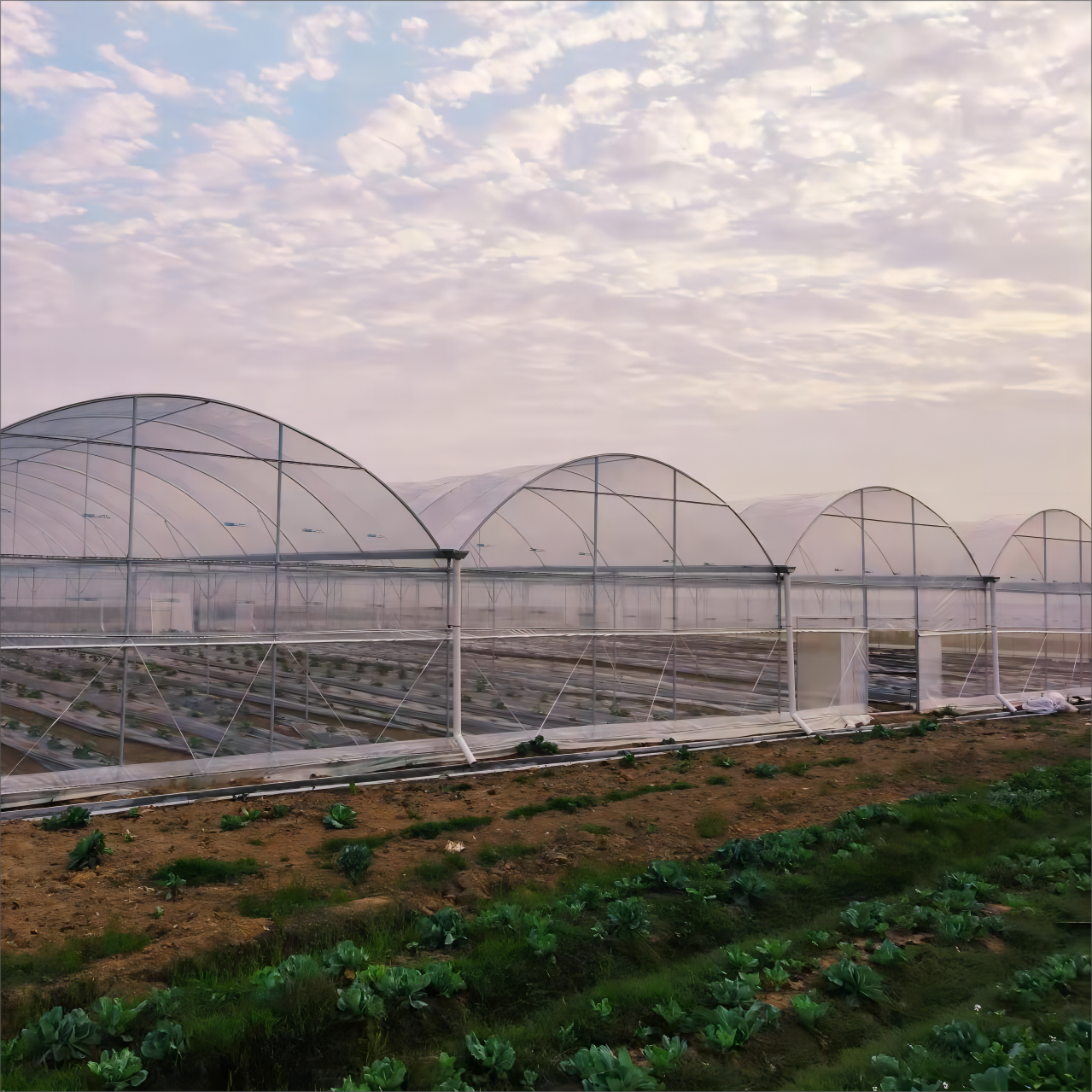
Berry cultivation has undergone a remarkable transformation in recent decades, with progressive growers increasingly turning to controlled environment agriculture to maximize their crop potential. The shift toward greenhouse cultivation represents more than just a technological upgrade—it fundamentally addresses the core challenges that have historically plagued berry production, from weather dependency to pest management complexities. Modern berry growers are discovering that greenhouse systems offer unprecedented control over growing conditions, enabling consistent harvests regardless of external climate variables.
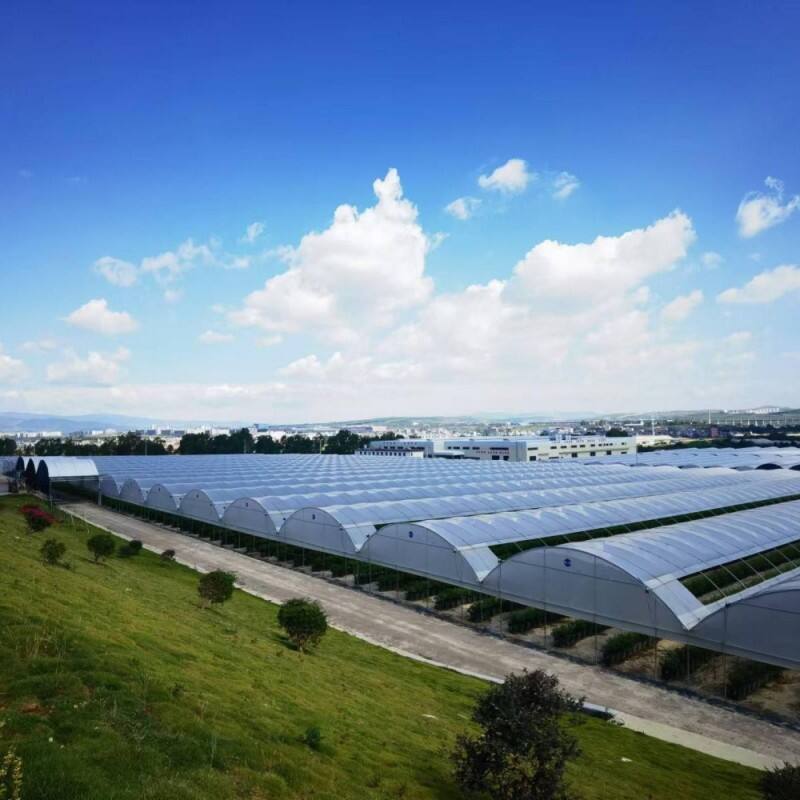
The economic drivers behind this transition extend far beyond simple yield improvements, encompassing factors such as labor efficiency, resource optimization, and market responsiveness. Berry growers who embrace greenhouse cultivation gain the ability to extend growing seasons, reduce input costs through precise resource management, and deliver premium-quality fruits that command higher market prices. These advantages have created a compelling business case that continues to attract commercial operations seeking sustainable competitive advantages in an increasingly demanding agricultural marketplace.
Climate Control and Environmental Advantages
Weather Independence and Production Reliability
Traditional outdoor berry production remains vulnerable to unpredictable weather patterns that can devastate entire crops within hours. Greenhouse cultivation eliminates this fundamental risk by creating a controlled environment where temperature, humidity, and atmospheric conditions remain stable throughout the growing cycle. Berry growers utilizing greenhouse systems report significantly reduced crop losses compared to field operations, with protection from hail, excessive rainfall, drought conditions, and unexpected frost events.
The reliability factor becomes especially critical for commercial berry operations that must meet contractual delivery commitments to retailers and processors. Greenhouse cultivation enables growers to maintain consistent production schedules, ensuring steady fruit availability regardless of external weather disruptions. This predictability translates directly into improved cash flow management and strengthened relationships with buyers who value dependable supply chains.
Advanced climate control systems in modern berry greenhouses can maintain optimal growing conditions year-round, with automated systems monitoring and adjusting temperature zones to match specific cultivar requirements. These precise environmental controls enable growers to optimize photosynthesis rates, manage plant stress factors, and coordinate flowering and fruiting cycles for maximum productivity.
Extended Growing Seasons and Multiple Harvests
One of the most compelling reasons berry growers choose greenhouse cultivation is the ability to extend natural growing seasons far beyond what outdoor conditions would normally allow. Controlled environments enable growers to initiate berry production earlier in spring and continue harvesting well into fall or even winter months, depending on local market demand and energy cost considerations.
This extended production window creates multiple revenue opportunities throughout the year, allowing growers to capture premium pricing during off-season periods when fresh berry supplies are traditionally limited. Many greenhouse berry operations achieve two or even three harvest cycles annually, dramatically increasing revenue potential per square foot of growing space compared to single-season outdoor cultivation.
The ability to time harvests strategically also enables growers to align production with peak market pricing periods, such as holiday seasons or periods when imported fruit quality diminishes. This market timing capability provides greenhouse berry growers with significant competitive advantages over operations dependent on natural seasonal cycles.
Superior Crop Quality and Yield Optimization
Enhanced Fruit Quality Characteristics
Greenhouse cultivation produces consistently superior berry quality compared to field-grown alternatives, with controlled environmental conditions eliminating many factors that typically compromise fruit appearance, flavor, and shelf life. The protection from wind, rain, and temperature fluctuations results in berries with better color development, improved sugar content, and reduced blemishing that can occur during outdoor production.
Berry growers utilizing greenhouse systems report improved fruit firmness and extended shelf life, characteristics that are increasingly valued by retailers and consumers. The controlled environment prevents rain damage that often leads to soft or split berries, while consistent irrigation management ensures optimal fruit sizing and uniform ripening patterns across the entire crop.
Quality improvements extend beyond visual appeal to include enhanced nutritional content and flavor profiles. Greenhouse cultivation allows precise management of plant nutrition programs, ensuring berries receive optimal nutrient ratios throughout development. This nutritional control results in fruits with higher antioxidant levels and more concentrated flavors that command premium prices in discriminating markets.
Maximized Production Efficiency and Space Utilization
Modern greenhouse cultivation systems enable berry growers to achieve significantly higher yields per square foot compared to traditional field production methods. Vertical growing systems, precise plant spacing, and optimized lighting conditions allow growers to maximize productive capacity within limited space constraints, making greenhouse operations particularly attractive for operations near urban markets where land costs are prohibitive.
The controlled environment facilitates year-round plant maintenance and management activities that would be difficult or impossible in outdoor settings. Greenhouse cultivation enables growers to implement precise pruning schedules, monitor individual plant health more effectively, and respond quickly to emerging issues before they impact overall crop performance.
Resource efficiency improvements in greenhouse systems contribute significantly to overall production economics. Precise irrigation delivery systems minimize water waste while ensuring plants receive optimal moisture levels throughout the growing cycle. Similarly, controlled-release fertilizer programs reduce nutrient losses and environmental impact while maintaining consistent plant nutrition that supports maximum yield potential.
Advanced Pest Management and Disease Prevention
Integrated Pest Management Advantages
Greenhouse cultivation provides berry growers with unprecedented opportunities to implement comprehensive integrated pest management strategies that would be impractical in open-field settings. The enclosed environment creates natural barriers against many common berry pests, significantly reducing pest pressure and enabling more targeted treatment approaches when intervention becomes necessary.
Controlled access points in greenhouse structures allow growers to monitor and restrict pest entry more effectively than outdoor operations. This containment capability enables the successful deployment of beneficial insect programs that help control harmful pest populations through biological means, reducing dependency on chemical pesticide applications that can impact fruit quality and environmental sustainability.
The stable environmental conditions in greenhouse cultivation systems also support more consistent application of preventive pest management measures. Regular monitoring schedules become more practical when weather conditions don't interfere with inspection activities, enabling early detection and treatment of pest issues before they reach economically damaging levels.
Disease Prevention Through Environmental Control
Many common berry diseases thrive in conditions of high humidity, prolonged leaf wetness, and temperature fluctuations that characterize outdoor growing environments. Greenhouse cultivation enables growers to maintain optimal environmental conditions that discourage disease development while supporting healthy plant growth and natural disease resistance mechanisms.
Controlled ventilation systems in modern berry greenhouses help manage humidity levels and promote air circulation that prevents the stagnant conditions where fungal diseases typically develop. The ability to control irrigation timing and delivery methods also eliminates many disease-promoting factors associated with overhead watering systems used in field production.
Disease management programs become more effective under greenhouse conditions because treatment applications can be timed precisely without concern for weather interference. This improved treatment timing often results in better disease control outcomes while reducing overall pesticide usage compared to outdoor operations where application windows may be limited by weather conditions.
Economic Benefits and Market Advantages
Enhanced Profitability Through Premium Pricing
Berry growers who transition to greenhouse cultivation often discover that the superior quality and consistency of their fruit enables access to premium market segments that command significantly higher prices than commodity berry markets. Greenhouse-grown berries typically exhibit the uniform appearance, extended shelf life, and consistent quality characteristics that high-end retailers and food service operations demand.
The ability to provide year-round supply through greenhouse cultivation creates opportunities to establish long-term supply agreements with premium buyers who value reliability and quality consistency. These contractual relationships often include price premiums that reflect the added value of greenhouse-grown fruit, improving overall profitability despite higher initial investment costs.
Market positioning advantages extend to direct-sales opportunities where consumers increasingly appreciate locally grown, pesticide-reduced produce. Greenhouse berry operations near urban centers can capitalize on growing consumer interest in sustainable, locally produced food while commanding premium prices that reflect these values.
Operational Efficiency and Labor Management
Greenhouse cultivation systems offer significant labor management advantages that contribute to improved operational efficiency and reduced production costs. The controlled environment enables year-round employment opportunities that help growers retain skilled workers who might otherwise seek alternative employment during off-seasons in traditional berry operations.
Working conditions in greenhouse environments are generally more comfortable and consistent than outdoor field work, contributing to improved worker productivity and reduced turnover rates. Climate-controlled conditions eliminate many weather-related work delays that impact scheduling and labor efficiency in outdoor operations, enabling more predictable workflow management.
The intensive nature of greenhouse cultivation also enables growers to achieve higher revenue per labor hour through increased productivity per worker. Efficient plant management systems, mechanized growing environments, and improved harvest accessibility all contribute to labor cost advantages that improve overall operational profitability.
FAQ
What initial investment is required for berry greenhouse cultivation?
The initial investment for berry greenhouse cultivation typically ranges from $200,000 to $500,000 per acre, depending on the sophistication of climate control systems, growing technology, and structural specifications. While this represents a significant upfront cost compared to field production, most commercial operations recover their investment within 3-5 years through increased yields, premium pricing, and extended growing seasons. Factors affecting investment costs include greenhouse design complexity, automation levels, and local construction costs.
How much higher are yields in greenhouse cultivation compared to field production?
Greenhouse cultivation typically produces 2-4 times higher yields per square foot compared to traditional field production methods. Strawberry operations often achieve 15-25 pounds per plant annually in greenhouse systems compared to 8-12 pounds in field settings. Blueberry greenhouse operations can produce 8-15 pounds per bush compared to 5-8 pounds in field cultivation. These yield improvements result from extended growing seasons, optimal growing conditions, and intensive management practices possible under controlled environments.
What are the ongoing operational costs for greenhouse berry production?
Ongoing operational costs for greenhouse berry production include energy for climate control (typically 15-25% of gross revenue), specialized growing media, advanced fertilizer programs, and higher labor intensity. Energy costs vary significantly based on local utility rates and greenhouse design efficiency. However, these increased operational costs are usually offset by higher yields, premium pricing, and reduced crop losses from weather and pest issues that affect field production.
Which berry varieties perform best under greenhouse cultivation conditions?
Strawberries and blueberries are the most successful berry crops for greenhouse cultivation, with specific cultivars bred for controlled environment production showing optimal performance. Day-neutral strawberry varieties like Albion, Seascape, and Monterey thrive in greenhouse conditions, while lowbush blueberry varieties and certain highbush cultivars adapt well to container growing systems. Raspberry varieties designed for greenhouse production, such as Heritage and Caroline, also perform exceptionally well in controlled environments with proper management.
Table of Contents
- Climate Control and Environmental Advantages
- Superior Crop Quality and Yield Optimization
- Advanced Pest Management and Disease Prevention
- Economic Benefits and Market Advantages
-
FAQ
- What initial investment is required for berry greenhouse cultivation?
- How much higher are yields in greenhouse cultivation compared to field production?
- What are the ongoing operational costs for greenhouse berry production?
- Which berry varieties perform best under greenhouse cultivation conditions?