 EN

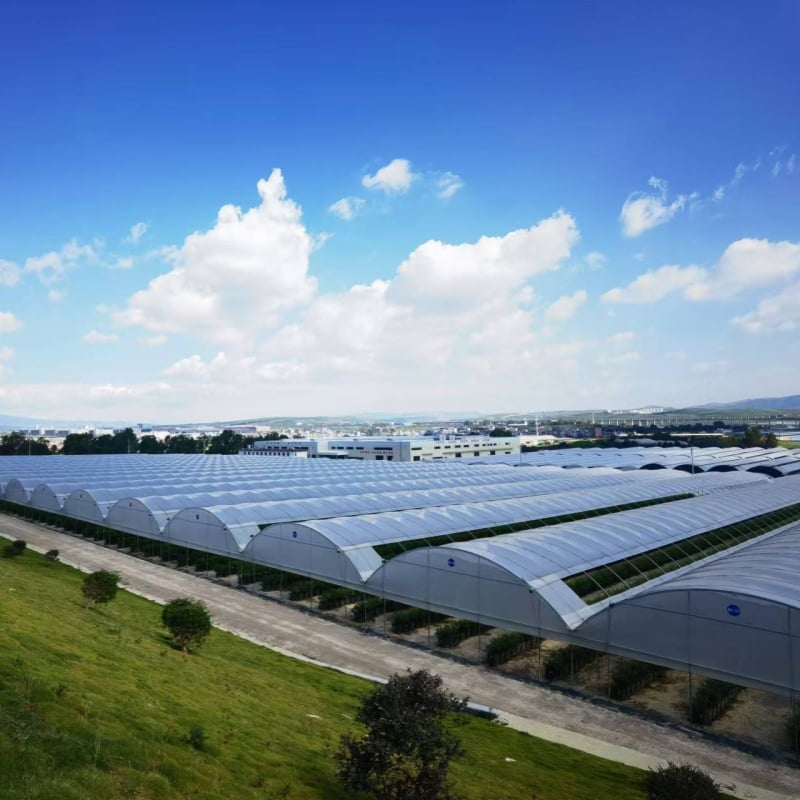
Deciding when to upgrade your greenhouse structure is a critical business decision that directly impacts crop productivity, operational efficiency, and long-term profitability. Many growers operate with outdated greenhouse structure systems that no longer meet modern agricultural demands, yet they remain uncertain about the right timing for investment. Understanding the key indicators that signal when your greenhouse structure requires upgrading helps you make informed decisions that optimize production capacity and reduce costly maintenance issues down the line.

A well-maintained greenhouse structure forms the foundation of successful commercial cultivation, yet many operations still rely on aging infrastructure that limits environmental control and operational flexibility. The decision to upgrade your greenhouse structure should be based on technical performance metrics, financial considerations, and production goals rather than arbitrary timelines. This guide walks you through the essential factors that determine whether upgrading your greenhouse structure is the right move for your operation now.
Recognizing Signs Your Greenhouse Structure Needs Upgrading
Structural Deterioration and Durability Issues
Physical degradation is often the most visible indicator that your greenhouse structure requires attention. Corrosion on metal frames, cracked or opaque glazing materials, and sagging roof sections all compromise the integrity of your greenhouse structure and reduce its ability to protect crops from external conditions. When components of your greenhouse structure show persistent wear despite regular maintenance, repair costs typically escalate, making replacement more economical than continued patching. Rust patterns, water infiltration around joints, and uneven settling suggest that your greenhouse structure has reached the end of its effective service life.
Environmental Control Limitations
Modern climate challenges demand precise environmental management that older greenhouse structure designs simply cannot deliver. If your greenhouse structure lacks adequate ventilation systems, shade integration points, or uniform temperature distribution capabilities, you cannot maintain optimal growing conditions year-round. Advanced greenhouse structure designs feature integrated climate control infrastructure, better insulation properties, and improved air circulation patterns that directly enhance crop quality and yield consistency. When environmental fluctuations damage your crops or when manual environmental management consumes excessive labor, your current greenhouse structure may be limiting profitability.
Assessing Production Capacity and Business Growth
Output Demands Exceeding Current Capacity
Growing market demand or contract requirements that exceed your current production capacity often make upgrading your greenhouse structure economically justified. An expanded greenhouse structure with modern design principles allows you to increase yield per square meter while maintaining crop quality standards. Many growers find that their existing greenhouse structure was never designed for their current production volumes or specialty crops, creating bottlenecks in workflow and environmental management. Calculating the return on investment for a new greenhouse structure based on increased production revenue provides clarity on timing and financial feasibility.
Operational Efficiency and Labor Costs
Older greenhouse structure designs often require excessive manual labor for climate management, pest control, and crop maintenance. Modern greenhouse structure systems incorporate automation-ready features, ergonomic layouts, and integrated infrastructure that dramatically reduce operational time and labor expenses. If your team spends disproportionate hours managing environmental conditions or navigating inefficient work areas, upgrading your greenhouse structure can yield substantial cost savings. Advanced greenhouse structure configurations support precision agriculture technologies like automated irrigation, climate sensors, and environmental monitoring that require modern infrastructure to function effectively.
Economic and Strategic Timing Considerations
Cost-Benefit Analysis and Financing Options
The financial viability of upgrading your greenhouse structure depends on comparing current maintenance costs against new investment expenses and projected revenue improvements. Calculate the average annual maintenance costs for your existing greenhouse structure over the past three to five years, then compare this baseline against the amortized investment cost for a new greenhouse structure system. Many agricultural lenders offer favorable financing for greenhouse structure upgrades because they recognize improved productivity and reduced operational risk. Tax incentives for agricultural infrastructure improvements may also reduce your net investment in a modern greenhouse structure.
Strategic Positioning and Market Competitiveness
Growers with modern greenhouse structure systems enjoy advantages in crop consistency, production flexibility, and market responsiveness that directly influence competitive positioning. If competitors have upgraded their greenhouse structure capabilities and are capturing market share through superior product quality or year-round availability, your operation may face declining margins without equivalent investment. Advanced greenhouse structure designs enable diversified crop production, extended growing seasons, and higher-value specialty crops that command premium prices. Upgrading your greenhouse structure positions your operation for future growth and resilience against market disruptions.
Technical Standards and Regulatory Compliance
Meeting Modern Agricultural Standards
Regulations governing food safety, environmental sustainability, and structural safety have evolved significantly in recent years. An aging greenhouse structure may not meet current standards for climate documentation, pest management records, or structural safety certifications required by major buyers or certification bodies. Many large retailers and food service operators now require certified, modern greenhouse structure systems from their suppliers as part of supply chain transparency initiatives. Upgrading to a compliant greenhouse structure demonstrates commitment to professional production standards and opens access to premium market channels.
Sustainability and Resource Efficiency
Contemporary greenhouse structure engineering prioritizes water conservation, energy efficiency, and reduced chemical inputs through superior environmental control capabilities. A new greenhouse structure typically consumes significantly less water and heating energy than older designs, reducing operational costs while supporting sustainability goals that resonate with modern buyers. If regulatory requirements mandate improvements in resource efficiency or if your operation faces rising water and energy costs, a modern greenhouse structure delivers both financial and environmental benefits. Upgrading your greenhouse structure aligns your operation with market trends toward sustainable agricultural practices.
FAQ
How often should a greenhouse structure be replaced?
A well-constructed greenhouse structure typically remains functionally viable for 15 to 25 years, depending on climate conditions, material quality, and maintenance practices. However, many growers find it economically advantageous to upgrade their greenhouse structure well before complete structural failure occurs, typically between years 10 and 15, when maintenance costs rise significantly while environmental control capabilities lag behind modern standards. The optimal timing depends on your specific business metrics rather than a universal calendar schedule.
What are the main advantages of upgrading a greenhouse structure?
Upgrading your greenhouse structure provides benefits including improved environmental control for consistent crop quality, reduced operational labor costs, increased production capacity, access to modern automation and monitoring technology, better compliance with current agricultural standards, and long-term energy and water efficiency. A modern greenhouse structure also enhances your market competitiveness and positions your operation for future growth while reducing costly emergency repairs and emergency production disruptions.
Can I partially upgrade my existing greenhouse structure instead of replacing it entirely?
Partial upgrades to specific components of your greenhouse structure, such as replacing glazing materials, upgrading ventilation systems, or adding irrigation infrastructure, can provide incremental improvements and extend the operational life of aging structures. However, piecemeal upgrades often prove less cost-effective than comprehensive replacement when the fundamental greenhouse structure design limits environmental control capabilities or cannot accommodate modern equipment integration, ultimately requiring more total investment over time.