 EN

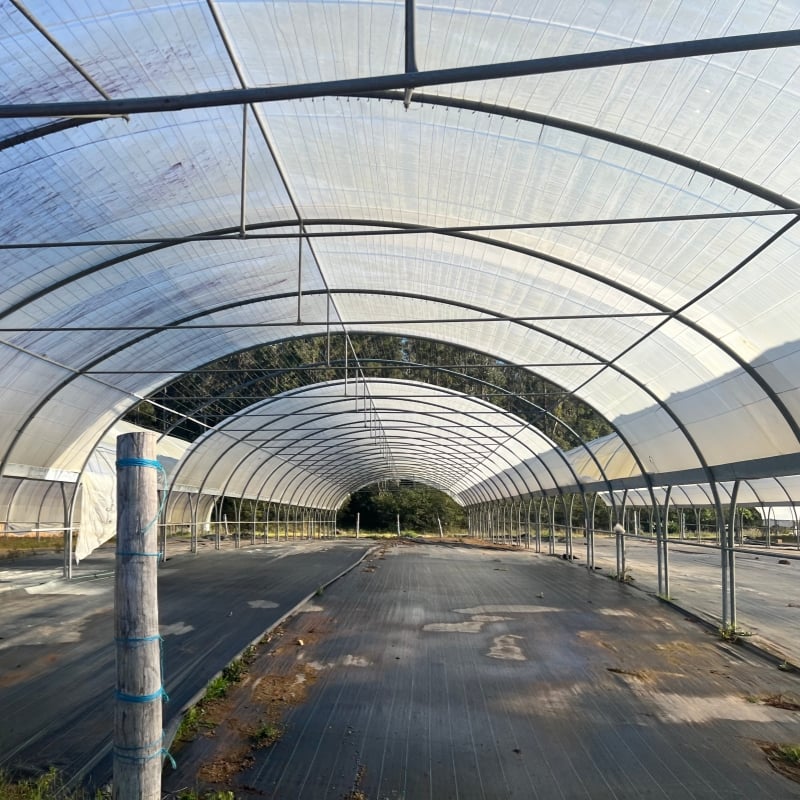
The greenhouse structure fundamentally determines how effectively plants can grow and thrive under controlled conditions. Every element of a greenhouse structure, from the framing materials to the roof angle and wall configuration, directly influences the microclimate where plants develop. Understanding these relationships helps growers optimize yields, reduce resource waste, and maintain consistent plant health across seasons.
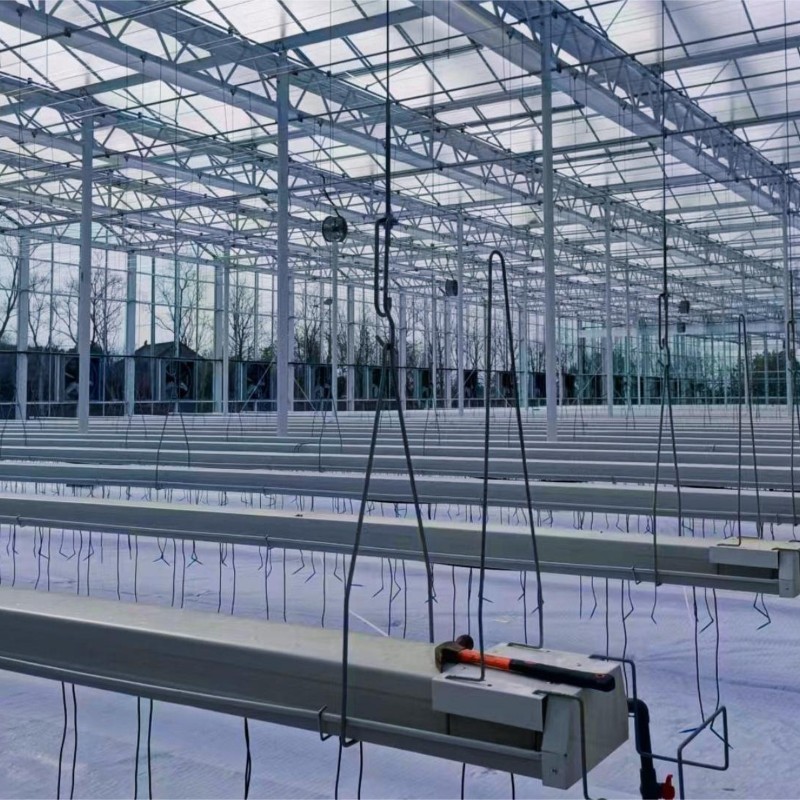
Commercial growers and research institutions recognize that greenhouse structure design operates as the foundation for all cultivation success. The physical configuration of a greenhouse structure determines light penetration, heat retention, air movement, and structural stability. Plants respond directly to these physical parameters, which means poor greenhouse structure choices cascade into stunted growth, disease susceptibility, and reduced profitability.
Light Transmission and Greenhouse Structure Design
Impact of Roof Orientation on Light Availability
The greenhouse structure roof orientation critically affects the amount and quality of light reaching plants throughout the year. In northern hemisphere operations, a greenhouse structure with a north-south ridge orientation typically captures more consistent solar radiation across seasons compared to east-west configurations. The angle of the greenhouse structure roof should typically range between 22 and 35 degrees to optimize winter light penetration while minimizing summer overheating, though this varies by latitude.
The roof pitch of your greenhouse structure also influences snow load distribution and water runoff efficiency. A steeper greenhouse structure roof angle sheds precipitation faster but may reduce winter light capture in temperate zones. Conversely, a shallow greenhouse structure pitch collects more winter sunlight but requires more robust drainage systems to prevent water pooling and algae accumulation on glazing materials.
Glazing Materials and Light Quality
The choice of glazing material for greenhouse structure walls and roof dramatically affects light transmission and spectrum distribution. Polycarbonate greenhouse structure panels typically transmit 85 to 90 percent of available light while providing excellent insulation and diffusion properties. Glass greenhouse structure materials offer superior clarity and longevity but transmit fewer diffuse light wavelengths compared to structured polycarbonate used in modern greenhouse structure designs.
The greenhouse structure glazing material also influences how direct sunlight is dispersed throughout the growing area. Structured polycarbonate in quality greenhouse structure systems scatters light more evenly, reducing hot spots and shadows that would inhibit uniform plant growth. This property of greenhouse structure materials becomes especially valuable for high-density growing operations where even light distribution translates directly into consistent crop maturity and marketable yield percentages.
Temperature Regulation Through Greenhouse Structure Configuration
Thermal Mass and Greenhouse Structure Design
The thermal properties of greenhouse structure materials determine how rapidly internal temperatures fluctuate between day and night cycles. A greenhouse structure constructed with materials offering adequate thermal mass, such as water-filled tanks or masonry components integrated into the framework, moderates temperature swings that would otherwise stress plants. Plants grow best within narrow temperature ranges, so greenhouse structure designs incorporating thermal stabilization directly improve growth consistency and reduce physiological stress.
The greenhouse structure framework material itself contributes to thermal behavior. Metal greenhouse structure frames conduct heat more efficiently than wooden frames, which can create localized cold spots in plant canopies during harsh winters. Modern greenhouse structure systems often use aluminum alloy frames combined with polycarbonate glazing to balance thermal conductivity, structural strength, and temperature regulation in the growing environment.
Ventilation and Air Movement in Greenhouse Structure
Proper greenhouse structure design must facilitate natural and mechanical air circulation to prevent humidity accumulation, temperature stratification, and disease pressure. The greenhouse structure height and width ratios influence whether convective air currents naturally promote air movement from heated zones to cooler zones. A greenhouse structure that is too narrow and tall creates dead zones where stagnant air allows pathogens like powdery mildew and gray mold to establish colonies on plant surfaces.
The greenhouse structure sidewall height affects how effectively mechanical ventilation systems function. Taller greenhouse structure sidewalls allow better installation of horizontal air-flow fans that create gentle lateral air movement across plant canopies. This greenhouse structure ventilation principle prevents condensation from accumulating on foliage and reduces fungal disease incidence by up to 40 percent in comparison to poorly ventilated greenhouse structure designs with inadequate air exchange.
Structural Strength and Growing Capability
Load-Bearing Capacity and Greenhouse Structure Durability
The greenhouse structure must support not only its own weight but also the distributed loads of plants, irrigation systems, climate control equipment, and accumulated snow or environmental pressures. A well-engineered greenhouse structure frame distributes these loads safely to foundation anchor points, preventing sag that would disrupt uniform light distribution and create weak points where moisture accumulates. Plants in greenhouses with structural deflection experience uneven growth because light planes become tilted and air circulation patterns distort around sagging framework components.
Greenhouse structure materials must resist corrosion, UV degradation, and fatigue from thermal cycling. Steel greenhouse structure frames require regular maintenance and coating renewal to prevent rust that compromises structural integrity. Aluminum greenhouse structure frameworks require less maintenance but demand careful design to prevent galvanic corrosion where dissimilar metals contact each other within the greenhouse structure assembly.
Scalability and Greenhouse Structure Optimization
The modular design of modern greenhouse structure systems allows growers to expand operations as demand and expertise grow. A greenhouse structure planned for future expansion retains consistent environmental parameters across sections, ensuring that all plants receive identical growing conditions regardless of which greenhouse structure module they occupy. This scalability principle maintains crop uniformity and allows growers to implement proven greenhouse structure configurations across larger cultivation areas without redesign complications.
The size of the greenhouse structure directly impacts operational efficiency and plant growth outcomes. Larger greenhouse structure footprints reduce the perimeter-to-volume ratio, which decreases heat loss during cold seasons and improves climate stability. A greenhouse structure that is too small experiences rapid temperature swings that stress plants, while a greenhouse structure that is oversized creates management challenges in maintaining consistent microclimates and increases initial capital investment for climate control infrastructure.
FAQ
How does greenhouse structure design influence irrigation requirements?
The greenhouse structure configuration affects humidity levels and evapotranspiration rates, which directly impact how much water plants require. A greenhouse structure with poor air circulation retains excessive moisture, potentially creating fungal issues, while an efficiently designed greenhouse structure with proper ventilation allows controlled evaporation. The greenhouse structure slope and drainage system also determine how efficiently water flows through the growing media without creating waterlogging conditions that harm root development.
Can greenhouse structure modifications improve energy efficiency?
Yes, upgrading greenhouse structure components significantly reduces heating and cooling costs. Installing double-layer polycarbonate instead of single-layer glazing in your greenhouse structure improves insulation values and reduces heat loss by up to 50 percent. Adding reflective interior screens and improving greenhouse structure sealing also prevents conditioned air from escaping, which directly reduces energy consumption and operational expenses while maintaining optimal growing temperatures for plant health.
What greenhouse structure characteristics support high-density planting?
A properly designed greenhouse structure for intensive cultivation requires vertical growing capacity, excellent light distribution, and superior climate control. The greenhouse structure sidewall height must accommodate vertical racking systems without creating shading, while the greenhouse structure ventilation system must deliver adequate air circulation to all plant levels. The greenhouse structure configuration should include overhead irrigation capability and pathways that allow easy access for crop monitoring and harvesting without disturbing adjacent plants.