 EN

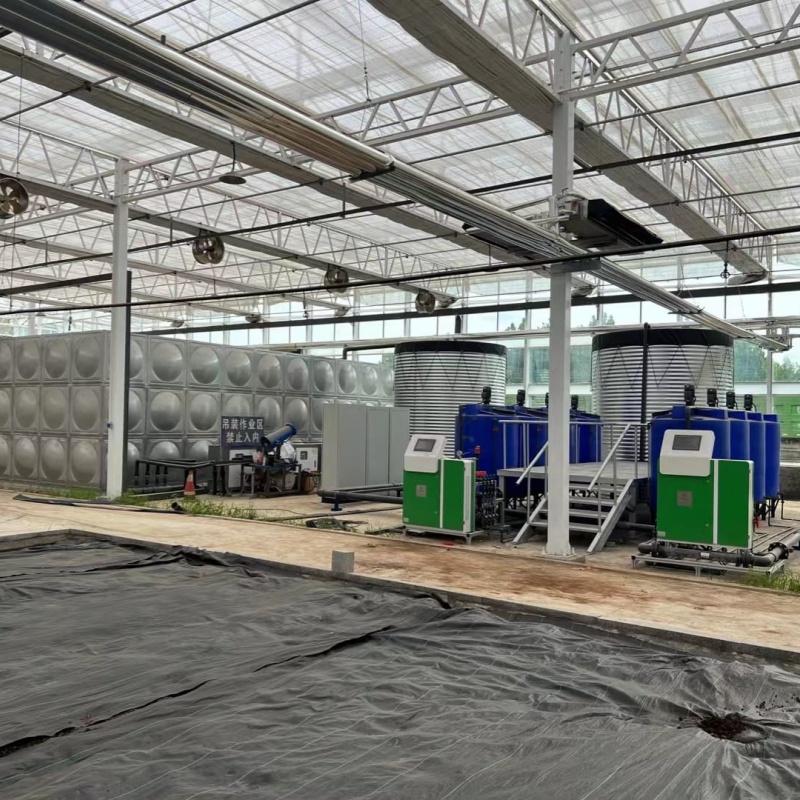
A plant greenhouse creates an optimized environment that fundamentally changes how plants develop, thrive, and produce. When you understand why plants grow better in a plant greenhouse setting, you gain insight into the precise conditions that accelerate growth, reduce disease risk, and maximize yields. The plant greenhouse principle centers on controlling variables that nature leaves unpredictable outdoors, allowing growers to replicate ideal conditions year-round. Whether you manage commercial operations or cultivate a personal garden, recognizing the advantages of a plant greenhouse environment transforms your approach to cultivation.
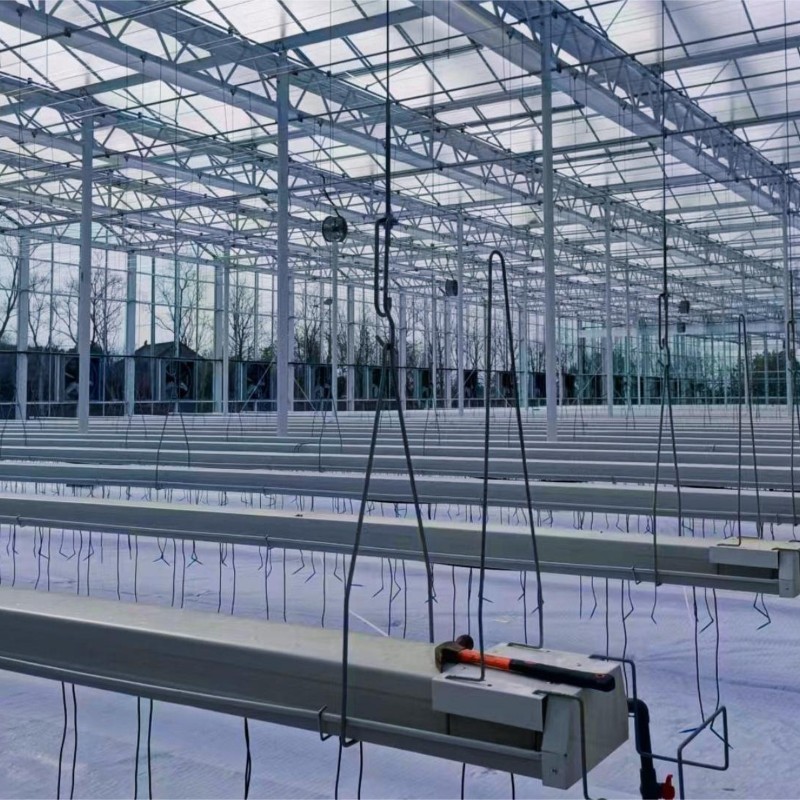
The performance difference between outdoor cultivation and a plant greenhouse stems from environmental consistency. In outdoor settings, plants contend with unpredictable temperature swings, variable rainfall, inconsistent sunlight, pest pressures, and seasonal limitations. A plant greenhouse eliminates these stressors by providing stable conditions that allow plants to direct energy toward growth rather than survival. This controlled approach has made plant greenhouse cultivation the standard in commercial agriculture, specialty horticulture, and food production globally.
Temperature Stability and Growth Acceleration
How Plant Greenhouse Temperature Control Enhances Development
Temperature is the primary driver of metabolic processes in plants. A plant greenhouse maintains consistent temperatures through thermal mass, insulation, and ventilation systems that prevent the dramatic daily and seasonal fluctuations that occur outdoors. When plants experience stable temperatures within their optimal range, enzymatic reactions proceed efficiently, nutrient uptake accelerates, and cell division increases. This temperature consistency in a plant greenhouse directly translates to faster growth rates compared to outdoor environments where temperature stress frequently interrupts development cycles.
The plant greenhouse advantage becomes particularly pronounced during shoulder seasons and winter months when outdoor temperatures drop below growth thresholds. Heating systems maintain the plant greenhouse environment at temperatures where photosynthesis and growth continue productively. Extension of the growing season in a plant greenhouse can increase annual production by 30 to 50 percent compared to traditional outdoor farming. Plants grown in a plant greenhouse avoid the energy expenditure required for survival in temperature extremes, allowing them to allocate more resources to biomass accumulation and fruit or flower production.
Frost Protection and Year-Round Production
Frost damage eliminates outdoor crops instantly, but a plant greenhouse provides absolute protection against freezing temperatures. This capability allows growers to produce crops during months when outdoor production is impossible. A plant greenhouse extends growing seasons by weeks or months on both ends, dramatically improving economic viability. For sensitive species like tomatoes, peppers, strawberries, and flowers, the ability to operate a plant greenhouse through winter months means continuous market supply and premium pricing for off-season produce.
Humidity and Moisture Management in Plant Greenhouse Systems
Optimizing Plant Greenhouse Humidity Levels
Plant cells require consistent moisture availability for optimal growth, yet outdoor moisture varies with weather patterns. A plant greenhouse allows precise control of humidity levels through ventilation, misting systems, and irrigation timing. When humidity in a plant greenhouse matches species requirements, plants experience reduced transpiration stress and improved nutrient uptake through roots. The plant greenhouse environment prevents the moisture extremes that cause wilting, cracking, and stunted development. Maintaining 60 to 80 percent humidity in a plant greenhouse creates ideal conditions where plants remain turgid and metabolically active throughout the day.
Consistent moisture availability in a plant greenhouse eliminates the stress-induced production of compounds that reduce growth rate and quality. Plants grown in a plant greenhouse without moisture fluctuations develop uniform size, color, and flavor characteristics that exceed outdoor-grown produce. Commercial growers favor a plant greenhouse specifically because humidity control eliminates crop variability while improving marketability and shelf life of harvested products.
Irrigation Precision in Plant Greenhouse Operations
A plant greenhouse enables irrigation systems that deliver exact water quantities directly to root zones, eliminating waste and optimizing absorption. Drip irrigation systems commonly used in a plant greenhouse reduce water consumption by 50 percent compared to overhead watering while improving plant performance. The plant greenhouse approach to water delivery prevents leaf wetness that encourages fungal diseases, a significant advantage over outdoor rainfall irrigation. Automated irrigation in a plant greenhouse ensures plants receive water on optimal schedules determined by growth stage rather than weather forecasts, resulting in superior development.
Light Management and Enhanced Photosynthetic Efficiency
How Plant Greenhouse Light Control Maximizes Growth
Light is the energy source for photosynthesis, yet outdoor light availability varies with season, time of day, and weather. A plant greenhouse optimizes light through transparent glazing that transmits solar radiation while diffusing it to reach all plant surfaces. The plant greenhouse design ensures that light reaches lower leaves and interior canopy areas that would remain shaded in outdoor fields. This comprehensive light penetration throughout the plant greenhouse significantly increases photosynthetic output compared to outdoor environments where internal plant structures remain shadowed.
The plant greenhouse advantage extends further when growers supplement natural light with grow lights during short winter days or for species with high light demands. A plant greenhouse equipped with LED supplemental lighting can achieve consistent daily light integrals that optimize photosynthesis regardless of outdoor weather. Plants in a plant greenhouse receiving optimized light develop stronger chlorophyll concentrations, accelerate growth rates, and produce earlier flowering and fruiting than outdoor-grown counterparts. This photosynthetic enhancement in a plant greenhouse is one of the most economically significant advantages for commercial producers.
Light Duration Extension Through Plant Greenhouse Technology
Many flowering and fruiting plants respond to photoperiod length, making light duration control a critical plant greenhouse feature. A plant greenhouse allows growers to extend or reduce perceived day length through supplemental lighting or shade systems, triggering reproductive development at precisely timed intervals. This photoperiod manipulation in a plant greenhouse enables year-round flowering of species that would naturally flower only seasonally outdoors. Growers leverage this plant greenhouse capability to supply flowers, fruits, and vegetables during high-value market windows when outdoor production cannot occur.
Disease and Pest Control Benefits of Plant Greenhouse Cultivation
Protected Environment Reduces Plant Pathogen Exposure
Outdoor plants face constant disease pressure from pathogens carried by wind, water, insects, and wildlife. A plant greenhouse physically separates plants from external disease vectors, creating a sanitized growing environment. The plant greenhouse barrier dramatically reduces fungal spore inoculum that causes leaf spots, powdery mildew, and blights. Additionally, the controlled humidity and air circulation in a plant greenhouse prevent the leaf wetness periods that trigger many fungal infections. Growers operating a plant greenhouse typically experience 70 to 90 percent fewer disease incidents compared to outdoor cultivation, substantially reducing pesticide dependency and crop losses.
The plant greenhouse approach to disease management extends crop lifespan and improves product quality significantly. Plants grown in a plant greenhouse develop with clean foliage unblemished by disease spots or pest damage, commanding premium market prices. This health advantage of a plant greenhouse cultivation method creates direct economic returns beyond improved growth rates.
Integrated Pest Management in Plant Greenhouse Settings
A plant greenhouse excludes many outdoor insects and predators that damage plants. The physical containment of a plant greenhouse allows growers to deploy beneficial insects, pheromone traps, and targeted treatments without affecting surrounding ecosystems. This controlled approach to pest management within a plant greenhouse reduces pesticide applications by 80 to 95 percent compared to outdoor farming. Growers maintaining a plant greenhouse with screened ventilation and sealed entries virtually eliminate entry points for destructive insects while maintaining thriving plant populations. The plant greenhouse investment in exclusion infrastructure pays dividends through reduced chemical inputs and improved product safety for consumers.
FAQ
Does growing a plant greenhouse setup cost more than outdoor farming?
Initial plant greenhouse construction requires significant capital investment for structures, climate control systems, and irrigation infrastructure. However, plant greenhouse growers typically recover these costs through increased yields, extended growing seasons, premium product prices, and dramatically reduced crop losses. Over a ten-year period, plant greenhouse operations usually demonstrate superior financial returns compared to outdoor farming once you account for disease losses, pest damage, and seasonal production gaps that outdoor systems cannot avoid.
What crops benefit most from plant greenhouse growing?
High-value crops like tomatoes, peppers, strawberries, cucumbers, and flowers show the most dramatic plant greenhouse advantages because price premiums easily justify the infrastructure investment. However, nearly all plants grow better and produce higher quality in a plant greenhouse environment when you manage conditions appropriately. Leafy greens, herbs, ornamentals, and specialty vegetables all demonstrate improved growth rates and extended production seasons within a plant greenhouse system, making this method universally beneficial across crop types.
Can a plant greenhouse operate successfully without automated systems?
Manual management of a plant greenhouse is possible for small-scale operations but becomes impractical for commercial production. Automated climate control, irrigation, and ventilation systems in a plant greenhouse ensure consistent conditions that manual management cannot reliably achieve. The plant greenhouse technology investment in automation directly enables the growth acceleration and quality improvements that make this cultivation method economically superior to outdoor approaches.