 EN

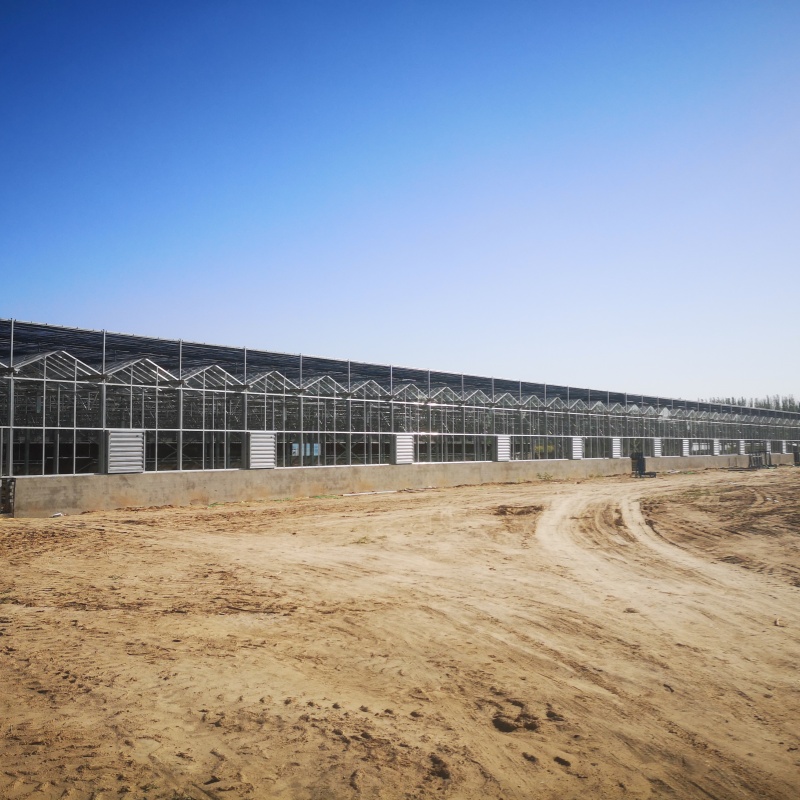
Selecting the right plant greenhouse for vegetables is one of the most critical decisions you will make as a grower. A well-chosen plant greenhouse directly impacts crop yield, quality, and your operational efficiency. Whether you are a commercial farmer or a home gardener, the plant greenhouse you select must align with your climate zone, available space, budget, and production goals. This guide walks you through the essential factors that determine whether a plant greenhouse is the right fit for your vegetable farming operation.
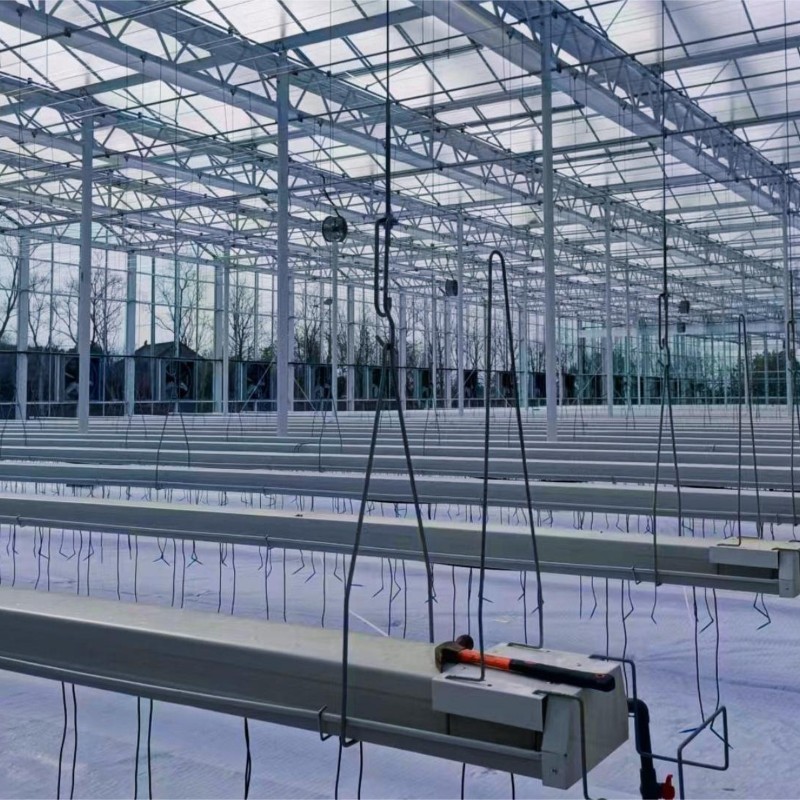
The plant greenhouse market offers diverse designs, materials, and price points. Understanding the differences between these options helps you avoid costly mistakes and ensures your investment delivers consistent results year after year. A plant greenhouse tailored to your specific needs becomes a productive asset, not just a structure. This article breaks down the decision-making process into actionable criteria so you can confidently choose a plant greenhouse that matches your requirements.
Understanding Plant Greenhouse Types and Materials
Frame and Structure Materials for Your Plant Greenhouse
The structural material of your plant greenhouse determines its durability, maintenance requirements, and long-term cost of ownership. The most common options include aluminum, steel, wood, and PVC. Aluminum is lightweight, corrosion-resistant, and requires minimal maintenance, making it ideal for most plant greenhouse applications. Steel offers superior strength and is often chosen for large-scale plant greenhouse operations, though it requires regular maintenance to prevent rust. Many growers prefer a plant greenhouse with aluminum framing because it balances strength, longevity, and affordability without the ongoing maintenance burden of steel.
The covering material of your plant greenhouse is equally important. Polycarbonate is popular because it diffuses light evenly, insulates well, and resists impact damage better than glass. Glass provides superior clarity and light transmission, preferred by growers who prioritize precise light management in their plant greenhouse. Polyfilm is the budget option but requires replacement every few years. For a plant greenhouse serving vegetable production, polycarbonate typically offers the best balance between light transmission, insulation, durability, and cost.
Comparing Greenhouse Styles and Configurations
Different plant greenhouse designs serve different production scales and environments. The gable or hoop style plant greenhouse is the most common configuration for both commercial and residential use. This design sheds water effectively, maximizes interior height, and allows for natural ventilation along the ridge. A lean-to plant greenhouse, attached to an existing structure, saves space and construction costs but limits internal volume. The A-frame plant greenhouse offers compact footprint with easy drainage. When choosing a plant greenhouse style, consider your site layout, prevailing wind direction, and how the plant greenhouse integrates with your existing infrastructure.
Climate Control and Growing Conditions in Your Plant Greenhouse
Temperature Management Inside a Plant Greenhouse
Temperature stability is fundamental to crop success in any plant greenhouse. Most vegetables thrive between 65 and 75 degrees Fahrenheit during the day and 55 to 65 degrees at night. Your plant greenhouse must minimize temperature swings that stress plants and reduce yields. Thermal mass—such as water tanks or stone inside the plant greenhouse—absorbs heat during the day and releases it at night, stabilizing the microclimate. For colder climates, insulation and heating systems become essential additions to your plant greenhouse. A well-designed plant greenhouse reduces your heating load and maintains consistent conditions that support vigorous growth and disease prevention.
Ventilation and Humidity Control
Adequate air circulation prevents fungal diseases and maintains healthy plant greenhouse conditions. Humidity levels between 50 and 70 percent are ideal for most vegetables grown in a plant greenhouse. Excessive humidity in a plant greenhouse encourages powdery mildew, damping off, and botrytis, which devastate crops. Natural ventilation through roof vents and side openings is the most cost-effective approach for a plant greenhouse, particularly in moderate climates. In high-humidity regions, mechanical ventilation or exhaust fans are necessary additions to your plant greenhouse. The plant greenhouse you choose must include sufficient vent area and positioning to enable cross-air movement without creating cold drafts that damage tender seedlings.
Sizing and Layout Considerations for Your Plant Greenhouse
Determining the Right Plant Greenhouse Dimensions
Size selection for a plant greenhouse depends on your production volume, available land, and budget constraints. A small hobby plant greenhouse might range from 100 to 200 square feet, suitable for a family producing fresh vegetables for their own use. A mid-scale commercial plant greenhouse typically spans 1,000 to 5,000 square feet and serves direct-to-consumer markets. Large commercial operations deploy plant greenhouse structures exceeding 10,000 square feet. When sizing your plant greenhouse, factor in not just growing beds but also walking space, tool storage, potting benches, and equipment zones. An undersized plant greenhouse limits production and creates cramped working conditions. An oversized plant greenhouse wastes resources on heating, cooling, and maintenance. The right plant greenhouse size balances your production goals with practical operational constraints.
Layout and Accessibility Inside the Plant Greenhouse
Interior plant greenhouse layout directly affects labor efficiency and plant health. Growing beds should align with natural light patterns and ventilation paths within the plant greenhouse. A plant greenhouse with north-south orientation maximizes light penetration for most temperate locations. Wide aisles in your plant greenhouse—at least three feet—allow comfortable movement, reduce pest disease spread by reducing worker contact with foliage, and enable equipment passage. Benches at waist height in the plant greenhouse reduce bending fatigue and improve visibility for pest monitoring. Proximity to water sources minimizes the distance for irrigation in your plant greenhouse. A well-planned plant greenhouse layout becomes more productive and enjoyable to work in, encouraging consistent crop care and observation.
Irrigation and Supplemental Systems for Plant Greenhouse Success
Watering Systems and Water Management
Water delivery in a plant greenhouse directly impacts vegetable quality and yield. Drip irrigation systems are standard in modern plant greenhouse operations because they deliver water directly to the root zone, reducing disease pressure and water waste. A plant greenhouse with drip lines allows precise scheduling and reduces foliar wetness that encourages fungal infections. Overhead irrigation in a plant greenhouse serves seedlings and propagation but increases disease risk in mature crops. For a plant greenhouse serving vegetable production, a combination approach—drip for main crops and overhead for propagation areas—provides flexibility. Water quality, pH, and nutrient content matter significantly inside a plant greenhouse. Many growers in a plant greenhouse collect rainwater or install filtration to ensure consistent water quality throughout the growing season.
Supplemental Lighting and Shade Systems
Light availability inside a plant greenhouse varies by geography and season. In northern climates, supplemental grow lights extend the growing season and boost winter production in your plant greenhouse. High-intensity discharge or LED systems are now standard in commercial plant greenhouse operations. Conversely, in hot climates, shade systems inside the plant greenhouse prevent excessive heat buildup and crop stress. Automated shade cloths deploy based on light intensity sensors in your plant greenhouse, maintaining optimal conditions. A plant greenhouse in a sunny region benefits enormously from retractable shade systems that protect summer crops while allowing full light penetration in spring and fall. These systems add cost but dramatically improve product quality and reduce temperature management challenges in the plant greenhouse.
Budget, Durability, and Long-Term Value of Your Plant Greenhouse
Initial Investment Versus Long-Term Operating Costs
The total cost of ownership for a plant greenhouse extends far beyond the initial purchase price. A budget plant greenhouse may cost less upfront but incur higher heating and cooling expenses due to poor insulation, plus frequent repair and replacement needs. A premium plant greenhouse with excellent materials and insulation costs more initially but delivers lower operating costs, fewer repairs, and higher crop yields. Calculate your plant greenhouse payback period by comparing the price difference to expected energy savings and increased production revenue. A plant greenhouse that reduces heating costs by 30 percent in a cold climate may pay for itself within three to five years through operational savings alone. Quality construction in your plant greenhouse extends the useful life to 20 to 30 years, making premium options cost-effective over the long term.
Warranty, Maintenance, and Support Considerations
Reputable manufacturers back their plant greenhouse products with meaningful warranties and available support. A plant greenhouse warranty should cover frame integrity for 10 to 25 years and covering materials for 5 to 10 years. Regular maintenance extends the lifespan of your plant greenhouse significantly. Cleaning gutters, inspecting seals, and treating wood components keeps the plant greenhouse functioning optimally. Accessibility to replacement parts and service support should influence your plant greenhouse decision, especially for systems like motorized vents or heating equipment. Choosing a plant greenhouse from an established supplier with local service availability provides peace of mind and faster problem resolution when issues arise.
FAQ
What size plant greenhouse do I need for vegetable gardening?
The ideal size depends on your production goals and available space. A hobby gardener often finds 100 to 300 square feet sufficient for year-round fresh vegetables. Commercial growers typically operate a plant greenhouse of 2,000 to 10,000 square feet or larger. Start by calculating your desired annual harvest volume, then work backward to determine the plant greenhouse dimensions needed to achieve that production. Consider growth cycles—if you rotate crops every six to eight weeks, a smaller plant greenhouse can produce more total volume annually. A plant greenhouse should feel spacious enough to work comfortably and accommodate future expansion if you decide to scale up production.
Which covering material is best for a vegetable plant greenhouse?
Polycarbonate is the most popular choice for vegetable production because it balances light transmission, insulation, impact resistance, and cost. Polycarbonate provides excellent diffusion that reduces hot spots inside the plant greenhouse while retaining heat on cold nights. Twin-wall polycarbonate offers better insulation than single-wall for climates with significant temperature swings. Glass delivers superior light clarity if you prioritize maximum light transmission in your plant greenhouse, though it breaks more easily and costs more to replace. Polyfilm is budget-friendly but requires annual replacement and provides minimal insulation, making it suitable only for temporary seasonal plant greenhouse use. For most vegetable growers, polycarbonate represents the optimal balance for a plant greenhouse.
How do I control temperature and humidity in a plant greenhouse?
Proper ventilation is the foundation of climate control in any plant greenhouse. Install roof vents and side louvers that open automatically when interior temperature exceeds your setpoint inside the plant greenhouse. Add shade cloth in summer to reduce heat gain in the plant greenhouse during peak sun hours. In cold climates, insulation and heating systems become necessary to maintain minimum temperatures in your plant greenhouse throughout winter. Humidity management requires air circulation from fans and strategic opening of plant greenhouse vents, especially in early morning when condensation forms. Many commercial growers use automated climate controllers that manage plant greenhouse vents, heaters, and cooling systems based on real-time temperature and humidity readings, ensuring optimal conditions for vegetable growth.
Table of Contents
- Understanding Plant Greenhouse Types and Materials
- Climate Control and Growing Conditions in Your Plant Greenhouse
- Sizing and Layout Considerations for Your Plant Greenhouse
- Irrigation and Supplemental Systems for Plant Greenhouse Success
- Budget, Durability, and Long-Term Value of Your Plant Greenhouse
- FAQ