Professional Nursery Greenhouse Structure Solutions - Advanced Growing Systems

Welcome To JYXD-greenhouse

Get a Free Quote

Our representative will contact you soon.
Email
Tel or Whatsapp
Name
Company Name
Message
0/1000

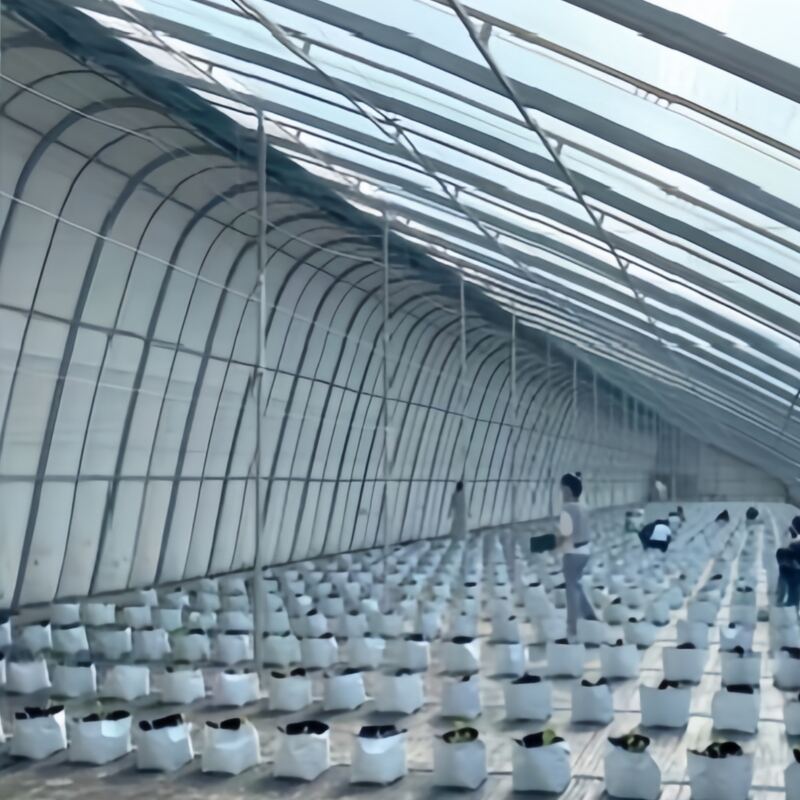
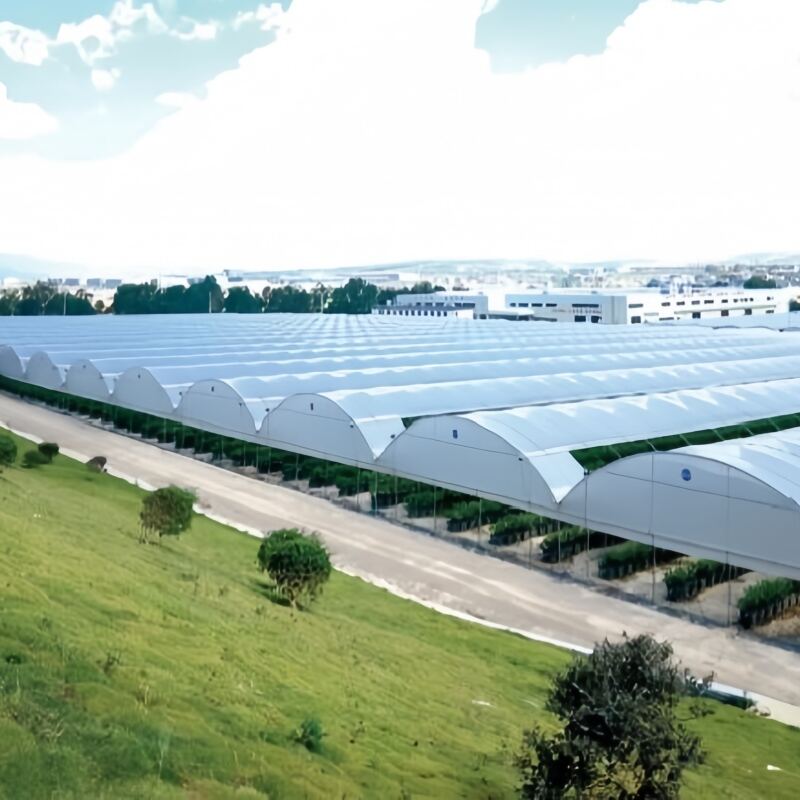
nursery greenhouse structure

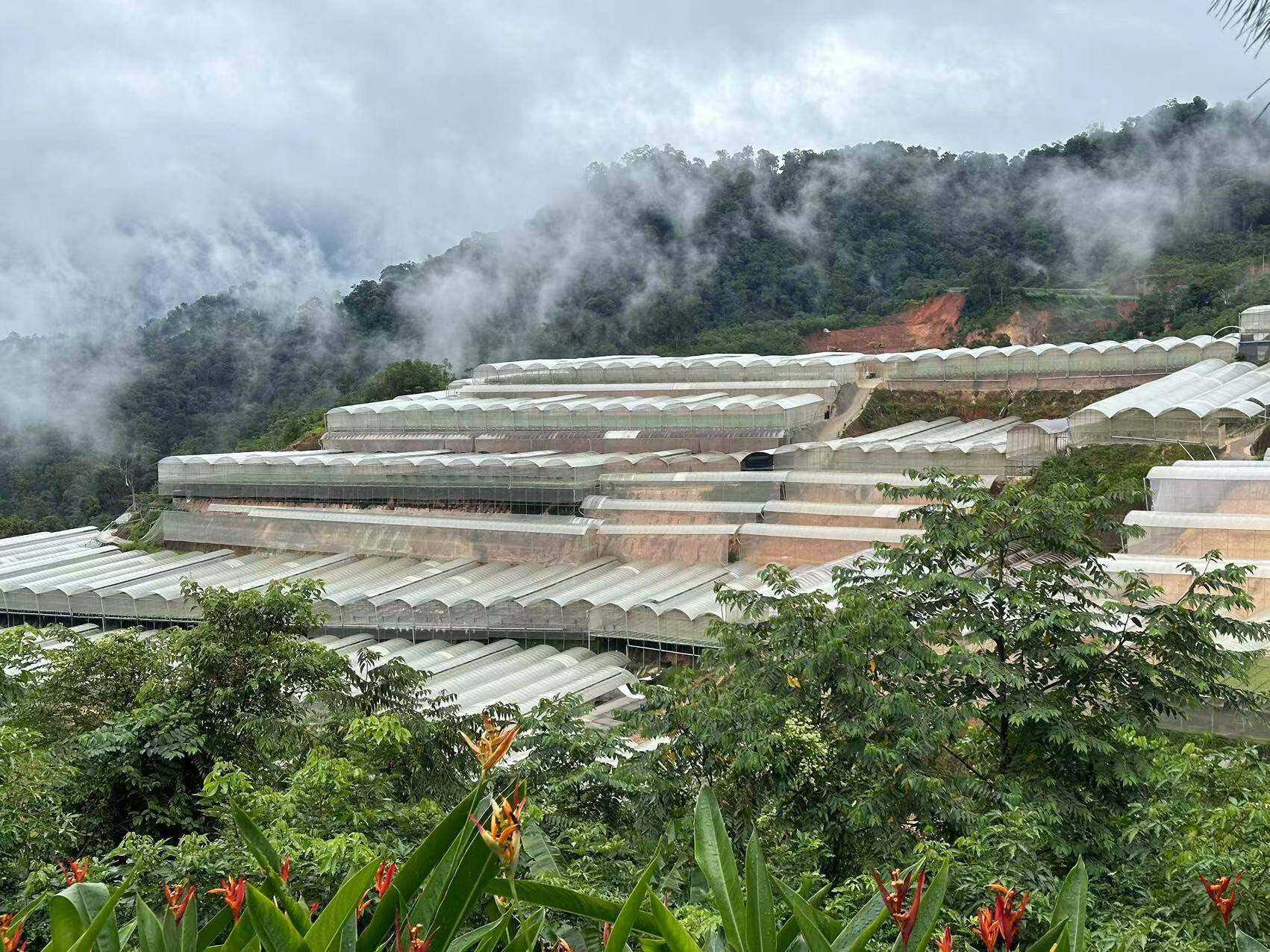
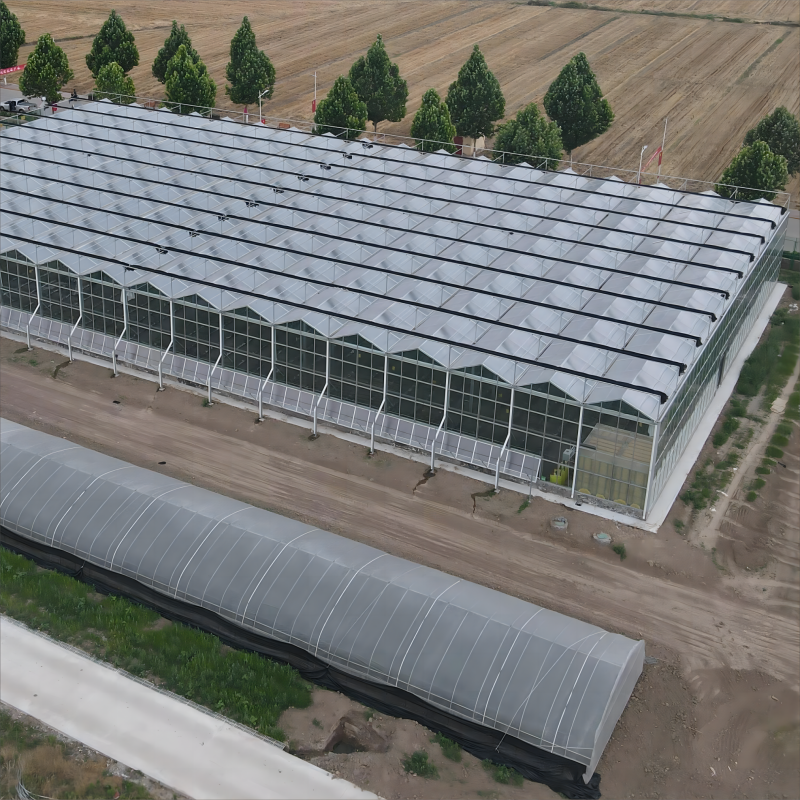
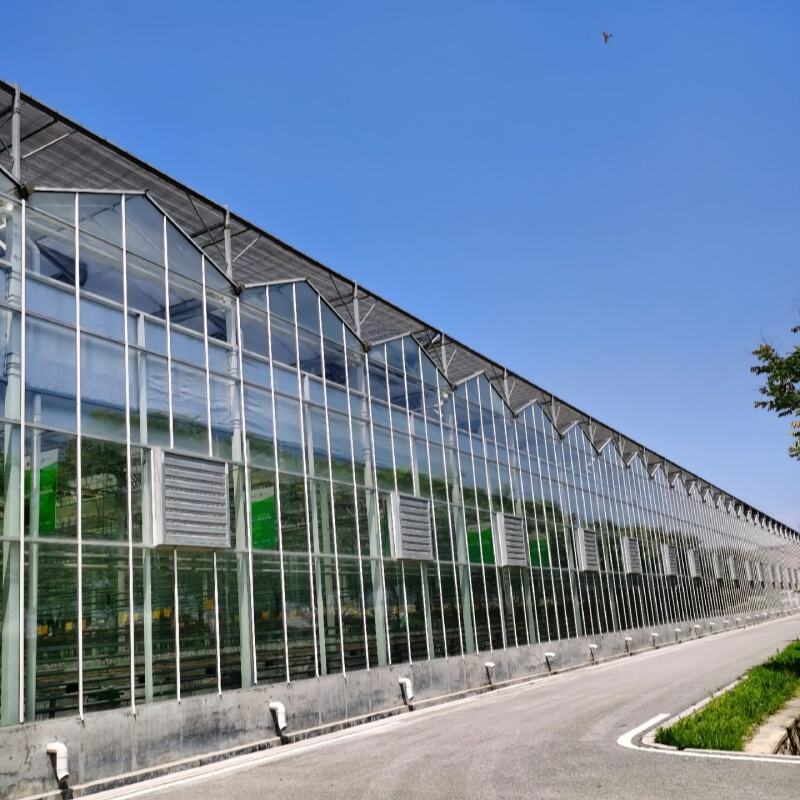
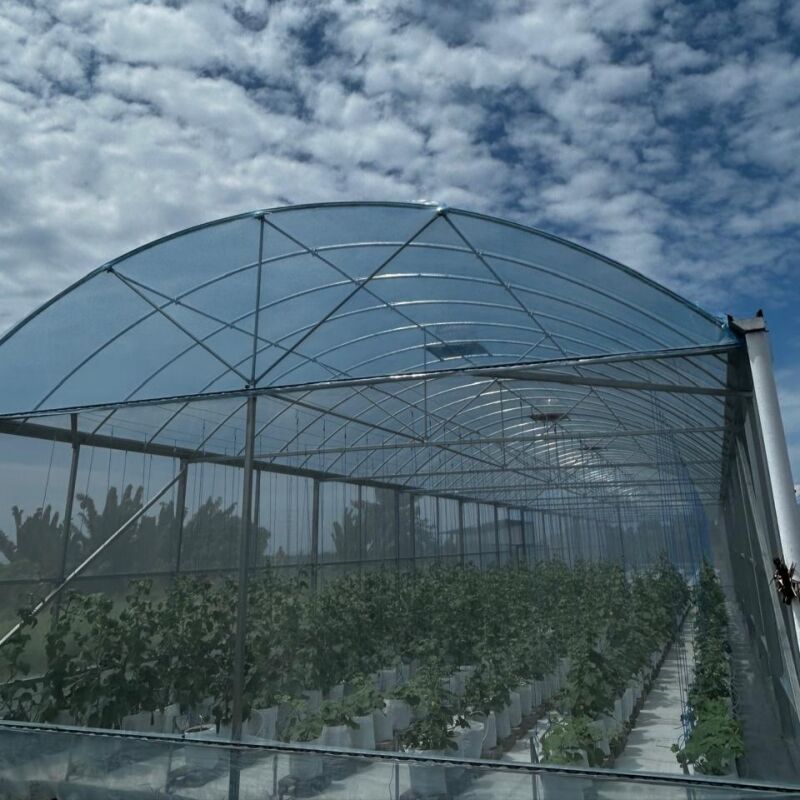
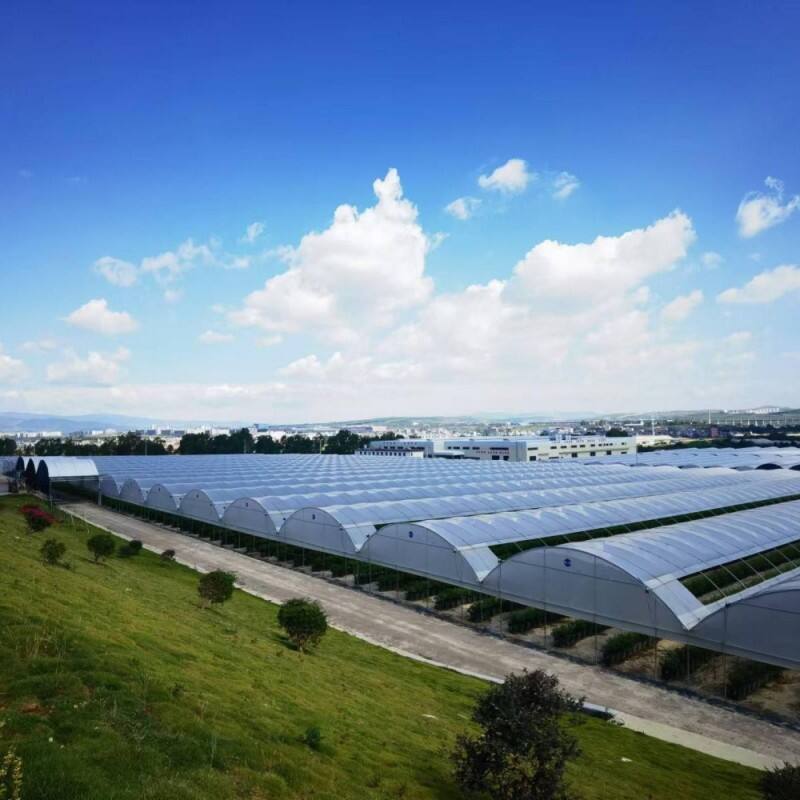
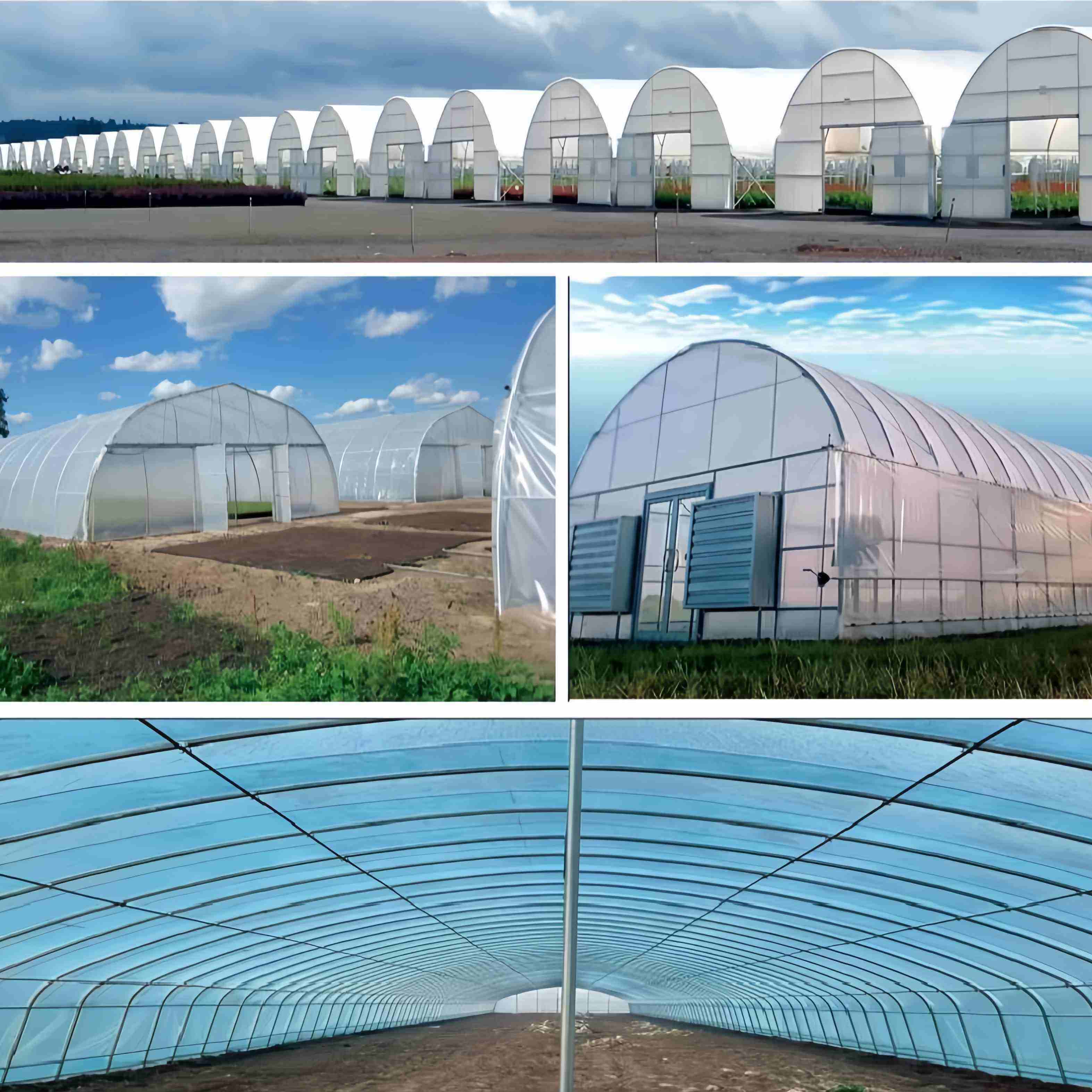
A nursery greenhouse structure represents a sophisticated agricultural facility specifically designed to optimize plant propagation and early-stage cultivation. This controlled environment system combines advanced engineering principles with horticultural expertise to create ideal conditions for seedling development, cutting propagation, and young plant establishment. The primary framework typically consists of galvanized steel or aluminum components that provide exceptional durability while maintaining structural integrity under various weather conditions. The covering materials range from traditional glass panels to modern polycarbonate sheets and specialized greenhouse films, each offering distinct advantages in terms of light transmission, insulation properties, and cost-effectiveness. Modern nursery greenhouse structures incorporate multiple climate control systems including automated ventilation mechanisms, heating units, cooling systems, and humidity regulation equipment. These facilities feature sophisticated irrigation networks with misting systems, drip irrigation, and overhead sprinklers that deliver precise water management tailored to specific plant requirements. The internal layout maximizes space utilization through adjustable benching systems, hanging basket arrangements, and vertical growing solutions that accommodate diverse plant varieties and growth stages. Advanced nursery greenhouse structures integrate environmental monitoring systems that continuously track temperature, humidity, light levels, and soil moisture content, providing real-time data for optimal crop management. The technological integration extends to automated shade systems, supplemental lighting fixtures, and computerized control panels that enable precise environmental manipulation. These structures serve multiple applications including commercial plant production, research facilities, educational institutions, and specialized breeding programs. The design flexibility allows customization for specific crops such as ornamental plants, vegetables, herbs, or tree seedlings, with specialized features like propagation chambers, hardening areas, and quarantine sections enhancing operational efficiency and plant quality outcomes.

New Product Recommendations

Nursery greenhouse structures deliver remarkable advantages that transform plant cultivation from unpredictable outdoor farming to precise, controlled production systems. These facilities extend growing seasons dramatically, enabling year-round plant production regardless of external weather conditions or seasonal limitations. This capability allows growers to meet market demands consistently while maximizing revenue potential through continuous harvesting cycles. The controlled environment eliminates weather-related crop losses from storms, frost, excessive heat, or drought conditions that frequently devastate outdoor plantings. Protection from these natural disasters ensures reliable crop yields and reduces financial risks associated with unpredictable weather patterns. Enhanced plant quality represents another significant benefit of nursery greenhouse structures, as controlled conditions promote uniform growth, superior color development, and stronger root systems compared to field-grown specimens. The absence of wind damage, hail impact, and extreme temperature fluctuations results in pristine plant appearance that commands premium market prices. Pest and disease management becomes dramatically more effective within enclosed nursery greenhouse structures where barriers prevent external contamination and controlled access points limit pathogen introduction. This containment reduces pesticide requirements, promotes organic growing practices, and ensures healthier plants with reduced chemical residues. Water conservation achieves exceptional efficiency through precise irrigation systems that eliminate runoff and target specific plant needs, reducing water consumption by up to sixty percent compared to traditional field cultivation. Labor efficiency improves substantially as workers operate in comfortable conditions with organized layouts that streamline daily maintenance tasks, transplanting operations, and harvest activities. The ergonomic design reduces physical strain while increasing productivity through optimized workflow patterns and mechanization opportunities. Energy efficiency in modern nursery greenhouse structures incorporates sustainable technologies including solar panels, thermal mass systems, and heat recovery mechanisms that reduce operational costs while maintaining optimal growing conditions. Marketing advantages emerge as nursery greenhouse structures enable production timing that aligns with peak demand periods, allowing growers to capture premium pricing during holidays, planting seasons, and special events when outdoor production cannot meet market requirements.

Latest News

Forging a Powerful Alliance: Netafim and Juyou Xinda Unite to Reshape the Future of Smart Agriculture

28

Nov

Forging a Powerful Alliance: Netafim and Juyou Xinda Unite to Reshape the Future of Smart Agriculture

View More
Australian Greenhouse Company Visits Our Facilities to Explore New Collaboration on 50,000 Sq.m Strawberry Glass Greenhouse Project

28

Nov

Australian Greenhouse Company Visits Our Facilities to Explore New Collaboration on 50,000 Sq.m Strawberry Glass Greenhouse Project

View More
 Innovative Breakthrough: Our Company Successfully Delivers World's First Customized

28

Nov

Innovative Breakthrough: Our Company Successfully Delivers World's First Customized "Greenhouse for Fertilizer Drying" to Malaysian Client

View More

Get a Free Quote

Our representative will contact you soon.
Email
Tel or Whatsapp
Name
Company Name
Message
0/1000

nursery greenhouse structure

Advanced Climate Control Technology

Advanced Climate Control Technology

The sophisticated climate control systems integrated within modern nursery greenhouse structures represent the pinnacle of agricultural technology, delivering unprecedented precision in environmental management. These comprehensive systems incorporate multiple sensors strategically positioned throughout the facility to monitor temperature variations, humidity levels, carbon dioxide concentrations, and light intensity measurements in real-time. The automated response mechanisms adjust heating, cooling, and ventilation systems instantly to maintain optimal growing conditions for specific plant species and growth stages. Advanced nursery greenhouse structures feature computerized control panels that allow operators to program customized environmental profiles for different crops, automatically transitioning between day and night cycles while accommodating seasonal variations. The ventilation systems include ridge vents, side vents, and exhaust fans that work in coordination to maintain proper air circulation and temperature regulation without creating harmful drafts or temperature fluctuations. Heating systems utilize energy-efficient boilers, radiant heating, and thermal screens that provide uniform temperature distribution while minimizing energy consumption through zone-specific control capabilities. Cooling mechanisms incorporate evaporative cooling pads, misting systems, and shade curtains that prevent overheating during peak summer conditions while maintaining appropriate humidity levels for optimal plant health. The integration of supplemental lighting systems with LED technology ensures consistent photosynthetic activity regardless of external light conditions, extending productive hours and accelerating growth cycles. These climate control features enable nursery greenhouse structures to create micro-climates that replicate native growing conditions for exotic species or optimize environments for maximum yield potential. The precision control capabilities reduce plant stress, minimize disease pressure, and ensure consistent quality outcomes that meet commercial production standards while reducing labor requirements for manual environmental adjustments.
Structural Engineering Excellence

Structural Engineering Excellence

The engineering excellence of nursery greenhouse structures combines innovative design principles with proven construction techniques to deliver facilities that withstand decades of intensive agricultural use while maintaining optimal growing conditions. The foundation systems incorporate reinforced concrete footings and proper drainage infrastructure that prevents settling and provides stable support for the entire superstructure. The primary framing utilizes high-strength galvanized steel or powder-coated aluminum components that resist corrosion while providing exceptional load-bearing capacity for snow loads, wind pressure, and equipment installations. Advanced nursery greenhouse structures feature engineered trusses and support systems that maximize internal space while eliminating the need for interior support columns that would interfere with plant placement and equipment operation. The glazing systems represent sophisticated engineering solutions that balance light transmission requirements with insulation properties and impact resistance through multi-wall polycarbonate panels or tempered glass installations. Structural calculations account for regional weather conditions including wind speeds, snow loads, and seismic considerations to ensure compliance with local building codes while providing safety margins that protect valuable crops and equipment investments. The door and ventilation systems integrate seamlessly with the structural framework through reinforced openings and specialized mounting systems that maintain structural integrity while providing necessary access and airflow capabilities. Foundation-to-frame connections utilize adjustable mounting systems that accommodate thermal expansion and contraction while maintaining weatherproof seals that prevent moisture infiltration and heat loss. The engineering design incorporates expansion joints, flexible connections, and thermal barriers that allow the nursery greenhouse structure to adapt to temperature variations without compromising structural stability or creating maintenance issues. Quality assurance protocols ensure that all structural components meet or exceed industry standards for durability, safety, and performance through rigorous testing and inspection procedures that validate design calculations and material specifications.
Versatile Applications and Customization Options

Versatile Applications and Customization Options

The remarkable versatility of nursery greenhouse structures enables customization for diverse agricultural applications ranging from commercial plant production to specialized research facilities and educational programs. These adaptable facilities accommodate various growing systems including traditional soil-based cultivation, hydroponic installations, aeroponic systems, and container production methods that suit different crop types and production goals. Specialized configurations support propagation activities through dedicated misting systems, bottom heat installations, and humidity chambers that create optimal conditions for seed germination and cutting development. The modular design approach allows nursery greenhouse structures to expand incrementally as operations grow, adding sections or specialized areas without disrupting existing production activities or requiring complete facility reconstruction. Interior layout flexibility accommodates changing crop rotations and seasonal production shifts through moveable benching systems, adjustable hanging installations, and reconfigurable growing areas that maximize space utilization efficiency. Research applications benefit from compartmentalized designs that enable controlled experiments with different environmental conditions, breeding programs, and product testing while maintaining isolation between treatment groups. Educational facilities incorporate demonstration areas, student work spaces, and observation platforms that enhance learning experiences while maintaining productive growing environments for practical training programs. Specialized applications include orchid production houses with precise humidity control, carnivorous plant facilities with distilled water systems, and bonsai cultivation areas with specialized lighting and temperature regulation. The customization options extend to automated systems including computerized irrigation scheduling, nutrient delivery mechanisms, and environmental monitoring equipment that reduces labor requirements while improving production consistency. Aesthetic considerations allow nursery greenhouse structures to complement architectural themes through color selection, decorative elements, and landscape integration that enhances property values while maintaining functional efficiency. The adaptability ensures that investments in nursery greenhouse structures remain viable as market conditions change, crop preferences evolve, and production techniques advance through technological innovations.

Get a Free Quote

Our representative will contact you soon.
Email
Tel or Whatsapp
Name
Company Name
Message
0/1000