Gestio Scalabilis Capacitatis Productionis
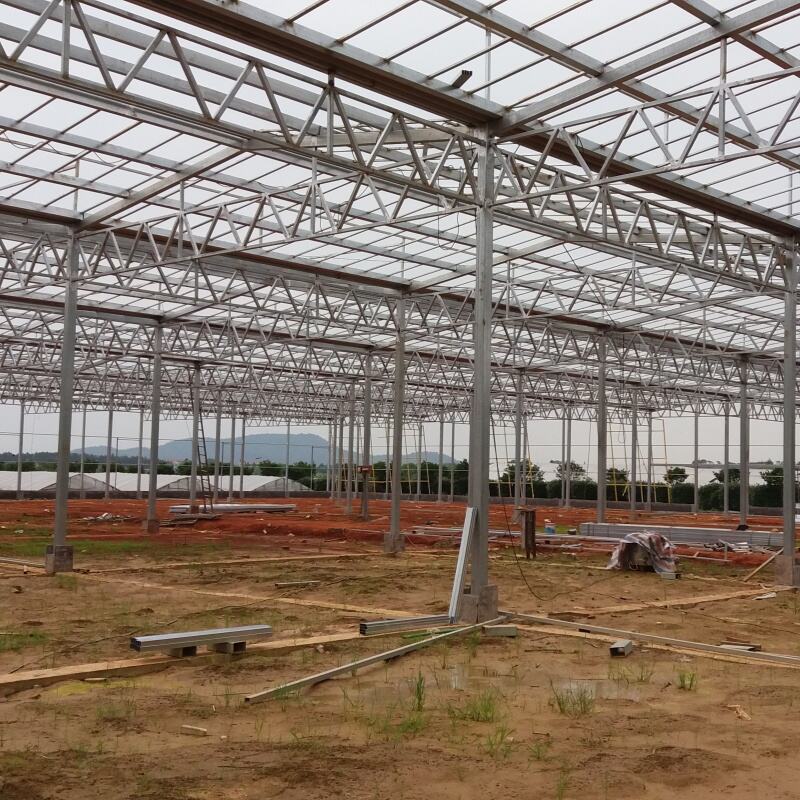
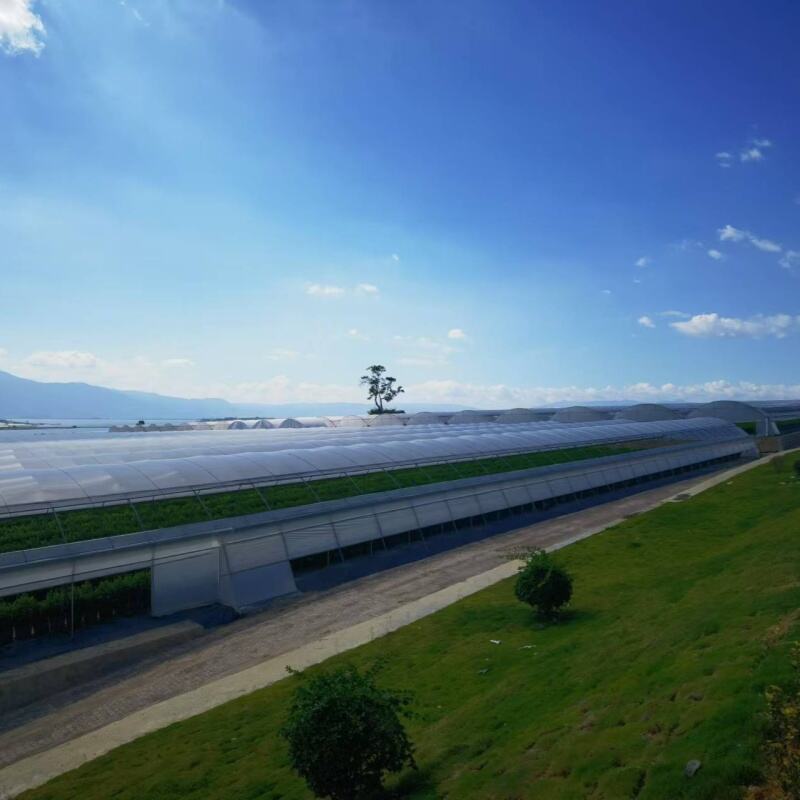
Systema administrativum capacitatibus productionis extensibile, quod in modernis conceptionibus fungorum hortorum incorporatur, ut producentes operationes efficaciter augere possint, dum condiciones optimae crescendi et efficacia operativa in omnibus zonis productionis serventur. Methodus constructionis modularis facultatem praebet ut aedificia gradatim augescant, addendo novas cellulas crescendi, areas elaborationis, et systemata subsidii, cum incrementum postulati mercatorum crescat, sine interruptione operationum iam existentium. Flexibilis structura diversa fungorum genera simul accommodare potest, ut producentes varietatem productorum suorum augere et ad mutationes in praefectionibus mercatorum respondere possint, dum utilitas aedificii ad maximum perducitur. Systemata automatica praeparationis substrati ad maiorem volumen productionis augeri possunt, manente qualitate constanti, quaecumque sit magnitudo operationis. Software de administratione fungorum hortorum sine difficultate a parvis operationibus ad magnas commerciales aedificia extenditur, eundem gradum controlis environmentalis et accuratiae monitoriae in auctis regionibus crescendi praebens. Systemata electricitatis et utilitatum, quae pro extensione sunt designata, certificant ut resursus electrici, aquarii, et climatici satis sint ad maiorem capacitatem productionis sustinendam, absque necessitate totius infrastructurae renovandae. Systemata tractationis materiae, ut sunt cinguli transmittentes, instrumenta colligendi, et machinae impachetandi, integrari et augeri possunt, ut voluminibus crescentibus productionis efficaciter respondeant. Processus controlis qualitatis constantes manent, quocumque sit magnitudine aedificii, ut normae productorum requisitis mercatorum satisfaciant, dum operationes ad maiorem scalae extenduntur. Systemata administrationis laboris optimizant distributionem operariorum per auctas regiones crescendi, manente productivitate et minuendo pretium laboris per unitatem per efficientem ordinationem et automationem officiorum. Designatio extensibilis producentes permittit ut postulatum mercatorum per minores initiales impensas experiantur, deinde confidenter expandantur ex successu probato et relationibus clientium iam constitutis. Planificatio financiarum praedictabilior fit per optiones expansionis modularis, ut producentes investitiones capitalis ad schemata incrementi redituum et facultates fluxus pecuniarum aptare possint. Facultates repositi et distributionis proportionales augescunt cum capacitate crescendi, ut fungi collecti qualitatem suam retineant a productione usque ad delationem ad clientes ultimos. Haec extensibilitas fungorum hortum in bonum negotii longi temporis convertit, quod una cum occasionibus mercatorum crescit, investitiones initiales tuens, dum magnas possibilitates futurae augmentationis pro produceribus ambitiosis permittit.
 ×
×



 EN
EN