nursery greenhouse structure
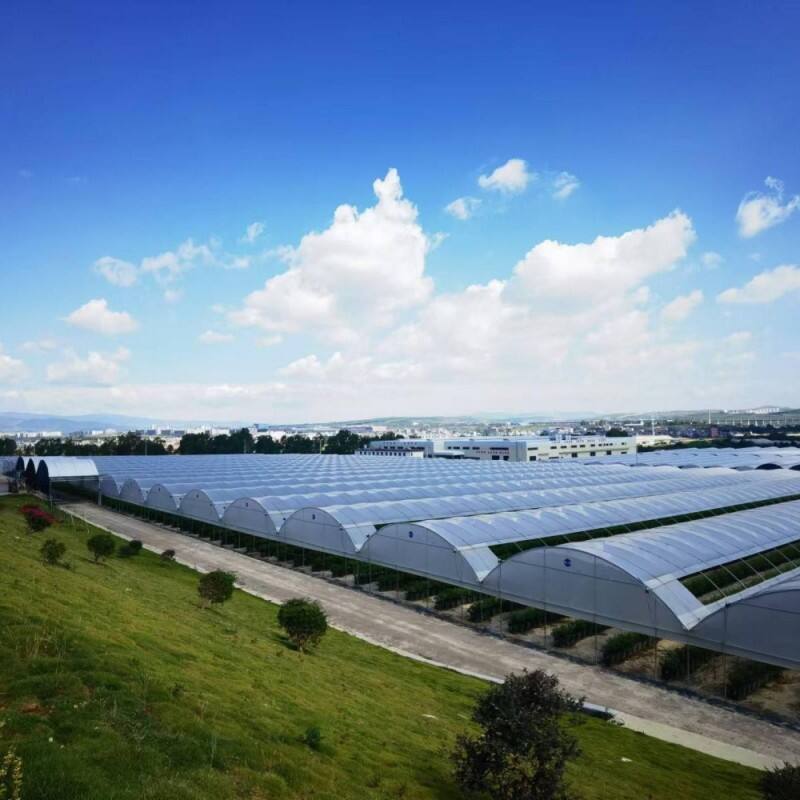
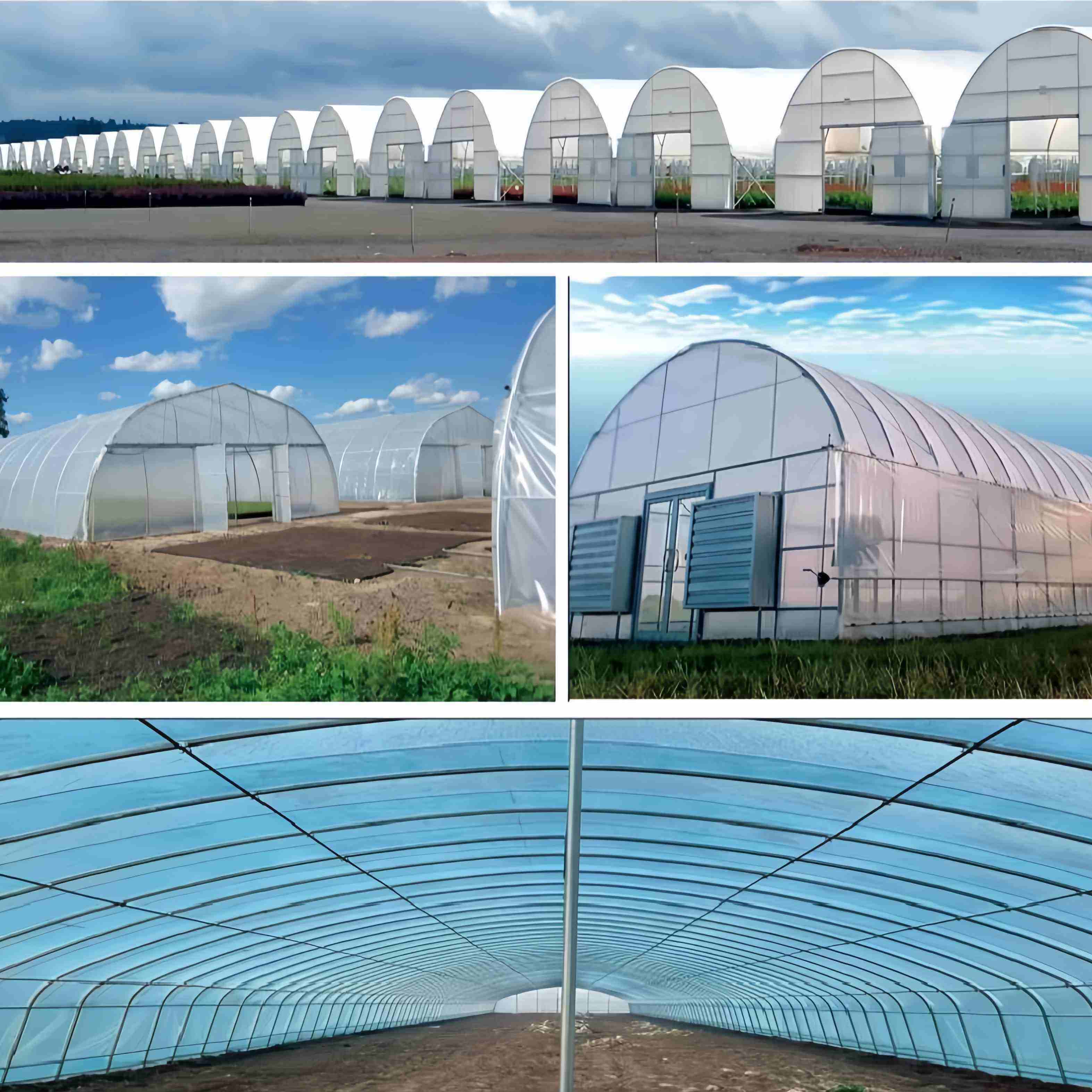
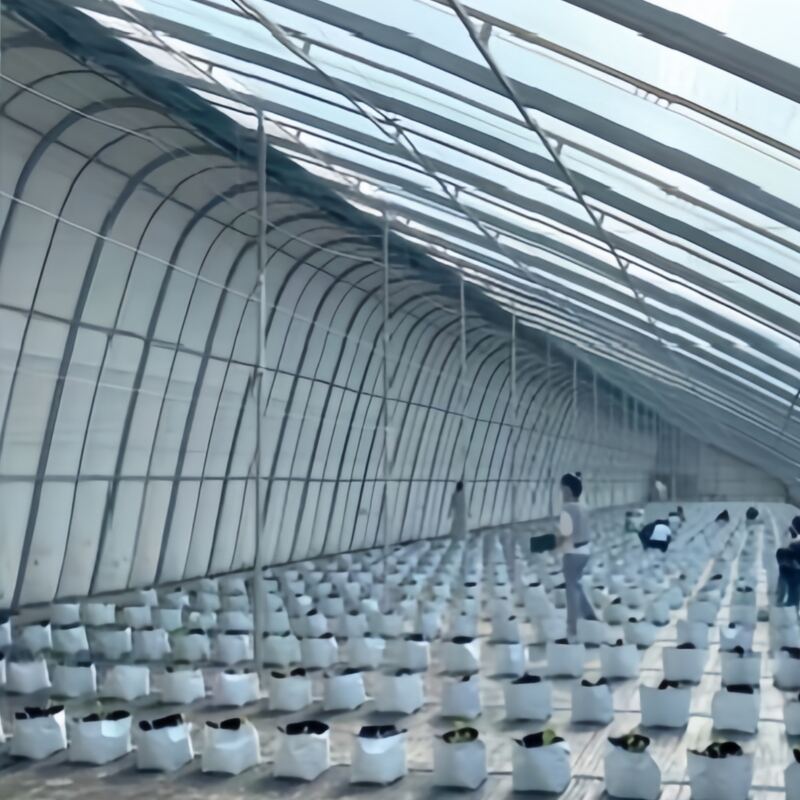
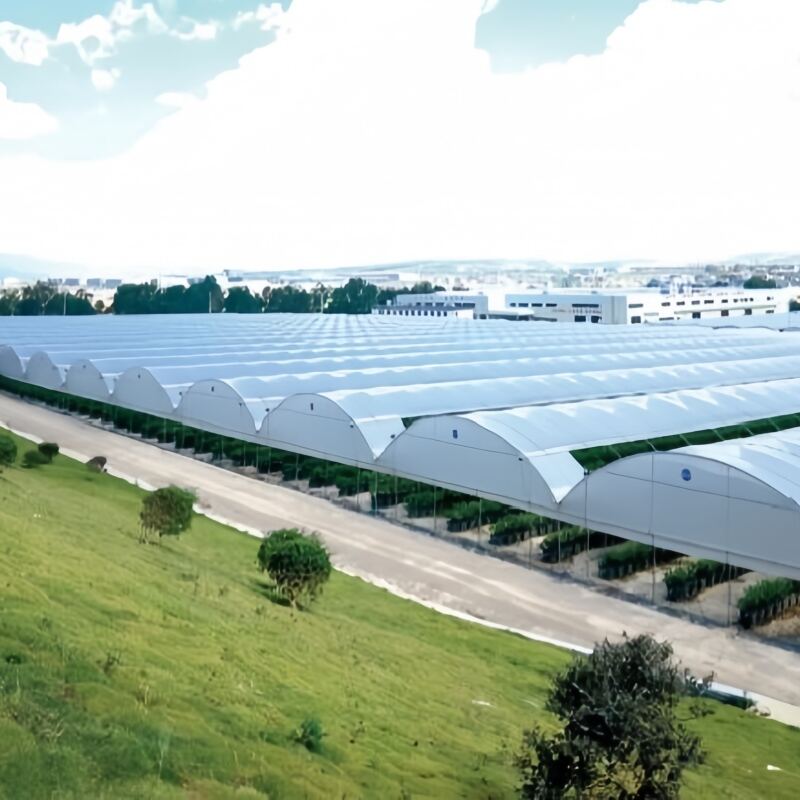
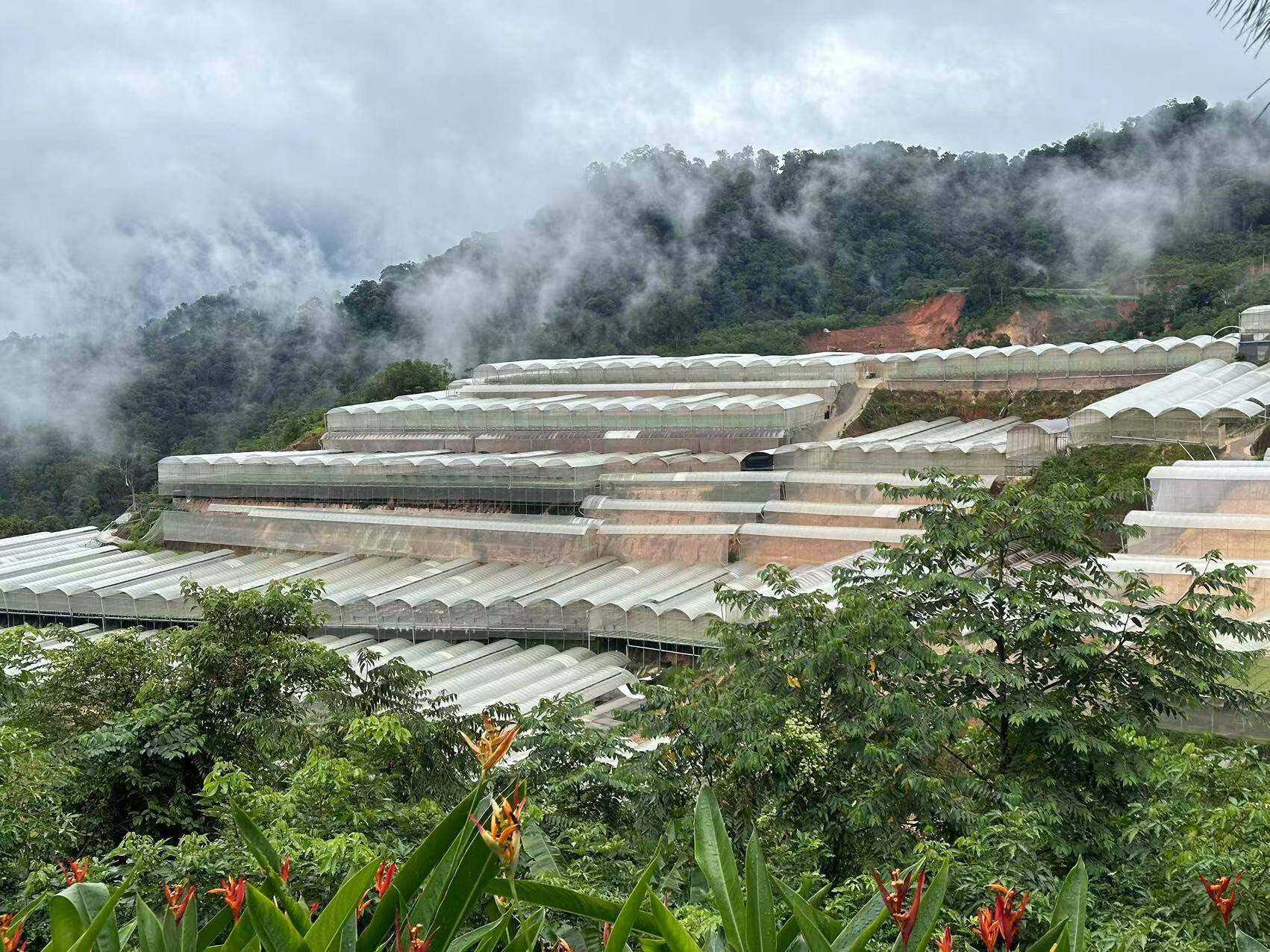
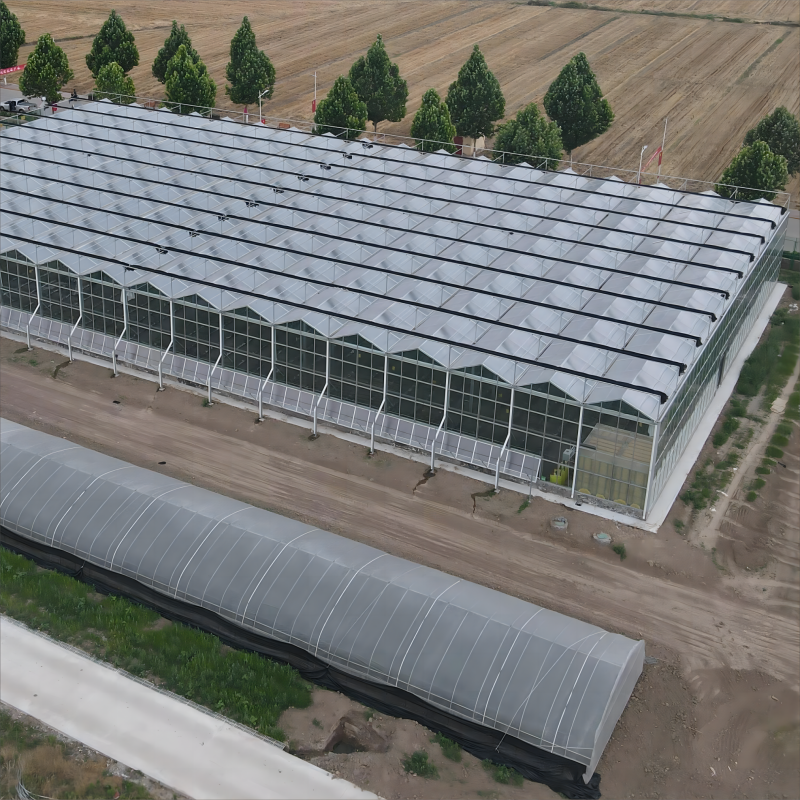
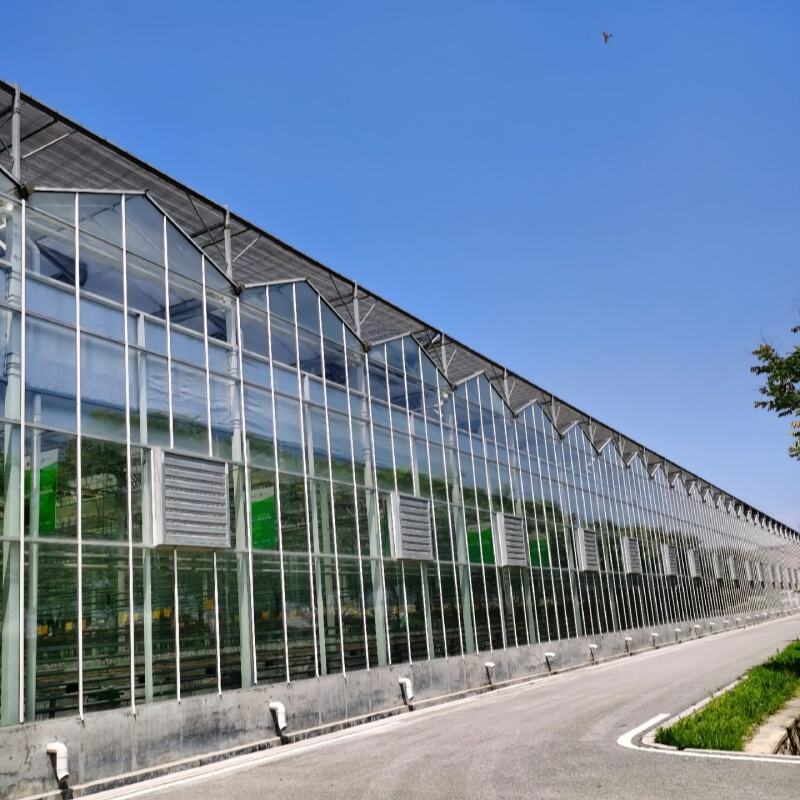
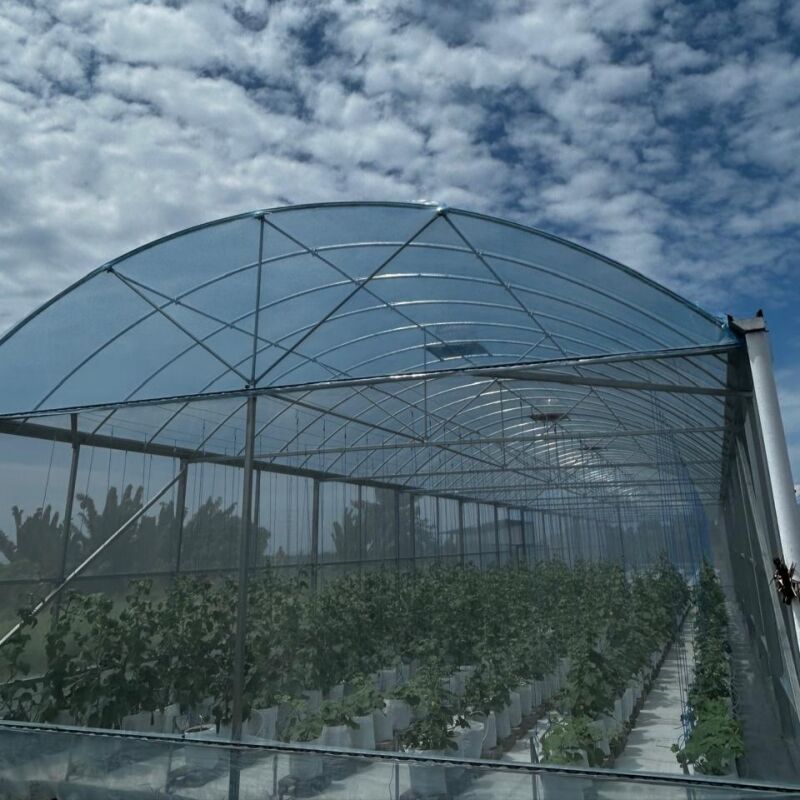
A nursery greenhouse structure represents a sophisticated agricultural facility specifically designed to optimize plant propagation and early-stage cultivation. This controlled environment system combines advanced engineering principles with horticultural expertise to create ideal conditions for seedling development, cutting propagation, and young plant establishment. The primary framework typically consists of galvanized steel or aluminum components that provide exceptional durability while maintaining structural integrity under various weather conditions. The covering materials range from traditional glass panels to modern polycarbonate sheets and specialized greenhouse films, each offering distinct advantages in terms of light transmission, insulation properties, and cost-effectiveness. Modern nursery greenhouse structures incorporate multiple climate control systems including automated ventilation mechanisms, heating units, cooling systems, and humidity regulation equipment. These facilities feature sophisticated irrigation networks with misting systems, drip irrigation, and overhead sprinklers that deliver precise water management tailored to specific plant requirements. The internal layout maximizes space utilization through adjustable benching systems, hanging basket arrangements, and vertical growing solutions that accommodate diverse plant varieties and growth stages. Advanced nursery greenhouse structures integrate environmental monitoring systems that continuously track temperature, humidity, light levels, and soil moisture content, providing real-time data for optimal crop management. The technological integration extends to automated shade systems, supplemental lighting fixtures, and computerized control panels that enable precise environmental manipulation. These structures serve multiple applications including commercial plant production, research facilities, educational institutions, and specialized breeding programs. The design flexibility allows customization for specific crops such as ornamental plants, vegetables, herbs, or tree seedlings, with specialized features like propagation chambers, hardening areas, and quarantine sections enhancing operational efficiency and plant quality outcomes.
 EN
EN