Advanced Climate Control Systems for Optimal Berry Development
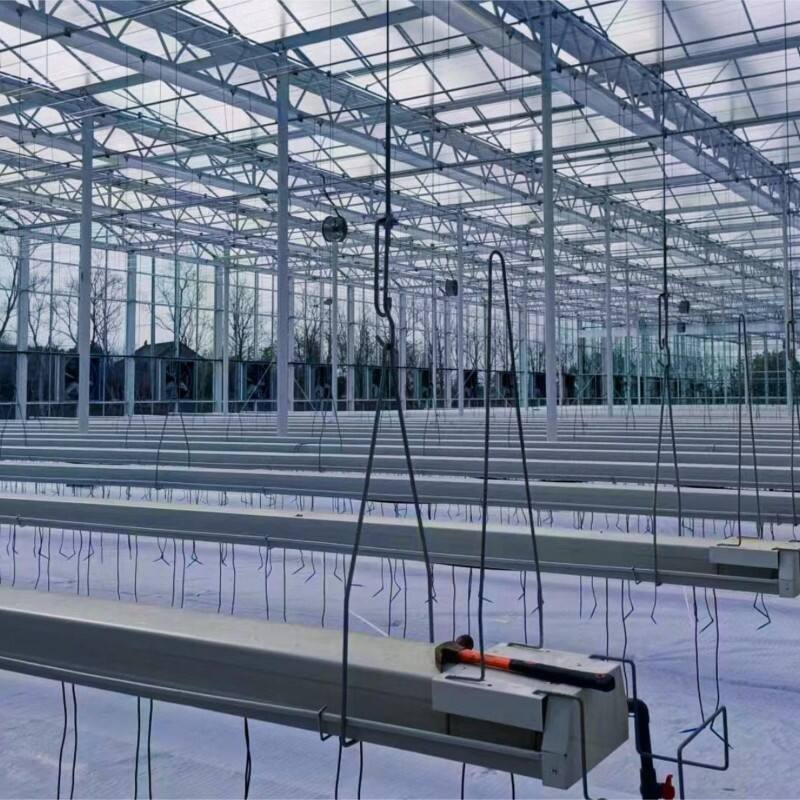
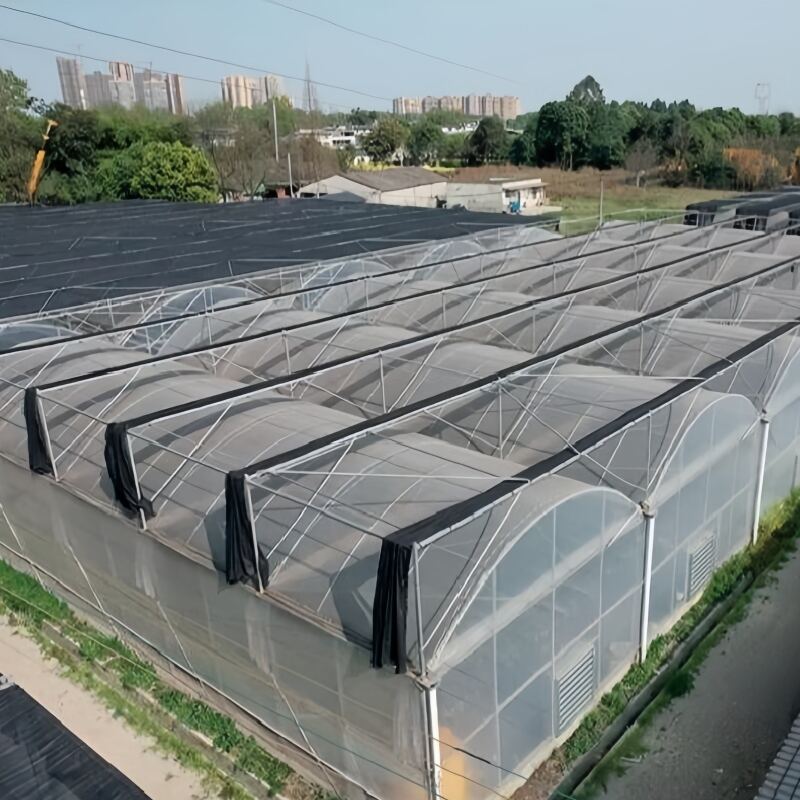
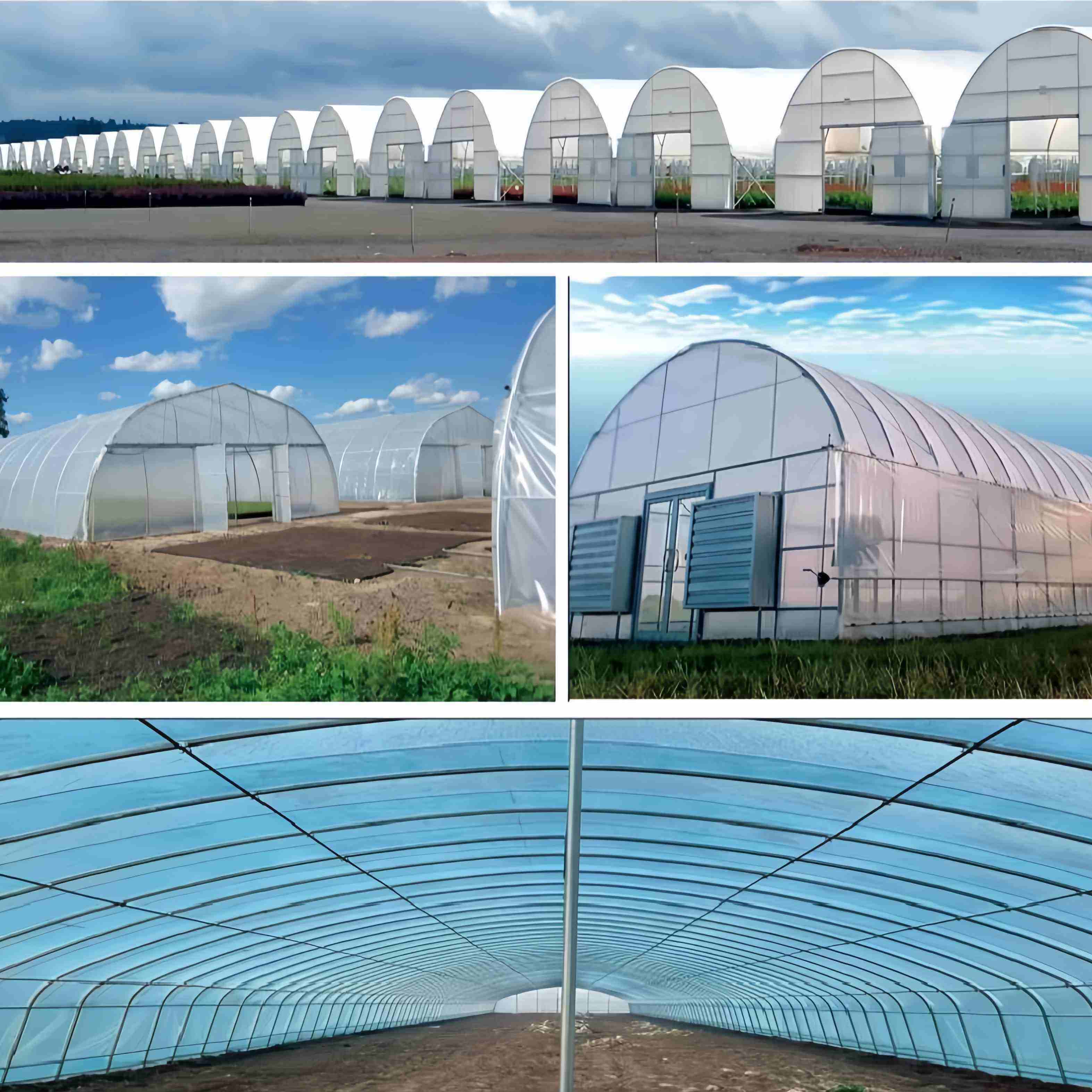
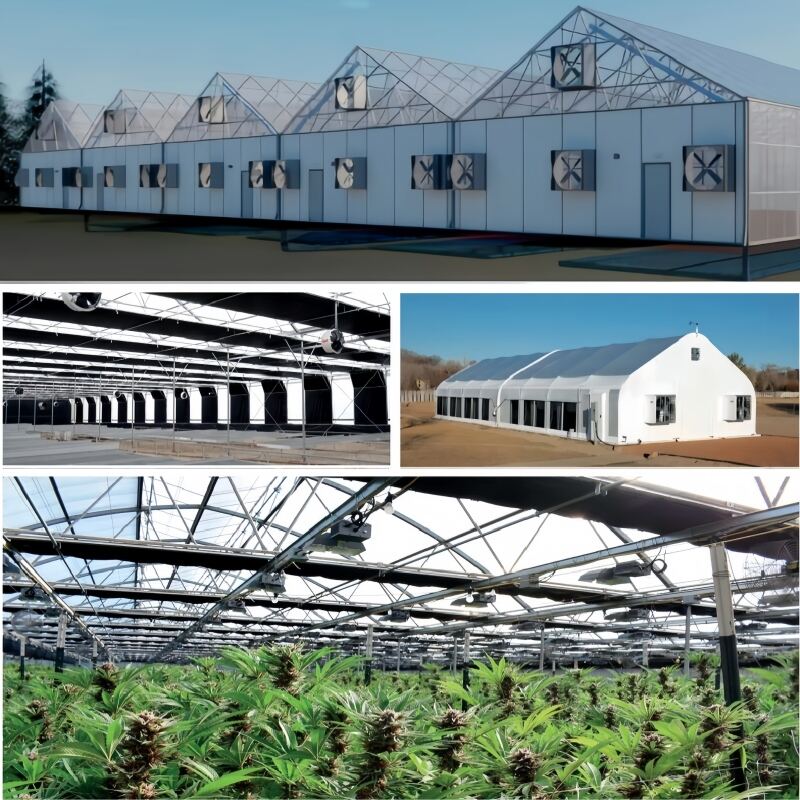
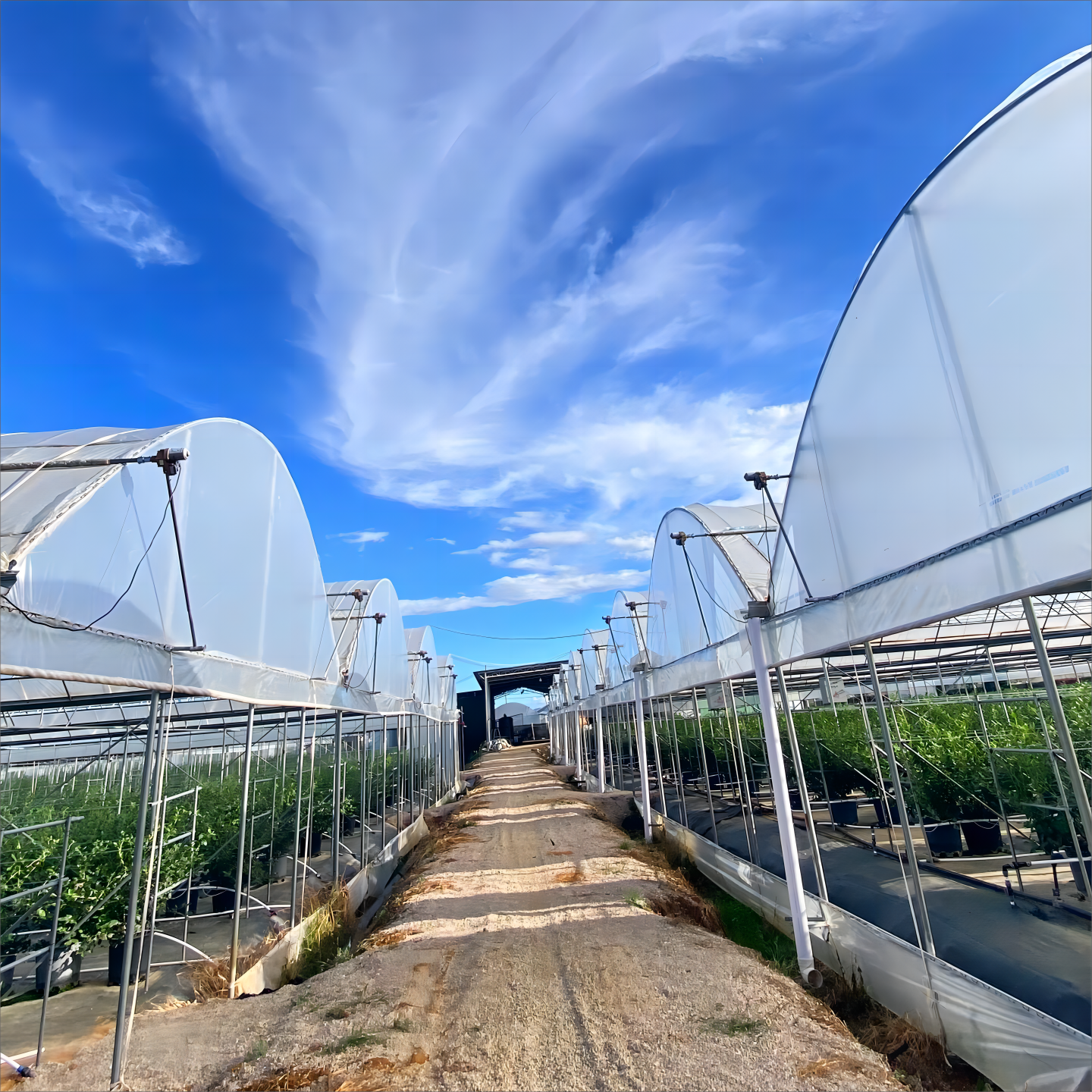
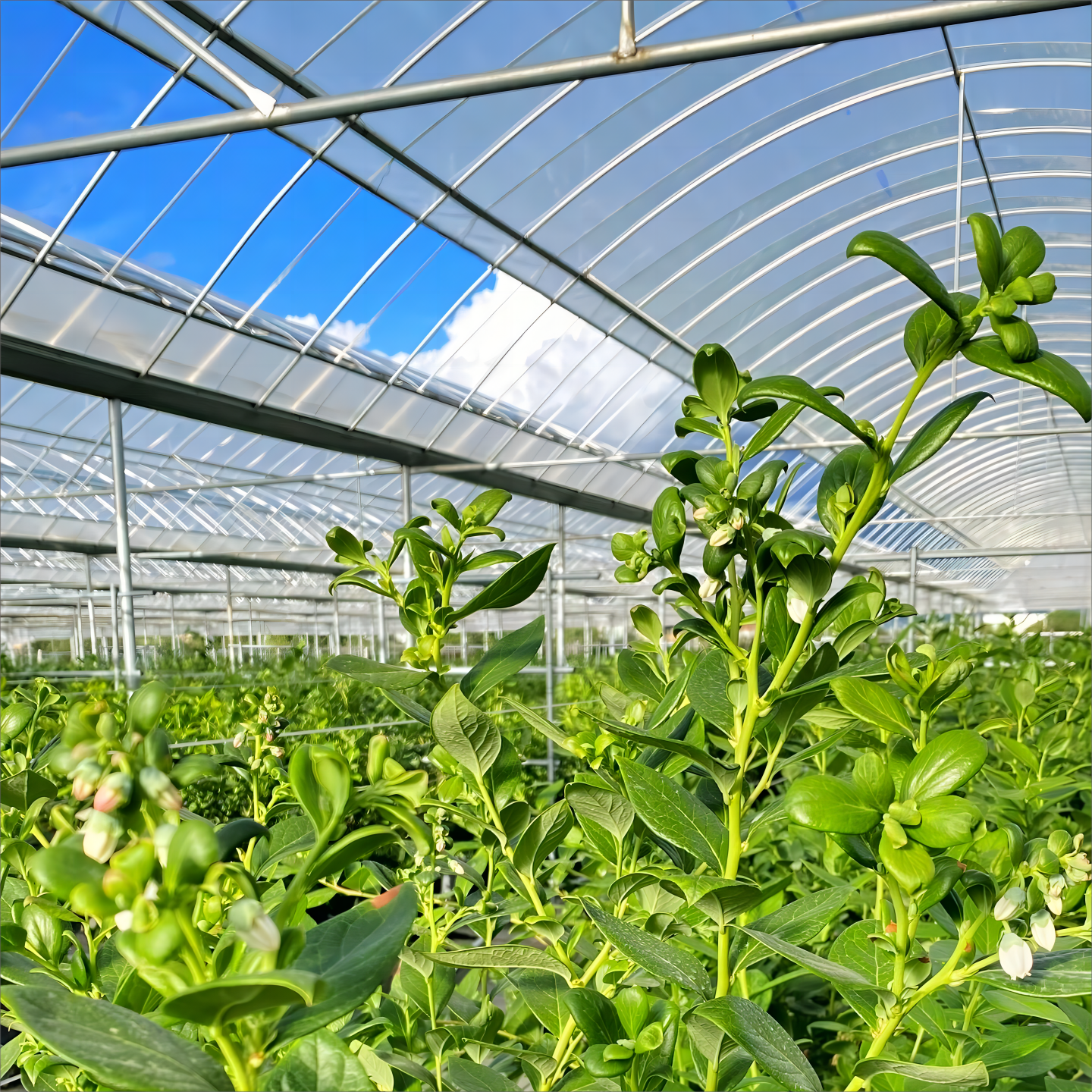
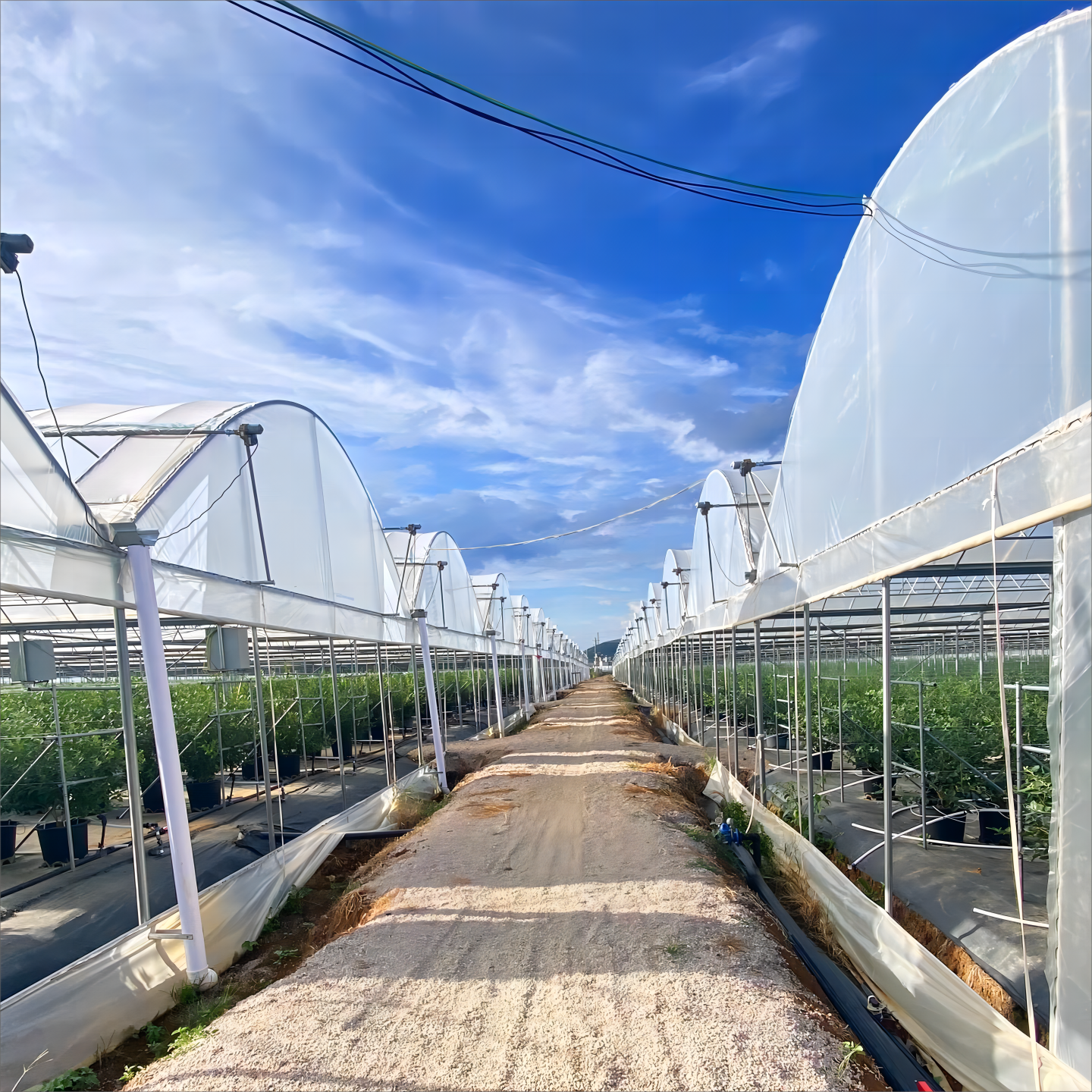
The sophisticated climate control technology integrated into modern blueberry greenhouse facilities represents the cornerstone of successful controlled environment cultivation. These comprehensive systems maintain precise temperature ranges between sixty-five and seventy-five degrees Fahrenheit during daytime hours, while allowing controlled nighttime cooling to promote proper fruit development and sugar accumulation. Advanced sensors continuously monitor multiple environmental parameters including air temperature, soil temperature, relative humidity levels, carbon dioxide concentrations, and light intensity throughout the growing space. Computerized control systems process this data in real-time, making automatic adjustments to heating, cooling, ventilation, and humidity control equipment to maintain optimal conditions. The importance of these climate control capabilities cannot be overstated when considering blueberry plant physiology and fruit quality requirements. Blueberries require specific temperature fluctuations to trigger flowering and fruit set, while excessive heat or cold can damage delicate blossoms and developing berries. The controlled environment eliminates temperature stress that commonly affects outdoor crops, resulting in more uniform fruit sizing, improved color development, and enhanced flavor profiles that consumers demand. Humidity management within the blueberry greenhouse environment prevents common fungal diseases that thrive in overly moist conditions while ensuring adequate moisture levels for healthy plant growth. Precision ventilation systems exchange stale air with fresh outside air when conditions permit, reducing disease pressure and providing essential carbon dioxide for photosynthesis. During winter months or in polluted urban environments, air filtration systems remove contaminants and allergens that could affect plant health or fruit quality. The value proposition of advanced climate control extends beyond immediate crop benefits to long-term operational sustainability. Energy-efficient heating and cooling systems reduce utility costs while maintaining optimal growing conditions. Predictive algorithms learn from historical data to anticipate environmental changes and adjust systems proactively, minimizing energy waste and equipment wear. These technological investments pay dividends through increased yield reliability, superior fruit quality, extended harvest seasons, and reduced crop losses from environmental stress factors.
 EN
EN