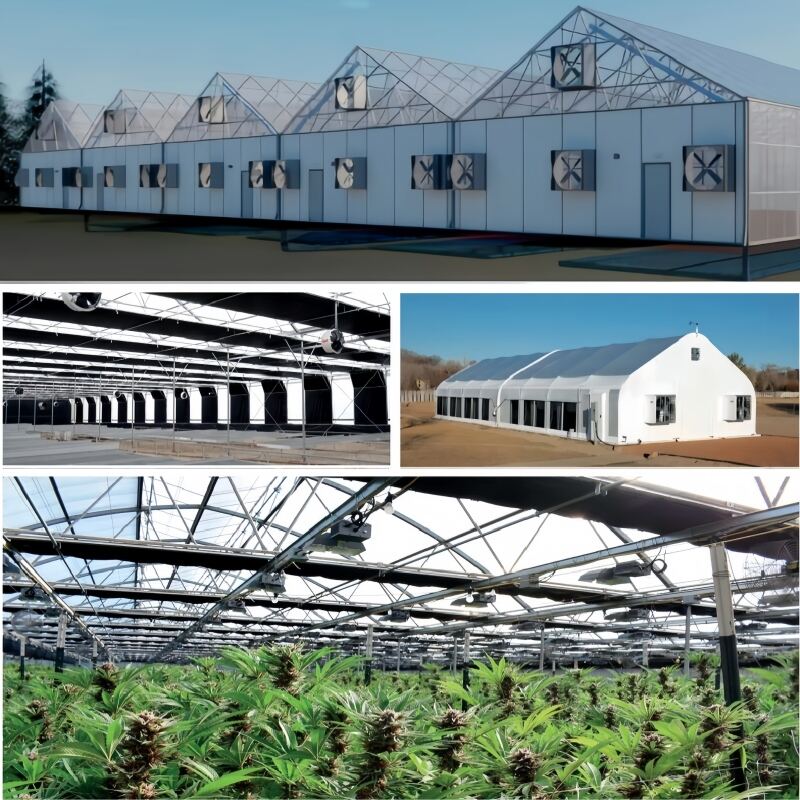
Green House Building: Sustainable Architecture Solutions for Energy-Efficient Living

Welcome To JYXD-greenhouse

Get a Free Quote

Our representative will contact you soon.
Email
Tel or Whatsapp
Name
Company Name
Message
0/1000

green house building

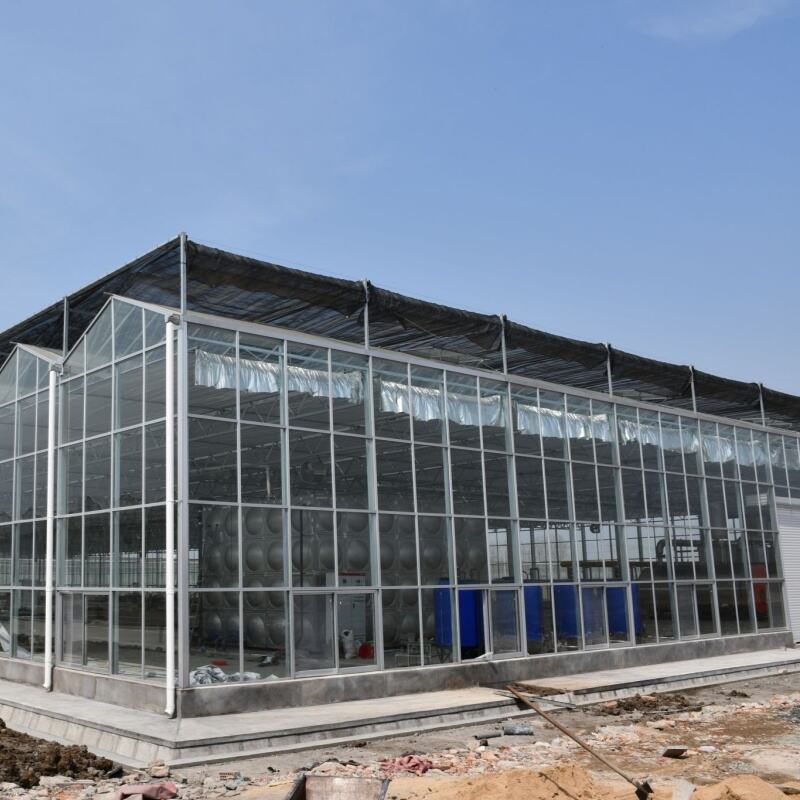
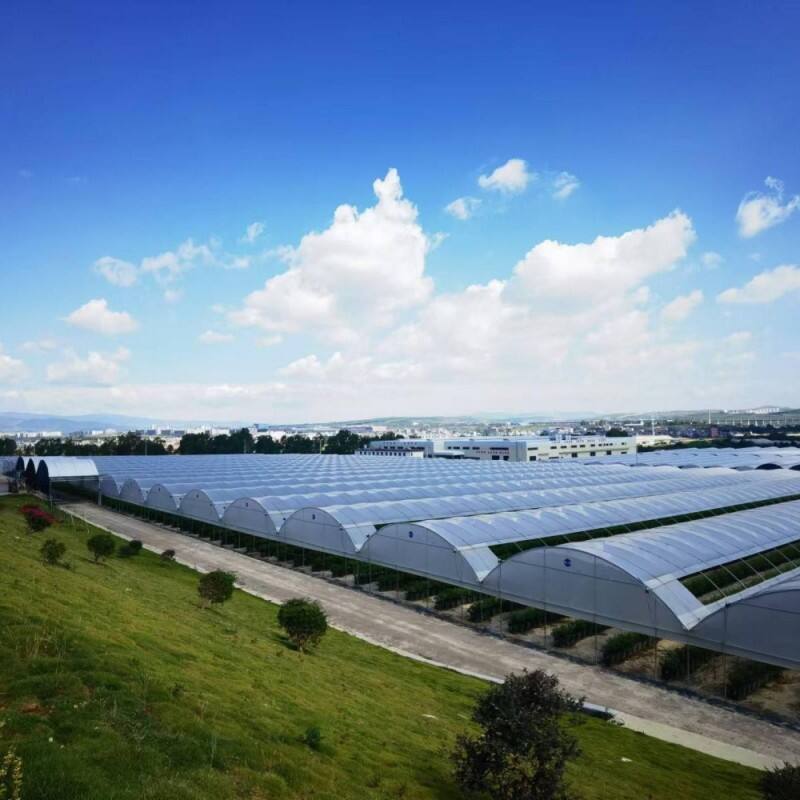
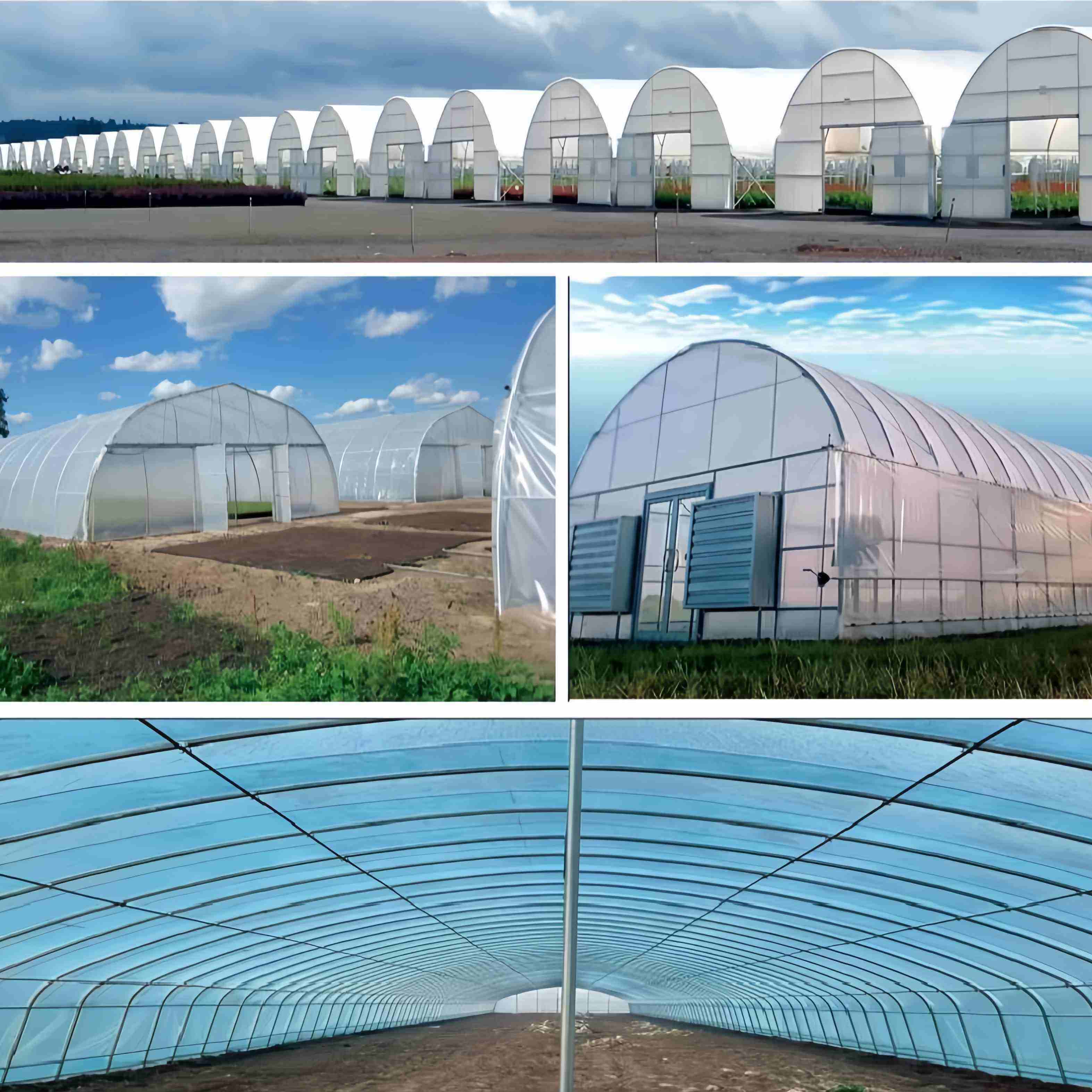
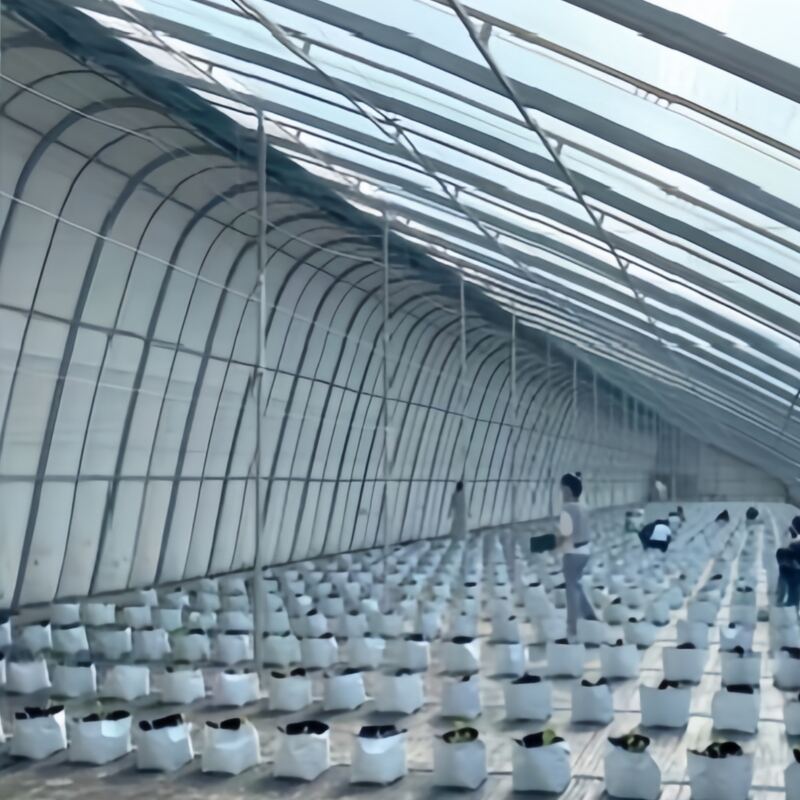
A green house building represents the pinnacle of sustainable architecture, combining cutting-edge environmental technologies with intelligent design principles to create structures that minimize ecological impact while maximizing operational efficiency. These innovative constructions integrate renewable energy systems, advanced insulation materials, and smart building technologies to achieve superior environmental performance. Modern green house buildings incorporate solar panels, geothermal heating systems, rainwater harvesting mechanisms, and energy-efficient lighting solutions that collectively reduce carbon emissions by up to 80 percent compared to conventional structures. The primary functions of a green house building extend beyond basic shelter to encompass comprehensive environmental stewardship, occupant health optimization, and long-term cost reduction. These structures feature sophisticated ventilation systems that maintain optimal indoor air quality while minimizing energy consumption through automated climate control mechanisms. Green house building designs prioritize natural lighting integration, utilizing strategically positioned windows and skylights to reduce artificial lighting requirements during daylight hours. Advanced water management systems capture, filter, and recycle precipitation and greywater, significantly reducing municipal water dependency. The technological features embedded within green house buildings include smart sensors that monitor temperature, humidity, air quality, and energy consumption in real-time, enabling automated adjustments that optimize comfort while minimizing resource utilization. Applications for green house buildings span residential developments, commercial complexes, educational institutions, healthcare facilities, and industrial operations. These versatile structures adapt to various climatic conditions and geographical locations through customizable design elements and scalable technology integration. The modular nature of green house building components allows for future upgrades and expansions without compromising environmental performance standards, making them ideal for organizations committed to sustainable development goals and long-term environmental responsibility.

New Products

Green house buildings deliver substantial financial savings through dramatically reduced utility costs, with energy expenses typically decreasing by 60 to 90 percent compared to traditional construction methods. These savings accumulate over time, creating significant return on investment that often recovers initial construction premiums within five to eight years. The advanced insulation and air sealing technologies used in green house building construction eliminate thermal bridging and air leakage, maintaining consistent indoor temperatures with minimal heating and cooling requirements. Solar energy systems integrated into green house buildings generate clean electricity that powers building operations while often producing surplus energy that can be sold back to utility companies, creating additional revenue streams. Water conservation features built into green house buildings reduce municipal water costs through rainwater collection, greywater recycling, and drought-resistant landscaping systems that require minimal irrigation. Enhanced indoor air quality provided by green house building ventilation systems creates healthier living and working environments, reducing respiratory ailments and improving occupant productivity and well-being. The superior construction materials and techniques used in green house buildings result in longer-lasting structures that require less maintenance and fewer repairs over their operational lifespan. Property values for green house buildings consistently outperform conventional structures in real estate markets, with buyers increasingly prioritizing sustainable features and environmental certifications. Tax incentives, rebates, and financing programs specifically designed for green house building projects further reduce initial costs and improve project feasibility for developers and homeowners. Green house buildings contribute to corporate sustainability goals and environmental compliance requirements, helping organizations meet regulatory standards while demonstrating environmental leadership to stakeholders and customers. The modular design flexibility of green house buildings allows for easy expansion and modification as needs change, providing long-term adaptability that protects investment value. Insurance companies increasingly offer reduced premiums for green house buildings due to their superior construction quality, reduced risk profiles, and lower claim frequencies. The integration of smart building technologies in green house buildings provides unprecedented control over building systems, enabling remote monitoring and management that optimizes performance while reducing operational complexity and maintenance requirements.

Latest News

Forging a Powerful Alliance: Netafim and Juyou Xinda Unite to Reshape the Future of Smart Agriculture

28

Nov

Forging a Powerful Alliance: Netafim and Juyou Xinda Unite to Reshape the Future of Smart Agriculture

View More
Australian Greenhouse Company Visits Our Facilities to Explore New Collaboration on 50,000 Sq.m Strawberry Glass Greenhouse Project

28

Nov

Australian Greenhouse Company Visits Our Facilities to Explore New Collaboration on 50,000 Sq.m Strawberry Glass Greenhouse Project

View More
 Innovative Breakthrough: Our Company Successfully Delivers World's First Customized

28

Nov

Innovative Breakthrough: Our Company Successfully Delivers World's First Customized "Greenhouse for Fertilizer Drying" to Malaysian Client

View More

Get a Free Quote

Our representative will contact you soon.
Email
Tel or Whatsapp
Name
Company Name
Message
0/1000

green house building

Revolutionary Energy Independence Through Integrated Renewable Systems

Revolutionary Energy Independence Through Integrated Renewable Systems

The cornerstone advantage of modern green house building design lies in its comprehensive approach to energy independence through seamlessly integrated renewable energy systems that eliminate dependence on fossil fuels while creating surplus energy production capabilities. These sophisticated installations combine high-efficiency solar photovoltaic arrays, advanced battery storage systems, and intelligent energy management platforms that work together to provide reliable, clean electricity 365 days per year. The solar panel systems utilized in green house building projects feature cutting-edge monocrystalline technology that achieves conversion efficiencies exceeding 22 percent, significantly outperforming conventional panels while requiring minimal maintenance over their 25-year warranty period. Smart inverters and power optimizers ensure maximum energy harvest even during partial shading conditions, while integrated monitoring systems provide real-time performance data and automatic fault detection capabilities. Energy storage solutions incorporated into green house buildings utilize advanced lithium-ion battery technology that stores excess solar production during peak generation hours for use during evening and overnight periods, effectively eliminating grid dependency during normal operating conditions. The intelligent energy management systems continuously analyze consumption patterns, weather forecasts, and utility rate structures to optimize energy usage and storage cycles, maximizing cost savings while ensuring uninterrupted power supply. Geothermal heat pump systems integrated into green house building foundations provide highly efficient heating and cooling by utilizing stable underground temperatures, reducing HVAC energy consumption by up to 70 percent compared to conventional systems. These renewable energy systems work synergistically to create net-positive energy buildings that generate more electricity than they consume, allowing owners to sell surplus power back to utility companies through net metering programs. The combination of energy independence and revenue generation potential makes green house buildings exceptionally attractive investments that provide both environmental benefits and substantial long-term financial returns, establishing a new standard for sustainable construction that prioritizes both ecological responsibility and economic viability.
Advanced Indoor Environmental Quality and Health Optimization Systems

Advanced Indoor Environmental Quality and Health Optimization Systems

Green house building technology revolutionizes occupant health and comfort through sophisticated indoor environmental quality systems that maintain optimal air purity, temperature stability, and lighting conditions while eliminating common pollutants and allergens found in conventional structures. These comprehensive systems integrate advanced ventilation technologies, natural lighting optimization, and air purification mechanisms that create healthier living and working environments proven to enhance productivity, reduce illness, and improve overall well-being. The ventilation systems employed in green house buildings utilize energy recovery ventilators and heat recovery ventilators that continuously exchange stale indoor air with fresh outdoor air while capturing and reusing thermal energy from outgoing air streams, maintaining excellent air quality without energy penalties. High-efficiency particulate air filtration systems remove dust, pollen, bacteria, and volatile organic compounds from incoming air, creating indoor environments that are significantly cleaner than outdoor air quality standards. Smart sensors throughout green house buildings continuously monitor carbon dioxide levels, humidity, temperature, and air quality parameters, automatically adjusting ventilation rates and system operations to maintain optimal conditions while minimizing energy consumption. Natural lighting strategies incorporated into green house building design maximize daylight penetration through strategically positioned windows, skylights, and light wells that reduce artificial lighting requirements by up to 80 percent during daytime hours. Circadian lighting systems that adjust color temperature and intensity throughout the day help regulate occupant sleep cycles and maintain healthy circadian rhythms, contributing to improved sleep quality and daytime alertness. Low-emission building materials and finishes used in green house building construction eliminate off-gassing of harmful chemicals commonly found in conventional construction materials, creating healthier indoor environments free from formaldehyde, volatile organic compounds, and other toxic substances. Humidity control systems maintain optimal moisture levels that prevent mold growth and dust mite proliferation while ensuring occupant comfort across all seasons. These integrated health optimization systems demonstrate measurable benefits including reduced respiratory symptoms, decreased sick days, improved cognitive performance, and enhanced overall quality of life for building occupants, making green house buildings ideal for families, businesses, and institutions prioritizing health and wellness.
Comprehensive Water Management and Conservation Technology Integration

Comprehensive Water Management and Conservation Technology Integration

Green house building systems incorporate revolutionary water management technologies that achieve remarkable conservation results while ensuring reliable supply and superior water quality through integrated collection, treatment, and recycling systems that dramatically reduce municipal water dependency and environmental impact. These sophisticated installations combine rainwater harvesting, greywater recycling, and advanced filtration technologies that collectively reduce water consumption by 70 to 90 percent compared to conventional buildings while providing higher quality water for all applications. Rainwater collection systems integrated into green house building designs capture precipitation from roof surfaces through seamless gutter networks that channel water into high-capacity storage tanks equipped with first-flush diverters and fine filtration systems that remove debris and contaminants. Advanced storage solutions utilize food-grade materials and UV sterilization systems that maintain water quality during extended storage periods while preventing bacterial growth and algae formation. Greywater recycling systems capture and treat wastewater from sinks, showers, and washing machines through multi-stage filtration processes that remove soap residues, organic matter, and pathogens, producing clean water suitable for irrigation and toilet flushing applications. Constructed wetland systems integrated into green house building landscapes provide natural wastewater treatment through beneficial bacteria and plant roots that break down organic pollutants while creating attractive landscape features that enhance property aesthetics. Smart irrigation systems utilize weather monitoring, soil moisture sensors, and plant-specific programming to deliver precise water quantities only when needed, eliminating overwatering while maintaining healthy landscapes with minimal water input. Point-of-use water treatment systems provide purified drinking water through reverse osmosis and activated carbon filtration that removes chlorine, heavy metals, and pharmaceutical residues commonly found in municipal water supplies. Permeable paving and bioswale systems integrated into green house building site design capture and filter stormwater runoff, preventing erosion and water pollution while recharging groundwater supplies. Water usage monitoring systems provide real-time consumption data and leak detection capabilities that prevent waste and optimize system performance throughout the building lifecycle. These comprehensive water management systems deliver substantial cost savings, environmental benefits, and water security that makes green house buildings resilient against drought conditions and water supply disruptions while demonstrating responsible resource stewardship that benefits both occupants and surrounding communities.

Get a Free Quote

Our representative will contact you soon.
Email
Tel or Whatsapp
Name
Company Name
Message
0/1000