Versatile Agricultural Applications for Diverse Crop Production Systems
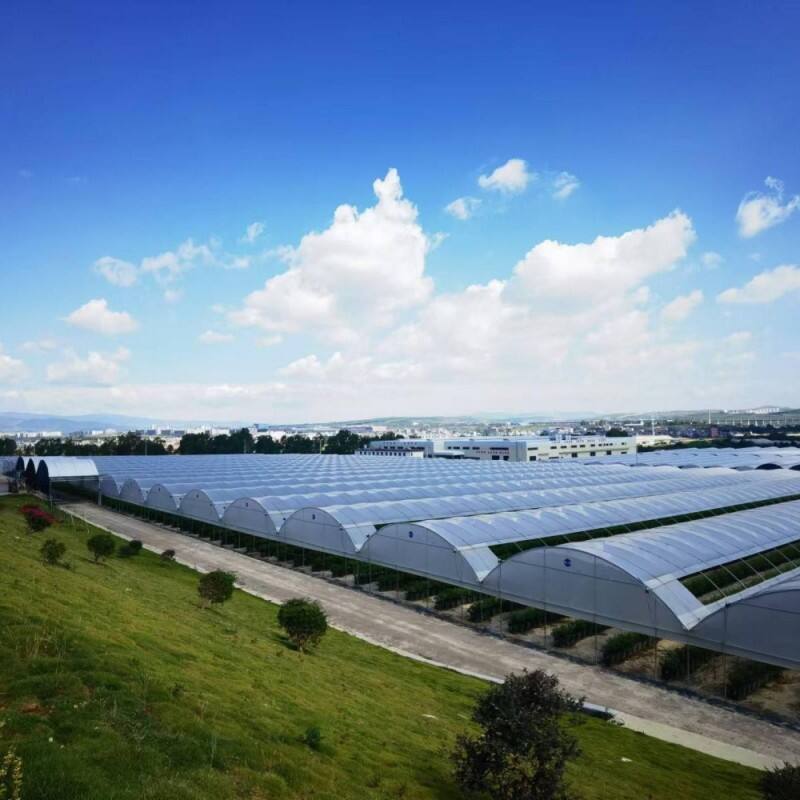
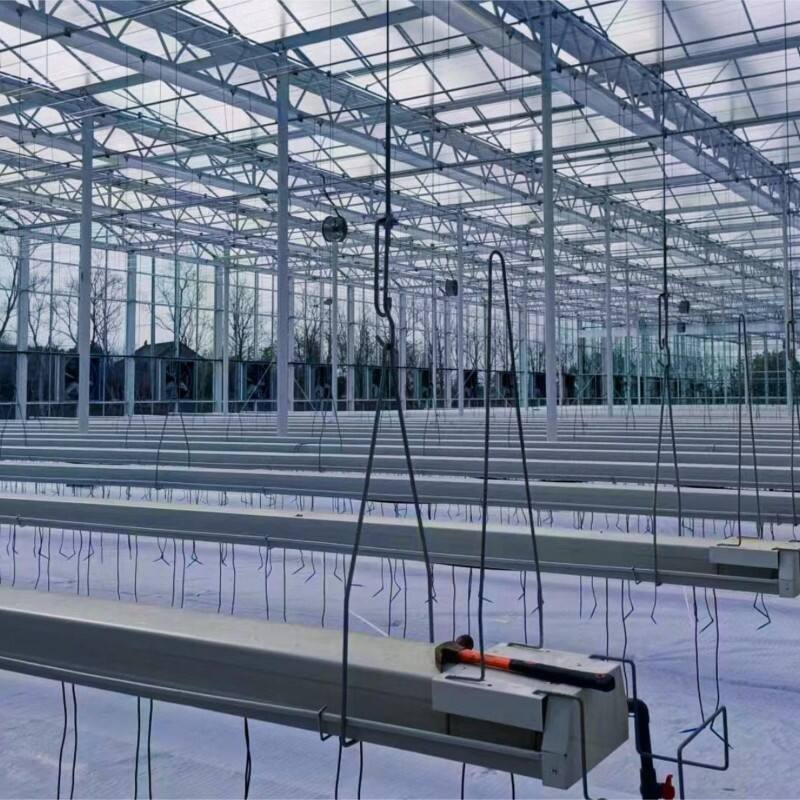
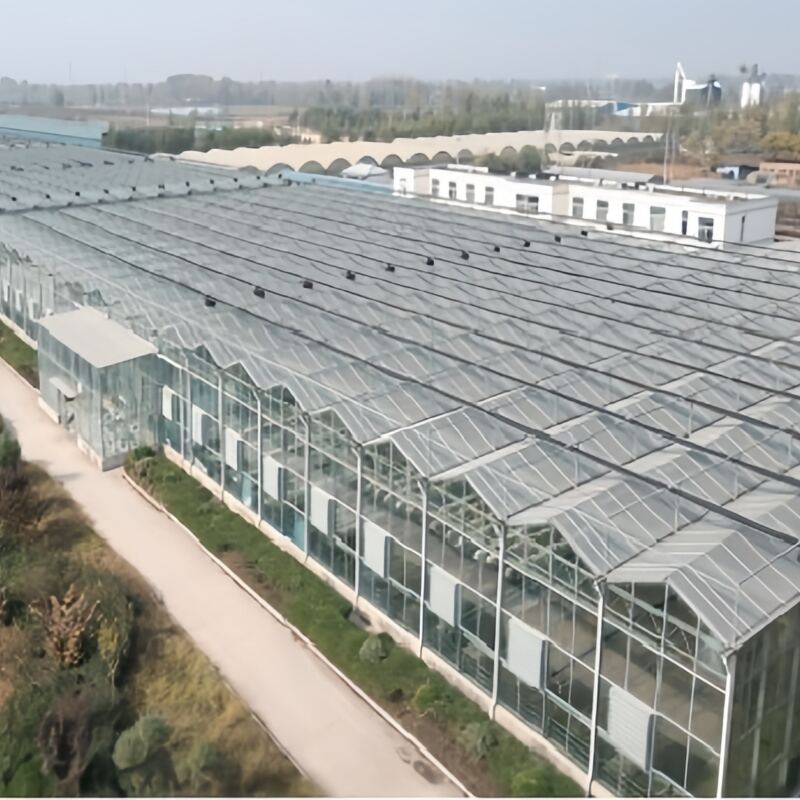
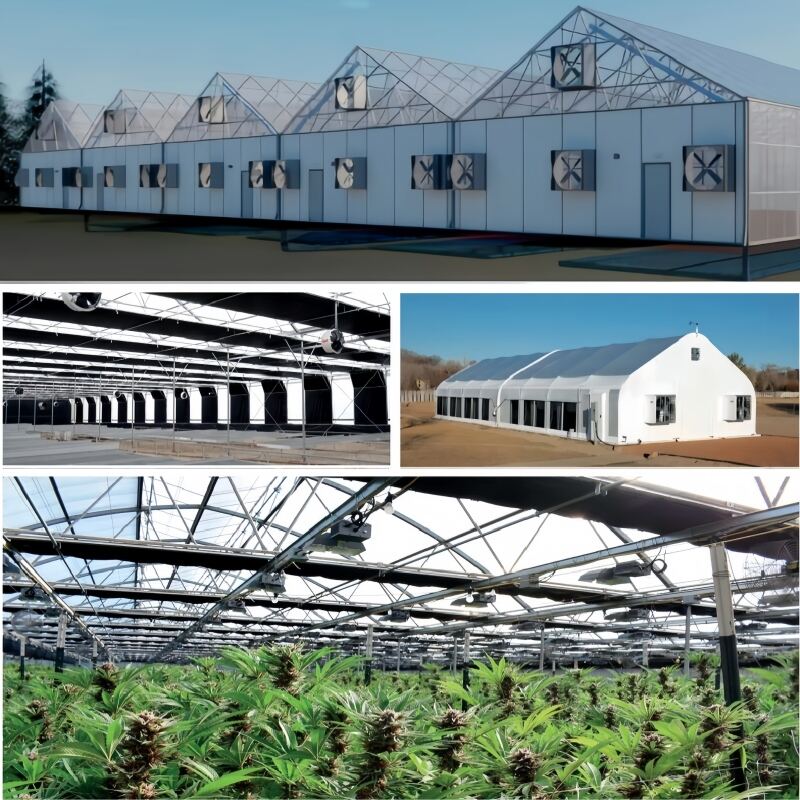
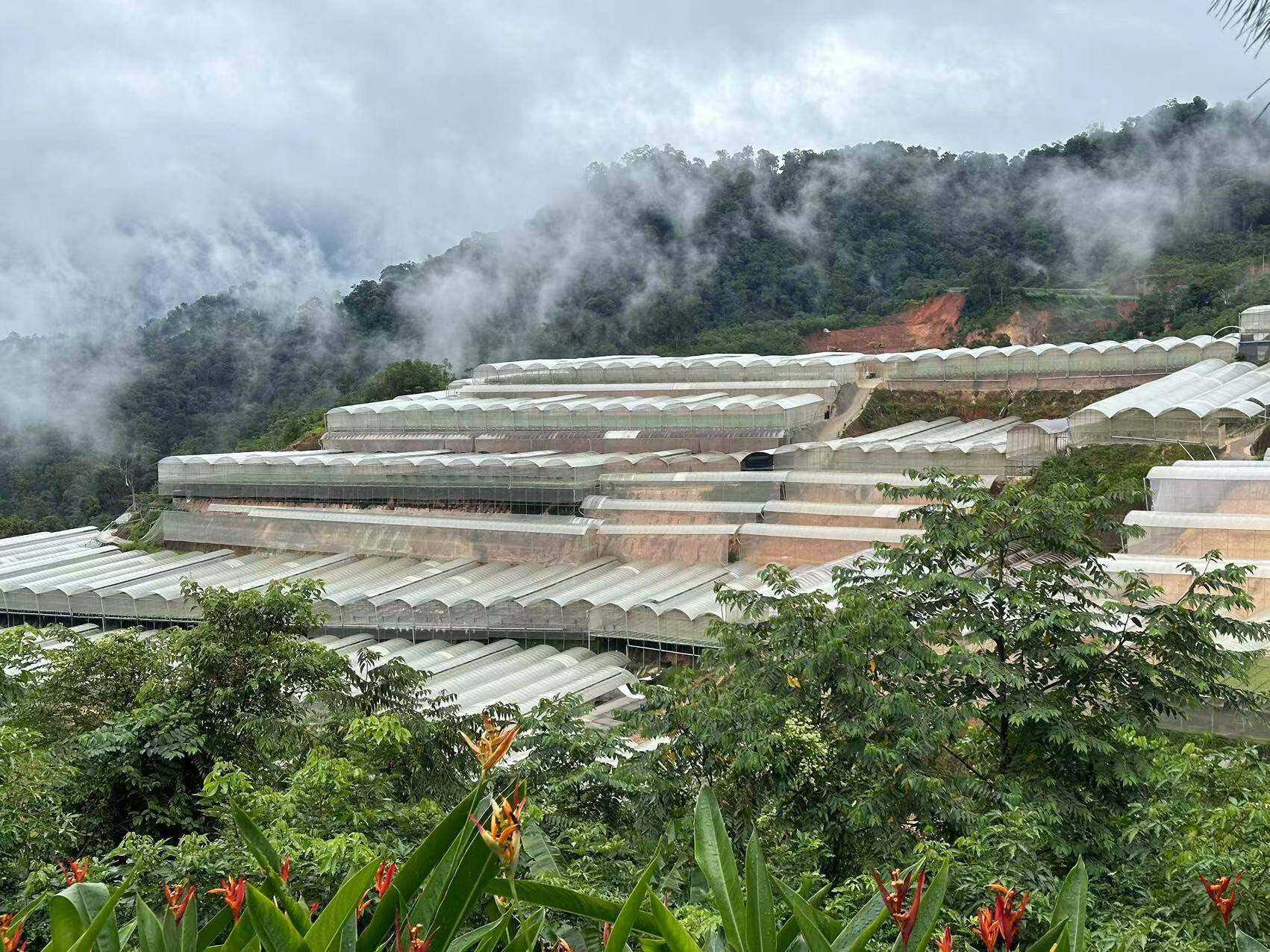
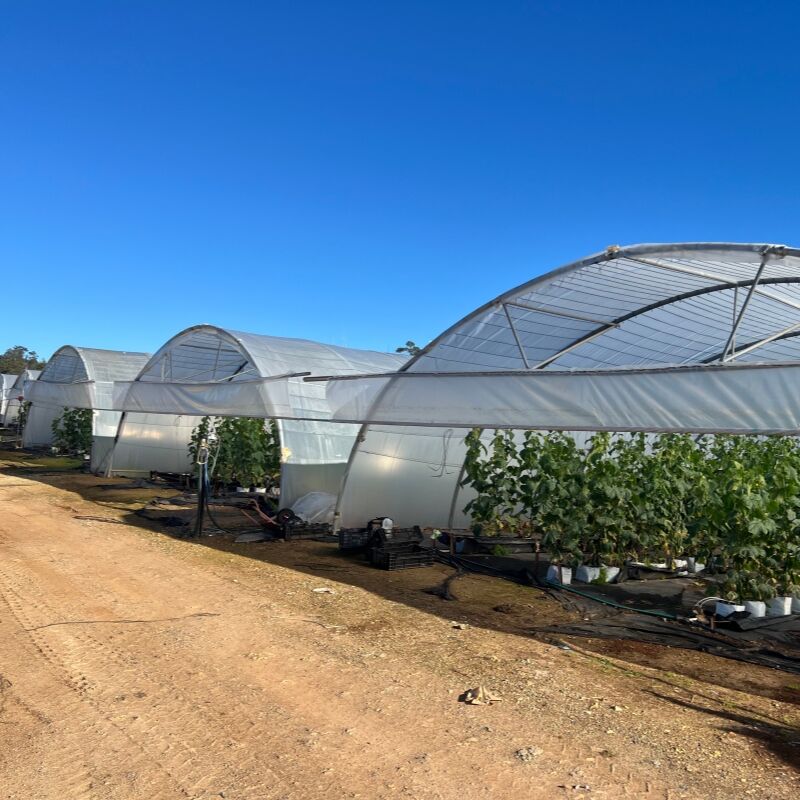
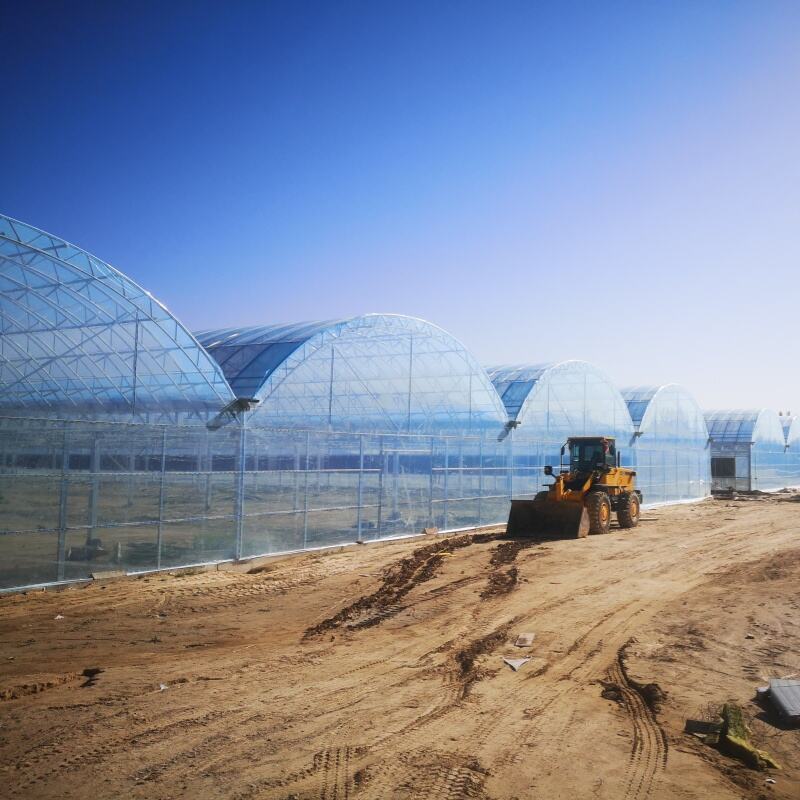
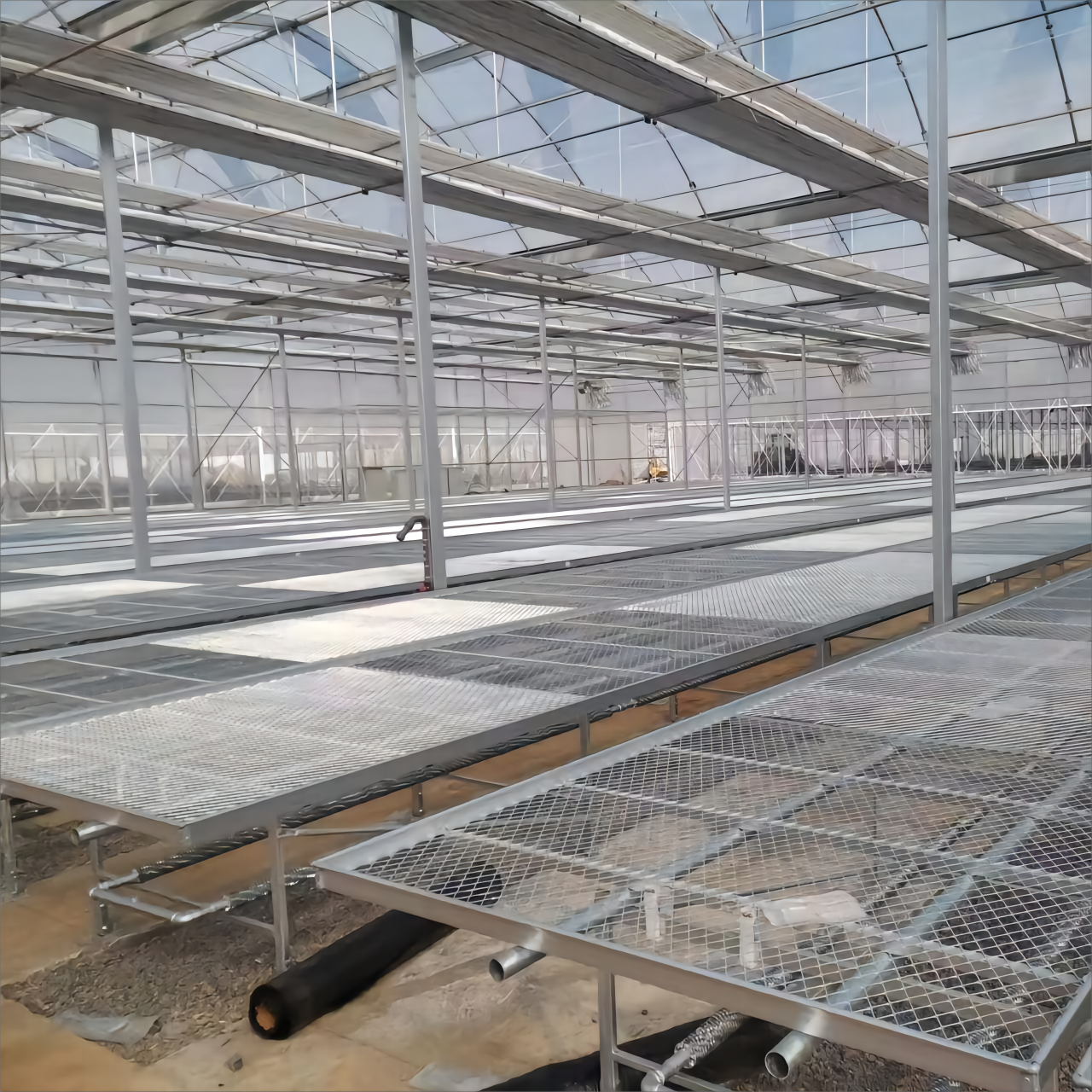
The large shade house offers unparalleled versatility in agricultural applications, accommodating an extensive range of crop production systems from intensive nursery operations to specialized research facilities and commercial food production. This adaptability makes the investment valuable for diverse agricultural enterprises seeking to optimize their growing capabilities across multiple crop types and production methodologies. Nursery operations benefit tremendously from the controlled environment, enabling the production of high-quality seedlings, ornamental plants, and specialty varieties that require precise growing conditions and protection from environmental stresses. The structure accommodates various container systems, bench configurations, and irrigation layouts, allowing nurseries to maximize space utilization while maintaining optimal plant spacing and care access. Vegetable production within a large shade house enables year-round cultivation of premium crops including leafy greens, herbs, peppers, tomatoes, and specialty vegetables that command higher market prices due to their consistent quality and extended availability. The controlled environment eliminates many pest and disease pressures while enabling precise nutrient management and harvest timing optimization. Cut flower operations utilize these structures to produce high-quality blooms with extended vase life and consistent stem quality, meeting the demanding requirements of wholesale and retail flower markets. Research institutions and universities employ large shade houses for controlled agricultural experiments, variety trials, and educational programs, taking advantage of the consistent conditions for reliable data collection and demonstration purposes. Organic farming operations particularly benefit from the reduced pest pressure and controlled environment that supports natural growing methods while maintaining high productivity levels. The structure easily accommodates hydroponic systems, aquaponic installations, and soil-based growing methods, providing flexibility for farmers exploring different production techniques. Specialty crop producers use large shade houses for growing high-value crops such as medicinal plants, exotic fruits, and gourmet vegetables that require specific environmental conditions and protection from contamination. The facility can be quickly reconfigured for different crops by adjusting shade cloth percentages, modifying irrigation systems, and reorganizing internal layouts, maximizing the return on investment through diversified production capabilities. This versatility ensures that agricultural operations can adapt to changing market demands, explore new crop opportunities, and maintain productive capacity regardless of external environmental challenges or economic fluctuations.
 EN
EN