Premium Green House of Flowers: Advanced Climate-Controlled Floriculture Solutions for Year-Round Flower Production

Welcome To JYXD-greenhouse

Get a Free Quote

Our representative will contact you soon.
Email
Tel or Whatsapp
Name
Company Name
Message
0/1000

green house of flowers

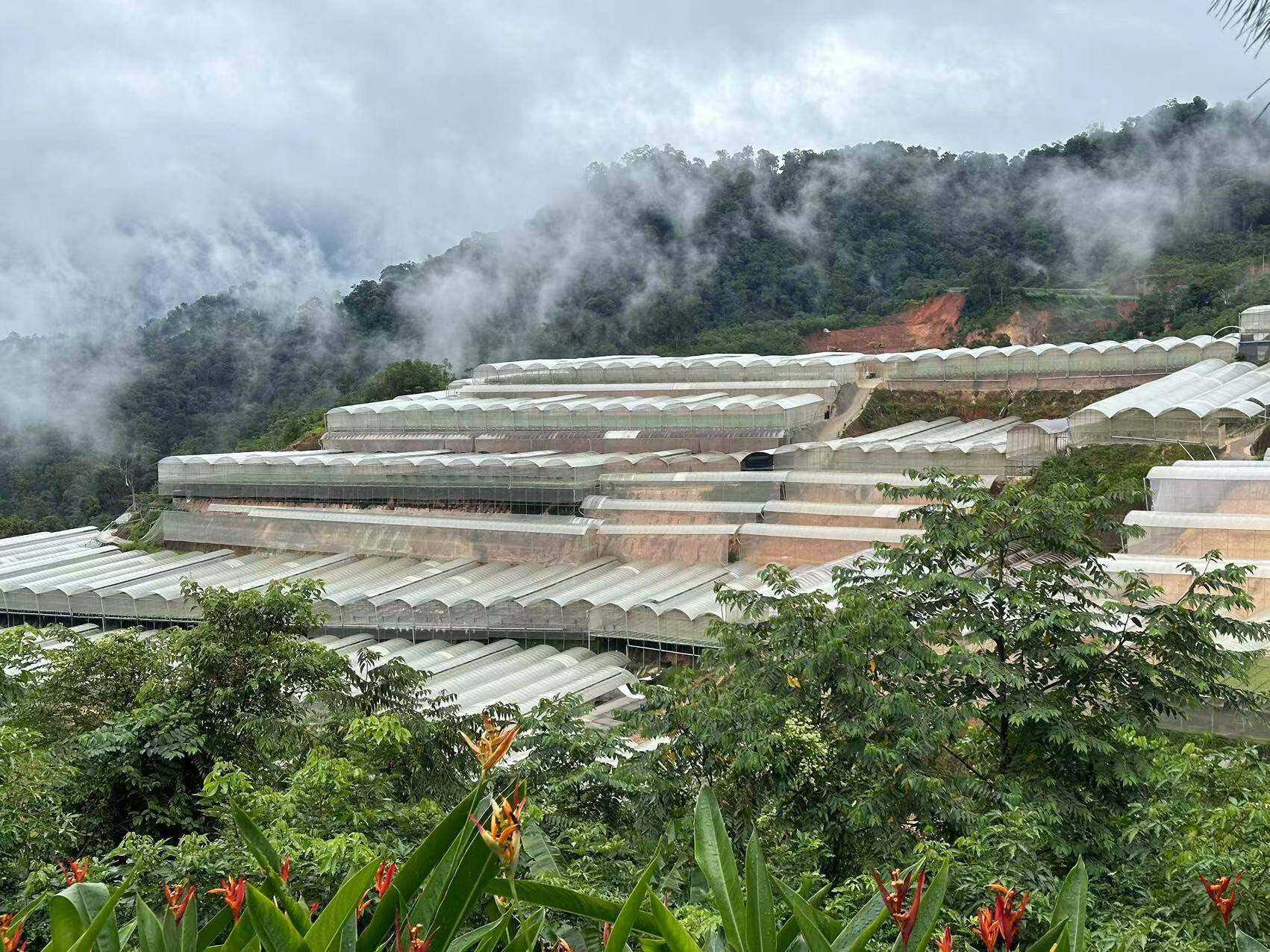
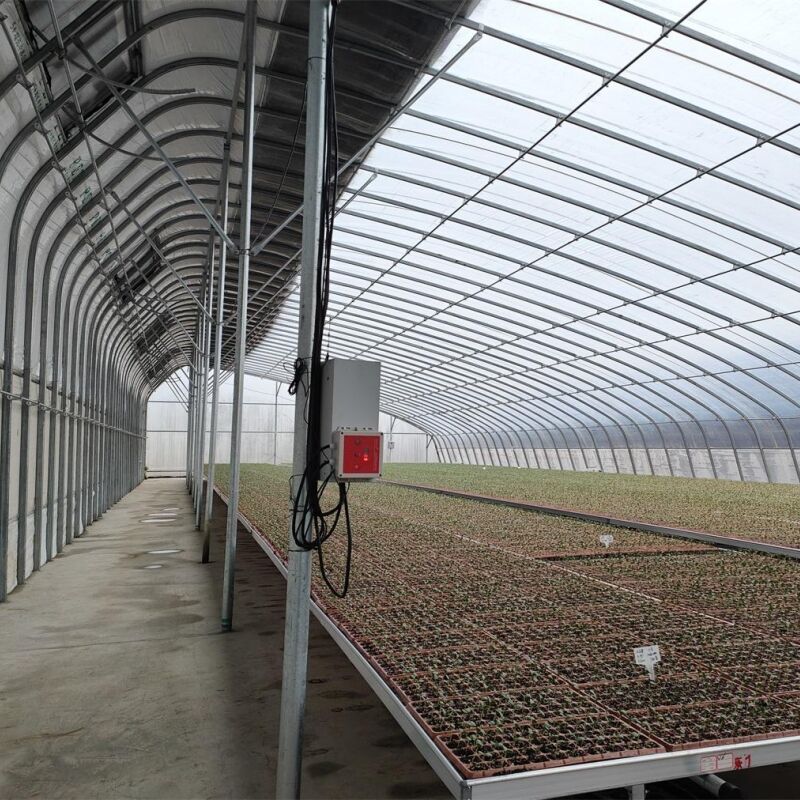
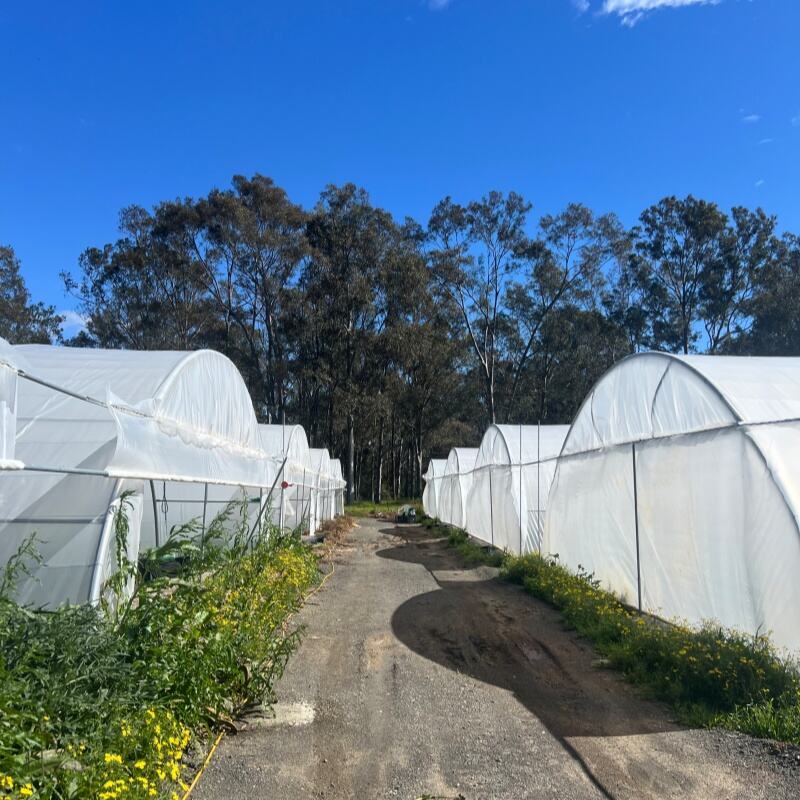
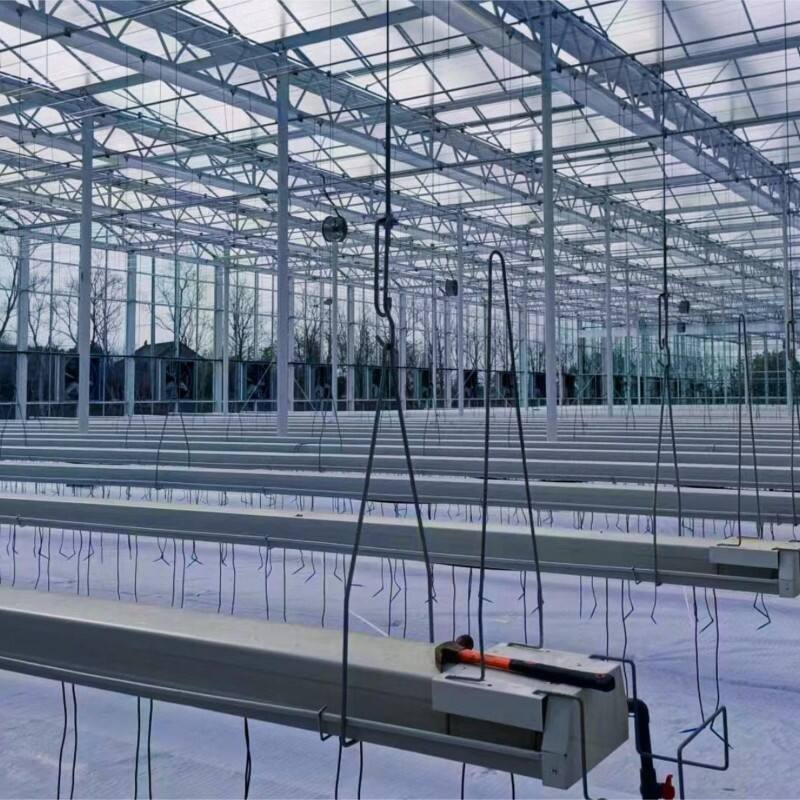
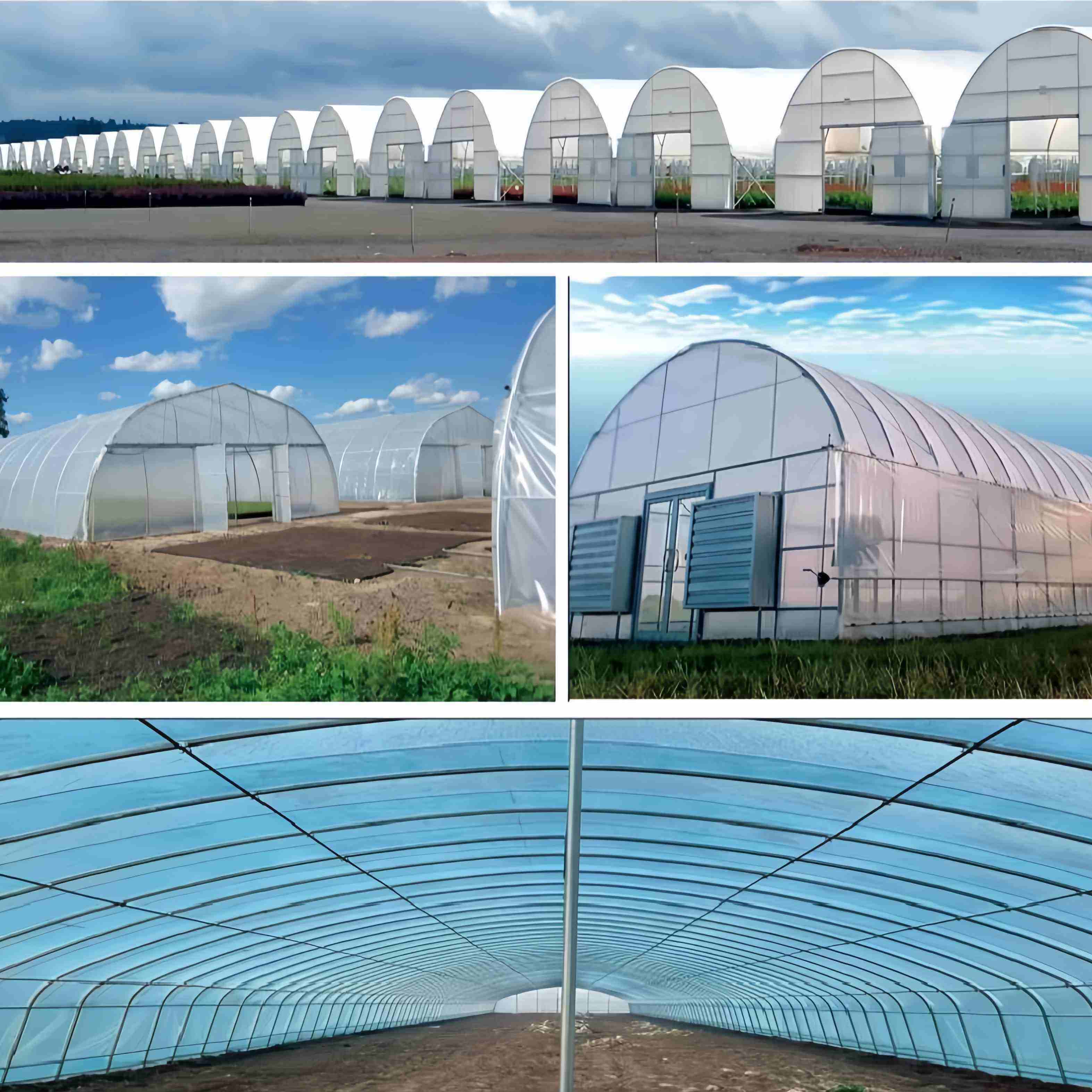
The green house of flowers represents a revolutionary approach to modern floriculture, combining advanced agricultural technology with environmental sustainability to create optimal growing conditions for diverse flower varieties. This innovative structure serves as a controlled environment facility designed specifically for flower cultivation, enabling year-round production regardless of external weather conditions or seasonal limitations. The green house of flowers utilizes sophisticated climate control systems that regulate temperature, humidity, light exposure, and air circulation to maximize plant health and bloom quality. These facilities incorporate energy-efficient technologies such as automated ventilation systems, programmable irrigation networks, and LED growing lights that consume significantly less power than traditional lighting solutions. The technological backbone of every green house of flowers includes computerized monitoring systems that track environmental parameters in real-time, allowing for precise adjustments that optimize growing conditions for specific flower species. Smart sensors continuously measure soil moisture levels, nutrient concentrations, and atmospheric conditions, providing data that helps maintain ideal growth environments. The applications of green house of flowers extend across commercial flower production, research facilities, educational institutions, and private collectors who demand consistent, high-quality blooms throughout the year. These structures accommodate everything from delicate orchids and roses to exotic tropical species that require specific temperature and humidity ranges. The green house of flowers also supports sustainable agriculture practices by reducing water consumption through efficient irrigation systems, minimizing pesticide use through controlled environments, and maximizing crop yields per square foot of growing space. Modern designs incorporate renewable energy sources like solar panels and geothermal systems, making the green house of flowers an environmentally responsible choice for contemporary flower production operations.
New Product Recommendations

The green house of flowers delivers substantial benefits that transform traditional flower cultivation into a highly efficient and profitable venture. Weather independence stands as the primary advantage, allowing growers to maintain consistent production schedules without worrying about frost, storms, or seasonal temperature fluctuations that typically devastate outdoor flower crops. This protection translates directly into reliable income streams and predictable harvest cycles that commercial growers can depend upon throughout the year. The controlled environment within a green house of flowers enables accelerated growth rates, often producing flowers 20-40% faster than outdoor cultivation methods while maintaining superior quality standards. Enhanced crop yields result from optimized growing conditions, with many facilities achieving two to three times the production capacity compared to traditional outdoor farming methods. The green house of flowers provides complete pest and disease control, eliminating the need for excessive pesticide applications while protecting valuable flower crops from insects, birds, and plant pathogens that commonly affect outdoor gardens. Water conservation becomes effortless through precision irrigation systems that deliver exact amounts of moisture directly to plant root zones, reducing water waste by up to 90% compared to conventional watering methods. Energy efficiency improvements come from modern insulation materials, automated climate controls, and renewable energy integration that significantly reduce operational costs over time. The green house of flowers enables specialty flower production, allowing growers to cultivate exotic varieties that command premium market prices but require specific environmental conditions impossible to maintain outdoors. Quality control reaches new heights as environmental factors remain constant, producing flowers with consistent colors, sizes, and bloom periods that meet demanding commercial standards. Reduced labor costs occur through automation systems that handle routine tasks like watering, fertilizing, and climate adjustments, freeing workers to focus on specialized activities like pruning and harvesting. Market advantages include extended selling seasons, ability to meet specific delivery dates, and production of off-season flowers that command higher prices due to limited availability from outdoor competitors.

Practical Tips

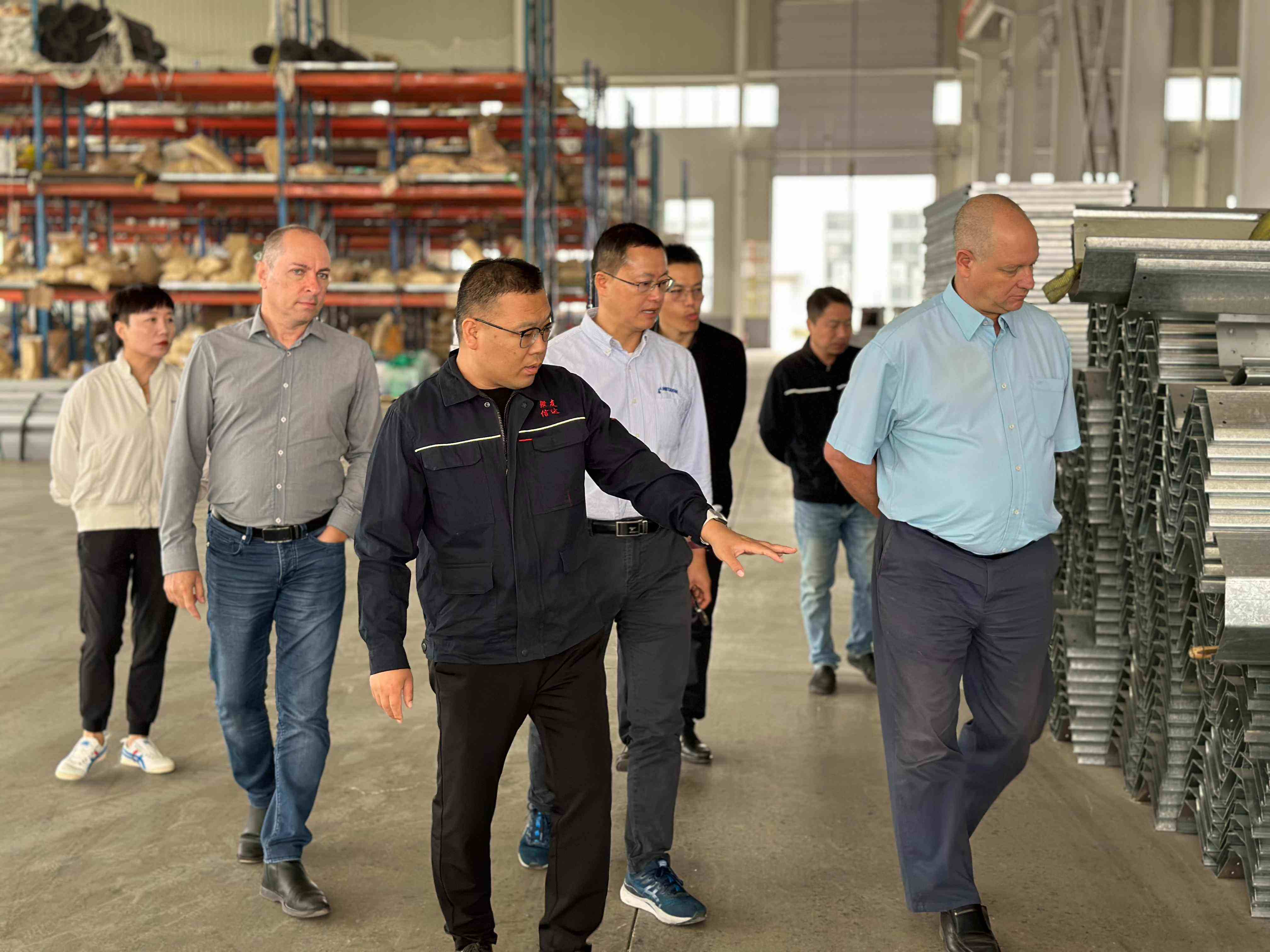
Forging a Powerful Alliance: Netafim and Juyou Xinda Unite to Reshape the Future of Smart Agriculture

28

Nov

Forging a Powerful Alliance: Netafim and Juyou Xinda Unite to Reshape the Future of Smart Agriculture

View More
Australian Greenhouse Company Visits Our Facilities to Explore New Collaboration on 50,000 Sq.m Strawberry Glass Greenhouse Project

28

Nov

Australian Greenhouse Company Visits Our Facilities to Explore New Collaboration on 50,000 Sq.m Strawberry Glass Greenhouse Project

View More
 Innovative Breakthrough: Our Company Successfully Delivers World's First Customized

28

Nov

Innovative Breakthrough: Our Company Successfully Delivers World's First Customized "Greenhouse for Fertilizer Drying" to Malaysian Client

View More

Get a Free Quote

Our representative will contact you soon.
Email
Tel or Whatsapp
Name
Company Name
Message
0/1000

green house of flowers

Advanced Climate Control Technology

Advanced Climate Control Technology

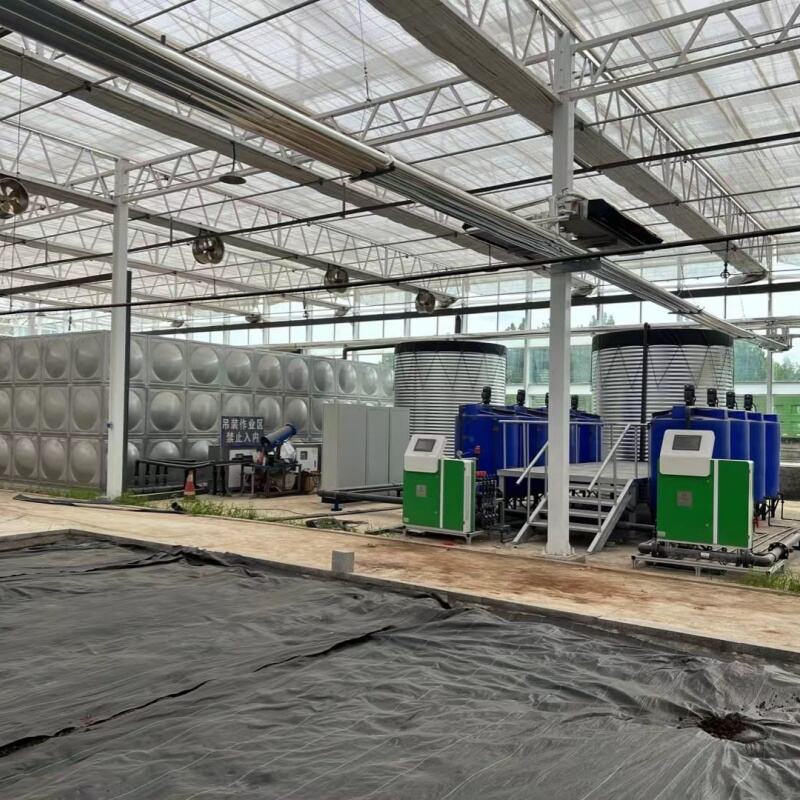
The sophisticated climate control system within every green house of flowers represents the pinnacle of agricultural engineering, providing unprecedented precision in environmental management that ensures optimal growing conditions for diverse flower varieties throughout the year. This comprehensive system integrates multiple technological components working in perfect harmony to create microclimates tailored to specific plant requirements. Temperature regulation occurs through a combination of automated heating systems, natural ventilation, and evaporative cooling mechanisms that maintain consistent temperatures within one-degree accuracy, regardless of external weather conditions. The green house of flowers utilizes smart thermostats connected to weather monitoring stations that anticipate temperature changes and adjust internal conditions proactively rather than reactively. Humidity control systems employ ultrasonic humidifiers and dehumidifiers that maintain optimal moisture levels for different flower species, preventing fungal diseases while ensuring adequate hydration for healthy plant development. Air circulation systems feature strategically positioned fans that create gentle airflow patterns, preventing stagnant air pockets that could harbor pests or diseases while ensuring carbon dioxide distribution throughout the growing space. The lighting system incorporates full-spectrum LED arrays that mimic natural sunlight patterns, providing customizable photoperiods that trigger specific flowering responses in different plant varieties. These intelligent systems learn from environmental data, continuously refining their operations to maximize efficiency while minimizing energy consumption. The green house of flowers benefits from computerized monitoring that tracks thousands of data points daily, creating detailed reports that help growers optimize their cultivation strategies and identify potential issues before they impact plant health or flower quality.
Sustainable Resource Management

Sustainable Resource Management

The green house of flowers exemplifies environmental responsibility through innovative resource management systems that dramatically reduce environmental impact while maximizing production efficiency and sustainability. Water conservation technologies form the foundation of these eco-friendly operations, utilizing closed-loop irrigation systems that capture, filter, and recycle water with remarkable efficiency. Drip irrigation networks deliver precise amounts of water directly to plant root zones, eliminating waste from evaporation or runoff while ensuring optimal soil moisture levels for healthy flower development. The green house of flowers incorporates rainwater harvesting systems that collect precipitation from roof surfaces, storing this valuable resource in underground tanks for use during dry periods. Nutrient management systems recycle fertilizer solutions, preventing agricultural runoff that could contaminate groundwater or nearby waterways while reducing chemical inputs by up to 50% compared to traditional farming methods. Energy sustainability comes through solar panel installations, geothermal heating systems, and wind power integration that significantly reduce reliance on fossil fuels. The green house of flowers utilizes thermal mass materials that store heat during sunny days and release it during cooler nights, naturally regulating temperatures with minimal energy input. Waste reduction programs compost organic plant materials, creating nutrient-rich soil amendments that support healthy plant growth while diverting waste from landfills. Carbon footprint reduction occurs through local production that eliminates transportation costs and emissions associated with importing flowers from distant growing regions. The green house of flowers promotes biodiversity by providing controlled environments where rare and endangered flower species can be cultivated and preserved for future generations. These sustainable practices not only benefit the environment but also reduce operational costs, making the green house of flowers an economically viable solution for environmentally conscious growers who want to minimize their ecological impact while maintaining profitable operations.
Year-Round Production Capabilities

Year-Round Production Capabilities

The year-round production capabilities of the green house of flowers revolutionize traditional flower cultivation by eliminating seasonal limitations and enabling continuous harvests that meet market demands regardless of external weather conditions or geographical constraints. This remarkable advantage transforms flower growing from a seasonal activity into a consistent, reliable business operation that generates steady income throughout all twelve months of the year. The controlled environment within the green house of flowers allows growers to manipulate day length, temperature cycles, and other environmental factors that trigger flowering in different species, essentially creating artificial seasons that can be adjusted to match market demands or special occasions. Valentine's Day roses, Mother's Day carnations, and Christmas poinsettias can be produced on schedule regardless of natural blooming periods, ensuring availability when consumers want these products most. The green house of flowers enables multiple harvest cycles for many flower varieties, with some species producing three to four crops annually compared to single outdoor harvests. This increased production frequency multiplies revenue potential while spreading risk across multiple growing cycles rather than depending on one seasonal harvest. Climate independence protects valuable flower crops from weather disasters that frequently devastate outdoor operations, including late spring frosts, summer droughts, hailstorms, and early winter freezes that can destroy entire seasonal investments. The green house of flowers provides market timing flexibility, allowing growers to delay or accelerate flowering schedules to coincide with peak demand periods when prices reach premium levels. Extended growing seasons mean reduced pressure during traditional planting and harvesting periods, enabling more efficient use of labor resources and equipment throughout the year. Storage and processing capabilities within the green house of flowers allow for post-harvest handling that maintains flower quality during distribution, extending shelf life and reducing waste. The ability to produce flowers year-round creates opportunities for contract growing arrangements with florists, event planners, and retail chains who require consistent supplies of specific flower varieties regardless of season.

Get a Free Quote

Our representative will contact you soon.
Email
Tel or Whatsapp
Name
Company Name
Message
0/1000