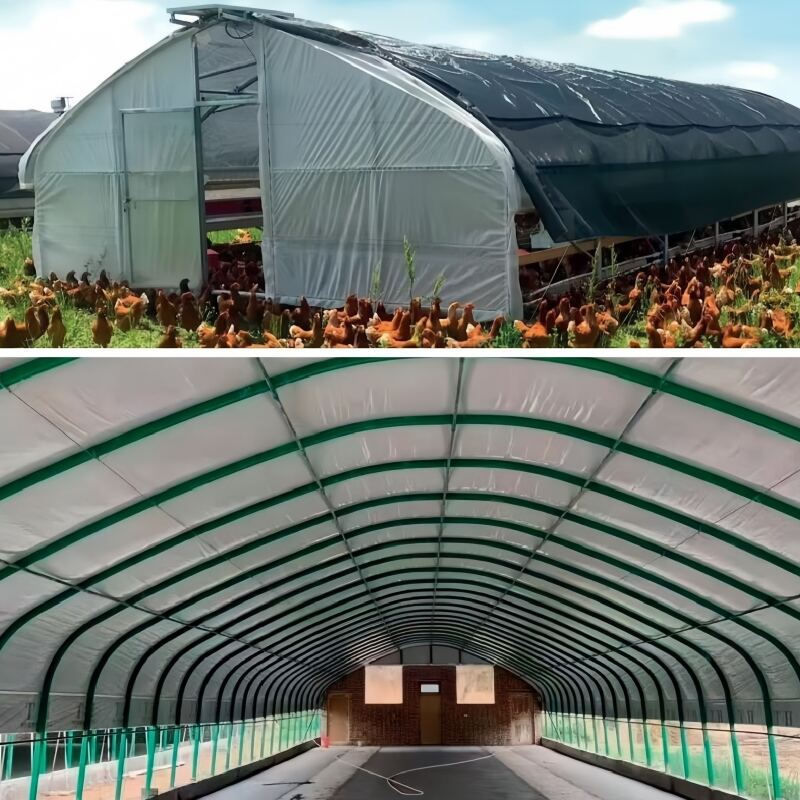
Premium Herbs Greenhouse Solutions: Advanced Climate-Controlled Growing Systems for Year-Round Herb Production

Welcome To JYXD-greenhouse

Get a Free Quote

Our representative will contact you soon.
Email
Tel or Whatsapp
Name
Company Name
Message
0/1000

herbs greenhouse

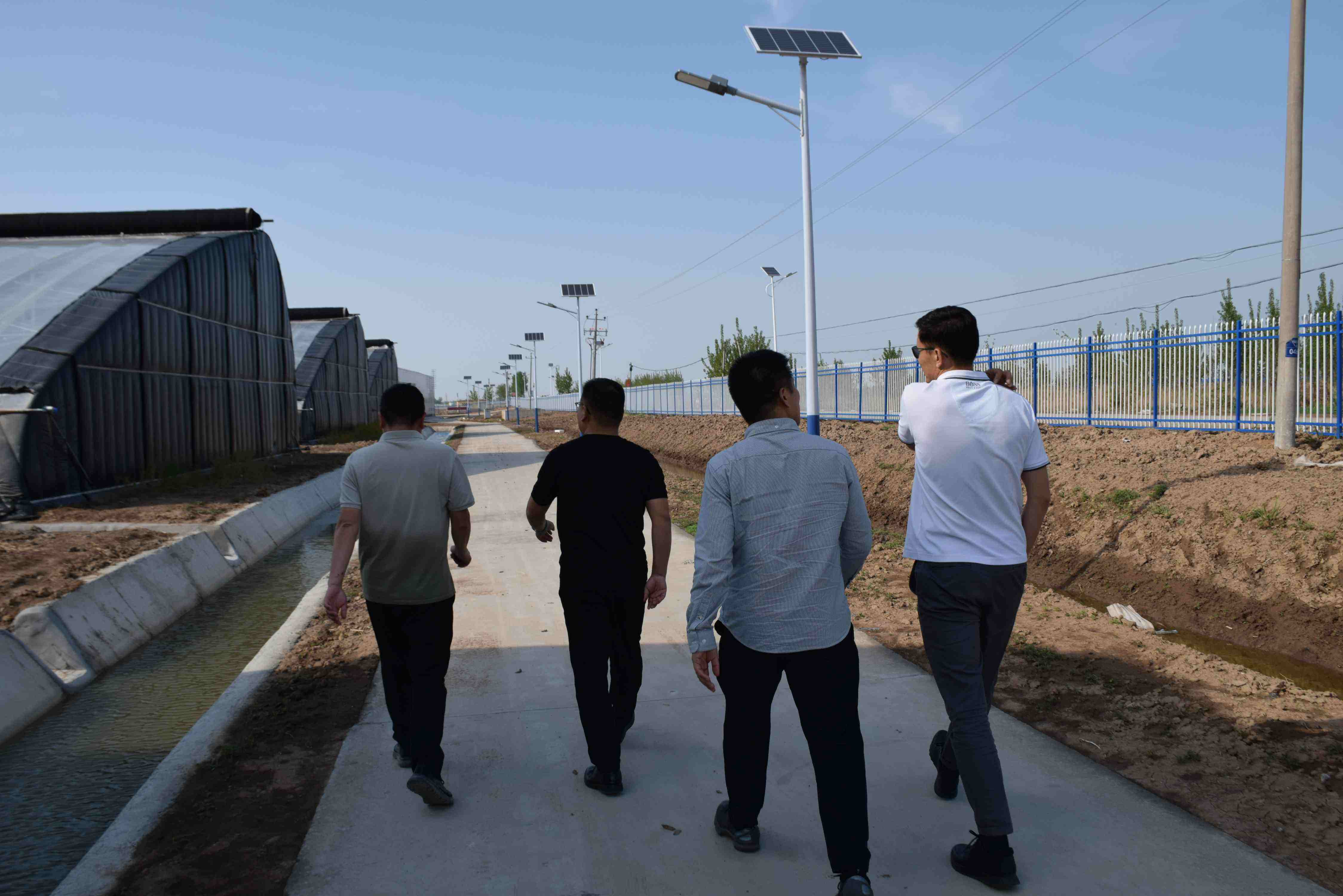
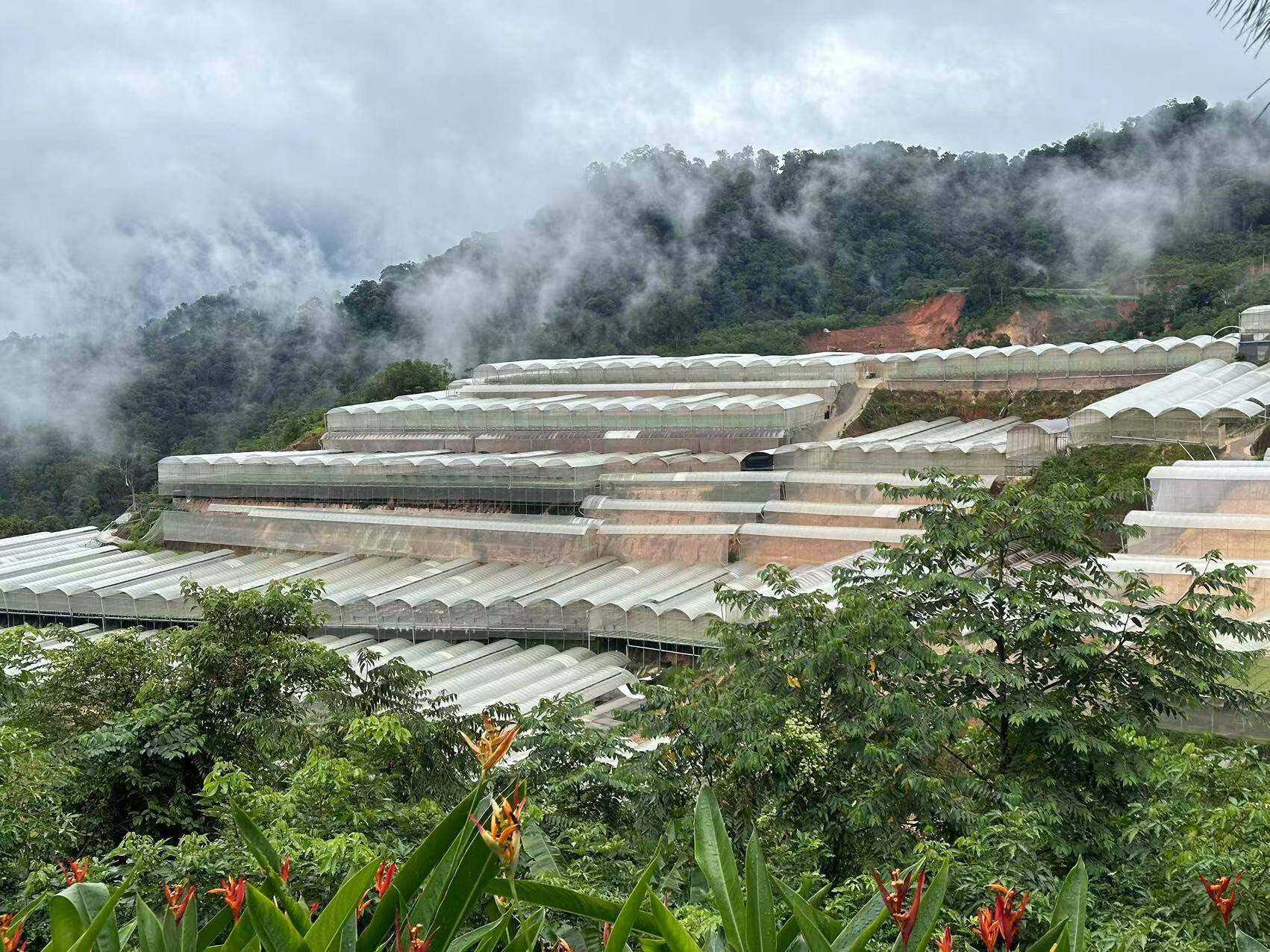
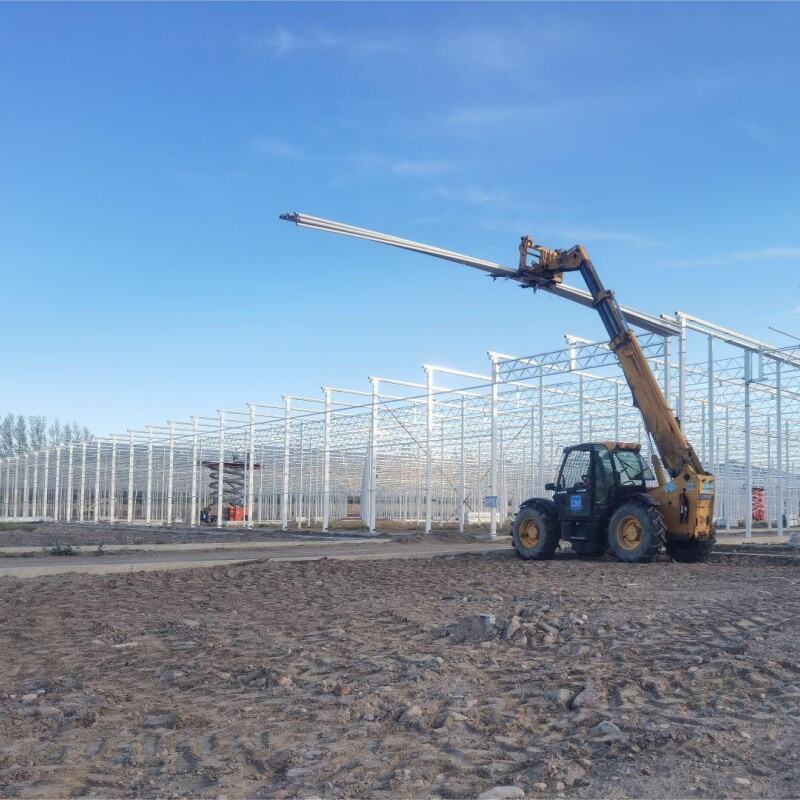
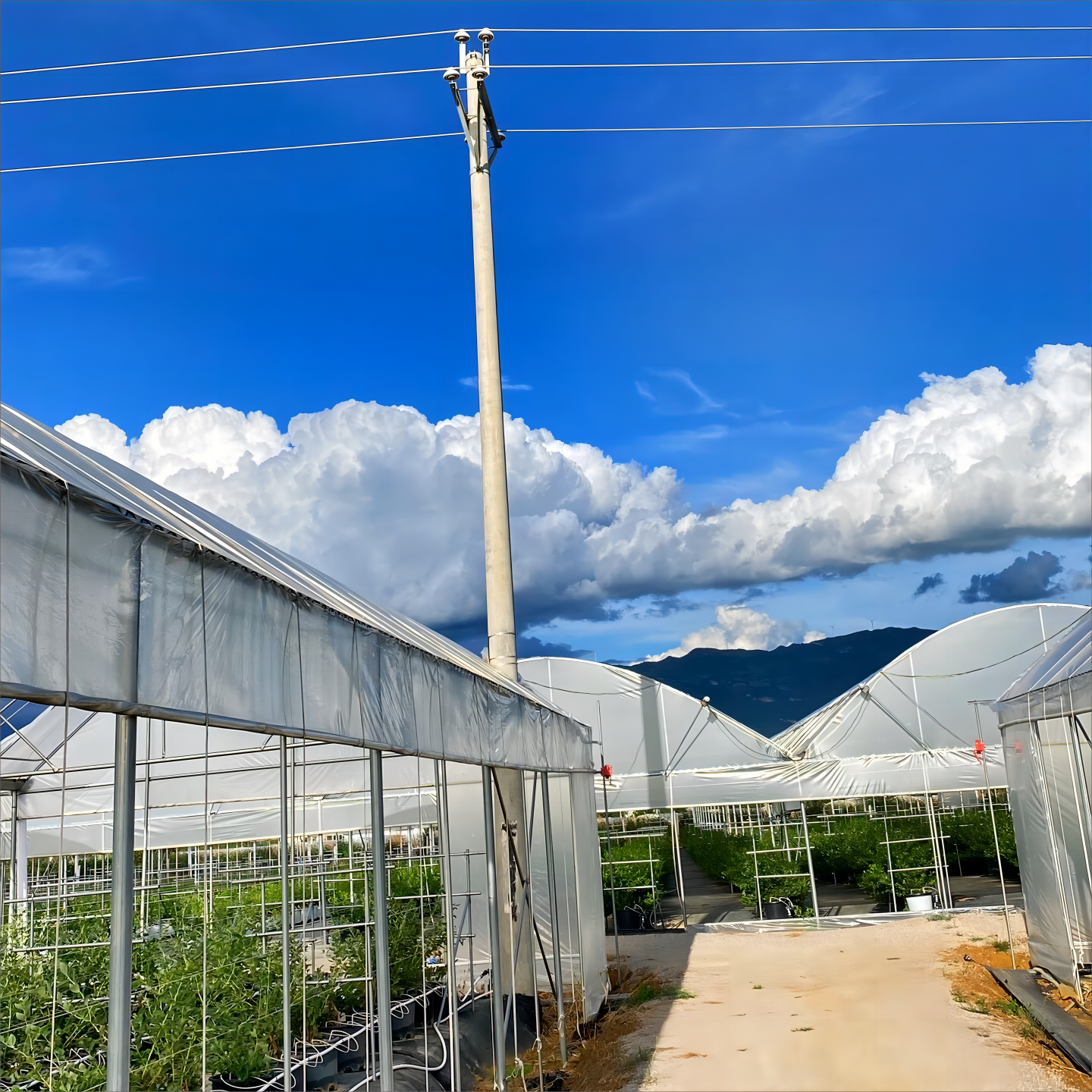
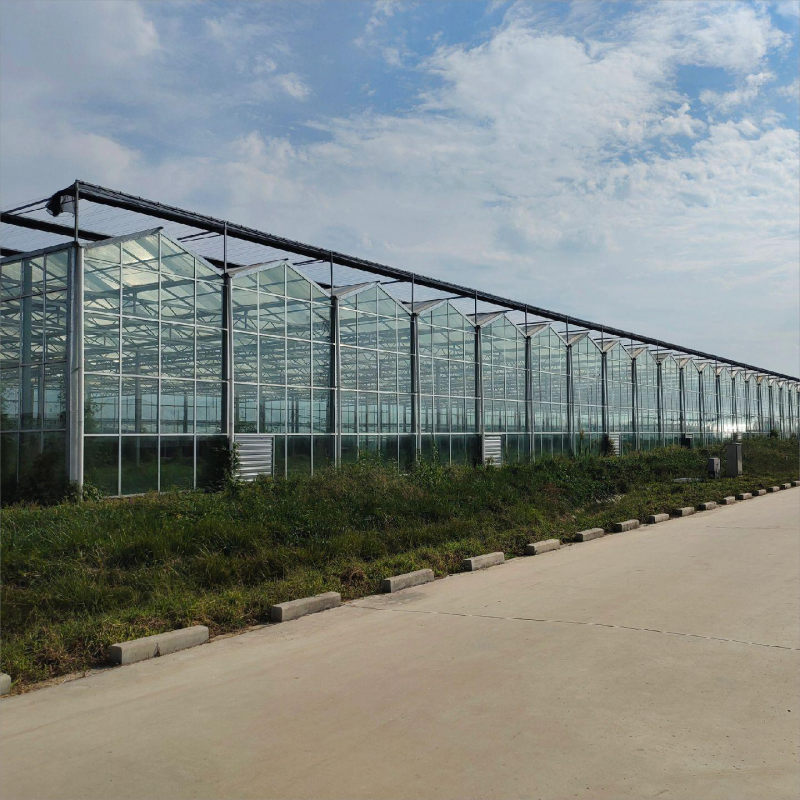
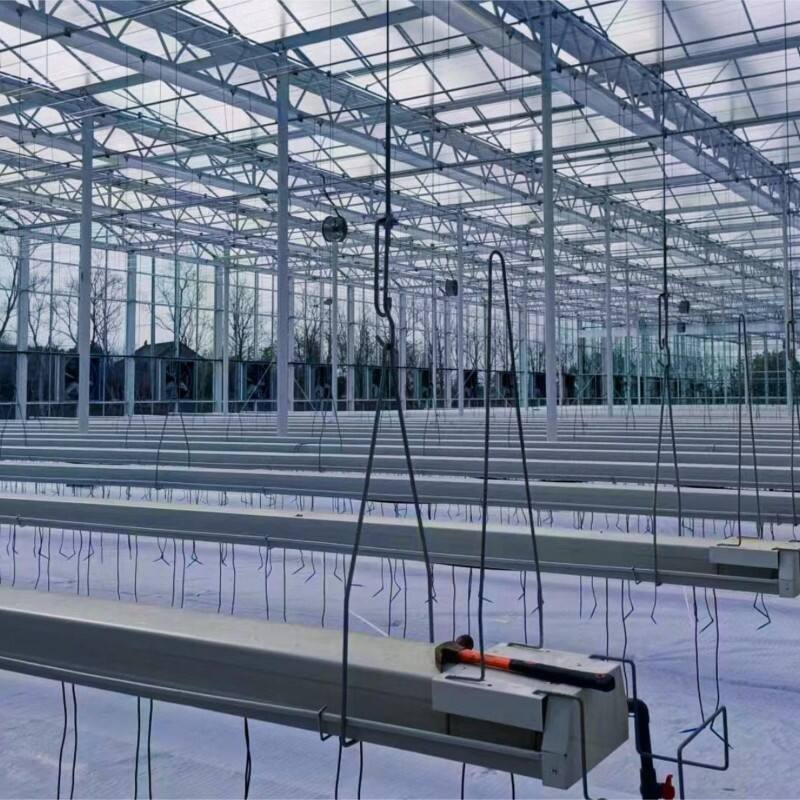
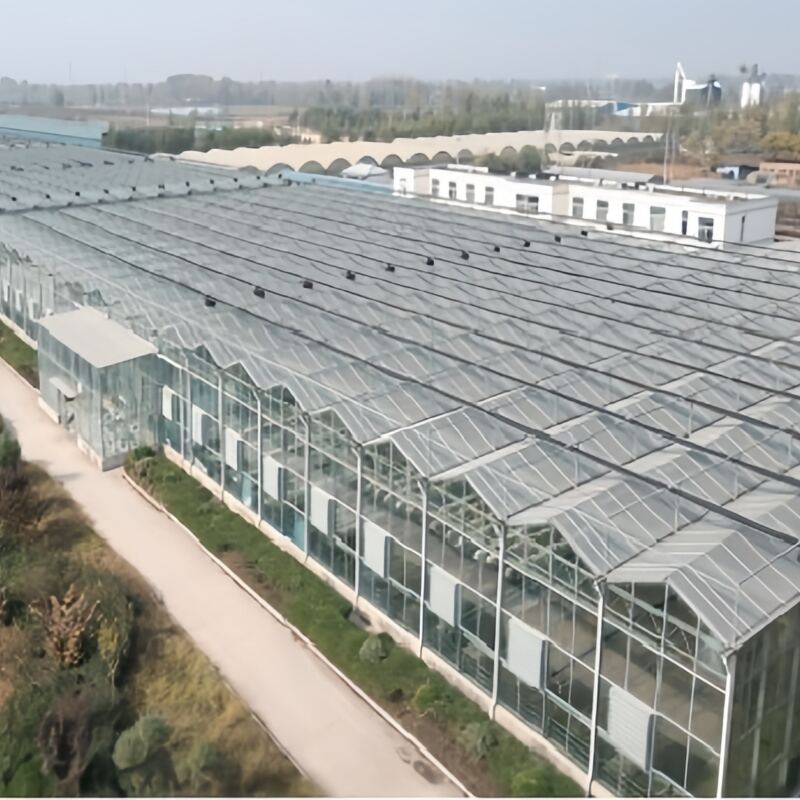
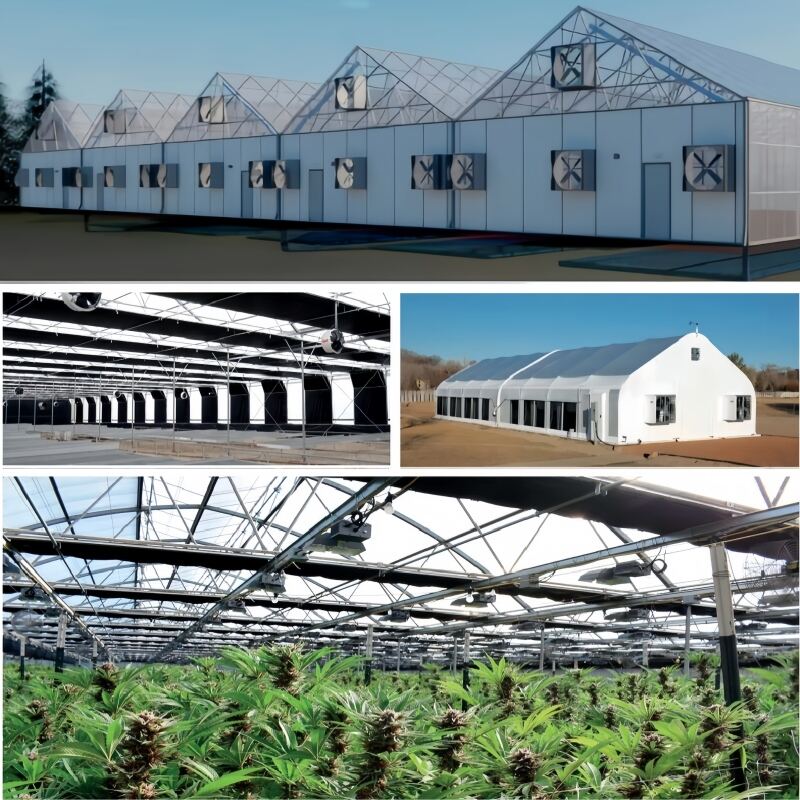
A herbs greenhouse represents a revolutionary approach to cultivating medicinal and culinary plants in controlled environments, offering year-round production capabilities regardless of external weather conditions. This sophisticated agricultural structure combines advanced climate control systems with specialized growing techniques to optimize herb cultivation. The herbs greenhouse features transparent panels that maximize natural light penetration while maintaining optimal temperature and humidity levels essential for healthy plant development. Modern herbs greenhouse facilities incorporate automated irrigation systems, precise ventilation controls, and advanced monitoring technology to ensure consistent growing conditions. The structure typically utilizes galvanized steel framing with polycarbonate or tempered glass panels, providing durability and excellent light transmission properties. Inside the herbs greenhouse, specialized benching systems accommodate various pot sizes and growing methods, from traditional soil cultivation to hydroponic systems. Temperature regulation within the herbs greenhouse relies on sophisticated heating and cooling systems that respond to real-time environmental data. The technological features include computerized climate control units that automatically adjust temperature, humidity, and air circulation based on predetermined parameters. Advanced herbs greenhouse designs incorporate energy-efficient LED grow lights to supplement natural sunlight during shorter daylight periods or cloudy conditions. Water management systems within the herbs greenhouse utilize drip irrigation and misting technology to deliver precise moisture levels to different plant species. The applications of herbs greenhouse technology extend across commercial farming operations, research institutions, educational facilities, and specialized medicinal plant cultivation. Professional growers utilize herbs greenhouse environments to produce consistent, high-quality herbs for pharmaceutical companies, restaurants, and retail markets. The controlled environment eliminates seasonal limitations, enabling continuous harvests throughout the year while protecting valuable crops from pests, diseases, and adverse weather conditions that could damage outdoor cultivation efforts.

Popular Products

The herbs greenhouse delivers exceptional advantages that transform traditional farming practices into efficient, profitable operations. Enhanced crop protection stands as the primary benefit, shielding valuable plants from unpredictable weather patterns, harmful insects, and disease outbreaks that frequently devastate outdoor crops. This controlled environment extends growing seasons significantly, allowing farmers to produce fresh herbs continuously throughout winter months when outdoor cultivation becomes impossible. The herbs greenhouse maximizes space utilization through vertical growing systems and optimized plant spacing, generating higher yields per square foot compared to traditional field cultivation methods. Water conservation emerges as another crucial advantage, with precision irrigation systems reducing water consumption by up to sixty percent while delivering exactly the right amount of moisture to each plant. Quality control reaches unprecedented levels within the herbs greenhouse environment, producing consistently superior products with enhanced potency, color, and flavor profiles that command premium market prices. Labor efficiency improves dramatically as workers operate in comfortable conditions year-round, eliminating weather-related delays and enabling scheduled harvesting regardless of external conditions. The herbs greenhouse provides complete control over growing conditions, allowing cultivators to optimize temperature, humidity, light exposure, and nutrient delivery for specific herb varieties. Pest management becomes significantly easier and more environmentally friendly, reducing or eliminating the need for harmful pesticides through integrated pest management systems and physical barriers. Energy efficiency features in modern herbs greenhouse designs include thermal screens, heat recovery systems, and efficient heating equipment that minimize operational costs while maintaining optimal growing conditions. Market advantages include the ability to supply fresh herbs during off-season periods when prices peak, creating substantial profit opportunities for forward-thinking growers. The herbs greenhouse enables diversification of crop varieties, allowing farmers to experiment with exotic or specialty herbs that require specific environmental conditions unavailable in outdoor settings. Investment returns accelerate through increased productivity, reduced crop losses, and premium pricing for consistently high-quality products that meet strict commercial standards.

Tips And Tricks

Forging a Powerful Alliance: Netafim and Juyou Xinda Unite to Reshape the Future of Smart Agriculture

28

Nov

Forging a Powerful Alliance: Netafim and Juyou Xinda Unite to Reshape the Future of Smart Agriculture

View More
Australian Greenhouse Company Visits Our Facilities to Explore New Collaboration on 50,000 Sq.m Strawberry Glass Greenhouse Project

28

Nov

Australian Greenhouse Company Visits Our Facilities to Explore New Collaboration on 50,000 Sq.m Strawberry Glass Greenhouse Project

View More
 Innovative Breakthrough: Our Company Successfully Delivers World's First Customized

28

Nov

Innovative Breakthrough: Our Company Successfully Delivers World's First Customized "Greenhouse for Fertilizer Drying" to Malaysian Client

View More

Get a Free Quote

Our representative will contact you soon.
Email
Tel or Whatsapp
Name
Company Name
Message
0/1000

herbs greenhouse

Advanced Climate Control Technology

Advanced Climate Control Technology

The sophisticated climate control technology integrated into modern herbs greenhouse systems represents the cornerstone of successful controlled environment agriculture. This comprehensive environmental management system utilizes state-of-the-art sensors, computerized controls, and automated response mechanisms to maintain optimal growing conditions with minimal human intervention. Temperature regulation within the herbs greenhouse operates through precision heating and cooling systems that respond instantly to environmental fluctuations, ensuring plants never experience stress from temperature variations. The system monitors internal temperatures continuously, comparing readings against predetermined setpoints for specific herb varieties and automatically activating heating or ventilation systems as needed. Humidity control mechanisms work in tandem with temperature systems, utilizing sophisticated dehumidification equipment and misting systems to maintain ideal moisture levels that prevent fungal diseases while promoting healthy plant transpiration. Advanced ventilation systems within the herbs greenhouse create optimal air circulation patterns that distribute fresh air evenly throughout the growing space, preventing stagnant air pockets that could harbor diseases or create uneven growing conditions. The computerized control interface allows operators to program different environmental profiles for various herb species, accommodating the unique requirements of basil, oregano, thyme, rosemary, and other popular cultivars within the same herbs greenhouse facility. Light management systems integrate seamlessly with climate controls, automatically adjusting supplemental LED lighting based on natural light levels, photoperiod requirements, and specific growth stages of different crops. Energy optimization algorithms built into the control system minimize operational costs by scheduling heating, cooling, and lighting operations during off-peak electricity rate periods while maintaining ideal plant growing conditions. Remote monitoring capabilities enable growers to supervise their herbs greenhouse operations from anywhere using smartphone applications or computer interfaces, receiving real-time alerts about environmental conditions and system performance. The integration of artificial intelligence and machine learning algorithms allows the climate control system to adapt and optimize performance based on historical data and plant responses, continuously improving efficiency and crop outcomes.
Sustainable Growing Environment

Sustainable Growing Environment

The herbs greenhouse creates an inherently sustainable growing environment that maximizes resource efficiency while minimizing environmental impact through innovative design and operational practices. Water conservation stands at the forefront of sustainability efforts, with closed-loop irrigation systems that capture and recycle water runoff, reducing overall consumption by substantial margins compared to traditional outdoor farming methods. The controlled environment within the herbs greenhouse eliminates the need for harmful pesticides and herbicides, promoting organic growing practices that produce cleaner, healthier herbs while protecting surrounding ecosystems from chemical contamination. Integrated pest management systems utilize beneficial insects, physical barriers, and biological controls to maintain pest populations at manageable levels without resorting to synthetic chemical interventions. Energy efficiency improvements through advanced insulation materials, thermal screens, and heat recovery systems significantly reduce the carbon footprint of herbs greenhouse operations while maintaining optimal growing conditions. Solar panel integration and renewable energy systems can power ventilation fans, irrigation pumps, and climate control equipment, further enhancing the environmental sustainability of herbs greenhouse facilities. Soil conservation benefits emerge through soilless growing systems that eliminate erosion concerns while enabling precise nutrient management that prevents groundwater contamination from excess fertilizers. The herbs greenhouse environment enables year-round production without seasonal crop rotations, maximizing land use efficiency and reducing the agricultural footprint required to meet market demand for fresh herbs. Waste reduction initiatives within herbs greenhouse operations include composting organic plant matter, recycling growing containers, and implementing circular economy principles that minimize disposal requirements. Carbon sequestration opportunities exist through strategic plant selection and growing practices that capture atmospheric carbon dioxide while producing valuable herb crops. Local food production capabilities reduce transportation requirements and associated carbon emissions when herbs greenhouse facilities locate near urban markets and distribution centers. Biodiversity enhancement occurs through the cultivation of heirloom and rare herb varieties that might otherwise disappear from commercial markets, preserving genetic diversity for future generations while meeting consumer demand for unique flavors and medicinal properties.
Year-Round Production Capability

Year-Round Production Capability

The year-round production capability of herbs greenhouse systems revolutionizes agricultural planning and market supply strategies by eliminating seasonal limitations that traditionally constrain herb cultivation. This continuous production advantage enables growers to maintain consistent harvests throughout winter months when outdoor temperatures would otherwise halt plant growth and kill sensitive herb varieties. The herbs greenhouse environment provides complete independence from external weather conditions, ensuring reliable crop production despite storms, droughts, extreme temperatures, or other climatic challenges that regularly disrupt traditional farming operations. Market timing advantages become significant when herbs greenhouse operators can supply fresh products during peak demand periods, particularly winter holidays and early spring when premium prices reflect limited supply from outdoor sources. Production scheduling flexibility allows herbs greenhouse managers to stagger plantings and coordinate harvests with specific market demands, ensuring optimal inventory turnover and minimizing waste from oversupply situations. The controlled environment enables cultivation of temperature-sensitive herbs that cannot survive outdoor conditions in many geographic regions, expanding the range of profitable crops available to local growers. Multiple harvest cycles become possible within the herbs greenhouse system, with fast-growing varieties like basil and cilantro producing several crops annually compared to single seasonal harvests in outdoor settings. Quality consistency improves dramatically through year-round production, as the herbs greenhouse environment eliminates weather-related stress factors that can affect plant appearance, flavor intensity, and overall marketability. Labor force stability benefits from continuous production schedules that provide steady employment opportunities throughout the year rather than seasonal work patterns that create staffing challenges. Supply chain reliability strengthens when restaurants, retailers, and food processors can depend on consistent herb deliveries regardless of season, building stronger business relationships and securing long-term contracts. Investment recovery accelerates through continuous revenue generation rather than seasonal income patterns, improving cash flow and enabling more aggressive expansion strategies for successful herbs greenhouse operations. Innovation opportunities expand when growers can experiment with new varieties and growing techniques throughout the year, developing expertise and refining production methods without waiting for specific growing seasons.

Get a Free Quote

Our representative will contact you soon.
Email
Tel or Whatsapp
Name
Company Name
Message
0/1000