Automated Production Management
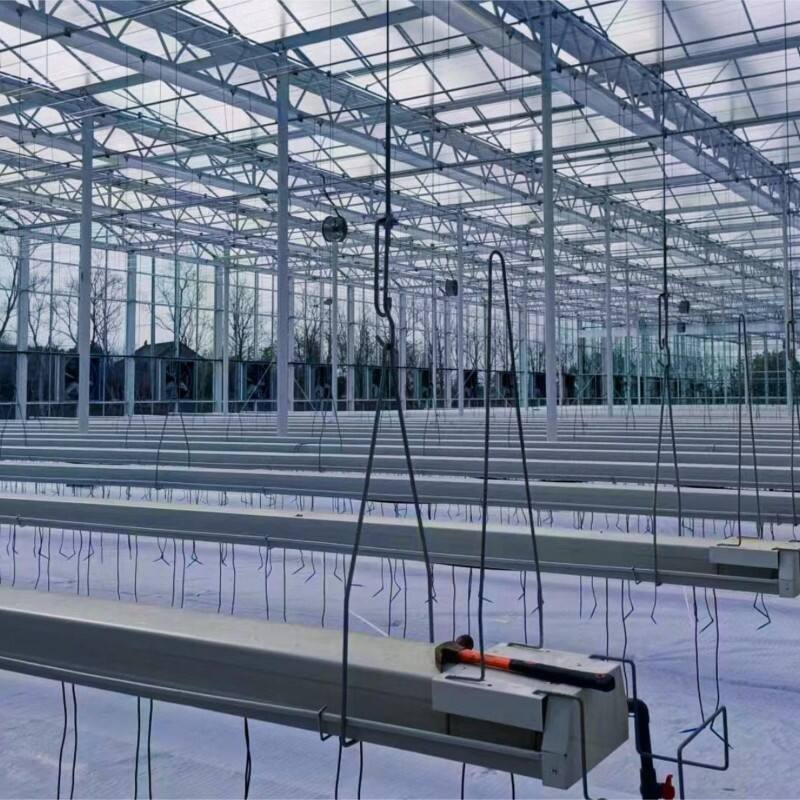
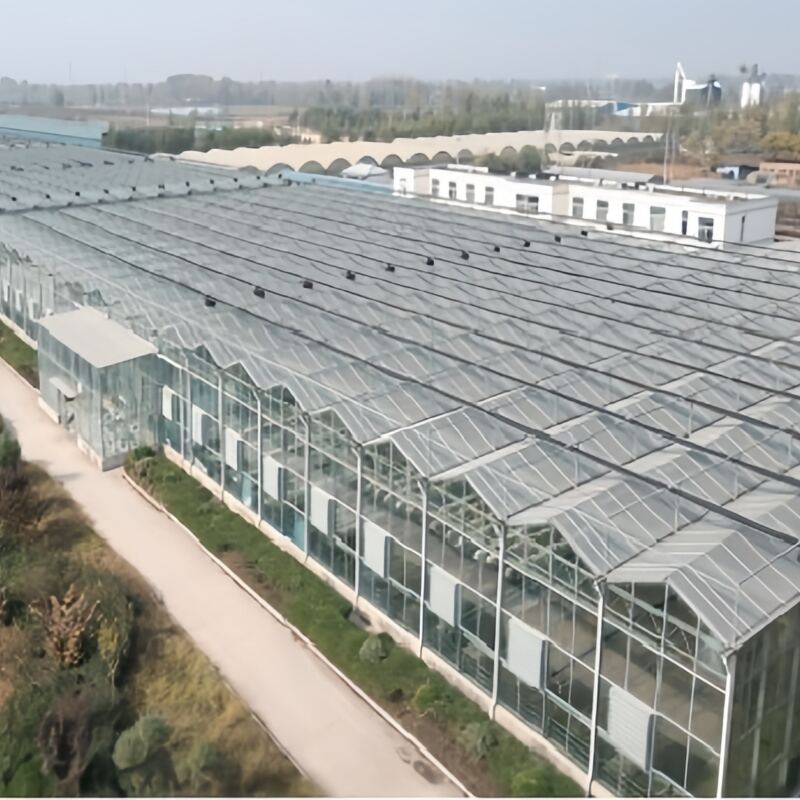
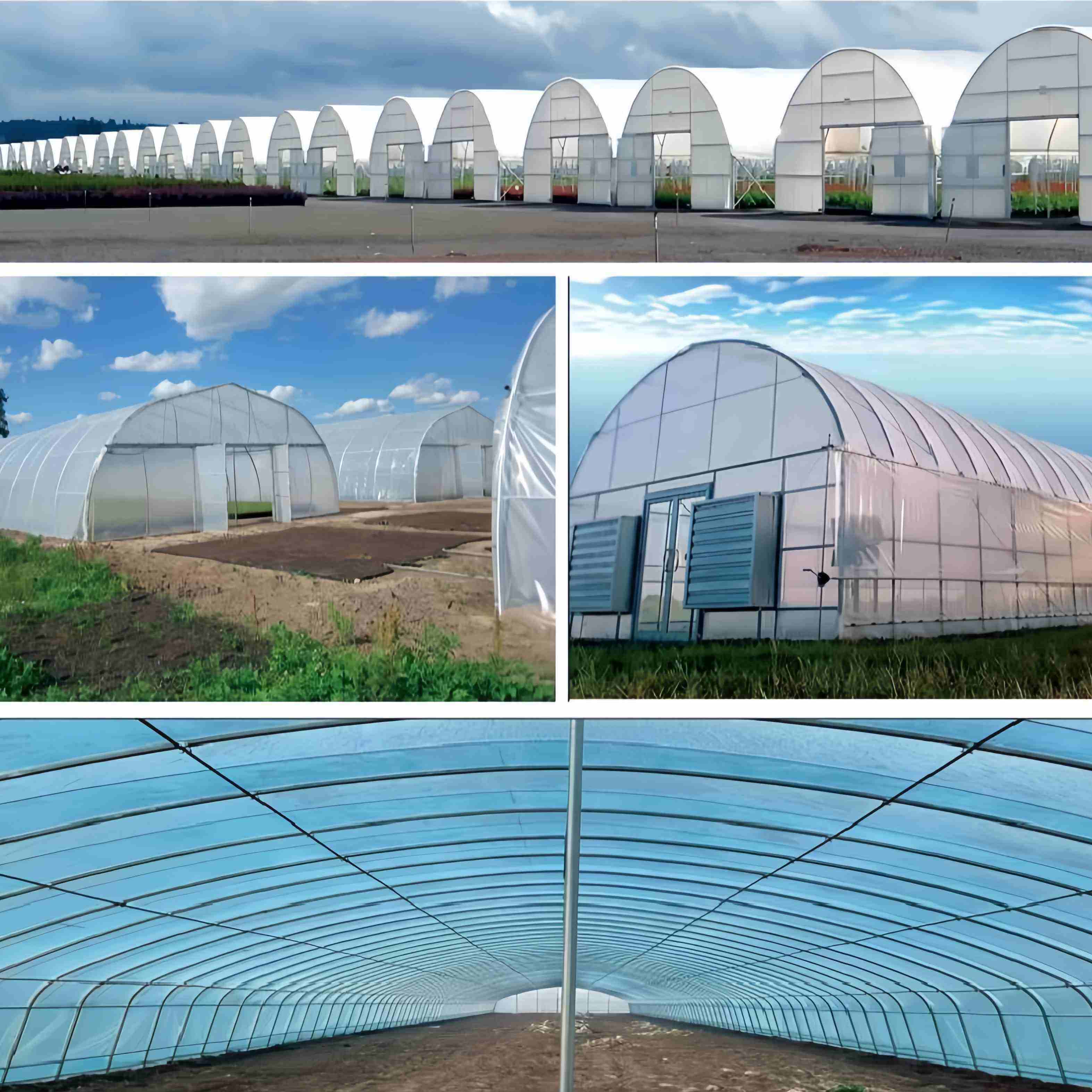
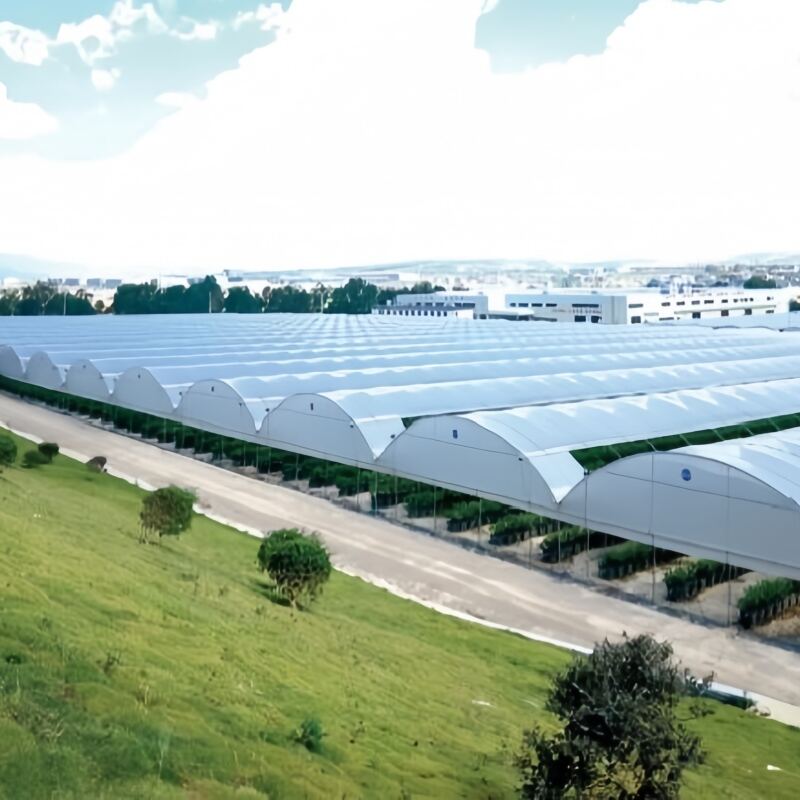
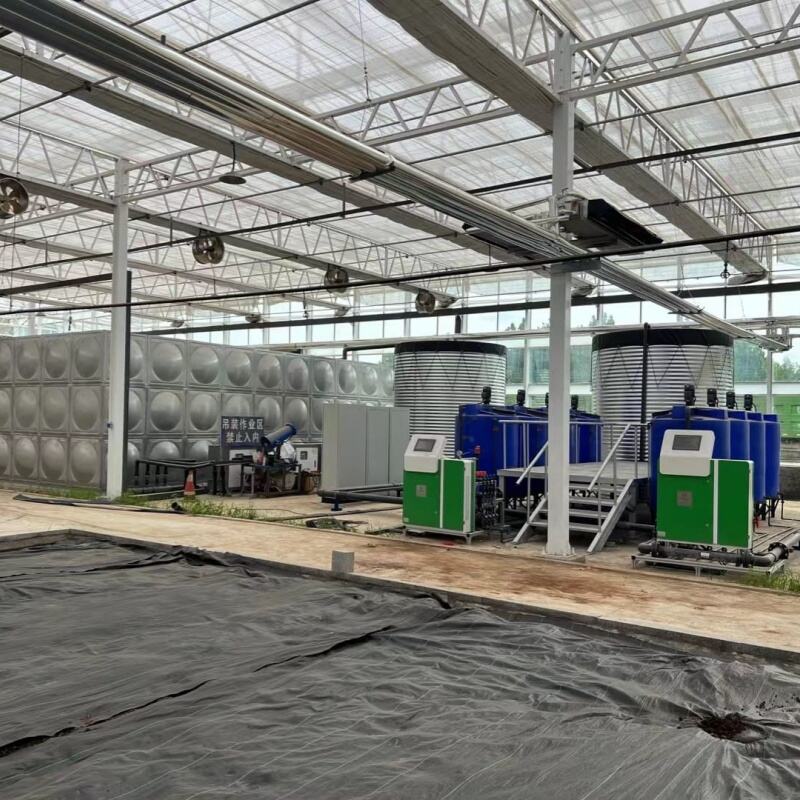
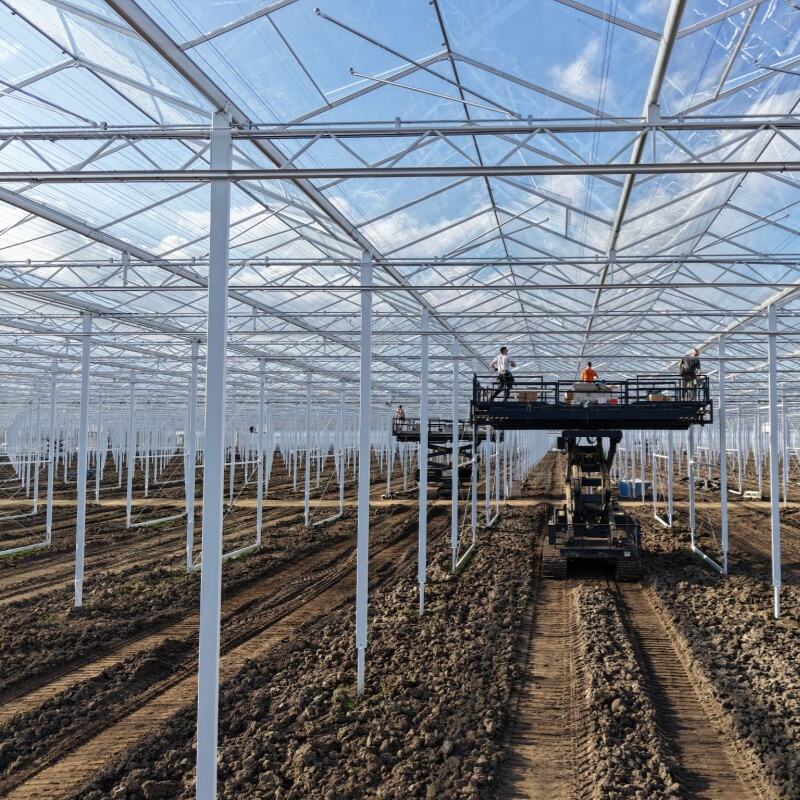
The greenhouse for lettuce incorporates comprehensive automated production management systems that streamline operations while maximizing efficiency and reducing labor requirements. These advanced automation technologies include robotic seeding systems that precisely place seeds at optimal spacing and depth, ensuring uniform germination rates and consistent plant development. Automated transplanting equipment moves seedlings from germination trays to final growing positions with minimal human intervention, reducing labor costs while maintaining consistent planting schedules. The greenhouse for lettuce features computerized irrigation systems that deliver precise amounts of water and nutrients based on real-time plant needs and environmental conditions. Automated fertilizer injection systems blend nutrient solutions to exact specifications and deliver them through sophisticated distribution networks that ensure every plant receives optimal nutrition. Climate control automation responds instantaneously to environmental changes, maintaining perfect growing conditions without constant human monitoring and adjustment. The greenhouse for lettuce utilizes automated pest monitoring systems that detect insect activity and automatically activate appropriate control measures such as beneficial insect releases or targeted treatments. Harvesting automation includes conveyor systems and sorting equipment that streamline crop collection and packaging processes. Data logging systems automatically record all production parameters, creating detailed records for quality control, compliance reporting, and performance optimization. The greenhouse for lettuce incorporates predictive analytics that analyze historical data to optimize planting schedules, resource allocation, and harvest timing. Automated cleaning systems maintain facility hygiene through scheduled disinfection cycles that reduce contamination risks. Inventory management automation tracks seed usage, nutrient consumption, and harvest quantities to optimize supply chain efficiency. The integrated automation systems communicate through central control platforms that provide comprehensive oversight of all production activities. Remote monitoring capabilities allow farmers to oversee greenhouse operations from any location, receiving alerts about system issues or optimal harvest timing. Energy management automation optimizes power consumption by coordinating heating, cooling, and lighting systems based on real-time requirements and utility rate schedules.
 EN
EN