Best Greenhouse for Vegetables: Complete Guide to Year-Round Growing Success

Welcome To JYXD-greenhouse

Get a Free Quote

Our representative will contact you soon.
Email
Tel or Whatsapp
Name
Company Name
Message
0/1000

best greenhouse for vegetables

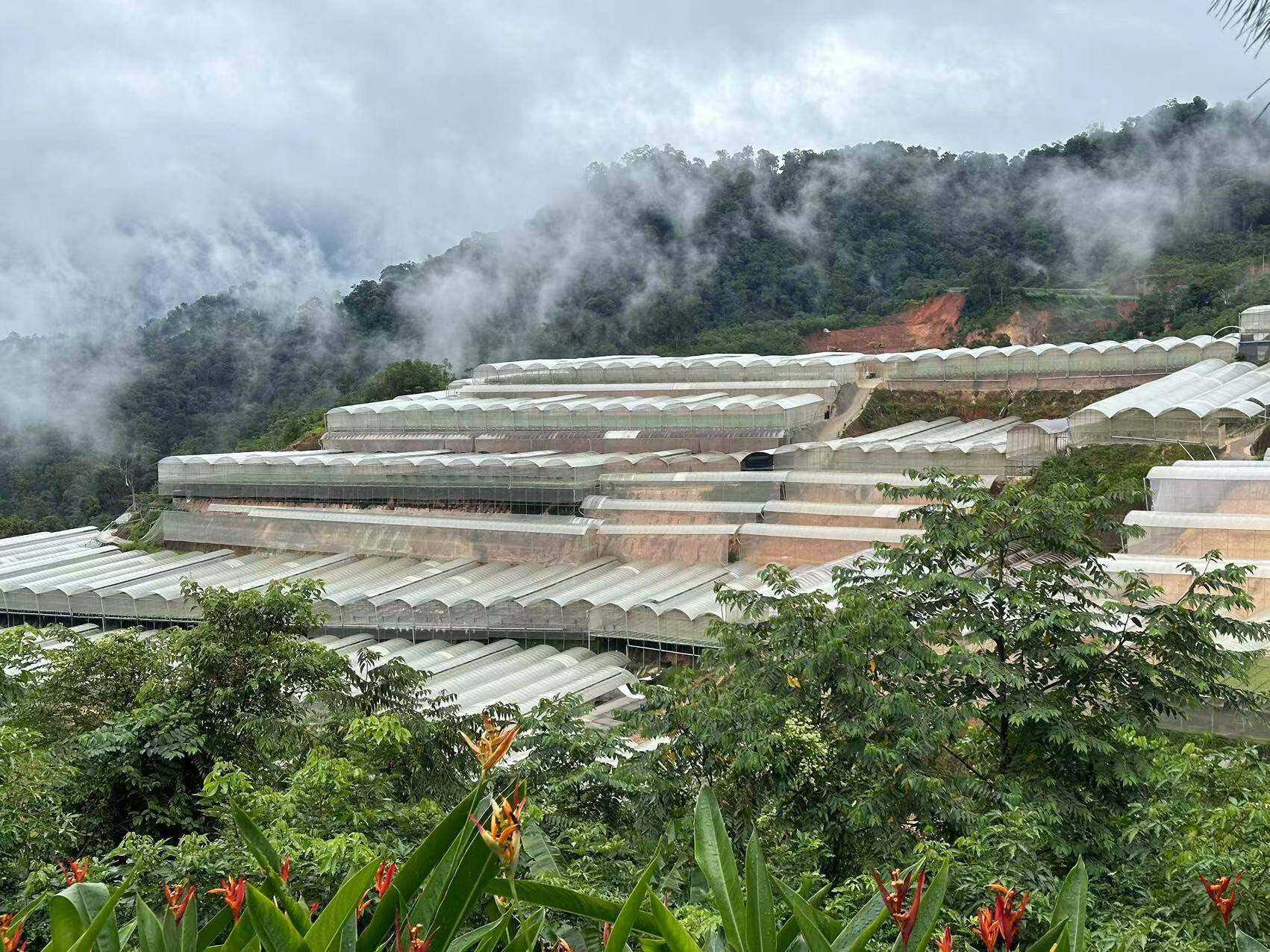
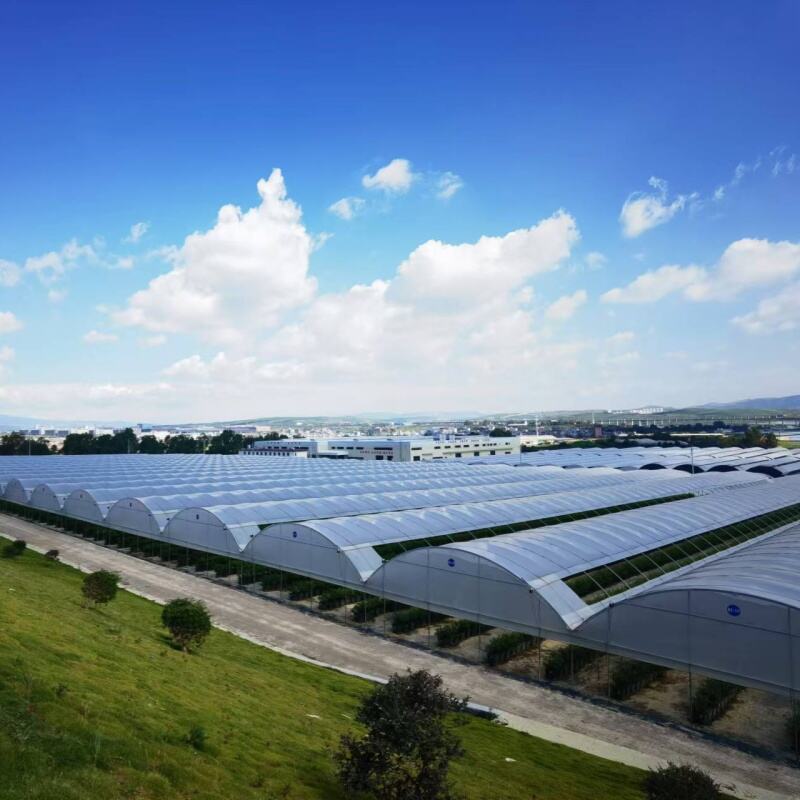
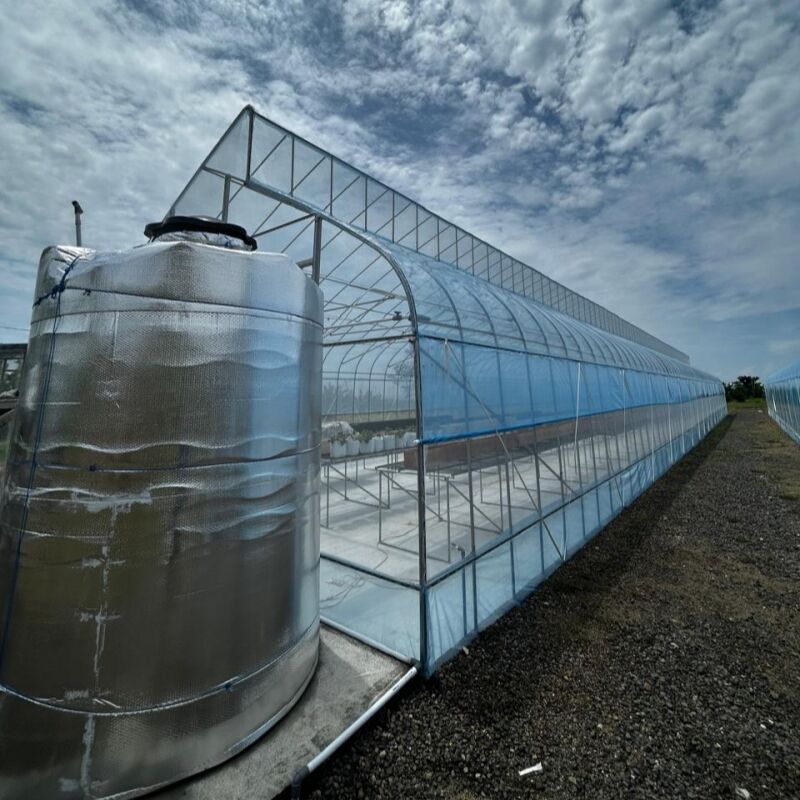
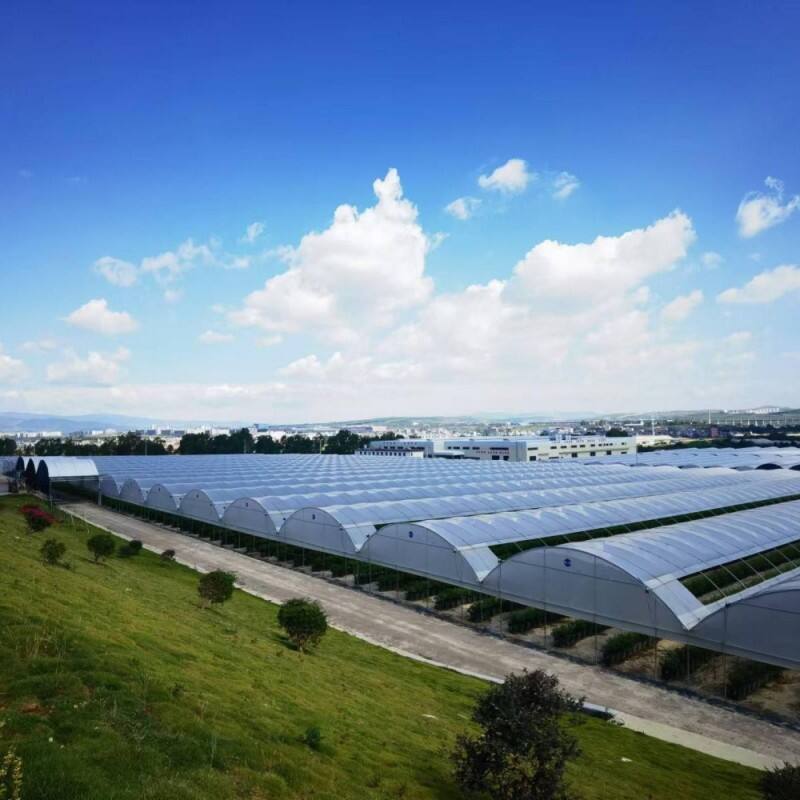
The best greenhouse for vegetables represents a sophisticated growing environment engineered to optimize plant cultivation while providing complete environmental control. Modern vegetable greenhouses integrate advanced climate management systems, automated irrigation networks, and precision monitoring technology to create ideal growing conditions year-round. These structures utilize high-grade polycarbonate or tempered glass panels that maximize light transmission while providing superior insulation properties. The best greenhouse for vegetables incorporates multi-zone climate control, allowing gardeners to maintain different temperature and humidity levels across various growing areas. Smart ventilation systems automatically adjust airflow based on internal conditions, preventing fungal diseases and maintaining optimal air circulation. Hydroponic and soil-based growing systems can be seamlessly integrated, offering flexibility in cultivation methods. LED supplemental lighting systems provide full-spectrum illumination during low-light periods, ensuring consistent photosynthesis rates. Water management features include automated drip irrigation, nutrient delivery systems, and rainwater collection capabilities. Structural integrity remains paramount, with reinforced frames capable of withstanding harsh weather conditions while maintaining stable internal environments. Energy-efficient heating and cooling systems reduce operational costs while maintaining precise temperature control. The best greenhouse for vegetables supports extended growing seasons, enabling year-round production of tomatoes, peppers, cucumbers, leafy greens, and herbs. Integrated pest management systems include screened vents and beneficial insect habitats. Digital monitoring platforms allow remote temperature, humidity, and nutrient level tracking through smartphone applications. Modular designs enable expansion as growing needs increase. These greenhouses significantly improve crop yields, reduce water consumption, eliminate pesticide dependency, and provide protection from extreme weather events, making them essential investments for serious vegetable gardeners seeking maximum productivity and quality harvests.
New Product Recommendations

The best greenhouse for vegetables delivers remarkable benefits that transform traditional gardening into a highly productive and efficient cultivation system. Temperature regulation stands as the primary advantage, allowing gardeners to maintain optimal growing conditions regardless of external weather patterns. This controlled environment extends growing seasons dramatically, enabling continuous vegetable production throughout winter months when outdoor gardening becomes impossible. Crop yields increase substantially within greenhouse environments, often producing three to four times more vegetables per square foot compared to traditional outdoor gardening methods. Protection from adverse weather conditions eliminates crop losses from hailstorms, heavy rainfall, frost, and extreme temperature fluctuations that commonly devastate outdoor gardens. Water conservation becomes highly efficient through controlled irrigation systems that deliver precise moisture levels directly to plant root zones, reducing water waste by up to seventy percent compared to conventional watering methods. The best greenhouse for vegetables creates barriers against common garden pests, reducing or eliminating the need for harmful chemical pesticides while promoting healthier produce. Disease prevention improves significantly as controlled environments limit fungal infections and bacterial diseases that thrive in fluctuating outdoor conditions. Consistent growing conditions produce higher-quality vegetables with better flavor profiles, improved nutritional content, and enhanced visual appeal. Space utilization becomes maximized through vertical growing systems and intensive planting techniques that increase production capacity within limited areas. Labor efficiency improves as all gardening activities occur within a contained, organized environment that reduces time spent on weeding, pest control, and weather-related maintenance. Economic benefits accumulate through reduced grocery expenses, elimination of transportation costs, and potential income generation from surplus vegetable sales. Environmental impact decreases through reduced carbon footprints associated with commercial vegetable transportation and packaging. The best greenhouse for vegetables provides educational opportunities for families, teaching sustainable growing practices while ensuring access to fresh, organic produce year-round. Investment returns become evident through lower food costs, improved family health, and increased property values associated with well-designed greenhouse installations.

Latest News

Forging a Powerful Alliance: Netafim and Juyou Xinda Unite to Reshape the Future of Smart Agriculture

28

Nov

Forging a Powerful Alliance: Netafim and Juyou Xinda Unite to Reshape the Future of Smart Agriculture

View More
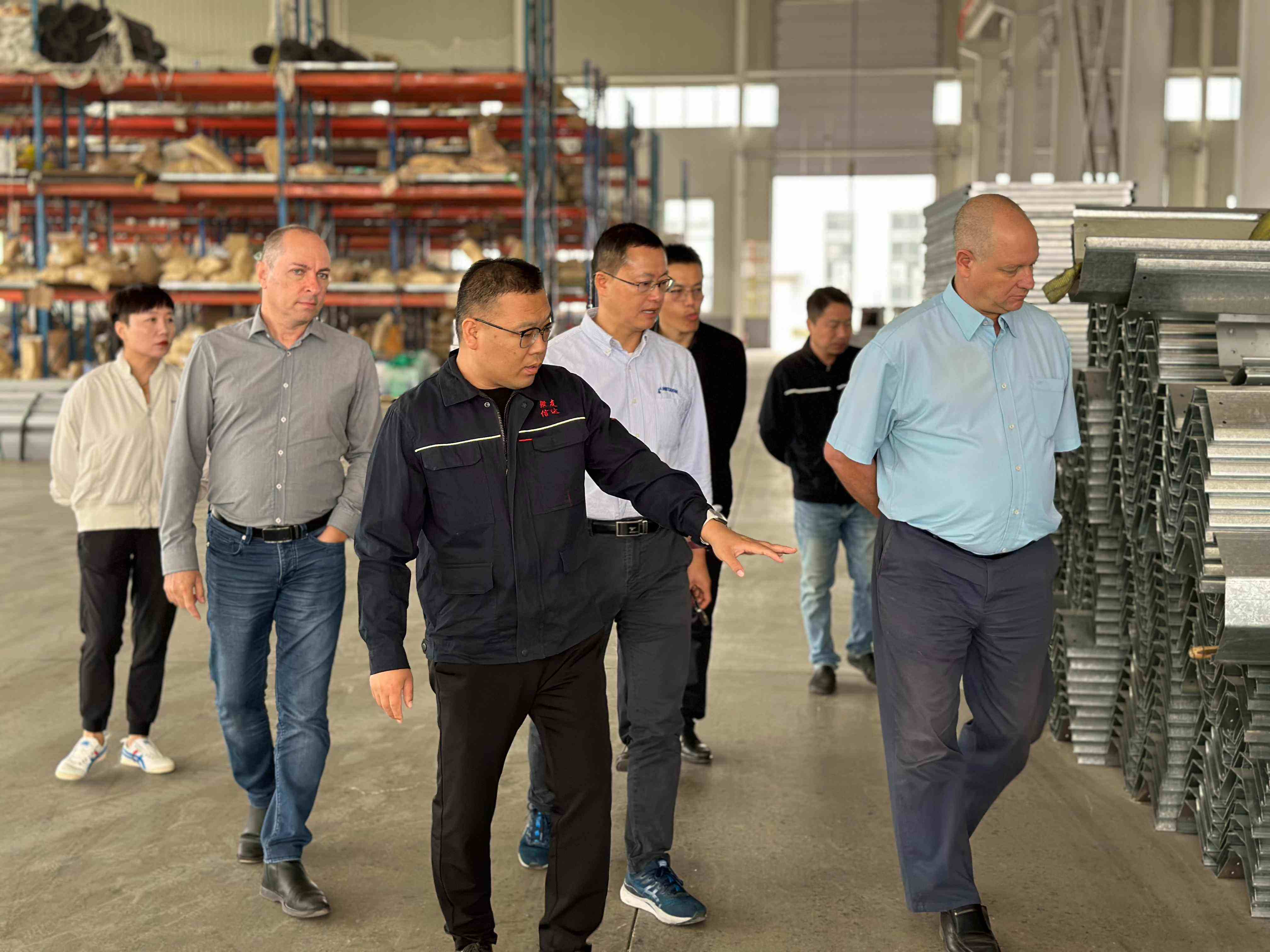
Australian Greenhouse Company Visits Our Facilities to Explore New Collaboration on 50,000 Sq.m Strawberry Glass Greenhouse Project

28

Nov

Australian Greenhouse Company Visits Our Facilities to Explore New Collaboration on 50,000 Sq.m Strawberry Glass Greenhouse Project

View More
 Innovative Breakthrough: Our Company Successfully Delivers World's First Customized

28

Nov

Innovative Breakthrough: Our Company Successfully Delivers World's First Customized "Greenhouse for Fertilizer Drying" to Malaysian Client

View More

Get a Free Quote

Our representative will contact you soon.
Email
Tel or Whatsapp
Name
Company Name
Message
0/1000

best greenhouse for vegetables

Advanced Climate Control Technology for Optimal Growing Conditions

Advanced Climate Control Technology for Optimal Growing Conditions

The best greenhouse for vegetables incorporates state-of-the-art climate control technology that revolutionizes vegetable cultivation by maintaining precise environmental parameters throughout all seasons. This sophisticated system combines automated temperature regulation, humidity control, and air circulation management to create optimal growing conditions that maximize plant health and productivity. Digital thermostats monitor internal temperatures continuously, automatically activating heating systems during cold periods and ventilation fans when temperatures exceed optimal ranges. Humidity sensors detect moisture levels in real-time, triggering misting systems or dehumidifiers to maintain ideal atmospheric conditions for different vegetable varieties. The integrated climate control system prevents common growing problems such as fungal diseases caused by excessive moisture, plant stress from temperature fluctuations, and reduced photosynthesis rates due to inadequate air circulation. Advanced sensors communicate with central control units that can be programmed for specific vegetable requirements, ensuring tomatoes receive different environmental settings than leafy greens or root vegetables. Remote monitoring capabilities allow gardeners to track and adjust growing conditions from smartphones or computers, receiving alerts when parameters fall outside optimal ranges. Energy-efficient heat exchange systems capture and redistribute warm air, reducing operational costs while maintaining consistent temperatures. Automated window and vent opening systems respond to changing conditions without manual intervention, ensuring continuous air circulation that prevents stagnant conditions harmful to plant development. The climate control technology extends growing seasons indefinitely, enabling winter production of summer vegetables and year-round harvests that would be impossible in traditional outdoor gardens. This technological advancement transforms vegetable gardening from a seasonal activity into a consistent, reliable food production system that delivers fresh produce regardless of external weather conditions, making the best greenhouse for vegetables an invaluable investment for serious gardeners committed to sustainable, productive cultivation practices.
Superior Structural Design and Durability for Long-Term Performance

Superior Structural Design and Durability for Long-Term Performance

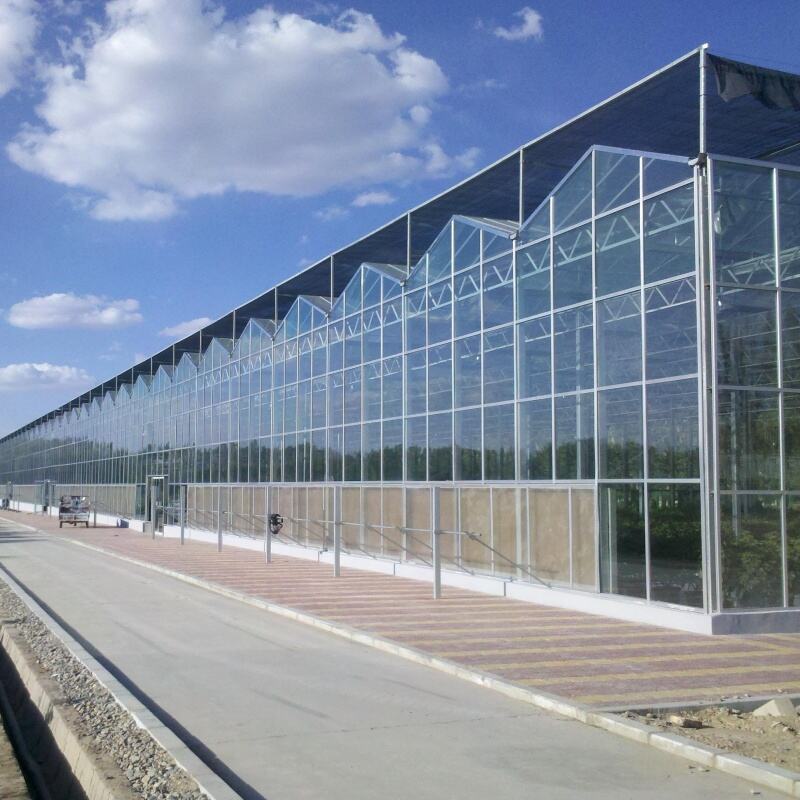
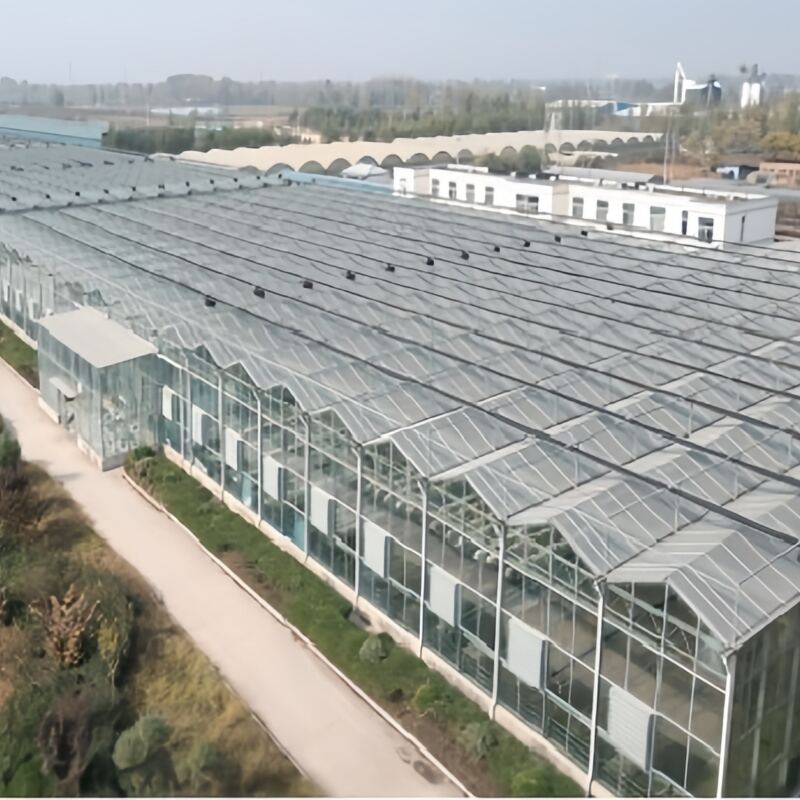
The best greenhouse for vegetables features exceptional structural engineering that combines durability, functionality, and aesthetic appeal to create growing environments that withstand decades of intensive use while maintaining optimal performance characteristics. Premium aluminum or galvanized steel framing provides superior strength-to-weight ratios, resisting corrosion and structural degradation while supporting heavy snow loads and withstanding high wind speeds that would damage inferior greenhouse structures. Double-wall polycarbonate panels or tempered glass coverings deliver maximum light transmission while providing excellent insulation properties that reduce heating costs and maintain stable internal temperatures. Reinforced foundation systems anchor structures securely to prevent shifting or settling that could compromise structural integrity over time. Weather-resistant sealing systems prevent air leaks and moisture infiltration that commonly plague lower-quality greenhouse installations. Modular construction techniques enable easy expansion or reconfiguration as growing needs evolve, providing flexibility that accommodates changing cultivation requirements without requiring complete replacement. Heavy-duty door systems feature reinforced hinges and weather stripping that maintain seal integrity while providing convenient access for maintenance and harvesting activities. Integrated guttering systems collect rainwater efficiently while preventing water damage to structural components and surrounding landscaping. Professional-grade hardware including bolts, screws, and connection systems resist rust and corrosion, ensuring long-term structural stability that protects valuable plants and equipment investments. The superior structural design accommodates heavy hanging baskets, trellising systems, and automated equipment without compromising stability or safety. Engineered load distribution prevents stress concentrations that could lead to premature failure or costly repairs. Quality construction materials resist UV degradation, maintaining transparency and structural properties throughout extended exposure to sunlight. The best greenhouse for vegetables represents a permanent addition to properties that increases real estate values while providing decades of reliable service, making it a wise long-term investment for committed vegetable gardeners seeking durable, professional-quality growing facilities.
Integrated Growing Systems for Maximum Productivity and Efficiency

Integrated Growing Systems for Maximum Productivity and Efficiency

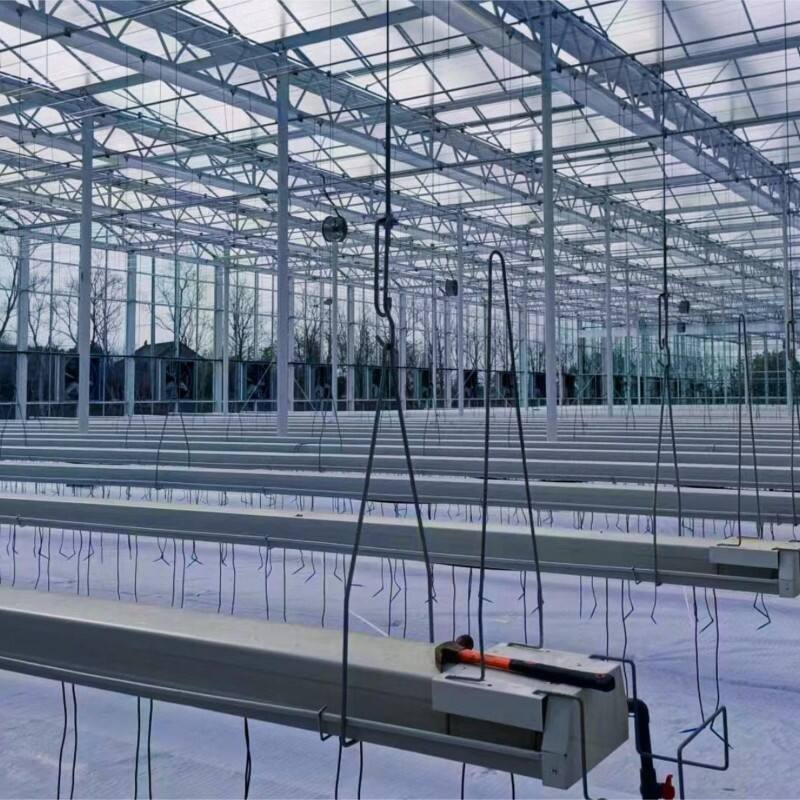
The best greenhouse for vegetables incorporates comprehensive growing systems that optimize space utilization, resource efficiency, and crop productivity through innovative cultivation technologies designed to maximize yields while minimizing maintenance requirements. Hydroponic systems integrate seamlessly with traditional soil-based growing methods, allowing gardeners to experiment with different cultivation techniques while accommodating various vegetable types and growing preferences. Automated irrigation networks deliver precise water and nutrient solutions directly to plant root zones, eliminating waste while ensuring consistent moisture levels that promote optimal growth rates. Vertical growing structures maximize productive capacity within limited floor space, enabling intensive cultivation that produces significantly more vegetables per square foot than traditional horizontal growing methods. Integrated trellising systems support climbing vegetables such as tomatoes, cucumbers, and peas while facilitating easy harvesting and maintenance access. Modular growing benches adjust to different heights and configurations, accommodating various plant sizes and growth stages while maintaining ergonomic working conditions that reduce physical strain during cultivation activities. Specialized growing media delivery systems distribute appropriate soil mixtures, compost, and amendments efficiently throughout growing areas. Automated seeding and transplanting equipment reduces labor requirements while ensuring consistent plant spacing and optimal growing conditions from germination through harvest. Companion planting layouts maximize beneficial plant interactions while optimizing space utilization and natural pest control mechanisms. Succession planting schedules maintain continuous harvests throughout growing seasons, ensuring steady produce supplies that eliminate feast-or-famine cycles common in traditional gardening approaches. The integrated systems accommodate organic growing practices through composting facilities, beneficial insect habitats, and natural fertilizer application methods. Crop rotation planning becomes simplified through modular growing areas that facilitate easy plant variety changes without disrupting overall production schedules. The best greenhouse for vegetables transforms vegetable cultivation into a streamlined, efficient process that consistently delivers abundant harvests while reducing time, labor, and resource investments required for successful growing operations, making it an essential tool for gardeners seeking maximum productivity and growing satisfaction.

Get a Free Quote

Our representative will contact you soon.
Email
Tel or Whatsapp
Name
Company Name
Message
0/1000