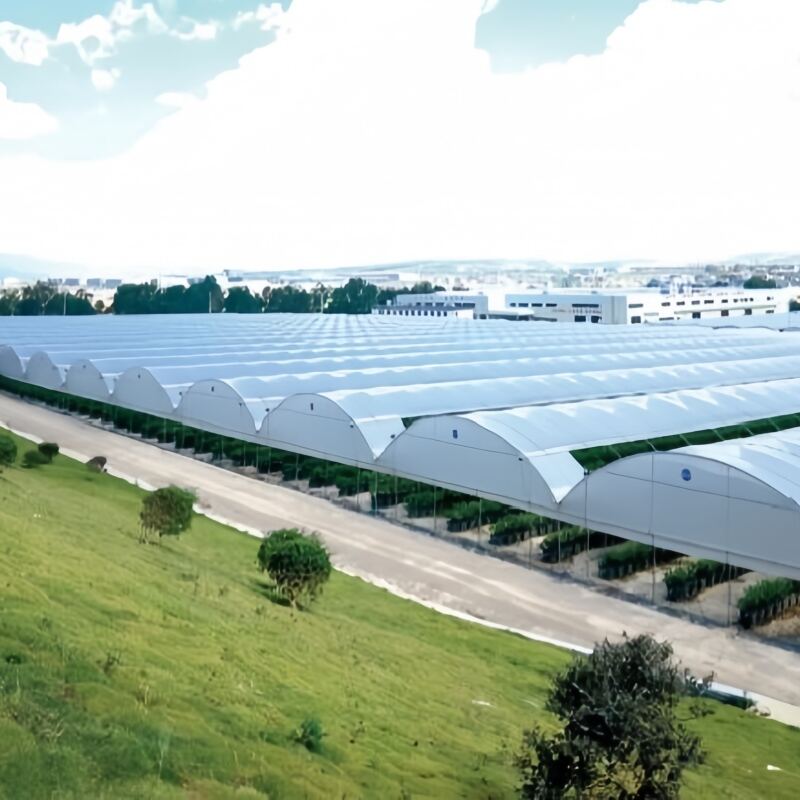
Premium Greenhouse for Tomato Plants - Year-Round Production & Advanced Climate Control

Welcome To JYXD-greenhouse

Get a Free Quote

Our representative will contact you soon.
Email
Tel or Whatsapp
Name
Company Name
Message
0/1000

greenhouse for tomato plants

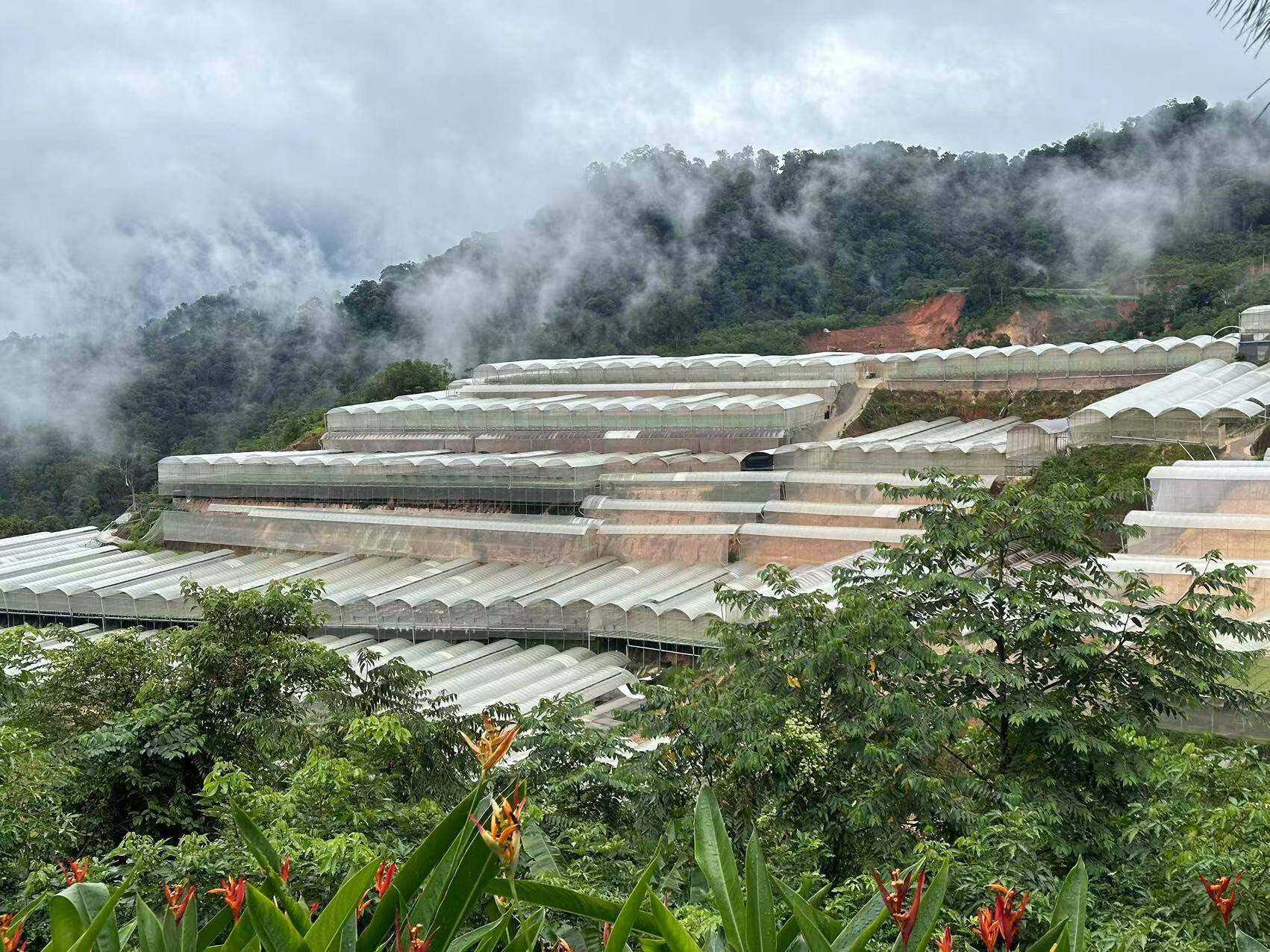
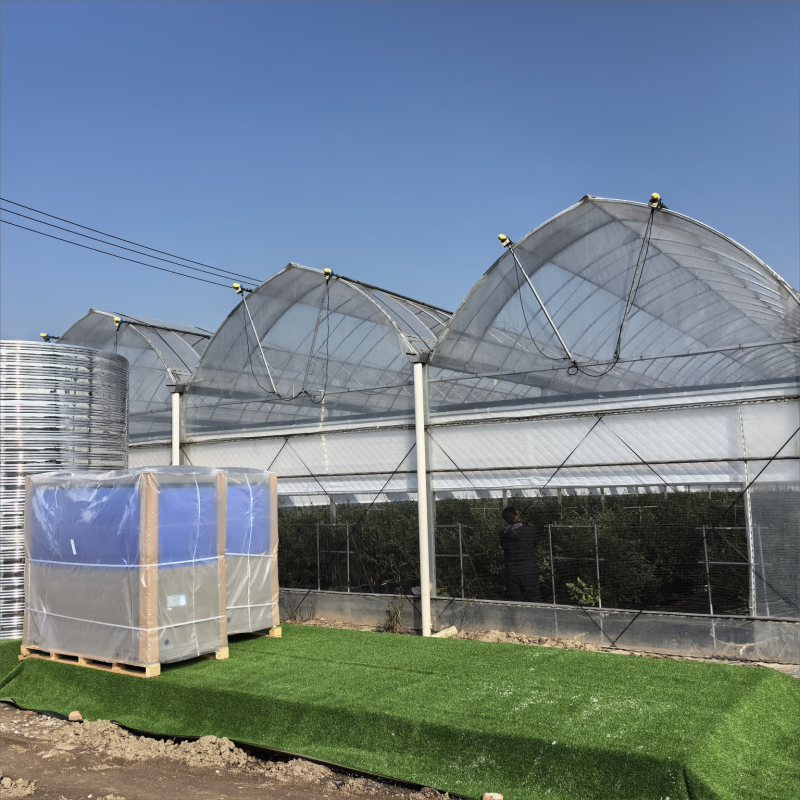
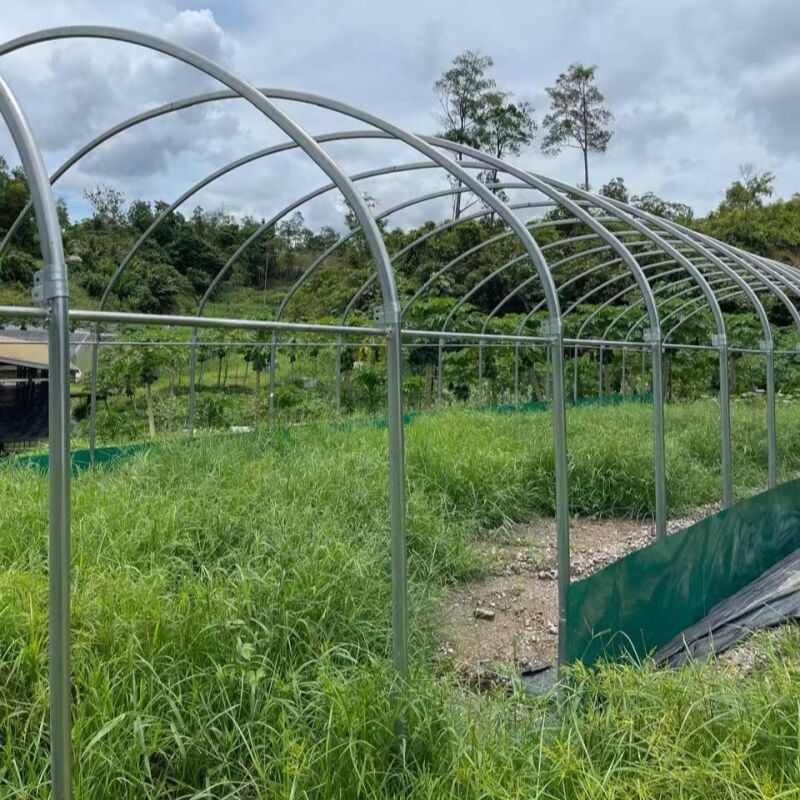
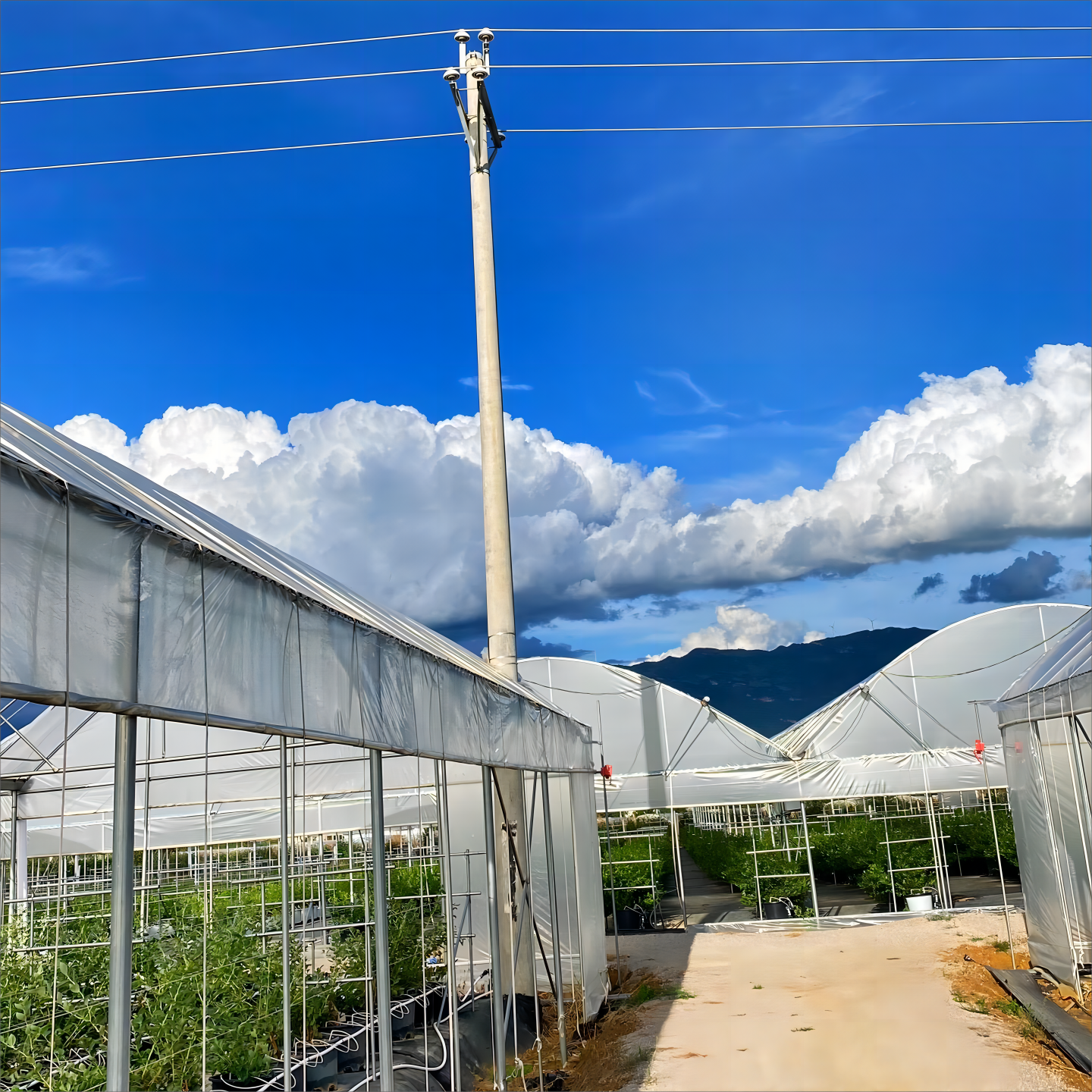
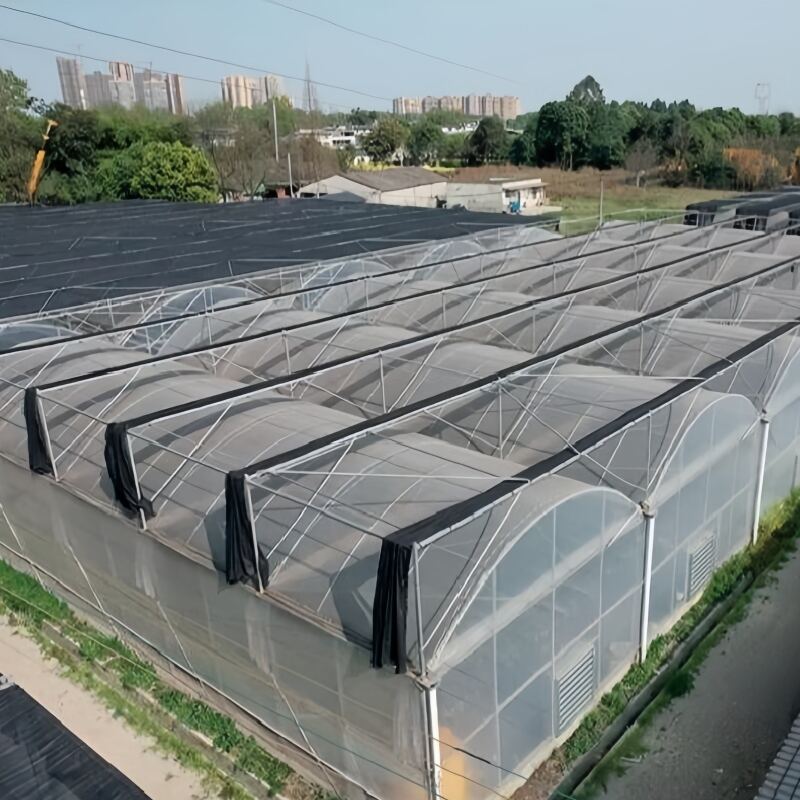
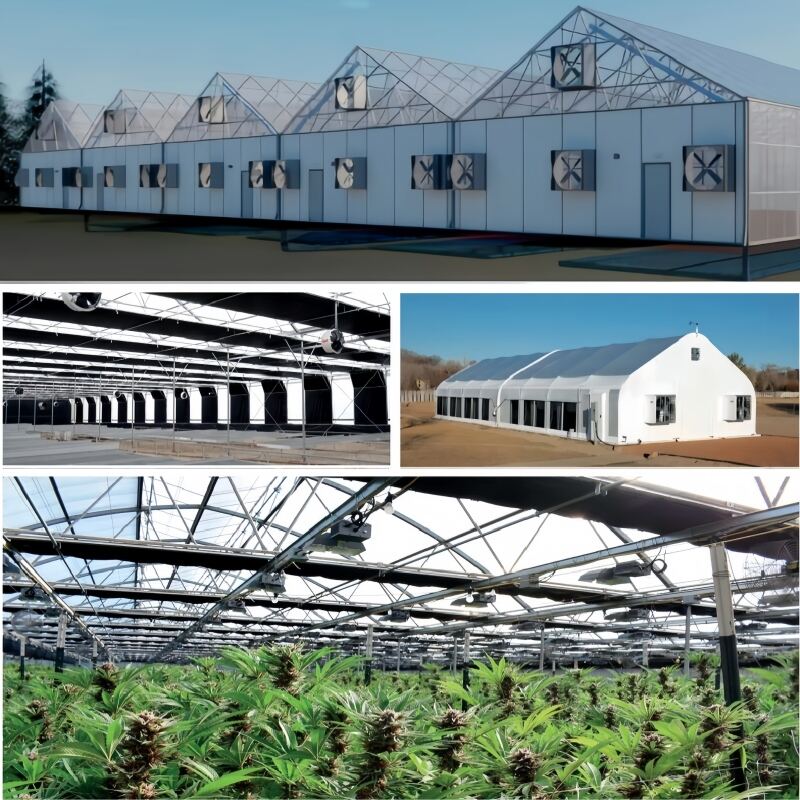
A greenhouse for tomato plants represents a sophisticated agricultural solution designed to optimize growing conditions and maximize crop yields throughout the year. This controlled environment structure creates an ideal microclimate that protects tomato crops from external weather fluctuations, pests, and diseases while maintaining optimal temperature, humidity, and light levels. Modern greenhouse for tomato plants incorporates advanced ventilation systems, automated irrigation networks, and climate control technologies that work together to ensure consistent plant health and productivity. The structure typically features transparent materials such as polycarbonate panels or specialized glass that allows maximum light penetration while providing insulation and protection. These greenhouses include automated shading systems that regulate sunlight exposure, preventing heat stress during peak summer months while ensuring adequate photosynthesis. The foundation and framework are engineered to withstand various weather conditions, including strong winds and heavy snow loads. Interior layouts are strategically designed with optimal plant spacing, support systems, and accessibility pathways for maintenance and harvesting operations. Advanced greenhouse for tomato plants often feature hydroponic or soilless growing systems that deliver precise nutrient solutions directly to plant roots, eliminating soil-borne diseases and improving nutrient uptake efficiency. Climate monitoring sensors continuously track temperature, humidity, carbon dioxide levels, and soil moisture, automatically adjusting environmental parameters to maintain ideal growing conditions. These structures can extend growing seasons significantly, enabling year-round production in regions with harsh climates. The controlled environment reduces dependency on chemical pesticides and fertilizers while increasing overall crop quality and consistency. Modern greenhouse for tomato plants also incorporate energy-efficient heating and cooling systems that minimize operational costs while maintaining optimal plant growth conditions throughout seasonal transitions.
New Product Releases

The greenhouse for tomato plants delivers exceptional benefits that transform traditional farming approaches and significantly enhance productivity outcomes. Growers experience dramatically increased yields compared to open-field cultivation, often achieving two to three times higher production rates due to optimized growing conditions and extended growing seasons. The controlled environment eliminates weather-related crop losses, protecting valuable harvests from storms, frost, excessive heat, and unpredictable climate patterns that frequently devastate outdoor crops. Water efficiency improves substantially within greenhouse for tomato plants, as precision irrigation systems deliver exact amounts of water directly to plant roots, reducing waste by up to 90 percent compared to traditional field watering methods. Pest and disease management becomes significantly easier and more effective, as the enclosed structure creates a barrier against harmful insects and airborne pathogens while enabling targeted treatment applications when necessary. Quality control reaches superior levels, producing consistently sized, colored, and flavored tomatoes that meet premium market standards throughout the year. The greenhouse for tomato plants enables multiple harvest cycles annually, maximizing land utilization and generating continuous revenue streams for commercial growers. Labor efficiency increases through organized growing systems, standardized plant heights, and accessible pathways that streamline planting, maintenance, and harvesting operations. Energy costs remain manageable through modern insulation materials and automated systems that optimize heating, cooling, and ventilation based on real-time environmental data. Market advantages become apparent through off-season production capabilities, allowing growers to command premium prices when outdoor tomatoes are unavailable. Environmental sustainability improves through reduced chemical inputs, minimized water usage, and decreased carbon footprint associated with long-distance transportation of produce. The greenhouse for tomato plants provides reliable crop planning and predictable harvest schedules that enable better business planning and customer relationship management. Investment returns typically exceed initial costs within three to five years through increased productivity, reduced losses, and premium pricing opportunities. These structures also enable organic certification more easily by providing natural pest control environments and eliminating exposure to external contamination sources.

Tips And Tricks

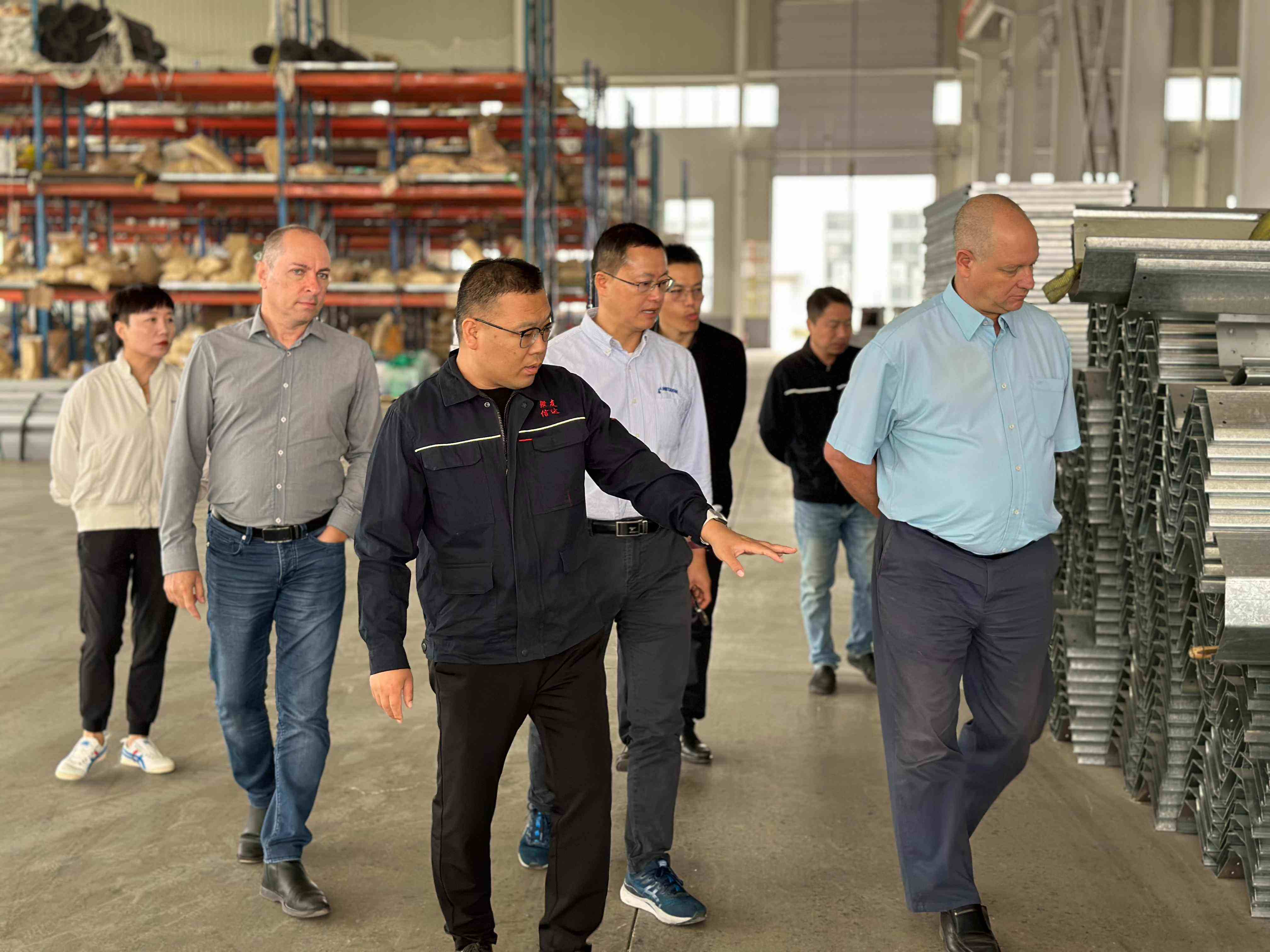
Forging a Powerful Alliance: Netafim and Juyou Xinda Unite to Reshape the Future of Smart Agriculture

28

Nov

Forging a Powerful Alliance: Netafim and Juyou Xinda Unite to Reshape the Future of Smart Agriculture

View More
Australian Greenhouse Company Visits Our Facilities to Explore New Collaboration on 50,000 Sq.m Strawberry Glass Greenhouse Project

28

Nov

Australian Greenhouse Company Visits Our Facilities to Explore New Collaboration on 50,000 Sq.m Strawberry Glass Greenhouse Project

View More
 Innovative Breakthrough: Our Company Successfully Delivers World's First Customized

28

Nov

Innovative Breakthrough: Our Company Successfully Delivers World's First Customized "Greenhouse for Fertilizer Drying" to Malaysian Client

View More

Get a Free Quote

Our representative will contact you soon.
Email
Tel or Whatsapp
Name
Company Name
Message
0/1000

greenhouse for tomato plants

Advanced Climate Control Technology

Advanced Climate Control Technology

The sophisticated climate control system within a greenhouse for tomato plants represents the pinnacle of agricultural technology, delivering precise environmental management that ensures optimal plant growth throughout all growing phases. This comprehensive system integrates multiple sensors and automated controls that continuously monitor and adjust temperature, humidity, air circulation, and carbon dioxide levels to maintain ideal conditions for tomato cultivation. Temperature regulation occurs through intelligent heating and cooling mechanisms that respond instantly to external weather changes, preventing thermal stress that could damage plants or reduce fruit quality. The system maintains daytime temperatures between 70-75°F and nighttime temperatures around 65-68°F, creating the perfect thermal environment for photosynthesis and fruit development. Humidity control prevents fungal diseases and promotes healthy transpiration, maintaining optimal levels between 60-70 percent through automated misting systems and ventilation controls. Advanced air circulation systems ensure proper gas exchange, preventing carbon dioxide depletion and maintaining fresh air movement that strengthens plant stems and promotes robust growth. The greenhouse for tomato plants utilizes computerized environmental controls that can be programmed for different growth stages, automatically adjusting conditions as plants mature from seedlings to fruit-bearing specimens. Carbon dioxide enrichment systems boost photosynthesis rates during peak growing periods, increasing yields by up to 30 percent compared to ambient CO2 levels. Smart ventilation systems automatically open and close based on internal conditions, preventing overheating while maintaining optimal humidity levels. These climate control features work together seamlessly, creating a stable microclimate that eliminates the stress factors that typically limit tomato production in outdoor environments, resulting in healthier plants, higher yields, and superior fruit quality that commands premium market prices.
Year-Round Production Capabilities

Year-Round Production Capabilities

The year-round production capabilities of a greenhouse for tomato plants revolutionize agricultural planning and profitability by eliminating seasonal limitations and enabling continuous harvest cycles regardless of external weather conditions. This remarkable feature transforms traditional farming schedules, allowing growers to produce fresh tomatoes throughout winter months when outdoor cultivation becomes impossible in most climates. The controlled environment maintains consistent growing conditions during harsh weather periods, protecting plants from frost, snow, extreme heat, and seasonal temperature fluctuations that would normally halt production. Extended growing seasons translate directly into increased annual yields, often enabling four to six harvest cycles per year compared to the single season possible with outdoor cultivation. The greenhouse for tomato plants creates opportunities for strategic market positioning, as growers can supply fresh, locally-grown produce during periods when competitors rely on expensive imported products from distant regions. Winter production commands significantly higher prices due to reduced supply and increased demand for fresh vegetables during cold months. The stable environment allows for precise crop planning and scheduled planting rotations that ensure consistent product availability for wholesale buyers, restaurants, and retail customers throughout the year. Quality remains consistently high regardless of season, as the controlled conditions prevent the quality variations typically associated with seasonal outdoor growing challenges. Energy-efficient systems make year-round operation economically viable, utilizing modern insulation and automated controls that minimize heating costs during winter months. The greenhouse for tomato plants enables crop diversification strategies, allowing growers to experiment with different varieties and planting schedules to optimize market opportunities. Continuous production cycles provide steady cash flow that supports business stability and growth investment opportunities. This year-round capability also supports local food security initiatives by reducing dependence on long-distance transportation and ensuring fresh produce availability throughout all seasons.
Superior Pest and Disease Management

Superior Pest and Disease Management

The superior pest and disease management system within a greenhouse for tomato plants provides unparalleled crop protection that significantly reduces losses while minimizing chemical intervention requirements. This enclosed environment creates a physical barrier against common tomato pests including aphids, whiteflies, hornworms, and other destructive insects that routinely devastate outdoor crops. The controlled access points allow for systematic monitoring and early detection of potential pest issues before they can establish populations large enough to cause significant damage. Integrated pest management strategies become highly effective within the greenhouse for tomato plants, utilizing beneficial insects, companion planting, and targeted biological controls that work naturally to maintain pest populations below economically damaging thresholds. Climate control systems can be adjusted to create conditions unfavorable for specific pests and diseases while remaining optimal for tomato growth, such as reducing humidity levels to prevent fungal infections or adjusting temperature patterns to disrupt pest reproductive cycles. The stable environment enables precise application of organic treatments when necessary, ensuring maximum effectiveness while minimizing environmental impact. Disease prevention becomes significantly more manageable through controlled air circulation that prevents moisture buildup on plant surfaces, automated irrigation systems that avoid wetting foliage, and sterilization protocols that eliminate disease-carrying organisms. The greenhouse for tomato plants allows for quarantine procedures when introducing new plants, preventing the spread of diseases from external sources. Crop rotation and soil sterilization become more practical within the controlled space, breaking disease cycles that commonly persist in outdoor growing areas. Regular monitoring becomes systematic and thorough, enabling early intervention strategies that prevent minor issues from developing into major problems. This comprehensive approach to pest and disease management results in healthier plants, higher quality fruit, reduced chemical inputs, and significantly improved profit margins through reduced crop losses and premium pricing for pesticide-free produce.

Get a Free Quote

Our representative will contact you soon.
Email
Tel or Whatsapp
Name
Company Name
Message
0/1000