Best Greenhouse for Tomatoes: Ultimate Guide to Year-Round Growing Success

Welcome To JYXD-greenhouse

Get a Free Quote

Our representative will contact you soon.
Email
Tel or Whatsapp
Name
Company Name
Message
0/1000

best greenhouse for tomatoes

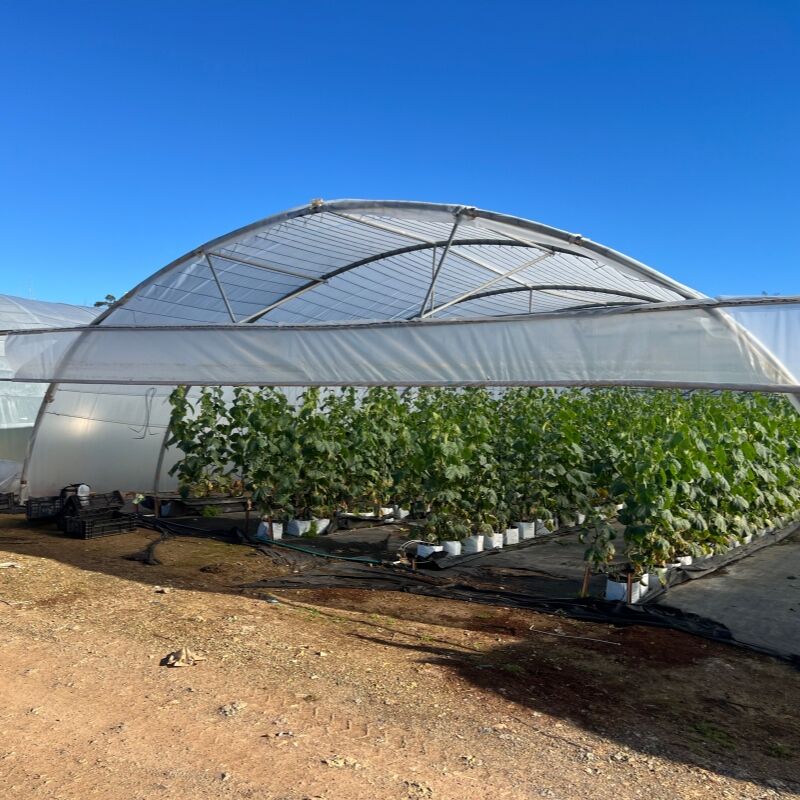
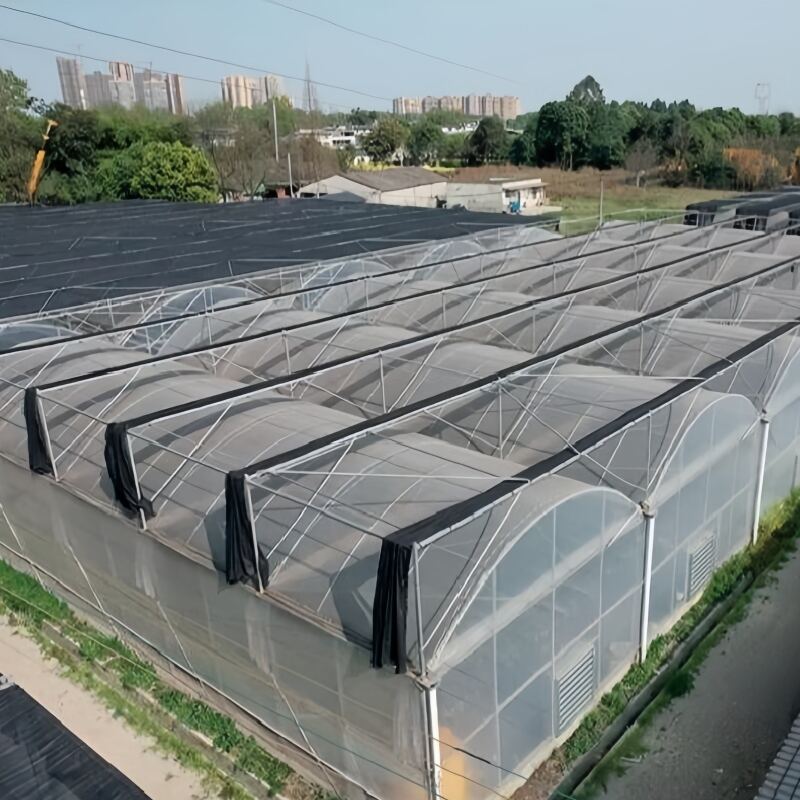
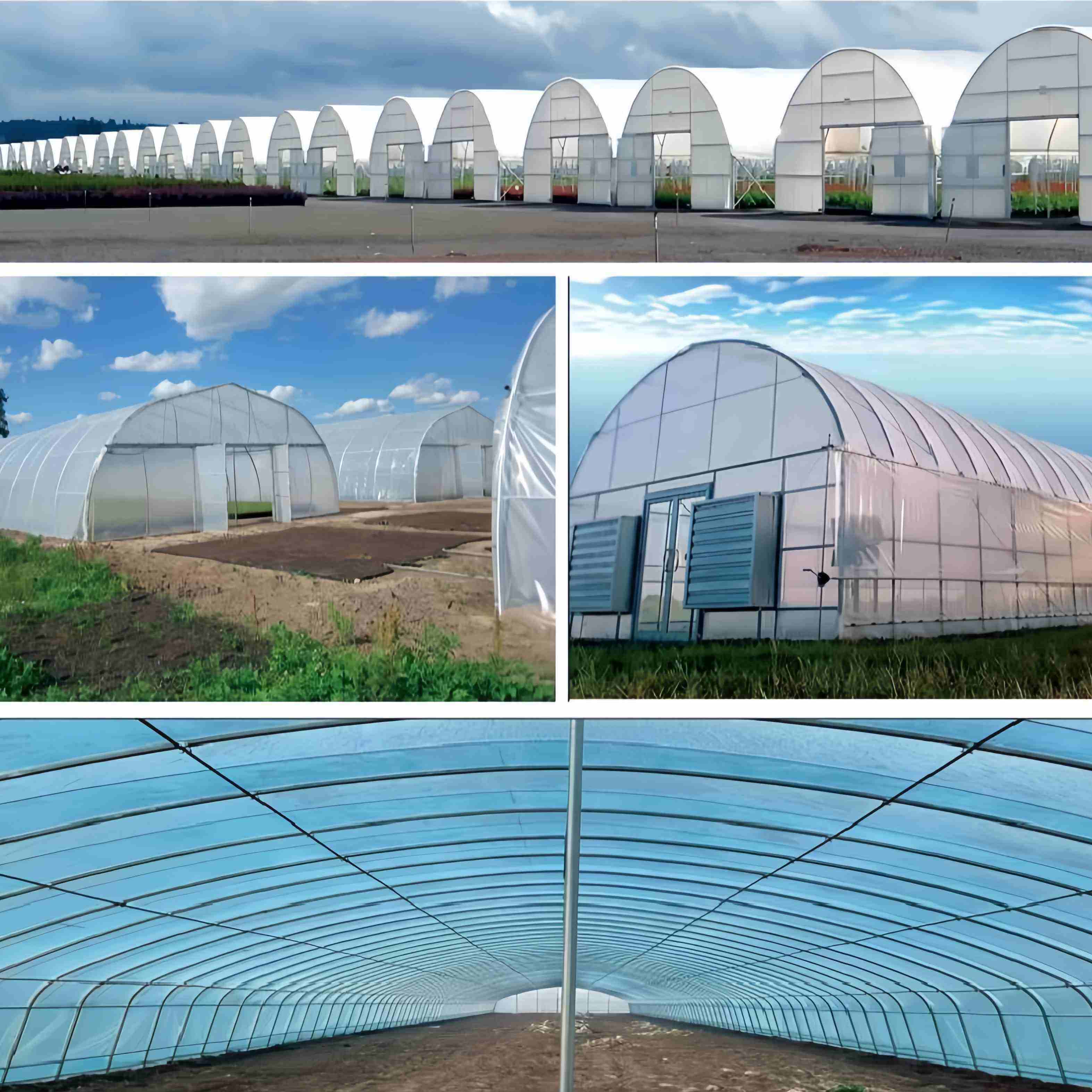
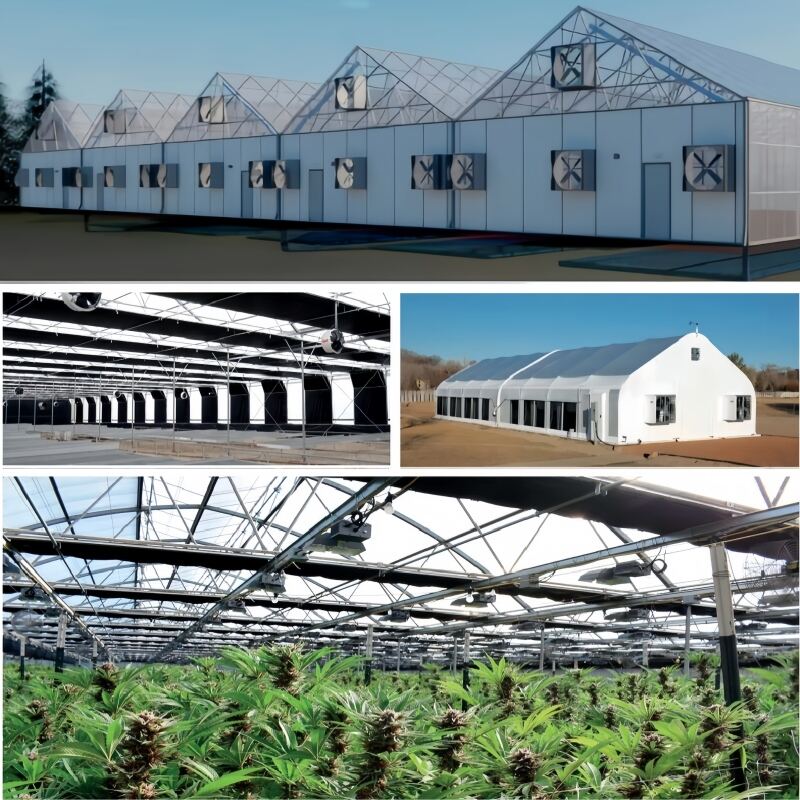
The best greenhouse for tomatoes represents a revolutionary approach to controlled environment agriculture, specifically engineered to maximize tomato production while minimizing environmental variables. These specialized structures incorporate advanced climate control systems, precision irrigation networks, and optimized light transmission technologies to create ideal growing conditions year-round. Modern tomato greenhouses feature polycarbonate or tempered glass panels that provide superior insulation while maintaining excellent light penetration, ensuring plants receive optimal photosynthetic radiation throughout all growth stages. The best greenhouse for tomatoes utilizes automated ventilation systems with temperature sensors, humidity controllers, and CO2 monitoring equipment to maintain precise atmospheric conditions. These structures typically measure between 1,000 to 50,000 square feet, accommodating both commercial operations and serious home gardeners. Advanced hydroponic systems integrated within the best greenhouse for tomatoes enable precise nutrient delivery directly to root zones, eliminating soil-borne diseases and reducing water consumption by up to 90 percent compared to traditional farming methods. The structural framework consists of galvanized steel or aluminum components designed to withstand extreme weather conditions while supporting heavy fruit loads during peak production periods. Computerized environmental control systems continuously monitor and adjust internal conditions, including temperature ranges between 65-75°F during day periods and 60-65°F at night, maintaining optimal humidity levels between 60-70 percent for maximum fruit development. These greenhouses incorporate specialized trellising systems that support indeterminate tomato varieties, allowing plants to grow vertically up to 12 feet tall and produce continuously throughout extended growing seasons. The best greenhouse for tomatoes features integrated pest management systems, including beneficial insect habitats and organic treatment protocols that eliminate chemical pesticide requirements while maintaining healthy plant populations.

New Product Releases

The best greenhouse for tomatoes delivers exceptional advantages that transform traditional growing limitations into opportunities for unprecedented productivity and quality. These controlled environments extend growing seasons indefinitely, allowing year-round tomato production regardless of external weather conditions, climate zones, or seasonal variations. Growers achieve consistent harvests every month, generating substantial revenue streams while meeting continuous market demand for fresh, locally-grown produce. Water efficiency represents another significant advantage, as the best greenhouse for tomatoes incorporates closed-loop irrigation systems that recycle nutrient solutions, reducing water consumption by 85-95 percent compared to field cultivation methods. This conservation approach proves particularly valuable in drought-prone regions where water resources remain scarce and expensive. Temperature regulation within these structures eliminates frost damage, heat stress, and weather-related crop losses that typically destroy outdoor tomato plants during extreme conditions. The controlled environment prevents soil-borne diseases, fungal infections, and pest infestations that commonly plague outdoor crops, resulting in healthier plants and higher-quality fruit production. Yield improvements in the best greenhouse for tomatoes often exceed 300-500 percent compared to traditional farming methods, with some operations producing 50-70 pounds of tomatoes per plant annually. Quality control advantages include consistent fruit size, uniform coloration, enhanced flavor profiles, and extended shelf life due to optimal growing conditions throughout development stages. Labor efficiency increases dramatically as workers operate in comfortable, protected environments without exposure to harsh weather, pesticides, or difficult terrain conditions. The best greenhouse for tomatoes enables precise scheduling of planting, harvesting, and maintenance activities, optimizing workflow and reducing operational costs. Market advantages include premium pricing for greenhouse-grown tomatoes, reduced transportation costs due to local production, and ability to supply restaurants, farmers markets, and grocery stores with consistent, high-quality produce throughout all seasons. Investment returns typically range from 15-25 percent annually once operations reach full capacity.

Practical Tips

Forging a Powerful Alliance: Netafim and Juyou Xinda Unite to Reshape the Future of Smart Agriculture

28

Nov

Forging a Powerful Alliance: Netafim and Juyou Xinda Unite to Reshape the Future of Smart Agriculture

View More
Australian Greenhouse Company Visits Our Facilities to Explore New Collaboration on 50,000 Sq.m Strawberry Glass Greenhouse Project

28

Nov

Australian Greenhouse Company Visits Our Facilities to Explore New Collaboration on 50,000 Sq.m Strawberry Glass Greenhouse Project

View More
 Innovative Breakthrough: Our Company Successfully Delivers World's First Customized

28

Nov

Innovative Breakthrough: Our Company Successfully Delivers World's First Customized "Greenhouse for Fertilizer Drying" to Malaysian Client

View More

Get a Free Quote

Our representative will contact you soon.
Email
Tel or Whatsapp
Name
Company Name
Message
0/1000

best greenhouse for tomatoes

Advanced Climate Control Technology

Advanced Climate Control Technology

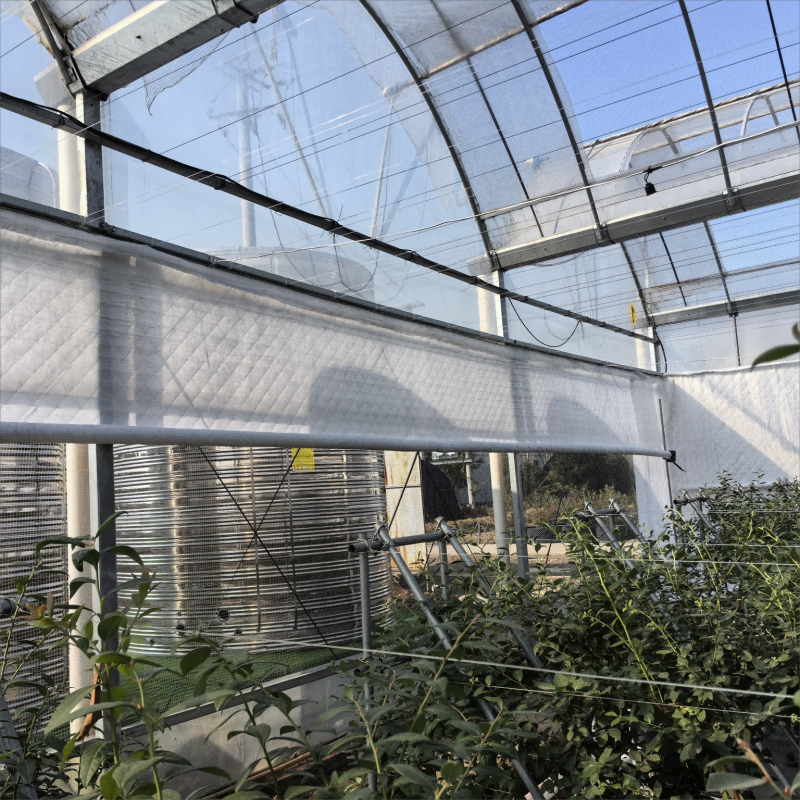
The best greenhouse for tomatoes incorporates sophisticated environmental management systems that maintain precise growing conditions through automated climate control technology. These systems utilize multiple sensor networks strategically positioned throughout the greenhouse structure to continuously monitor temperature, humidity, CO2 levels, and air circulation patterns. Advanced computerized controllers process this real-time data and automatically adjust heating, cooling, ventilation, and humidity systems to maintain optimal growing parameters. The climate control technology in the best greenhouse for tomatoes features redundant backup systems ensuring uninterrupted environmental regulation even during power outages or equipment failures. Programmable thermostats allow growers to establish different temperature zones within single structures, accommodating various tomato varieties with specific climate requirements. Automated fogging systems maintain precise humidity levels while preventing excessive moisture that could promote disease development. CO2 enrichment systems inject controlled amounts of carbon dioxide during photosynthetic periods, increasing plant growth rates by 20-30 percent compared to ambient atmospheric conditions. Computerized shade systems deploy automatically based on light intensity measurements, protecting plants from excessive solar radiation while maximizing beneficial light exposure. The best greenhouse for tomatoes utilizes energy-efficient LED grow lights with programmable spectrum controls, providing supplemental illumination during winter months or cloudy periods to maintain consistent production schedules. Ventilation systems incorporate both roof and side vents with automated opening mechanisms that respond to internal temperature changes, ensuring proper air circulation and preventing heat buildup. Advanced alarm systems notify operators immediately when environmental parameters exceed preset ranges, enabling rapid response to prevent crop damage. These climate control features reduce labor requirements while increasing production reliability, making the best greenhouse for tomatoes an intelligent investment for serious growers seeking consistent, high-quality results.
Hydroponic Growing Systems Integration

Hydroponic Growing Systems Integration

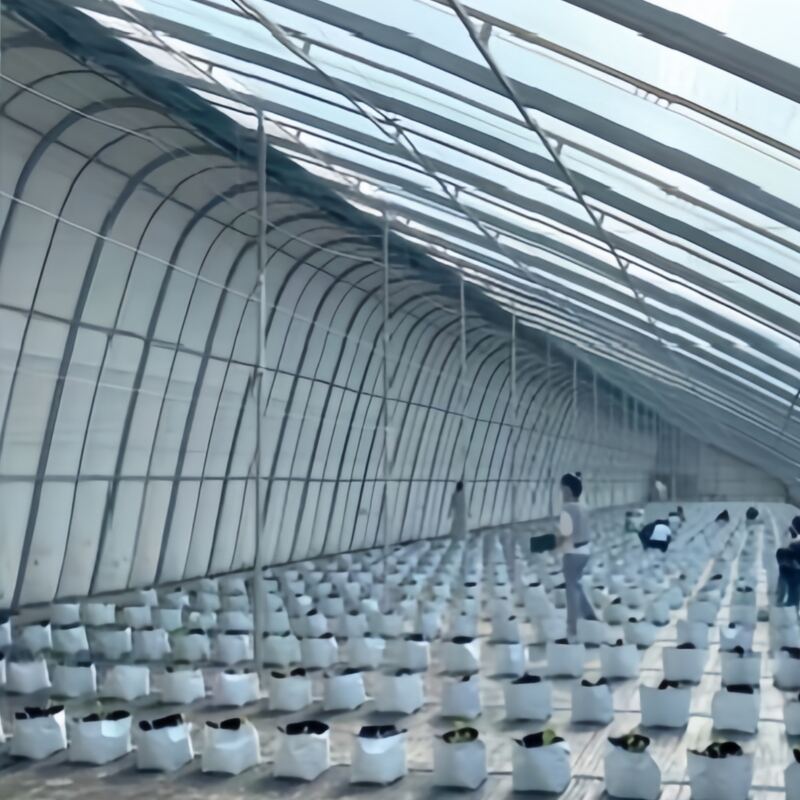
The best greenhouse for tomatoes features integrated hydroponic systems that revolutionize plant nutrition delivery while eliminating soil-related challenges and maximizing production efficiency. These soilless cultivation methods provide precise control over nutrient composition, pH levels, and feeding schedules tailored specifically to tomato plant requirements throughout different growth phases. Hydroponic systems in the best greenhouse for tomatoes utilize various growing media including rockwool, perlite, coconut coir, and expanded clay pellets that provide excellent root support while maintaining optimal drainage and aeration. Automated nutrient delivery systems mix concentrated fertilizer solutions with water to create perfectly balanced feeding solutions delivered directly to root zones through drip irrigation networks. The best greenhouse for tomatoes incorporates recirculating hydroponic systems that collect and reuse nutrient solutions, reducing fertilizer costs by 40-60 percent while minimizing environmental waste. EC meters and pH controllers continuously monitor solution quality, automatically adjusting nutrient concentrations and acidity levels to maintain optimal growing conditions. Deep Water Culture systems allow tomato roots to access oxygen-rich nutrient solutions continuously, promoting rapid growth and extensive root development that supports heavy fruit production. Nutrient Film Technique installations provide thin films of nutrient solution flowing constantly past root systems, ensuring consistent nutrition access while preventing waterlogging conditions. The best greenhouse for tomatoes features computerized fertigation systems that schedule multiple daily feeding cycles based on plant growth stages, weather conditions, and production goals. These systems eliminate guesswork in plant nutrition while preventing over-fertilization that can reduce fruit quality or harm plant health. Hydroponic growing in the best greenhouse for tomatoes produces cleaner fruit with reduced washing requirements, extends harvest periods, and enables precise control over plant spacing for maximum light exposure and air circulation around each plant.
Structural Design and Durability Features

Structural Design and Durability Features

The best greenhouse for tomatoes incorporates premium structural engineering designed to withstand severe weather conditions while providing decades of reliable service with minimal maintenance requirements. High-strength galvanized steel or powder-coated aluminum frameworks resist corrosion, support heavy crop loads, and maintain structural integrity during high winds, snow loads, and seismic events. The best greenhouse for tomatoes utilizes engineered foundation systems with concrete footings or ground anchors that provide stable platforms capable of supporting fully-loaded structures without settling or shifting. Covering materials in the best greenhouse for tomatoes include twin-wall or triple-wall polycarbonate panels that offer superior insulation properties, impact resistance, and UV protection while maintaining 85-90 percent light transmission rates. These panels feature advanced coating technologies that reduce condensation drip, improve light diffusion, and extend service life beyond 15-20 years with proper maintenance. Structural design incorporates generous load factors ensuring the best greenhouse for tomatoes can support extensive trellising systems, hanging baskets, automated equipment, and maximum fruit production without compromising safety or stability. Ventilation systems integrate seamlessly into structural designs with reinforced mounting points for automated vent operators, exhaust fans, and shade systems that operate smoothly without stressing framework components. The best greenhouse for tomatoes features modular construction allowing future expansion or reconfiguration based on changing production needs or market demands. Door systems include heavy-duty hardware, weather sealing, and lockable security features protecting valuable crops and equipment from theft or unauthorized access. Gutters and downspouts manage rainwater collection for irrigation use while preventing water damage to structural components or growing areas. The best greenhouse for tomatoes incorporates electrical systems with GFCI protection, weatherproof connections, and adequate capacity for lighting, heating, cooling, and automated systems. Professional installation services ensure proper assembly, code compliance, and optimal performance while providing warranties that protect investment value for commercial and residential applications.
Get a Free Quote

Our representative will contact you soon.
Email
Tel or Whatsapp
Name
Company Name
Message
0/1000