greenhouse for vegetable garden
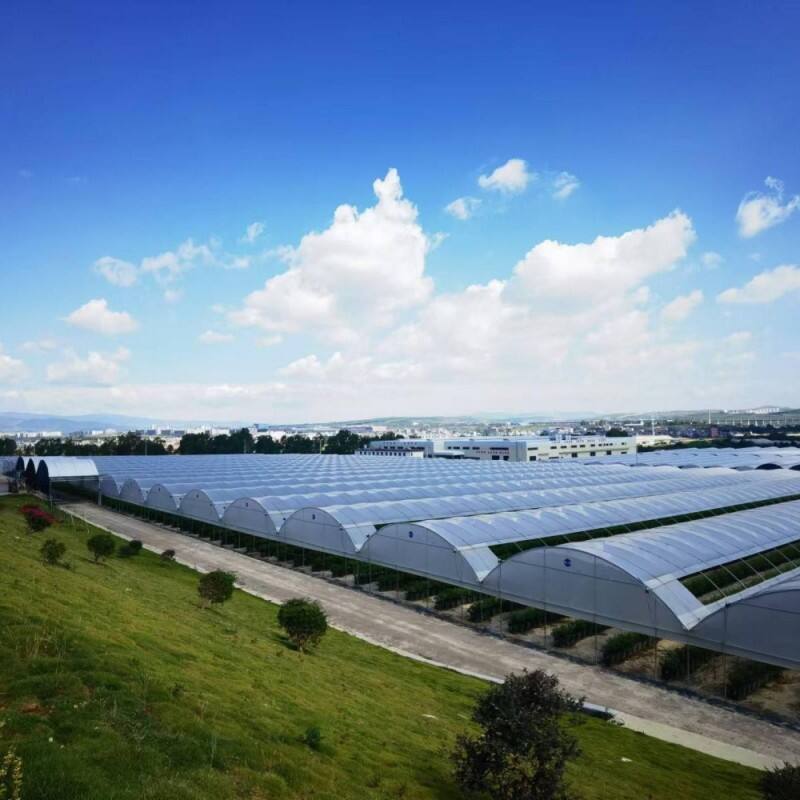
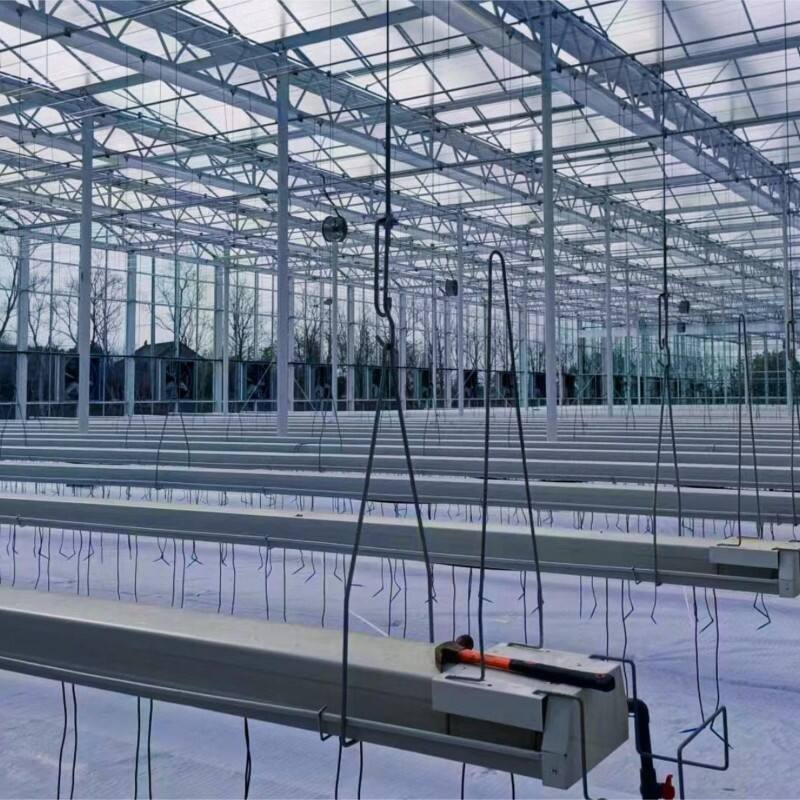
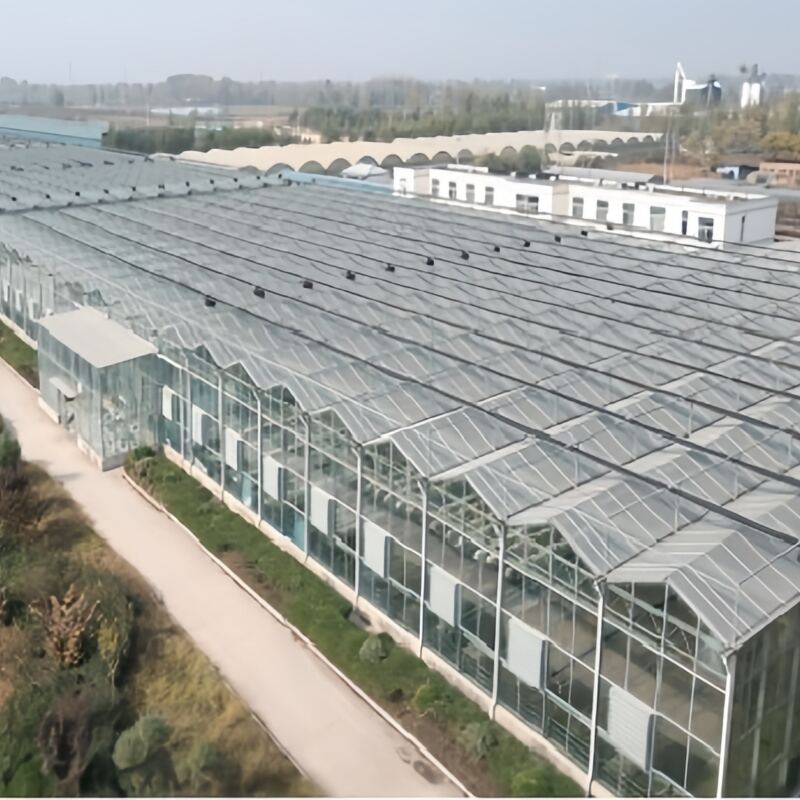
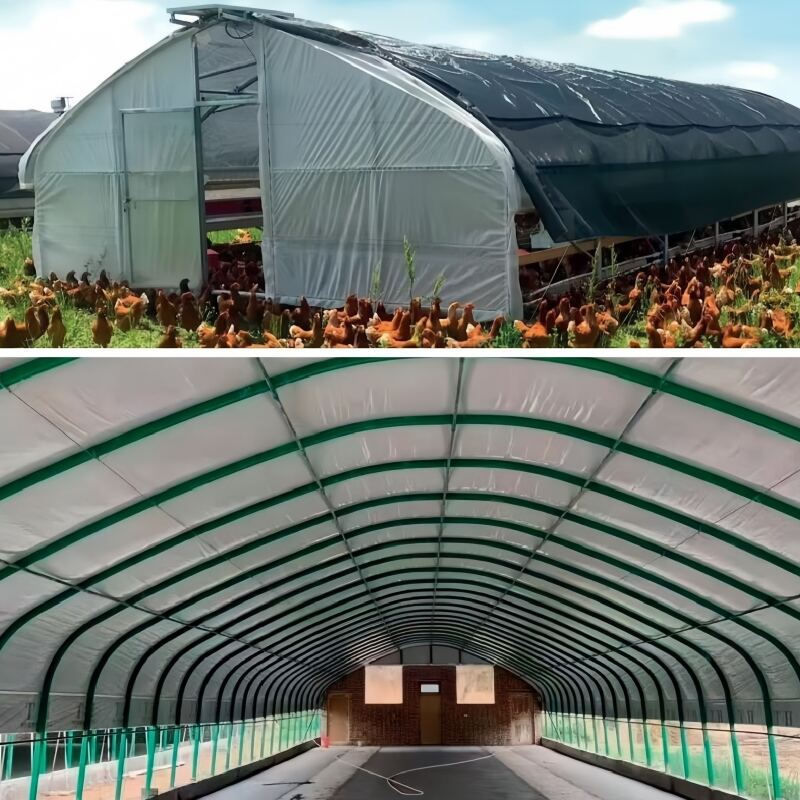
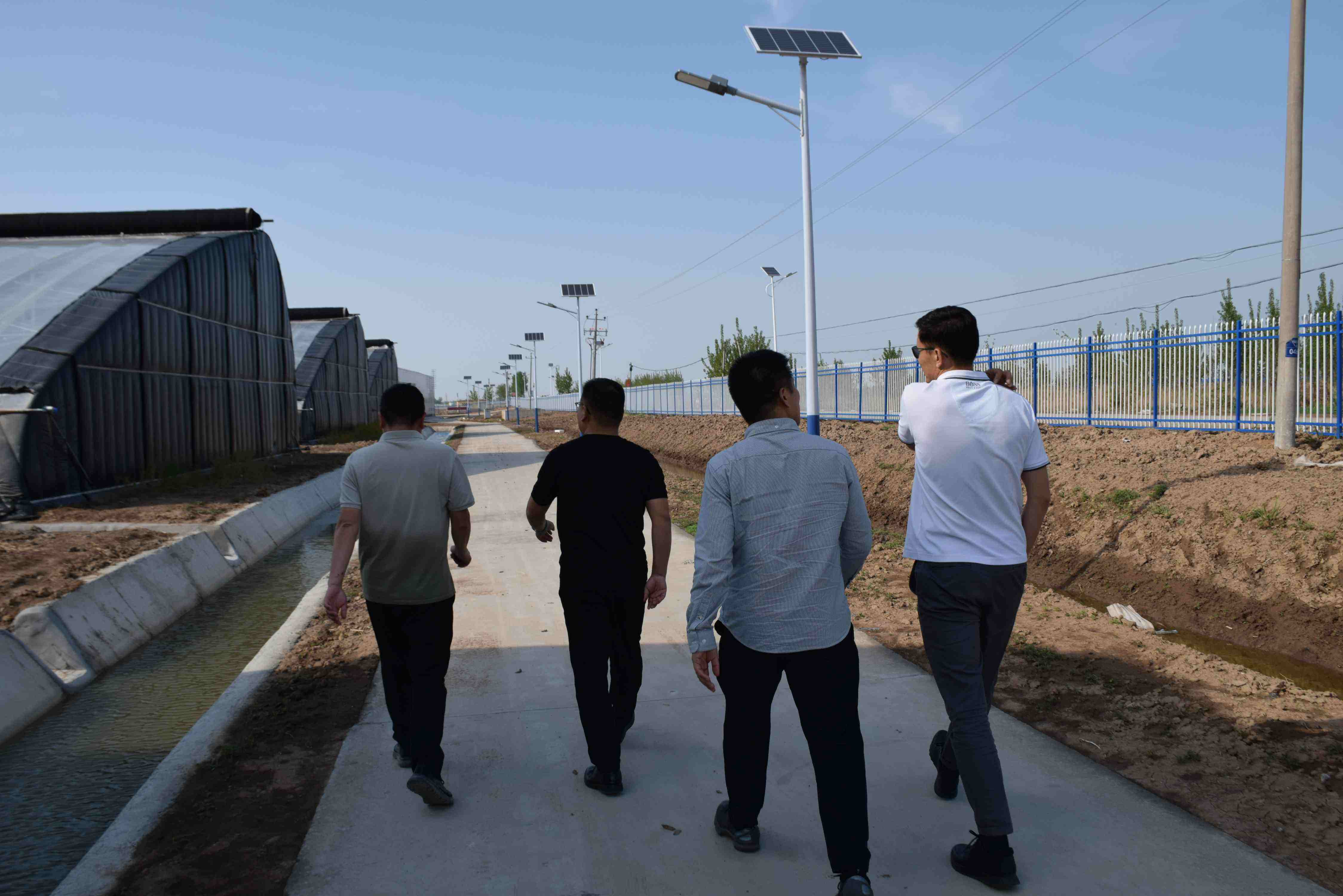
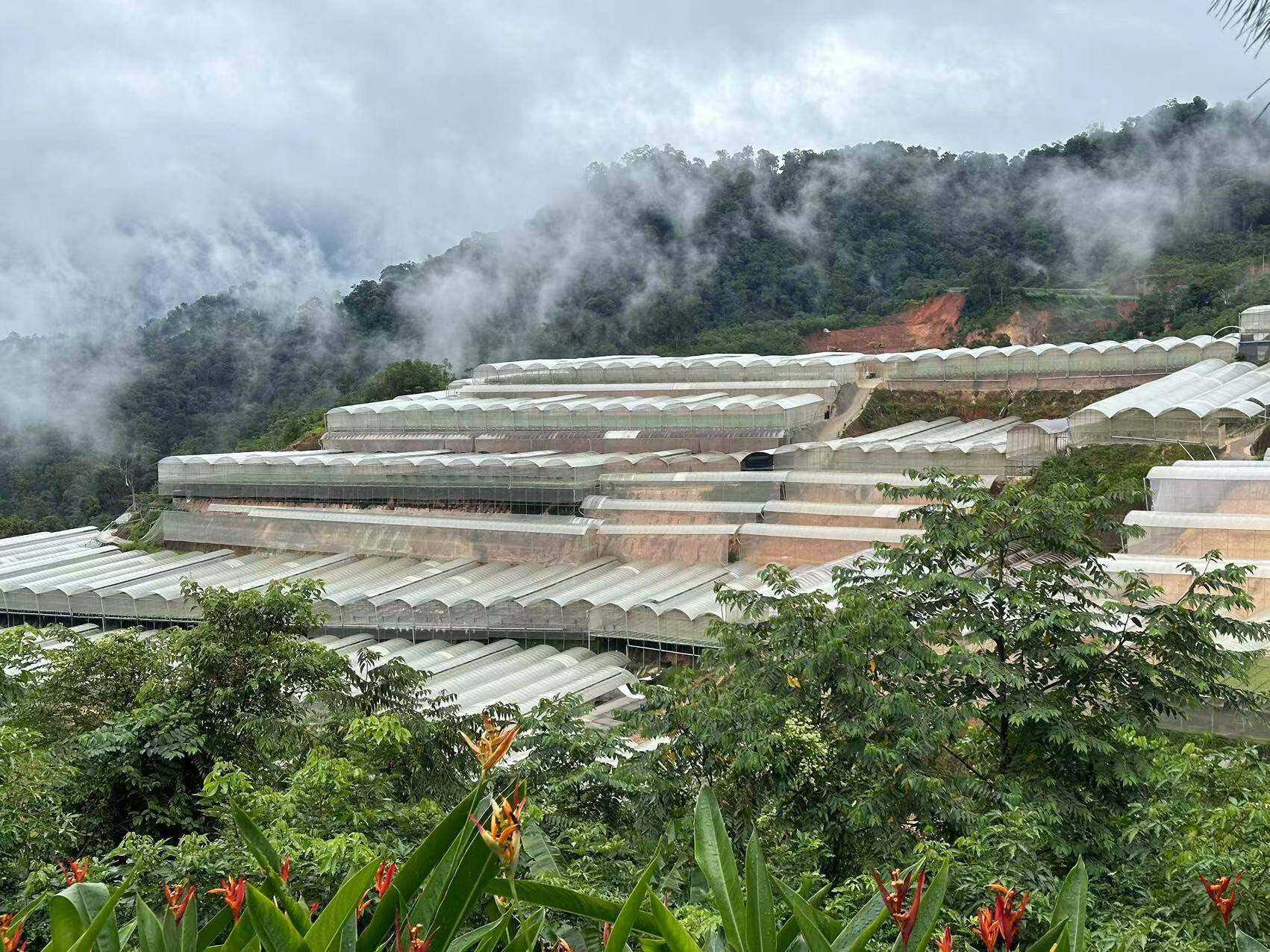
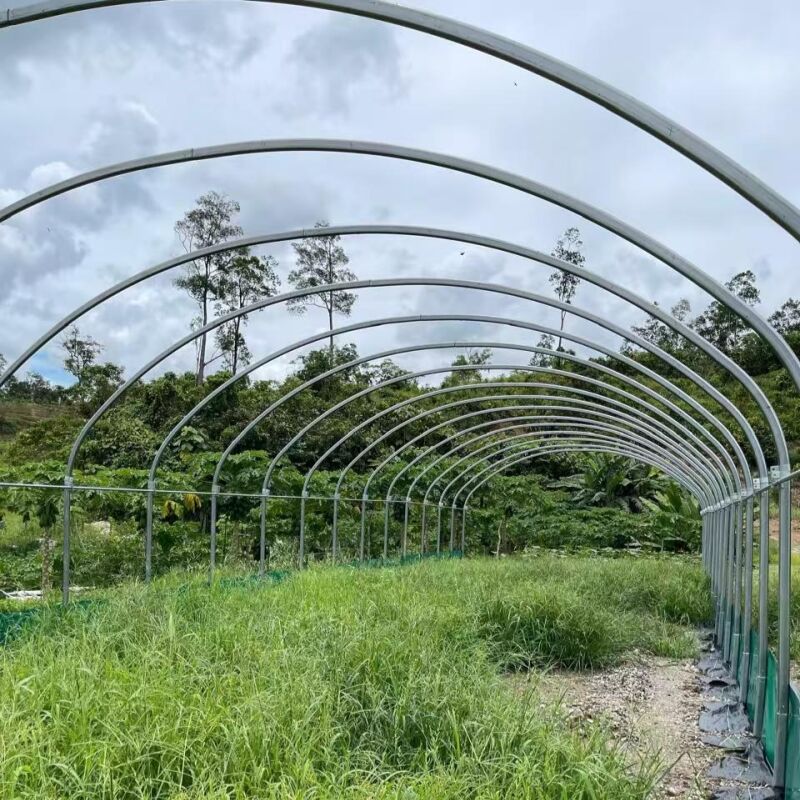
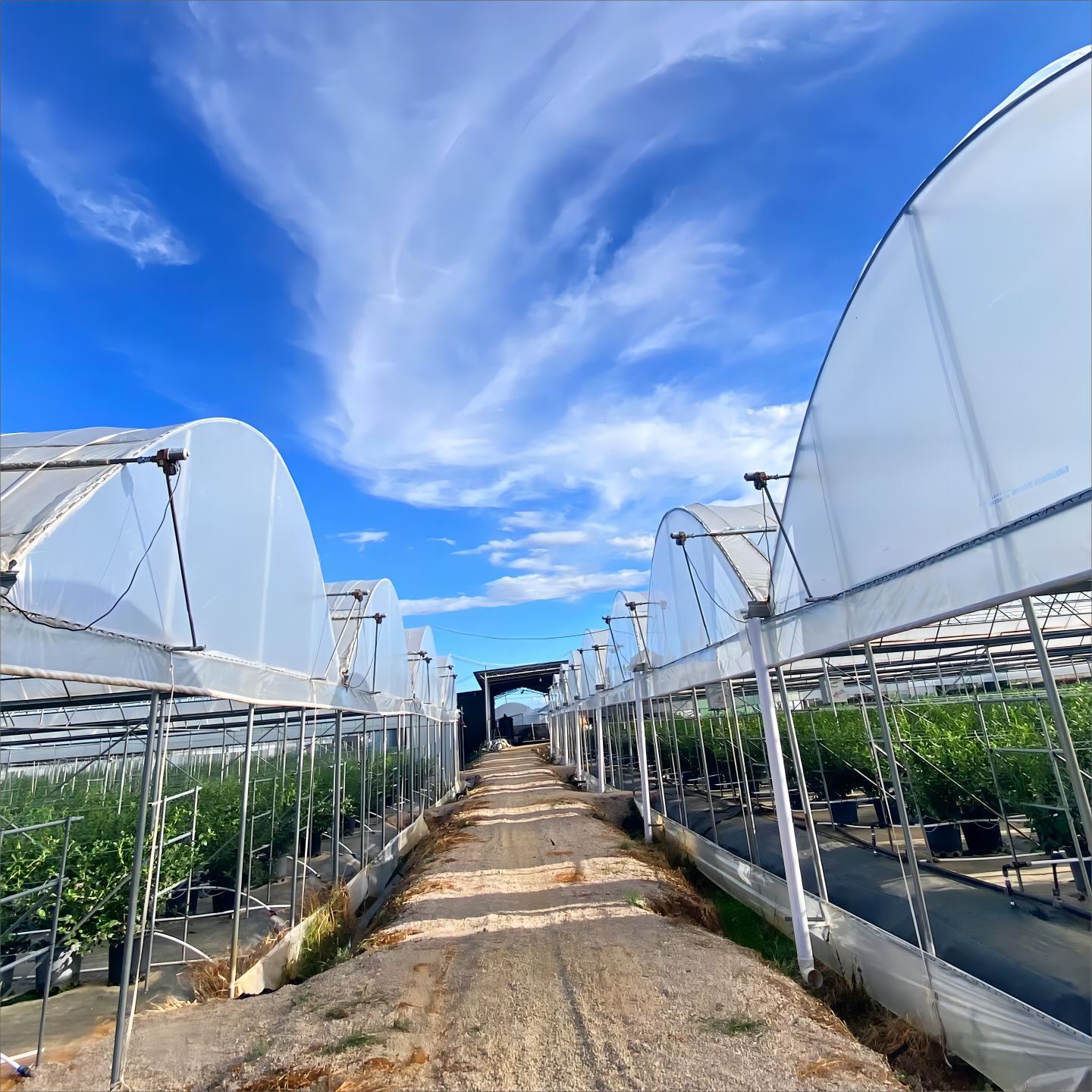
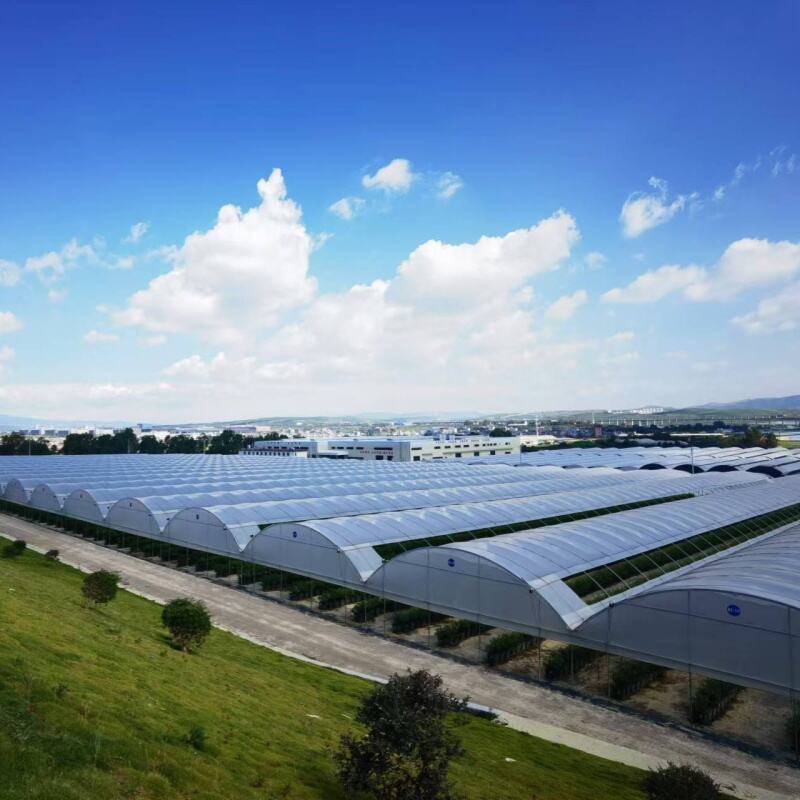
A greenhouse for vegetable garden represents a sophisticated agricultural solution designed to create optimal growing conditions for a wide variety of vegetables throughout the year. This controlled environment structure utilizes transparent materials such as glass, polycarbonate panels, or specialized plastic films to harness solar energy while protecting crops from adverse weather conditions, pests, and diseases. The primary function of a greenhouse for vegetable garden centers around creating a microclimate that extends growing seasons, increases crop yields, and ensures consistent production regardless of external weather patterns. Modern greenhouse systems integrate advanced technological features including automated ventilation systems, temperature control mechanisms, humidity regulation, and irrigation networks that work together to maintain ideal growing conditions. These structures typically feature sturdy aluminum or steel frameworks that support the transparent covering materials while providing adequate structural integrity to withstand wind loads and snow accumulation. The technological sophistication of contemporary greenhouse for vegetable garden designs includes computerized climate control systems that monitor and adjust temperature, humidity, and air circulation automatically. Many units incorporate heating systems for cold weather operation, exhaust fans for temperature management, and specialized venting mechanisms that respond to changing environmental conditions. Applications for greenhouse vegetable cultivation span from small backyard hobby gardens to large-scale commercial operations. Home gardeners utilize compact greenhouse structures to grow tomatoes, peppers, cucumbers, lettuce, and herbs year-round, while commercial growers employ extensive greenhouse facilities for large-scale vegetable production. The versatility of greenhouse for vegetable garden applications extends to urban farming initiatives, educational institutions, and research facilities where controlled growing conditions enable scientific studies and innovative cultivation techniques. These structures prove particularly valuable in regions with harsh climates, short growing seasons, or unpredictable weather patterns, allowing gardeners to maintain consistent vegetable production regardless of external environmental challenges.
 EN
EN