Large Glass Greenhouse Solutions: Advanced Climate Control & Energy Efficient Growing Systems

Welcome To JYXD-greenhouse

Get a Free Quote

Our representative will contact you soon.
Email
Tel or Whatsapp
Name
Company Name
Message
0/1000

large glass greenhouse

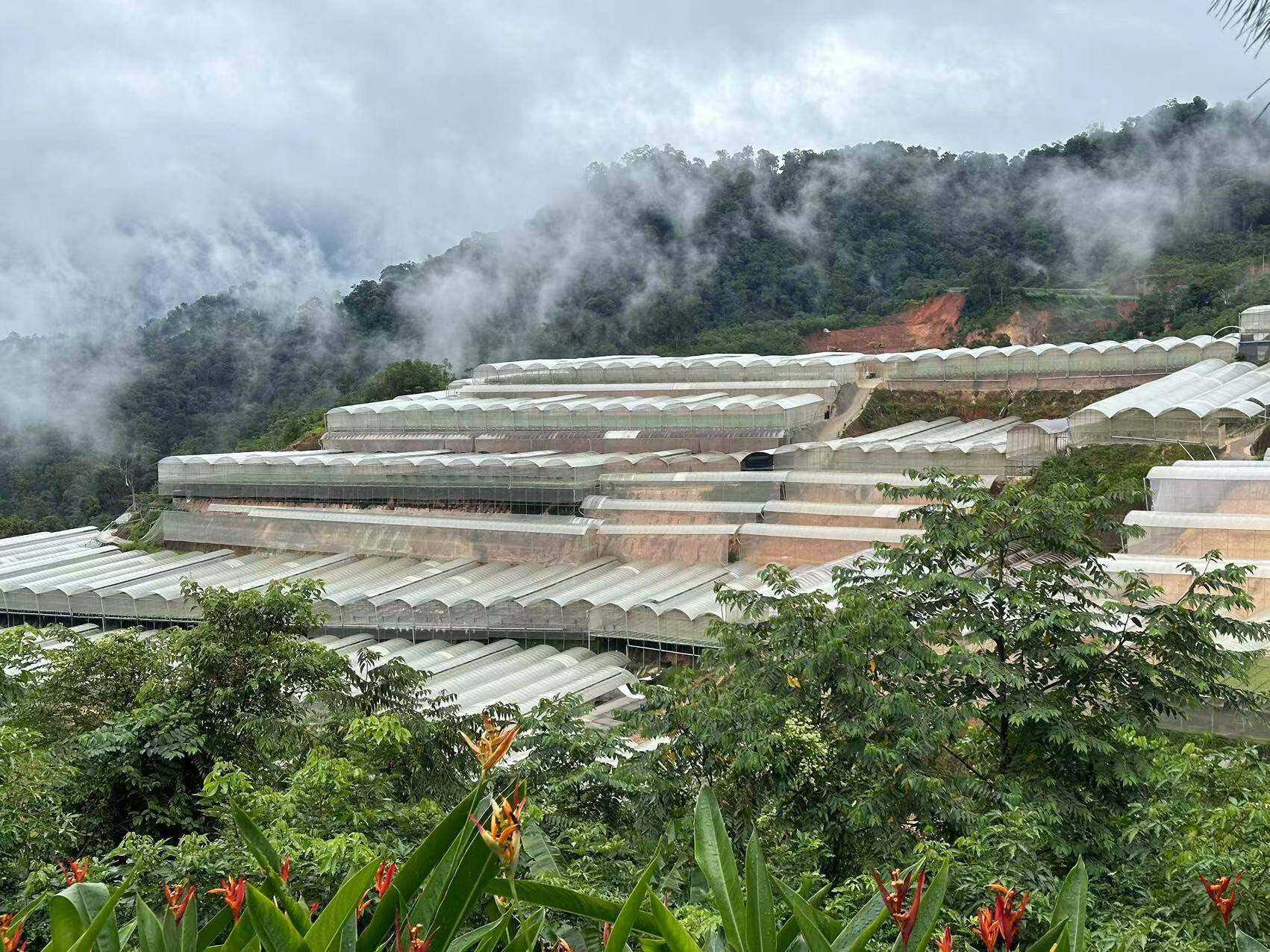
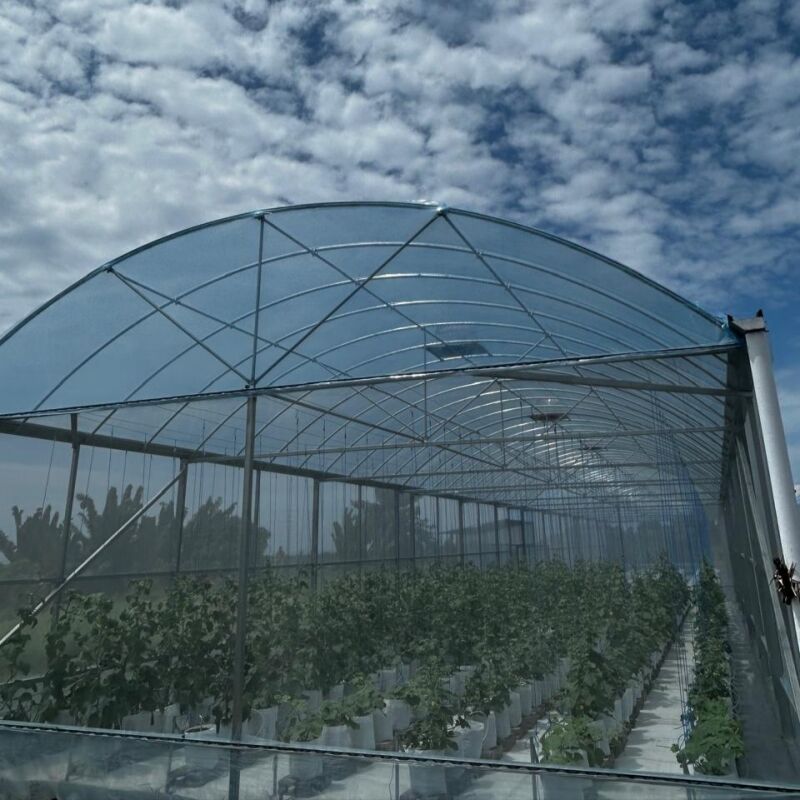
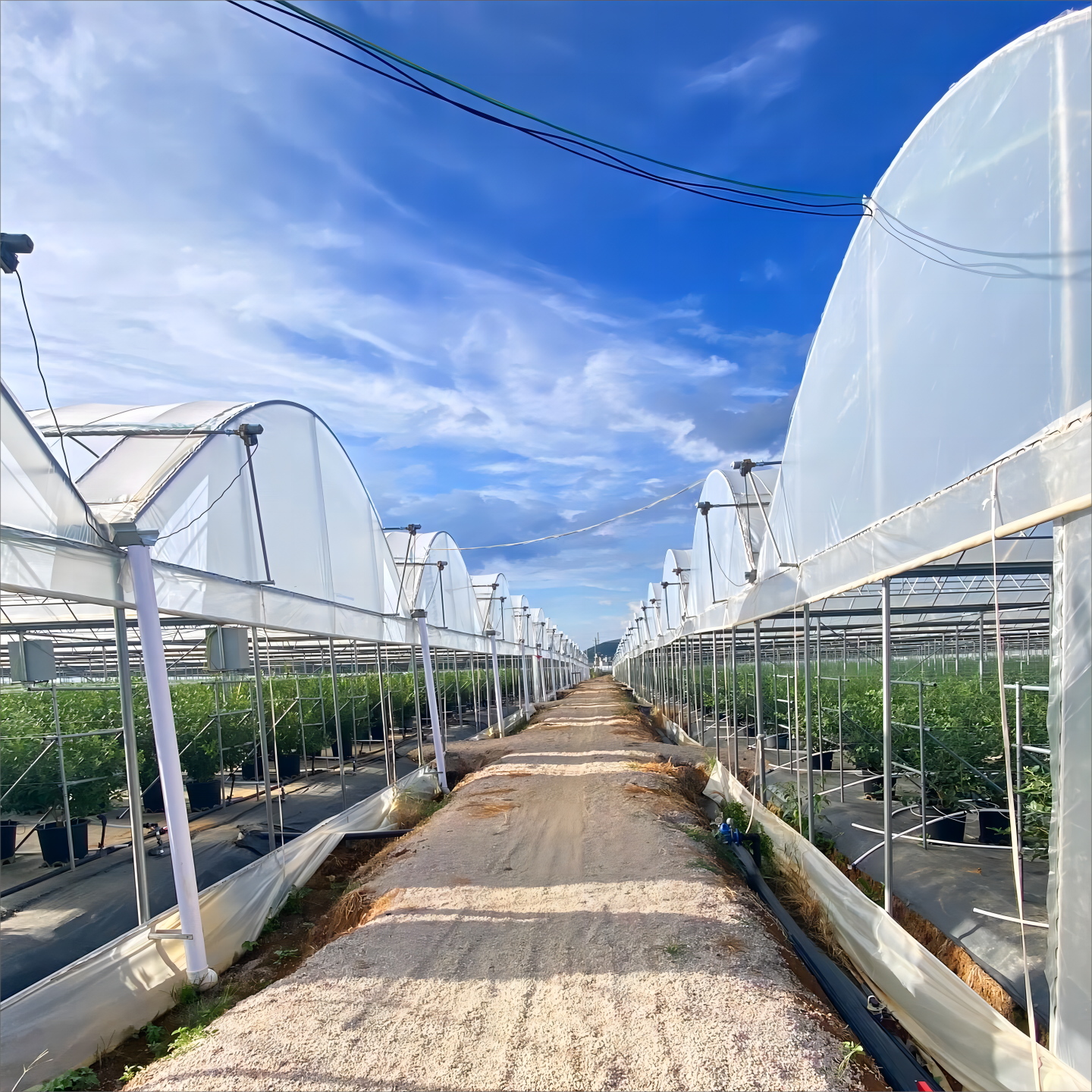
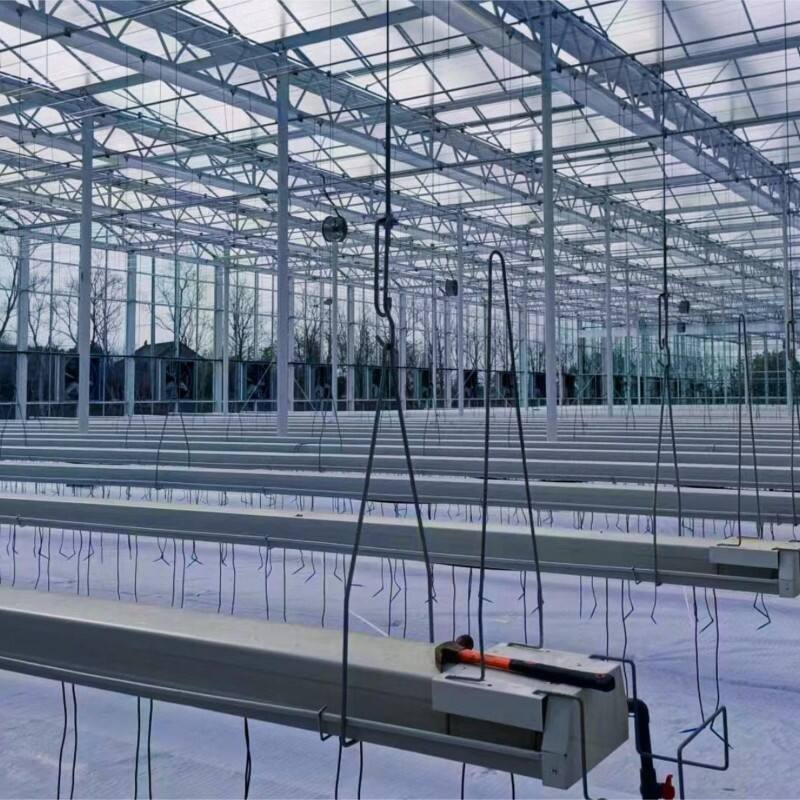
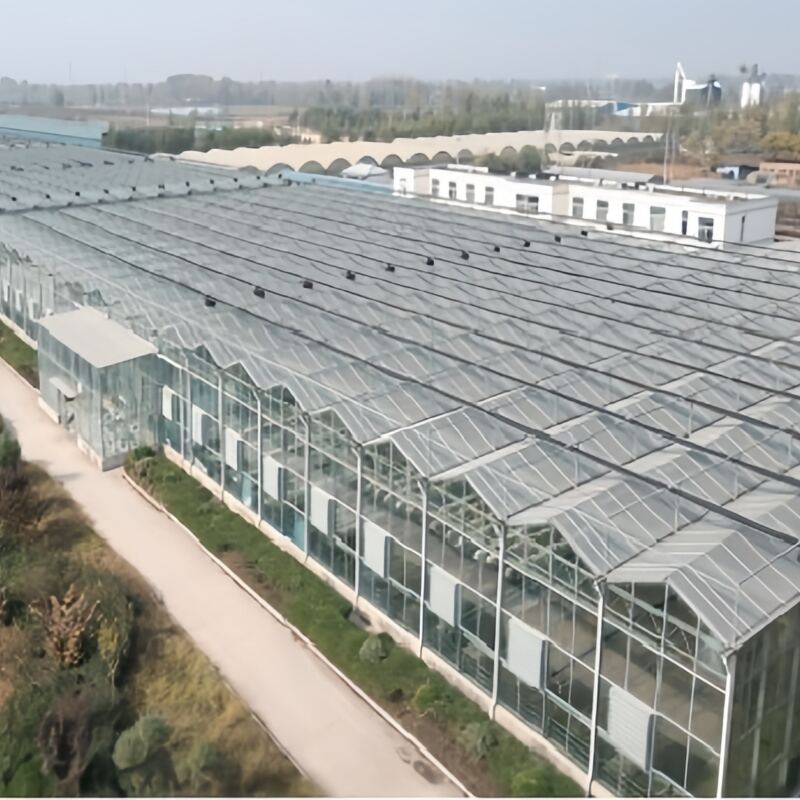
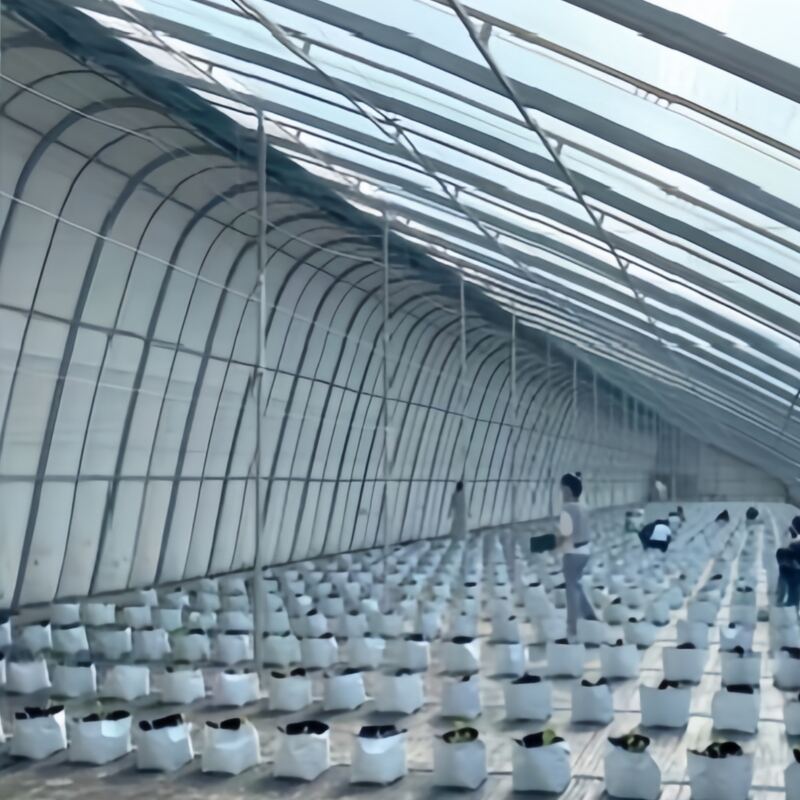
A large glass greenhouse represents the pinnacle of modern agricultural technology, combining traditional cultivation methods with cutting-edge environmental control systems. These expansive structures utilize high-quality tempered glass panels that maximize natural light transmission while providing superior insulation properties. The large glass greenhouse serves as a controlled environment where farmers can cultivate crops year-round, regardless of external weather conditions or seasonal limitations. The primary functions of these facilities include temperature regulation, humidity control, pest management, and optimal light distribution throughout the growing space. Advanced ventilation systems work in conjunction with automated climate control technology to maintain precise environmental parameters. The large glass greenhouse incorporates sophisticated irrigation networks that deliver water and nutrients directly to plant root zones with remarkable efficiency. These structures typically feature reinforced aluminum or steel frameworks designed to withstand extreme weather conditions while supporting substantial crop loads. Modern large glass greenhouse installations often include integrated technology such as automated shading systems, computerized monitoring equipment, and remote management capabilities. The technological features extend beyond basic climate control to encompass energy-efficient heating systems, natural ventilation mechanisms, and advanced growing media preparation areas. Applications for large glass greenhouse facilities span across commercial vegetable production, ornamental plant cultivation, research and development programs, and specialty crop farming. These versatile structures accommodate various growing methods including hydroponic systems, soil-based cultivation, and vertical farming techniques. The large glass greenhouse design allows for optimal space utilization through multi-level growing arrangements and efficient workflow patterns. Professional growers utilize these facilities to produce high-quality crops with consistent yields while minimizing resource consumption and environmental impact.

New Products

The large glass greenhouse delivers exceptional benefits that transform agricultural operations and maximize productivity for commercial growers and farming enterprises. Superior light transmission stands as one of the most significant advantages, with high-quality glass panels allowing up to 95 percent of available sunlight to reach crops naturally. This optimal light penetration reduces electricity costs associated with artificial lighting while promoting healthy plant development and accelerated growth cycles. Year-round production capabilities eliminate seasonal restrictions, enabling continuous harvesting and multiple crop rotations annually. Farmers can generate consistent revenue streams throughout all seasons while meeting market demands for fresh produce regardless of outdoor weather patterns. The controlled environment within a large glass greenhouse protects crops from extreme temperatures, hailstorms, excessive rainfall, and drought conditions that frequently damage outdoor cultivation efforts. Pest and disease management becomes significantly easier within enclosed environments, reducing pesticide applications and maintaining higher crop quality standards. Advanced climate control systems maintain optimal growing conditions by automatically adjusting temperature, humidity, and air circulation based on plant requirements and external conditions. Water conservation represents another crucial advantage, as precision irrigation systems deliver exact amounts of water and nutrients directly to plant root zones, minimizing waste and reducing operational costs. The large glass greenhouse structure provides excellent durability and longevity, with properly maintained facilities operating efficiently for decades while withstanding harsh weather conditions. Enhanced crop quality results from consistent environmental parameters, protection from contamination, and optimal growing conditions that produce superior yields with improved nutritional content. Labor efficiency improves dramatically within organized greenhouse environments, where workers can access plants easily and perform cultivation tasks under comfortable conditions year-round. Market advantages include the ability to grow premium crops, extend growing seasons, and respond quickly to consumer demands for specific varieties or organic produce. Investment returns typically exceed traditional outdoor farming methods through increased yields, reduced crop losses, premium pricing opportunities, and lower long-term operational costs.

Practical Tips

Forging a Powerful Alliance: Netafim and Juyou Xinda Unite to Reshape the Future of Smart Agriculture

28

Nov

Forging a Powerful Alliance: Netafim and Juyou Xinda Unite to Reshape the Future of Smart Agriculture

View More
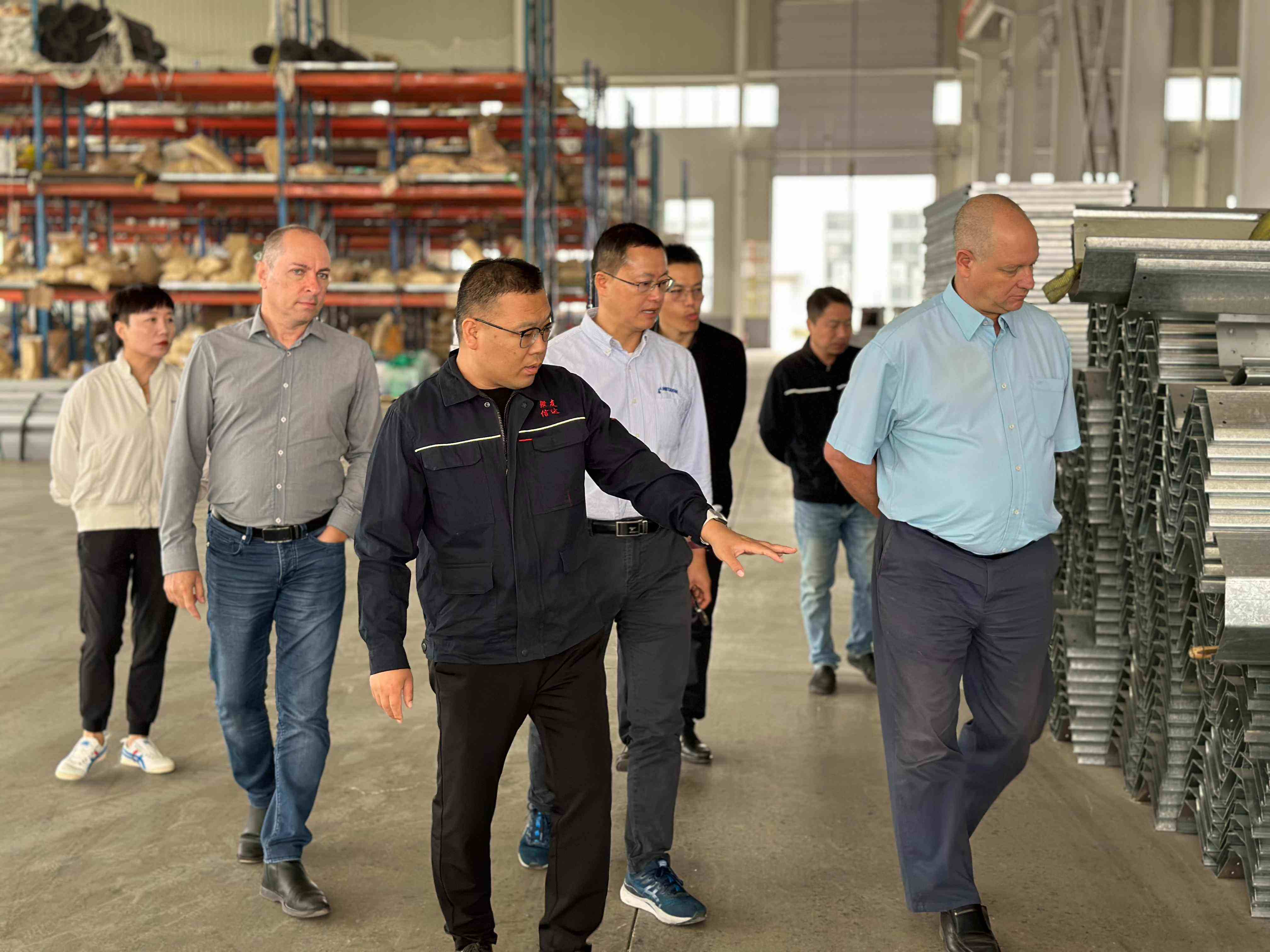
Australian Greenhouse Company Visits Our Facilities to Explore New Collaboration on 50,000 Sq.m Strawberry Glass Greenhouse Project

28

Nov

Australian Greenhouse Company Visits Our Facilities to Explore New Collaboration on 50,000 Sq.m Strawberry Glass Greenhouse Project

View More
 Innovative Breakthrough: Our Company Successfully Delivers World's First Customized

28

Nov

Innovative Breakthrough: Our Company Successfully Delivers World's First Customized "Greenhouse for Fertilizer Drying" to Malaysian Client

View More

Get a Free Quote

Our representative will contact you soon.
Email
Tel or Whatsapp
Name
Company Name
Message
0/1000

large glass greenhouse

Advanced Climate Control Technology

Advanced Climate Control Technology

The large glass greenhouse incorporates state-of-the-art climate control technology that revolutionizes agricultural production through precise environmental management. Sophisticated computerized systems continuously monitor and adjust temperature, humidity, carbon dioxide levels, and air circulation to maintain optimal growing conditions for various crop types. These automated controls respond instantly to environmental changes, ensuring plants receive consistent conditions that maximize growth rates and crop quality. The technology includes multiple heating zones with individual thermostats, allowing different areas within the large glass greenhouse to maintain specific temperatures suitable for diverse plant varieties. Advanced ventilation systems feature both roof and side vents that operate automatically based on internal temperature readings and external weather conditions. The climate control technology integrates seamlessly with weather monitoring stations that provide real-time data about approaching storms, temperature fluctuations, and seasonal changes. Emergency backup systems ensure continuous operation during power outages, protecting valuable crops from sudden environmental changes. The large glass greenhouse climate control extends beyond basic temperature regulation to include humidity management through misting systems and dehumidification equipment. Carbon dioxide enrichment systems maintain optimal atmospheric compositions that accelerate photosynthesis and enhance plant productivity. Remote monitoring capabilities allow operators to oversee multiple large glass greenhouse facilities from any location using smartphone applications or computer interfaces. Data logging features record environmental parameters continuously, enabling growers to analyze performance trends and optimize growing protocols. The technology reduces labor requirements while improving crop consistency, as automated systems handle routine adjustments that previously required constant manual intervention. Energy efficiency remains paramount, with smart controls minimizing heating and cooling costs through precise temperature management and optimal ventilation timing.
Superior Structural Engineering

Superior Structural Engineering

The structural engineering of a large glass greenhouse represents decades of innovation in agricultural construction, combining strength, durability, and functionality in sophisticated building systems. High-grade aluminum or galvanized steel frameworks provide exceptional load-bearing capacity while resisting corrosion from humid greenhouse environments and chemical fertilizer applications. The engineering design accounts for substantial snow loads, wind pressures, and seismic forces that could potentially damage inferior structures. Advanced foundation systems distribute weight evenly across prepared surfaces, preventing settling and maintaining structural integrity over extended periods. The large glass greenhouse utilizes engineered connections and reinforcement points that exceed standard building codes, ensuring safety and longevity under challenging operational conditions. Modular construction techniques enable efficient assembly and future expansion opportunities, allowing growers to increase capacity as their operations develop. The structural system accommodates various internal configurations including hanging basket systems, bench arrangements, and overhead equipment installations without compromising building integrity. Precision manufacturing ensures all components fit together perfectly, creating weatherproof seals and optimal thermal performance throughout the large glass greenhouse structure. The engineering includes integrated gutters and drainage systems that efficiently manage rainwater collection and removal while preventing ice formation during winter months. Expansion joint systems allow for thermal movement without creating stress points that could lead to structural failure or glass breakage. The framework design maximizes internal space utilization while minimizing structural elements that could obstruct natural light transmission or interfere with growing operations. Professional engineering calculations optimize material usage, reducing construction costs while maintaining superior performance standards. The large glass greenhouse structure supports heavy equipment such as environmental control systems, irrigation networks, and automated growing equipment without requiring additional reinforcement. Maintenance accessibility remains a priority, with structural elements positioned to allow easy inspection and service without disrupting growing operations.
Energy Efficient Growing Environment

Energy Efficient Growing Environment

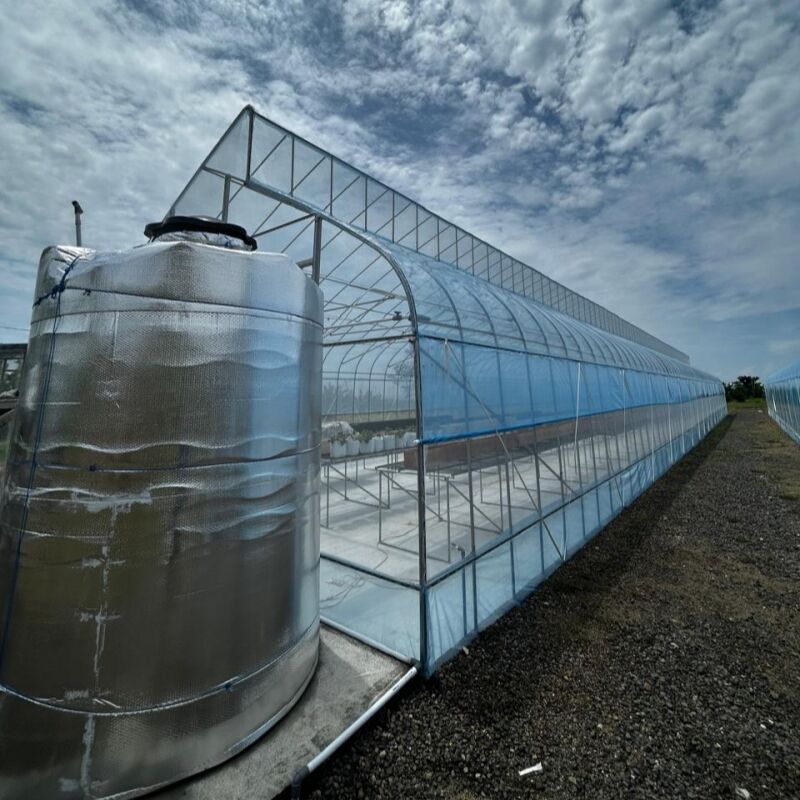
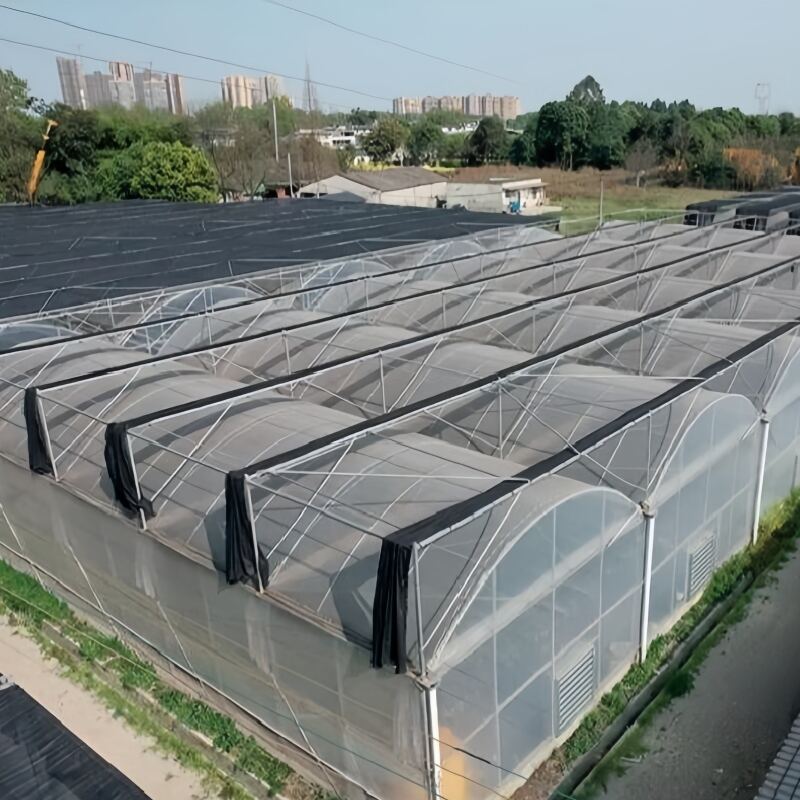
The energy efficient design of a large glass greenhouse maximizes growing potential while minimizing operational costs through innovative thermal management and sustainable technology integration. Double-wall or triple-wall glass panels provide superior insulation properties that significantly reduce heating requirements during cold seasons while maintaining comfortable growing temperatures. Thermal screens and automated shading systems optimize light transmission during peak growing periods while preventing overheating and excessive energy consumption from cooling systems. The large glass greenhouse incorporates passive solar design principles that capture and store thermal energy during daylight hours, releasing warmth gradually throughout cooler evening periods. Ground-source heat pump systems utilize stable underground temperatures to provide efficient heating and cooling with minimal electricity consumption compared to traditional HVAC systems. Energy recovery ventilation captures waste heat from exhaust air and transfers it to incoming fresh air, maintaining optimal growing conditions while conserving energy resources. LED supplemental lighting systems provide targeted spectral output for specific crops while consuming substantially less electricity than conventional growing lights. Smart energy management systems monitor power consumption patterns and automatically adjust operations to minimize costs during peak demand periods. The large glass greenhouse design includes rainwater collection systems that reduce municipal water usage while providing pure irrigation water free from chlorine and chemical additives. Solar panel integration capabilities allow facilities to generate renewable electricity on-site, reducing dependency on grid power and lowering long-term operational expenses. Biomass heating systems can utilize agricultural waste products to provide sustainable heating solutions while reducing disposal costs. The energy efficient environment extends to growing systems that recirculate nutrients and water, minimizing waste while maximizing resource utilization. Computerized scheduling optimizes energy-intensive operations during off-peak hours when electricity rates remain lower. The large glass greenhouse thermal mass systems store and release energy naturally, reducing mechanical heating and cooling requirements throughout daily temperature cycles.

Get a Free Quote

Our representative will contact you soon.
Email
Tel or Whatsapp
Name
Company Name
Message
0/1000