mini plastic greenhouse
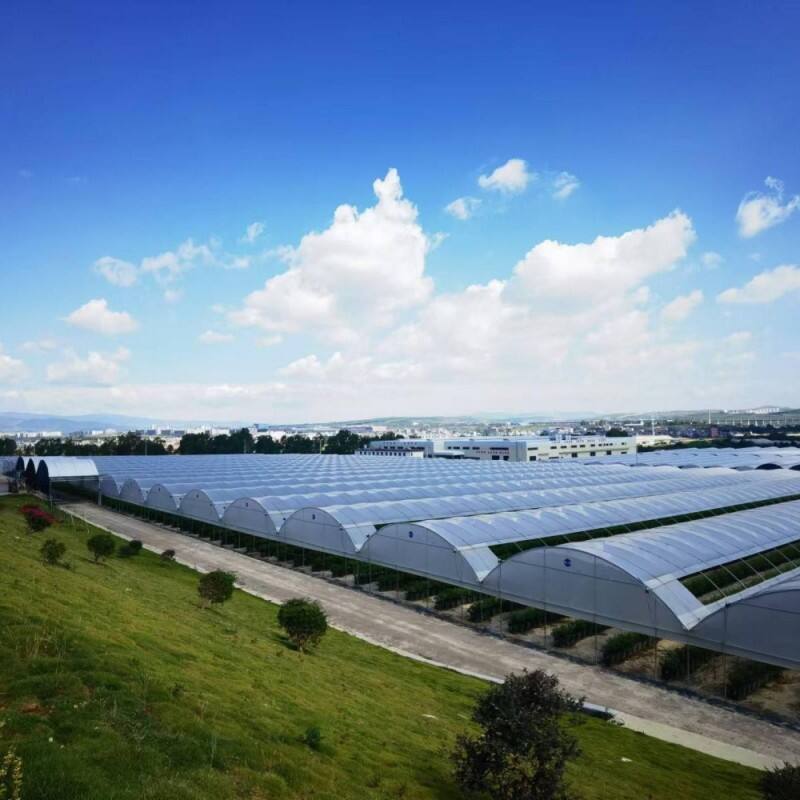
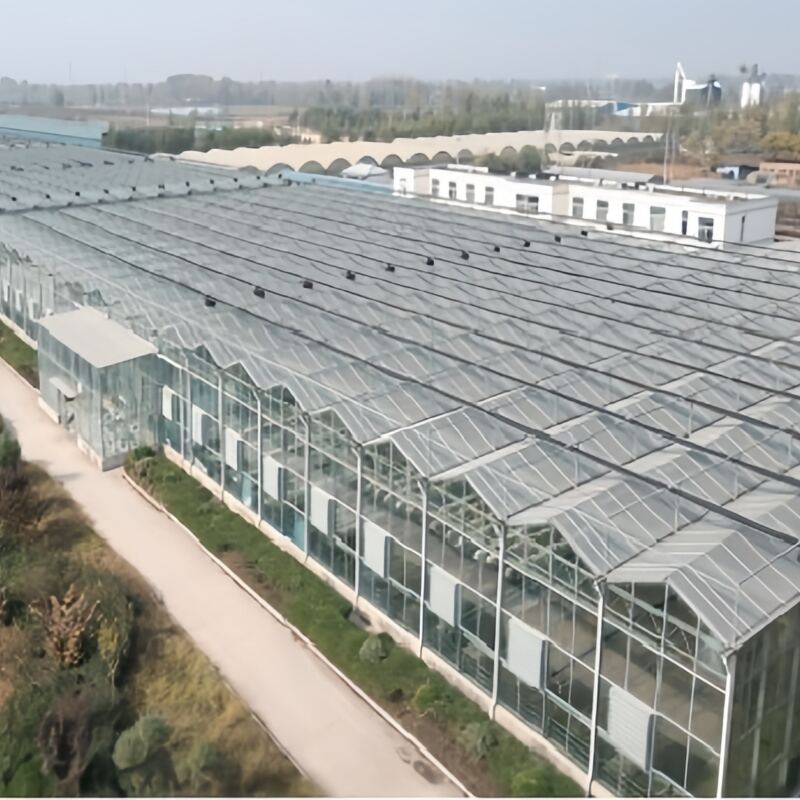
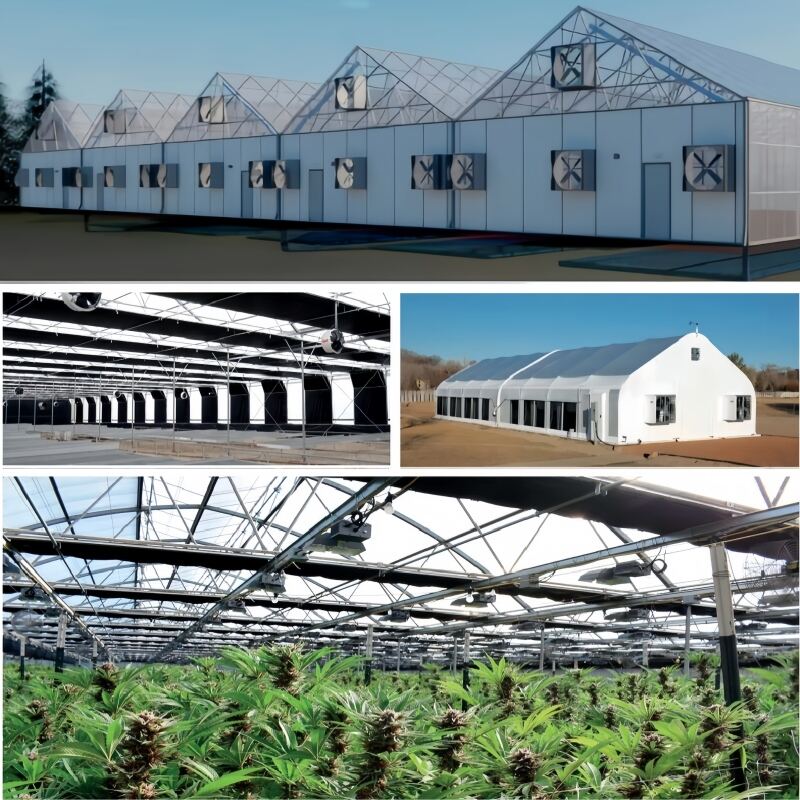
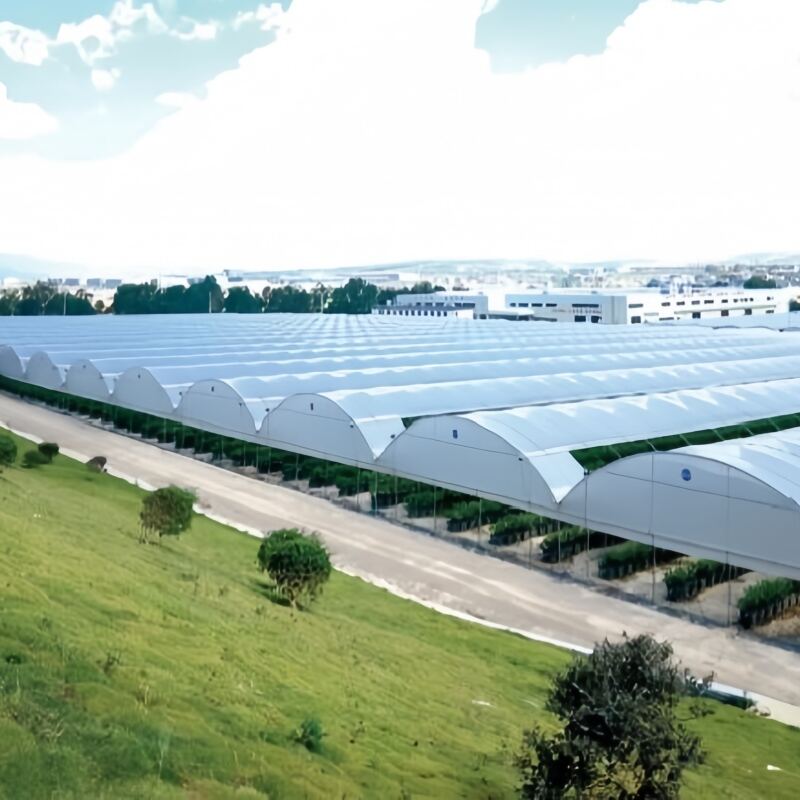
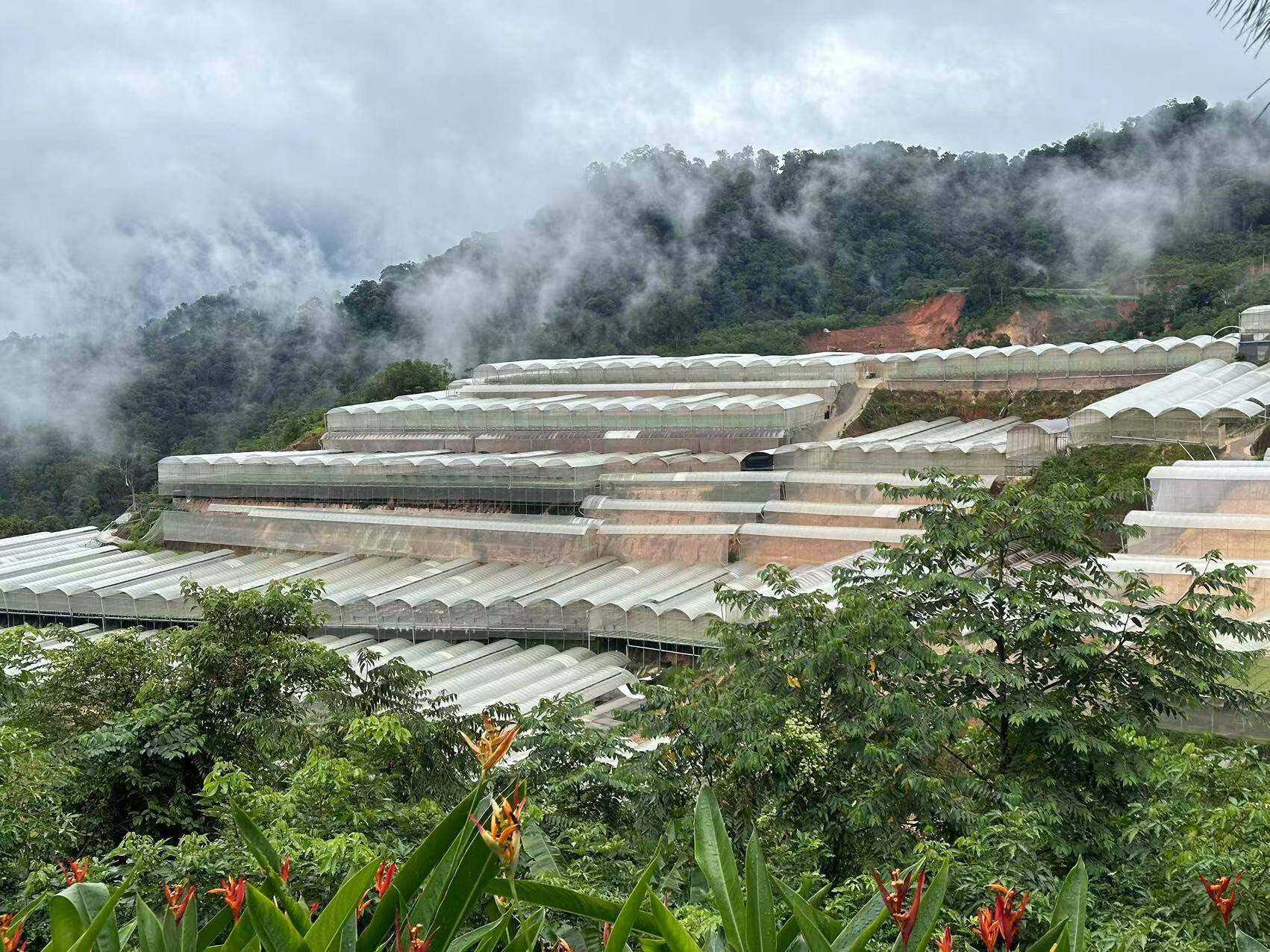
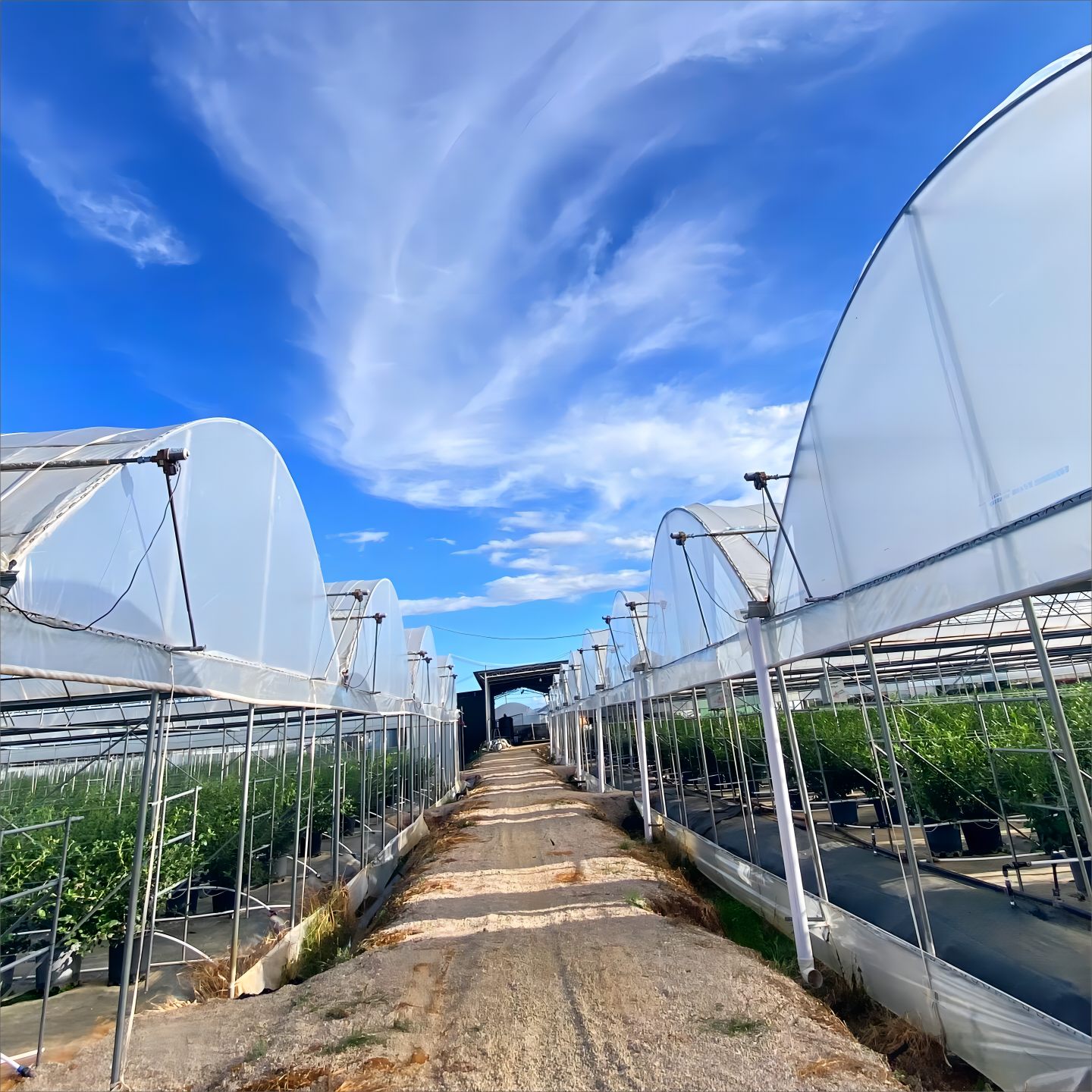
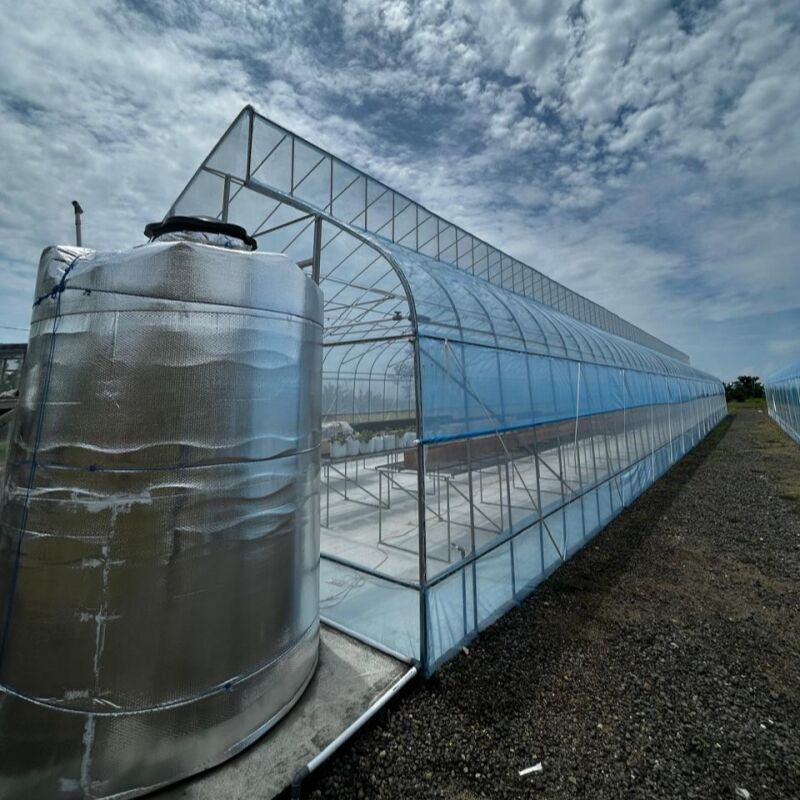
A mini plastic greenhouse represents an innovative gardening solution that transforms how enthusiasts cultivate plants in limited spaces. This compact structure combines the fundamental principles of traditional greenhouse design with modern materials and space-efficient engineering. The mini plastic greenhouse utilizes high-quality polycarbonate or specialized plastic panels that create an optimal growing environment while maintaining affordability and durability. These structures typically measure between 4 to 8 feet in length, making them perfect for patios, balconies, or small garden areas. The technological features include UV-resistant plastic materials that filter harmful rays while allowing beneficial light spectrum penetration for photosynthesis. Advanced ventilation systems incorporate adjustable louvers and automatic window openers that respond to temperature changes, ensuring consistent airflow without manual intervention. The frame construction employs lightweight yet sturdy aluminum or galvanized steel components that resist corrosion and weather damage. Many models feature modular designs allowing users to expand their growing capacity as needed. Temperature regulation systems maintain ideal growing conditions through passive solar heating and strategic air circulation. The applications span across multiple gardening scenarios including seed starting, vegetable cultivation, herb production, and flower growing. Urban gardeners particularly benefit from these structures as they extend growing seasons significantly. The mini plastic greenhouse enables year-round cultivation in temperate climates while protecting plants from harsh weather conditions, pests, and environmental stressors. Professional nurseries utilize these units for propagation programs, while educational institutions incorporate them into agricultural learning curricula. Home gardeners appreciate the ability to grow exotic plants that typically require controlled environments. The compact footprint makes installation possible in previously unusable spaces, maximizing growing potential without extensive landscape modifications.
 EN
EN