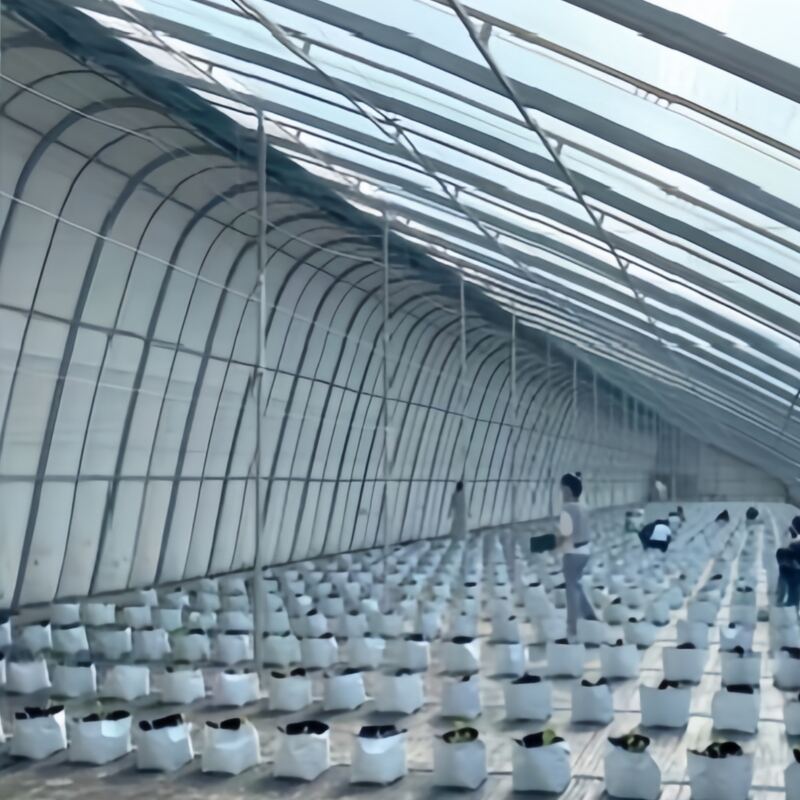
Integrated Growing System Support
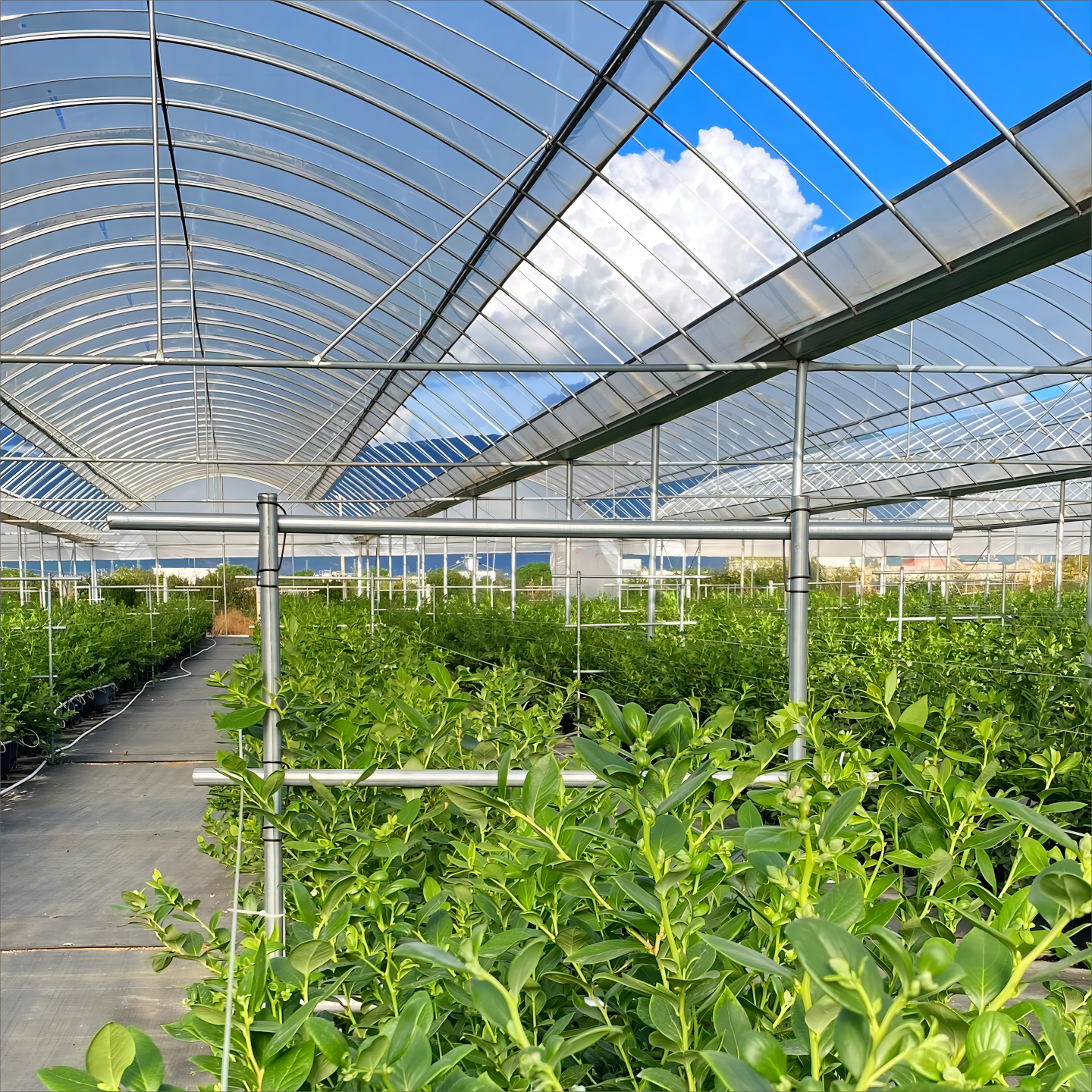
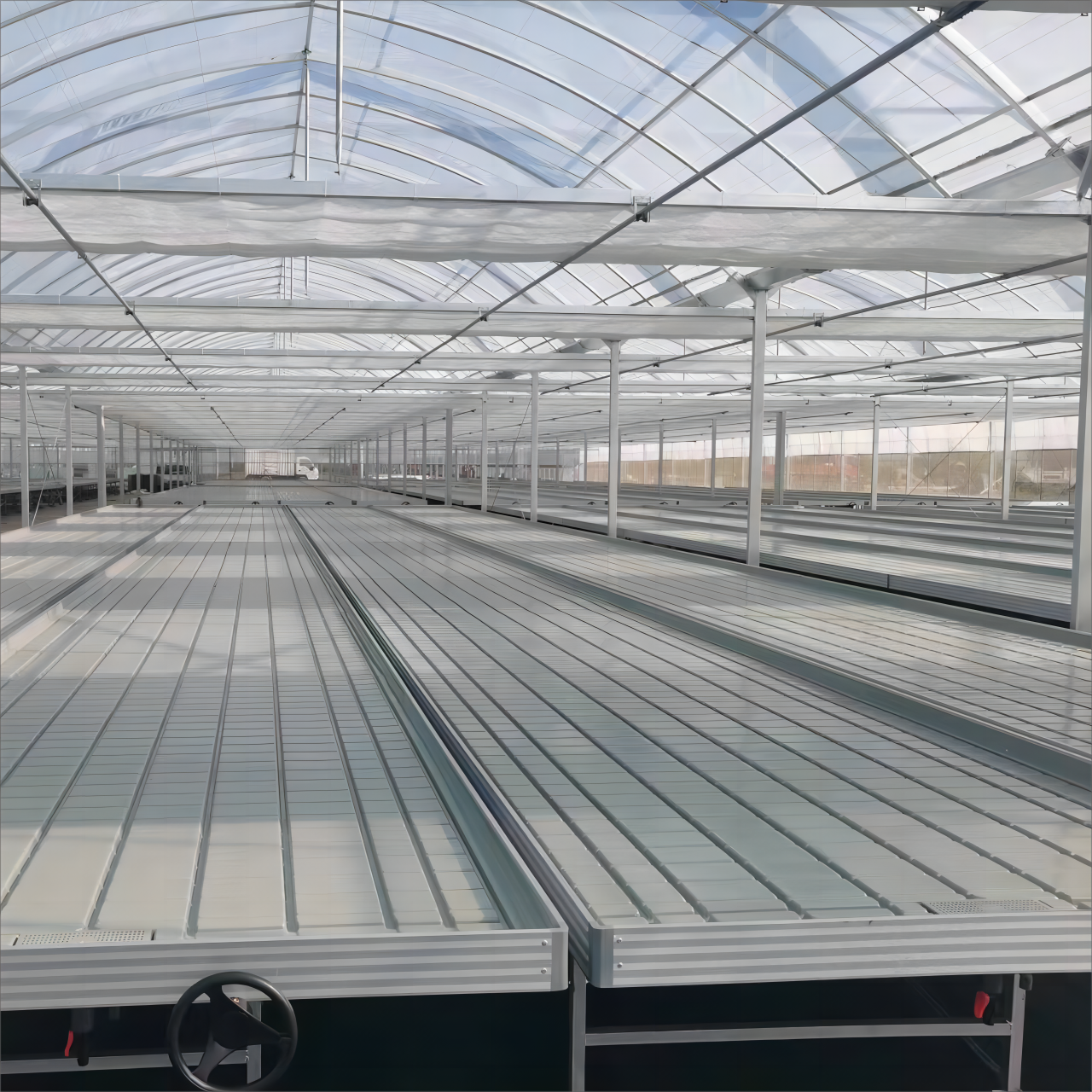
Modern greenhouse kits excel in their comprehensive support for diverse growing methodologies, incorporating sophisticated infrastructure that accommodates traditional soil cultivation, advanced hydroponic systems, and cutting-edge aeroponic techniques within unified frameworks designed for maximum versatility and productivity. The integrated approach eliminates compatibility issues between different growing methods by providing standardized mounting points, water distribution networks, and electrical systems that adapt seamlessly to various cultivation approaches without requiring extensive modifications or additional infrastructure investments. Hydroponic system integration includes precision-engineered water circulation networks with filtration systems, nutrient injection capabilities, and monitoring equipment that maintains optimal nutrient concentrations and pH levels automatically, ensuring plants receive precisely calibrated nutrition throughout their growth cycles. The structural design accommodates vertical growing systems that maximize space utilization through multi-tier arrangements, allowing significantly higher plant densities and production volumes within the same footprint compared to traditional horizontal growing methods. Automated irrigation systems incorporate programmable controllers that deliver water and nutrients according to customized schedules based on plant species, growth stages, and environmental conditions, optimizing resource utilization while minimizing waste and labor requirements. The electrical infrastructure supports advanced lighting systems including full-spectrum LED arrays that supplement natural sunlight during low-light periods or enable year-round production in regions with limited daylight hours, with programmable controllers that simulate natural photoperiods for optimal plant development. Root zone heating systems maintain optimal soil temperatures for enhanced nutrient uptake and root development, particularly beneficial during cooler months when ambient temperatures might otherwise slow plant growth and reduce productivity. The integrated pest management approach includes physical exclusion systems, beneficial insect habitat areas, and monitoring stations that enable early detection and targeted treatment of potential problems before they impact crop quality or yields. Harvesting and post-harvest handling infrastructure includes workstations, cleaning areas, and temporary storage facilities that maintain crop quality from harvest through distribution, ensuring maximum value retention and customer satisfaction. Data collection capabilities track growing parameters, resource consumption, and yield data that inform optimization strategies and demonstrate return on investment through quantifiable improvements in productivity and efficiency compared to conventional growing methods.
 EN
EN