Superior Crop Protection and Quality Enhancement Features
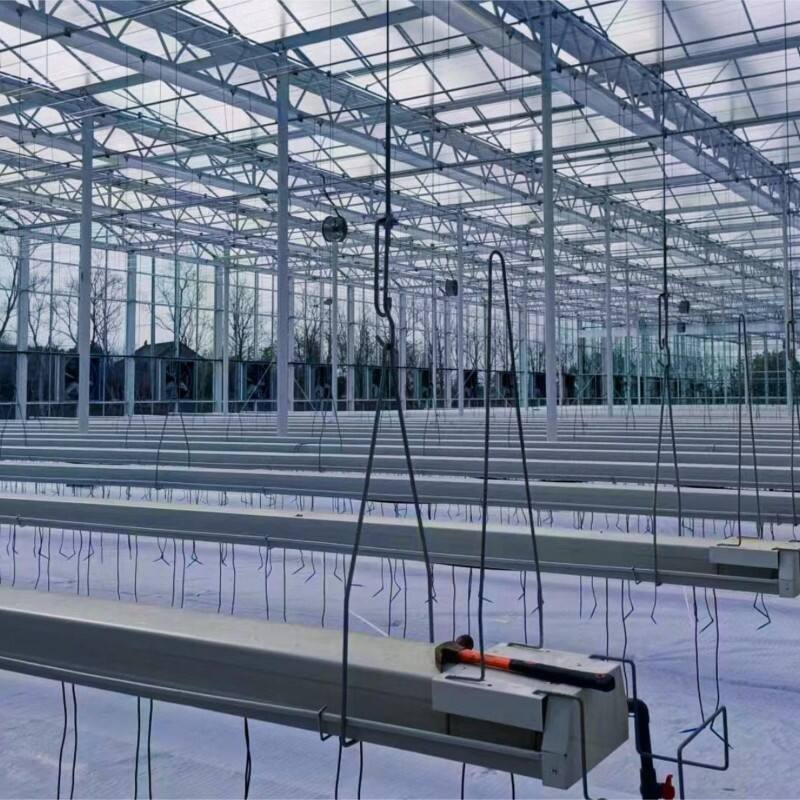
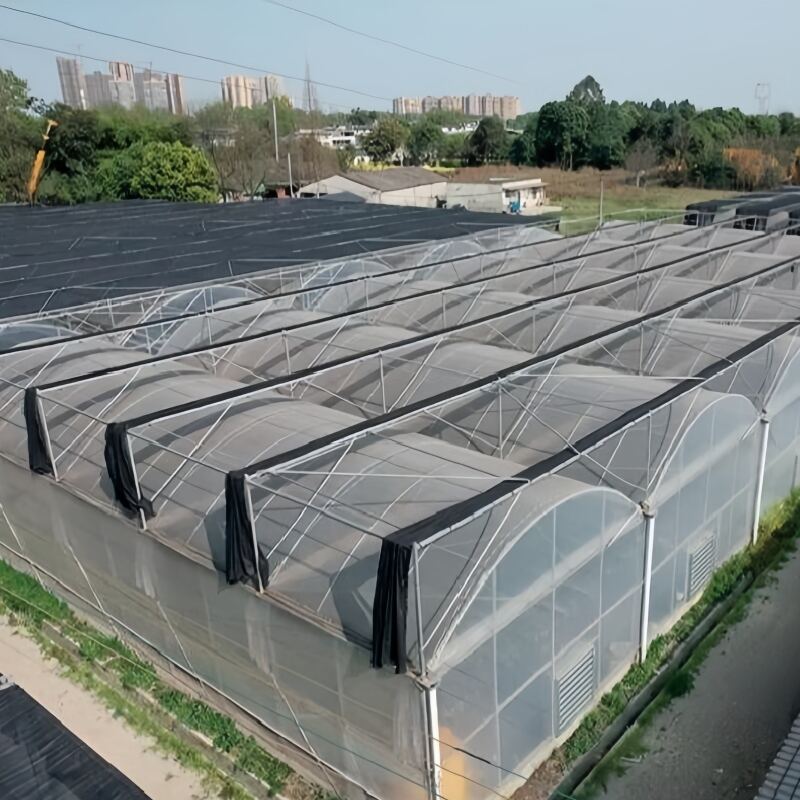
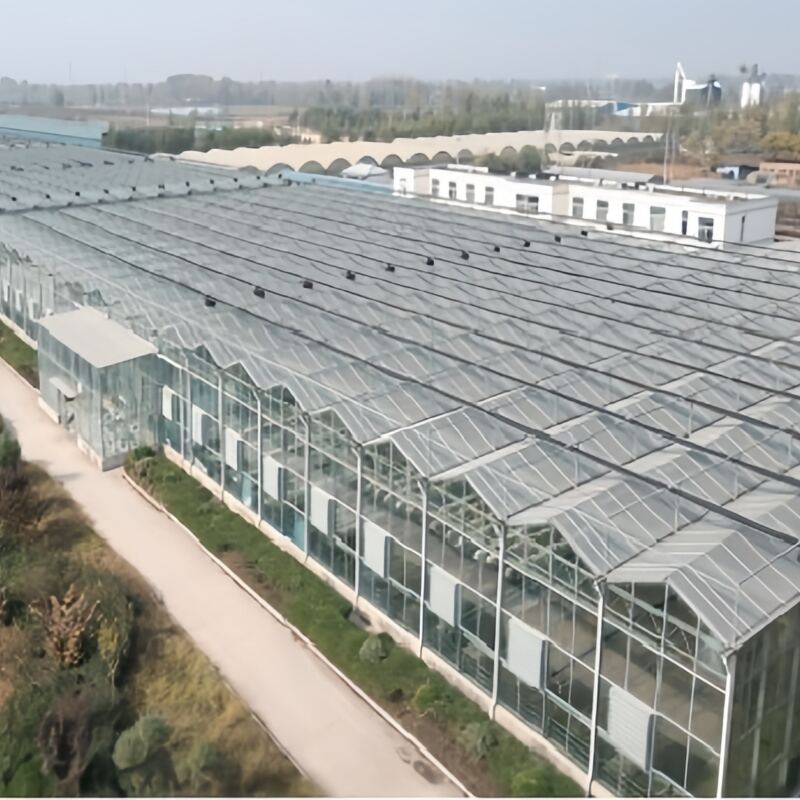
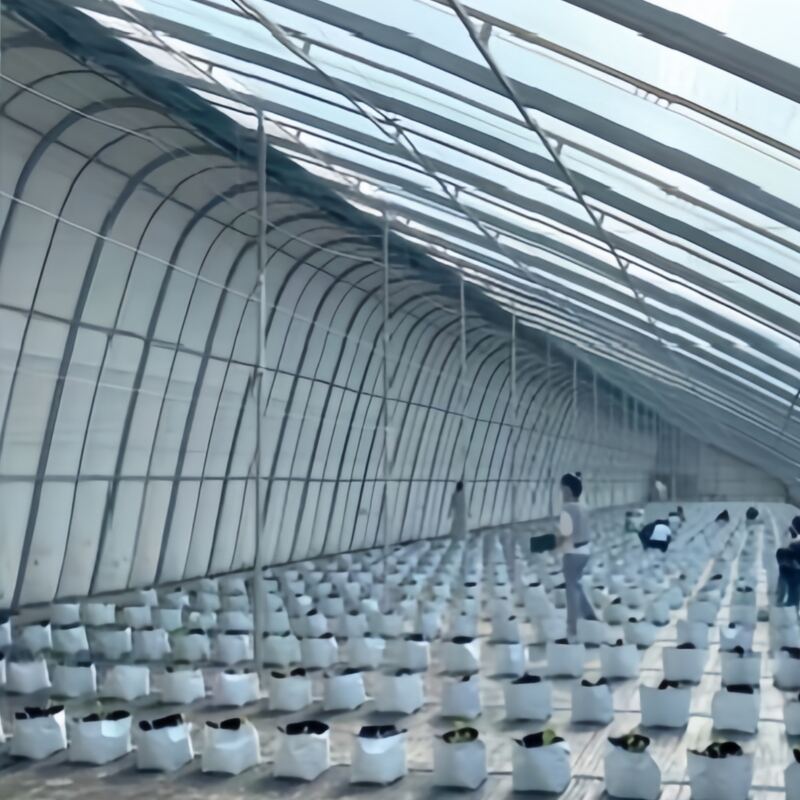
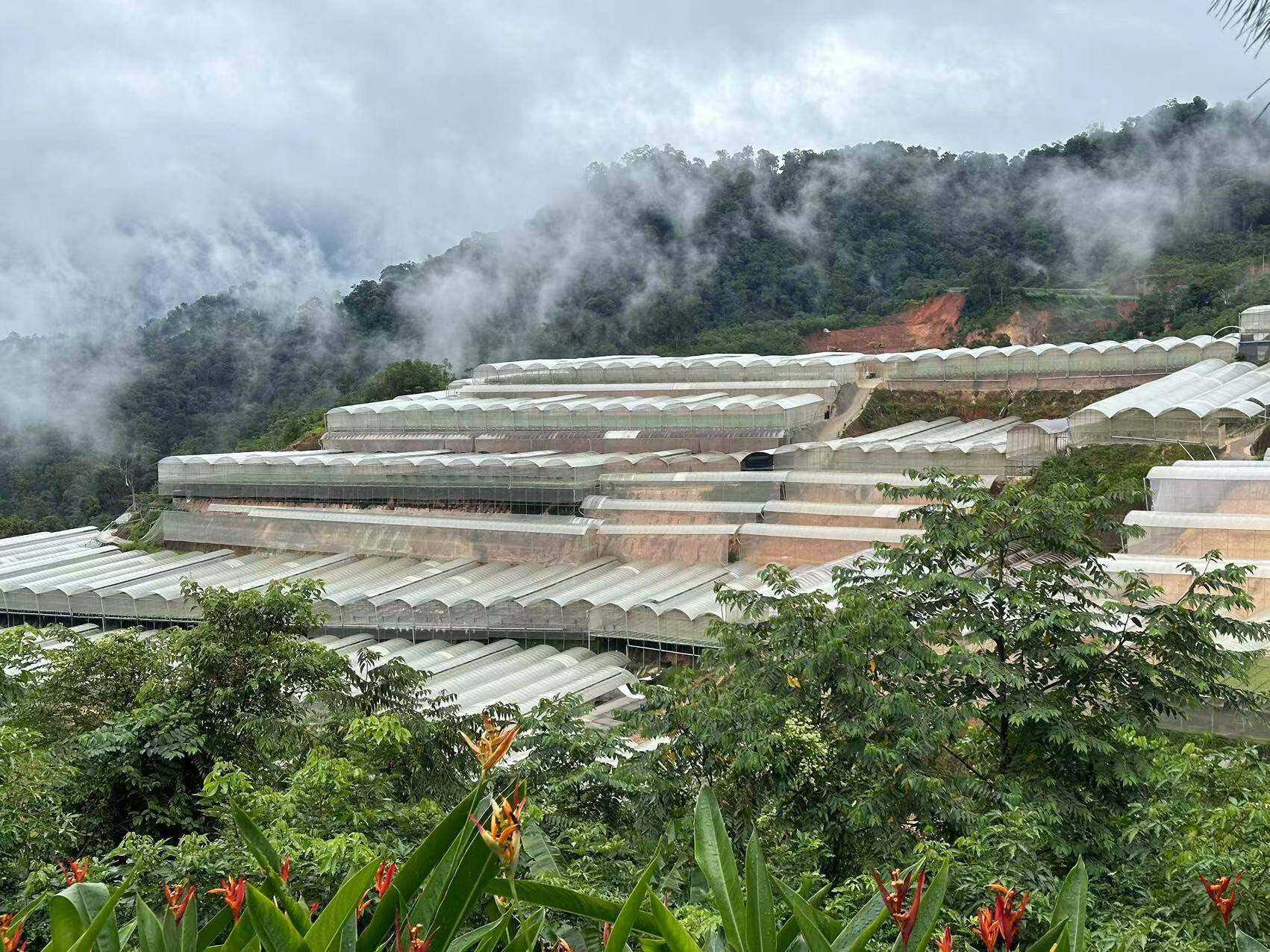
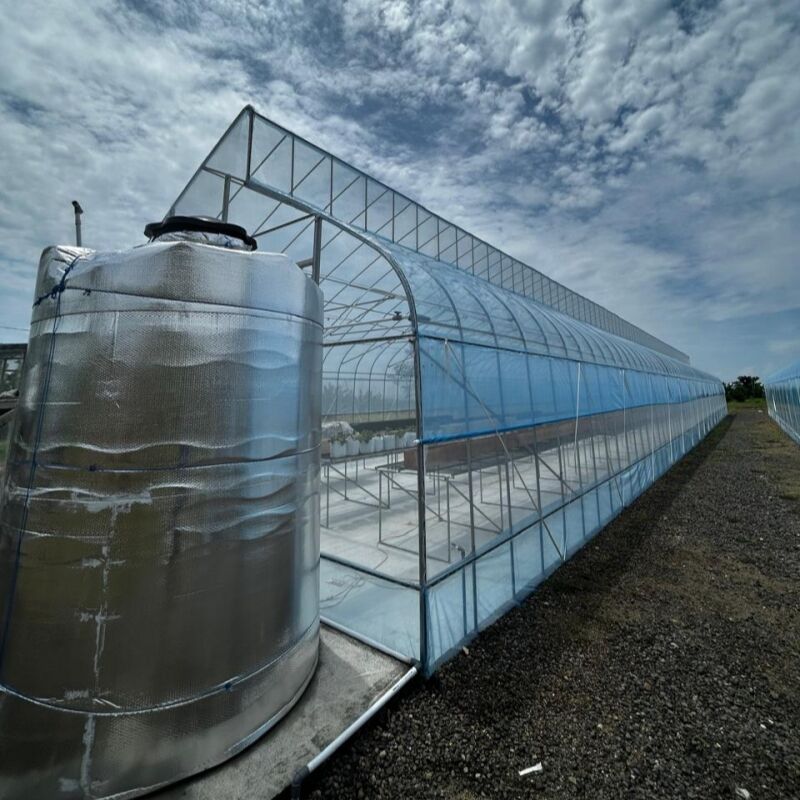
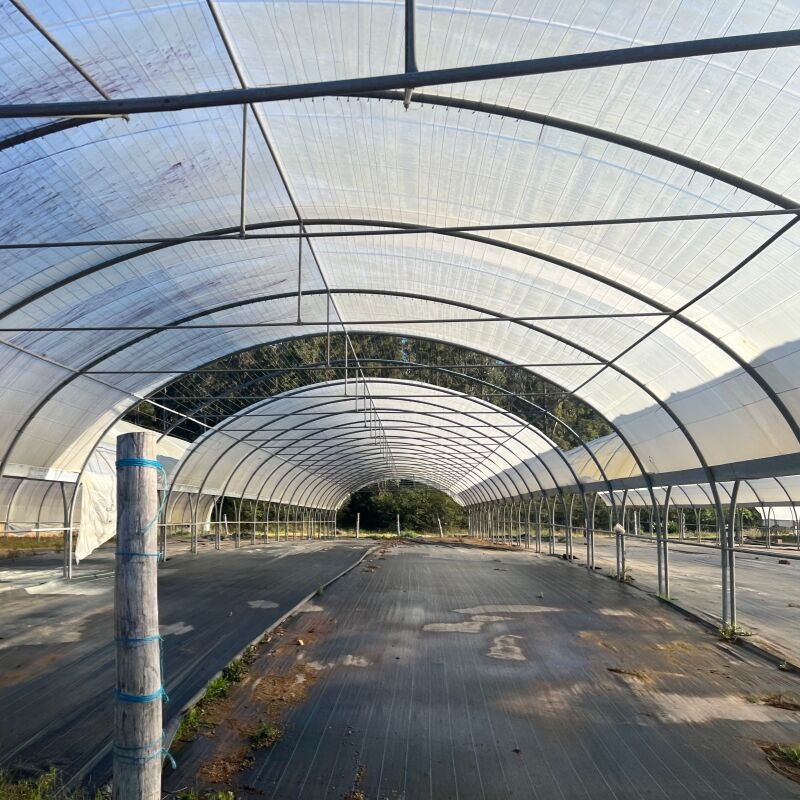
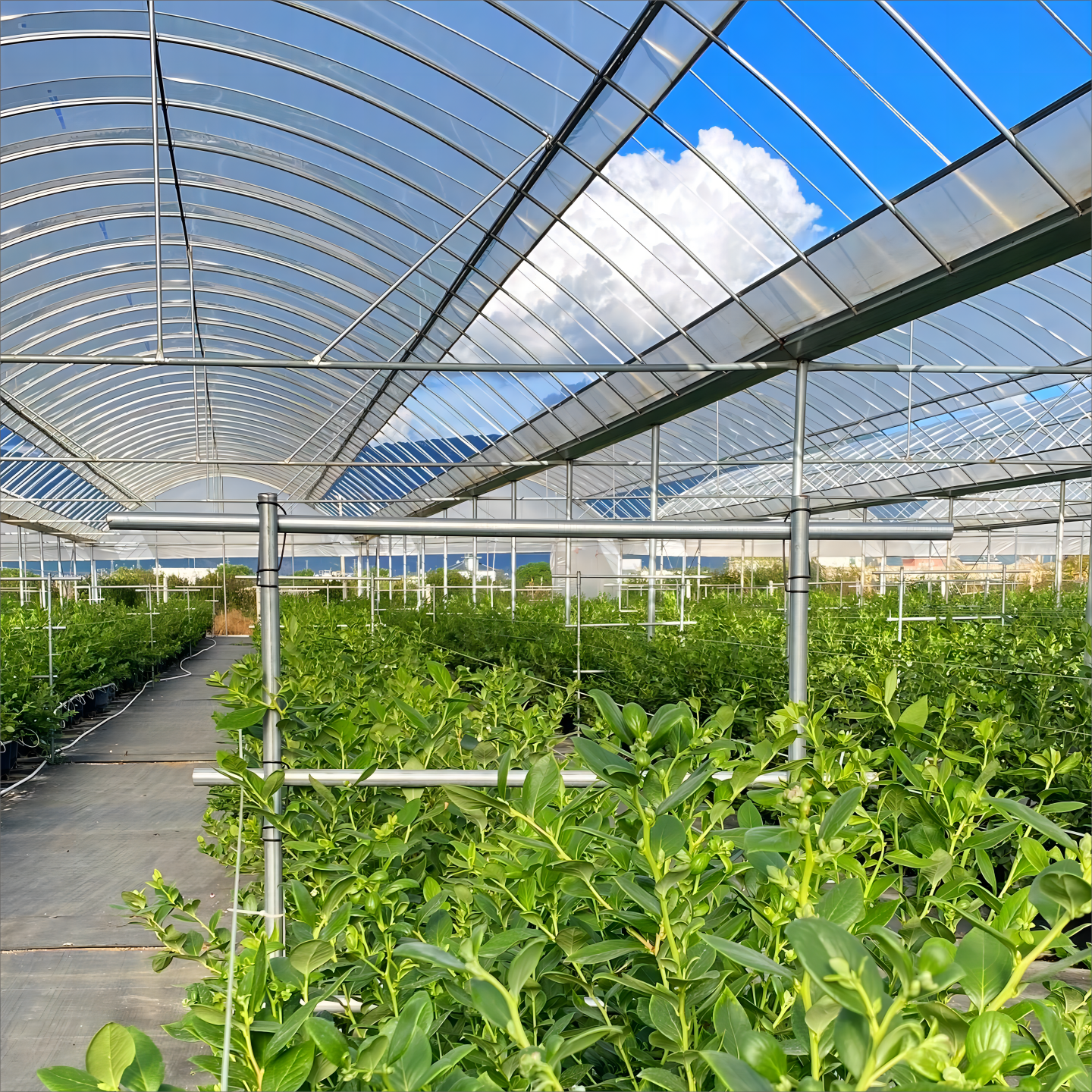
The plant shade house delivers exceptional crop protection capabilities that significantly enhance product quality while reducing agricultural risks associated with environmental stresses and external threats. This comprehensive protection system addresses multiple challenges facing modern agricultural operations, providing farmers with reliable solutions for consistent crop production. Physical protection represents the most immediate benefit, as the plant shade house structure shields crops from damaging hail, excessive wind, and heavy precipitation that can destroy entire harvests within minutes. The robust framework, typically constructed from galvanized steel or powder-coated aluminum, withstands extreme weather conditions while maintaining structural integrity for decades of reliable operation. UV radiation management through specialized shade cloth materials prevents sun damage, sunscald, and heat stress that commonly affect open-field crops during intense summer conditions. The filtered light environment created by the plant shade house promotes healthier plant development, resulting in improved fruit set, enhanced color development, and reduced blemishes that decrease market value. Pest exclusion capabilities inherent in plant shade house designs create significant value by reducing insect pressure and limiting disease transmission vectors. The enclosed environment prevents many flying pests from accessing crops, while ground-level barriers control crawling insects and small mammals that commonly damage agricultural products. This natural pest control reduces pesticide requirements, lowering production costs while supporting environmentally sustainable farming practices. Disease management becomes more effective within the controlled plant shade house environment, where reduced humidity fluctuations and improved air circulation minimize conditions favorable for fungal and bacterial pathogens. The protection extends to frost prevention during cold seasons, where the plant shade house structure traps ground heat and prevents rapid temperature drops that can damage tender plants. Quality enhancement benefits include more uniform ripening patterns, reduced stress-related defects, and improved storage characteristics that extend shelf life and market value. These protection features combine to create a comprehensive growing environment that consistently produces premium quality crops, commanding higher market prices and providing superior returns on agricultural investments.
 EN
EN