steel greenhouse structure
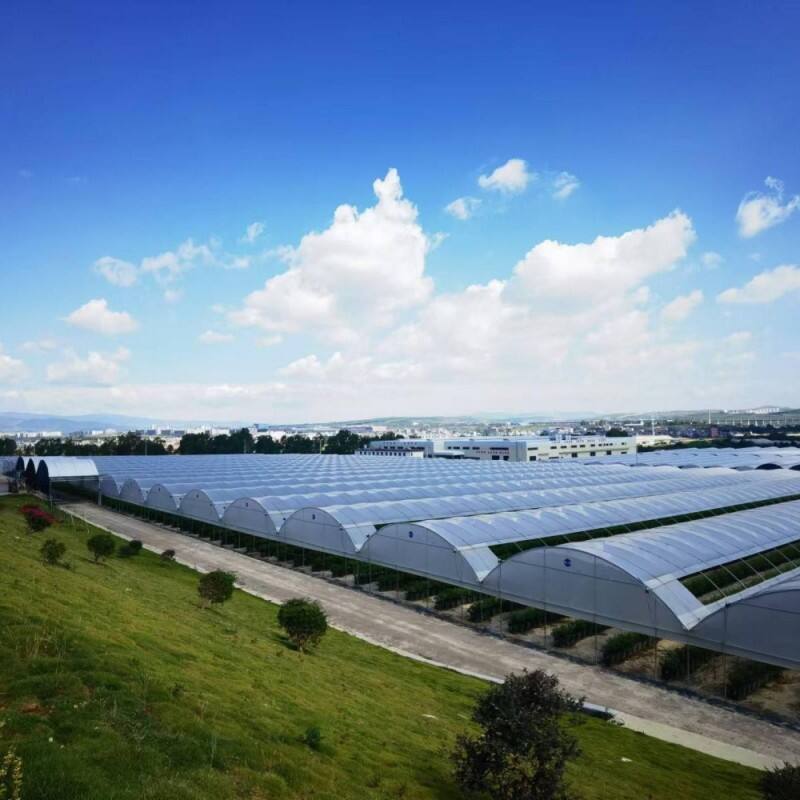
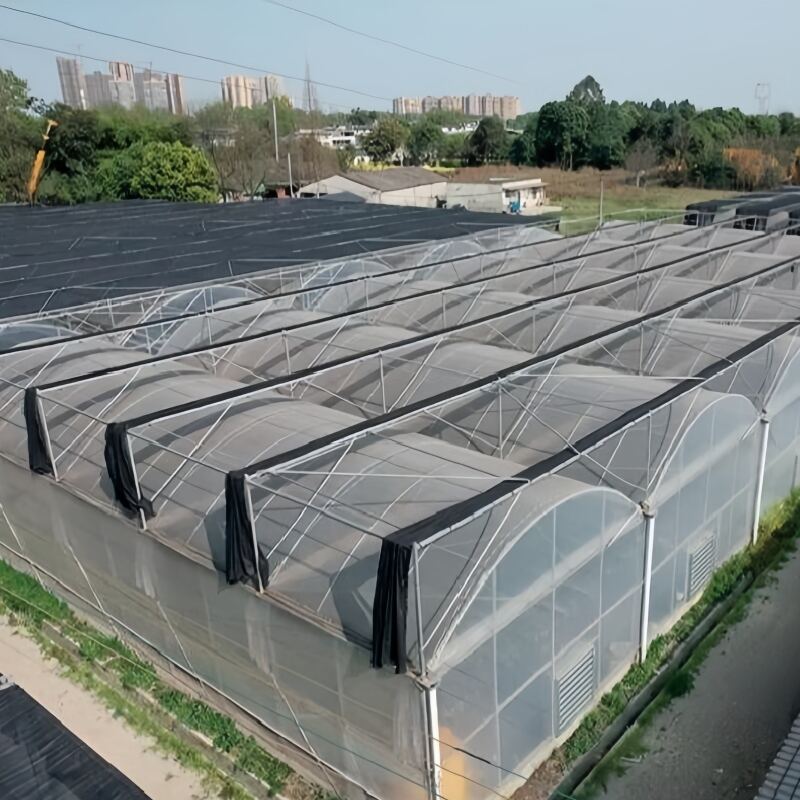
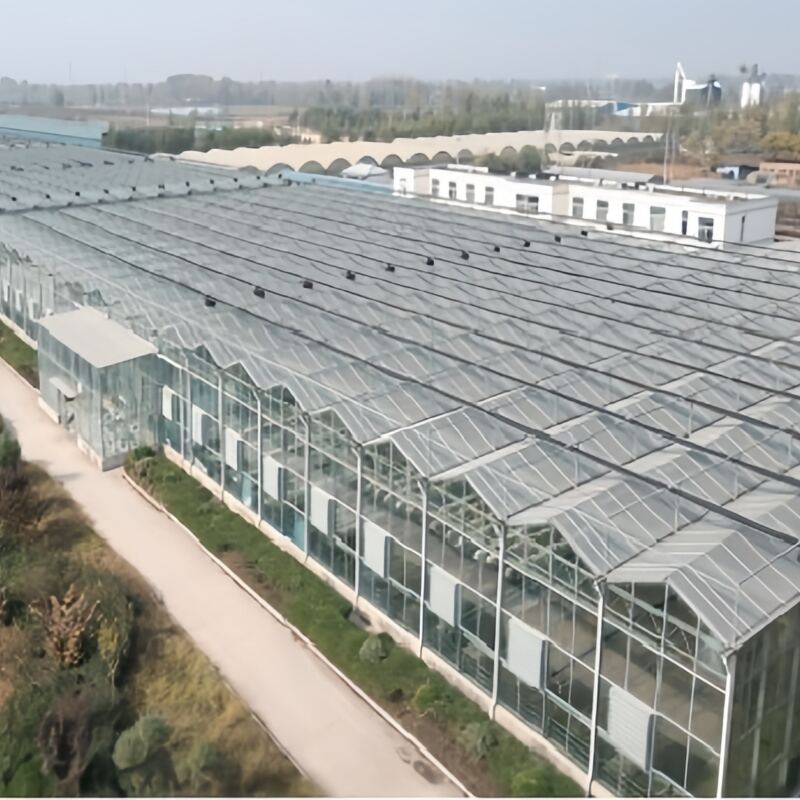
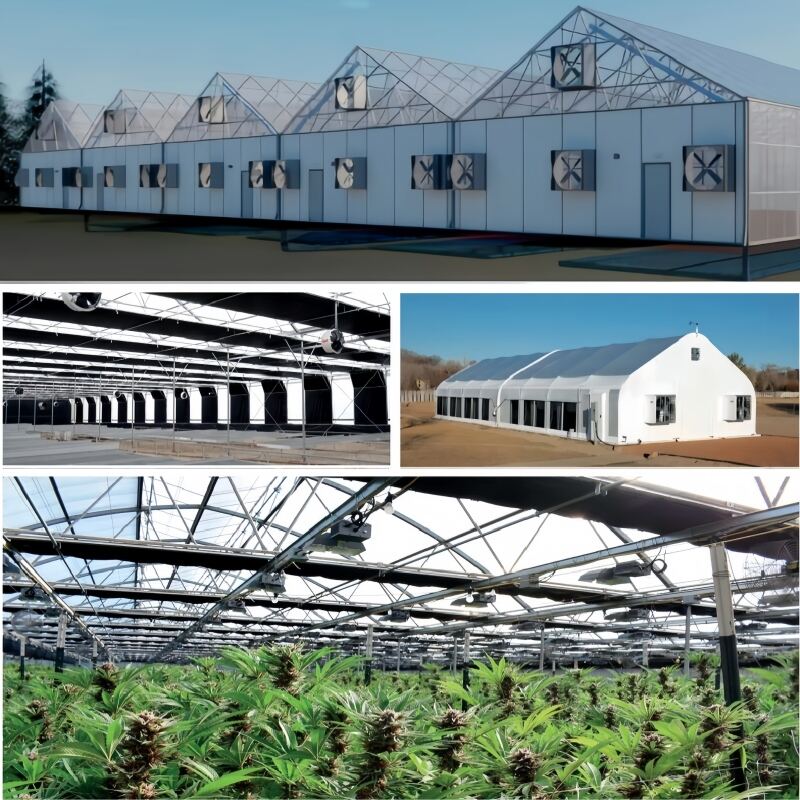
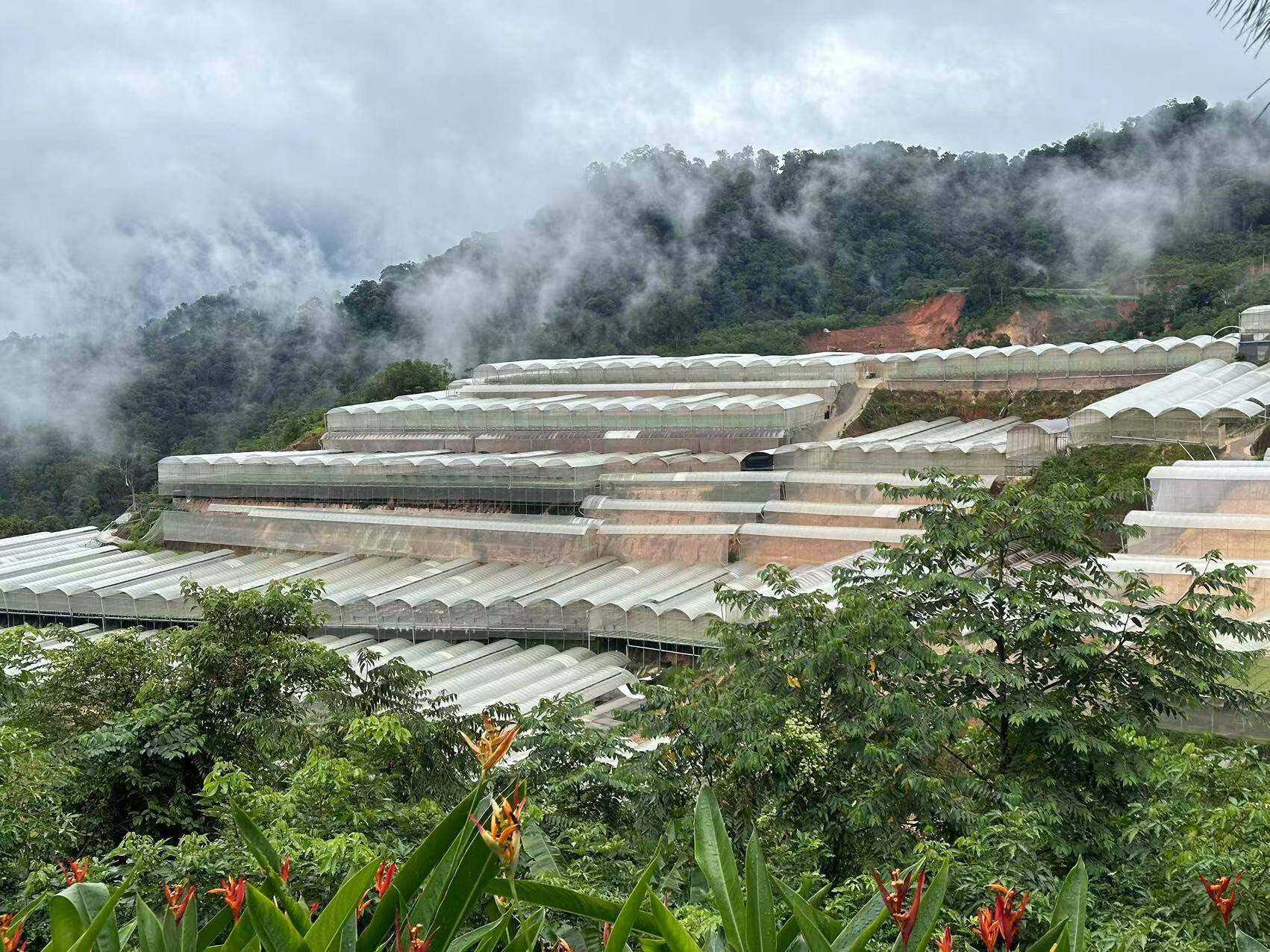
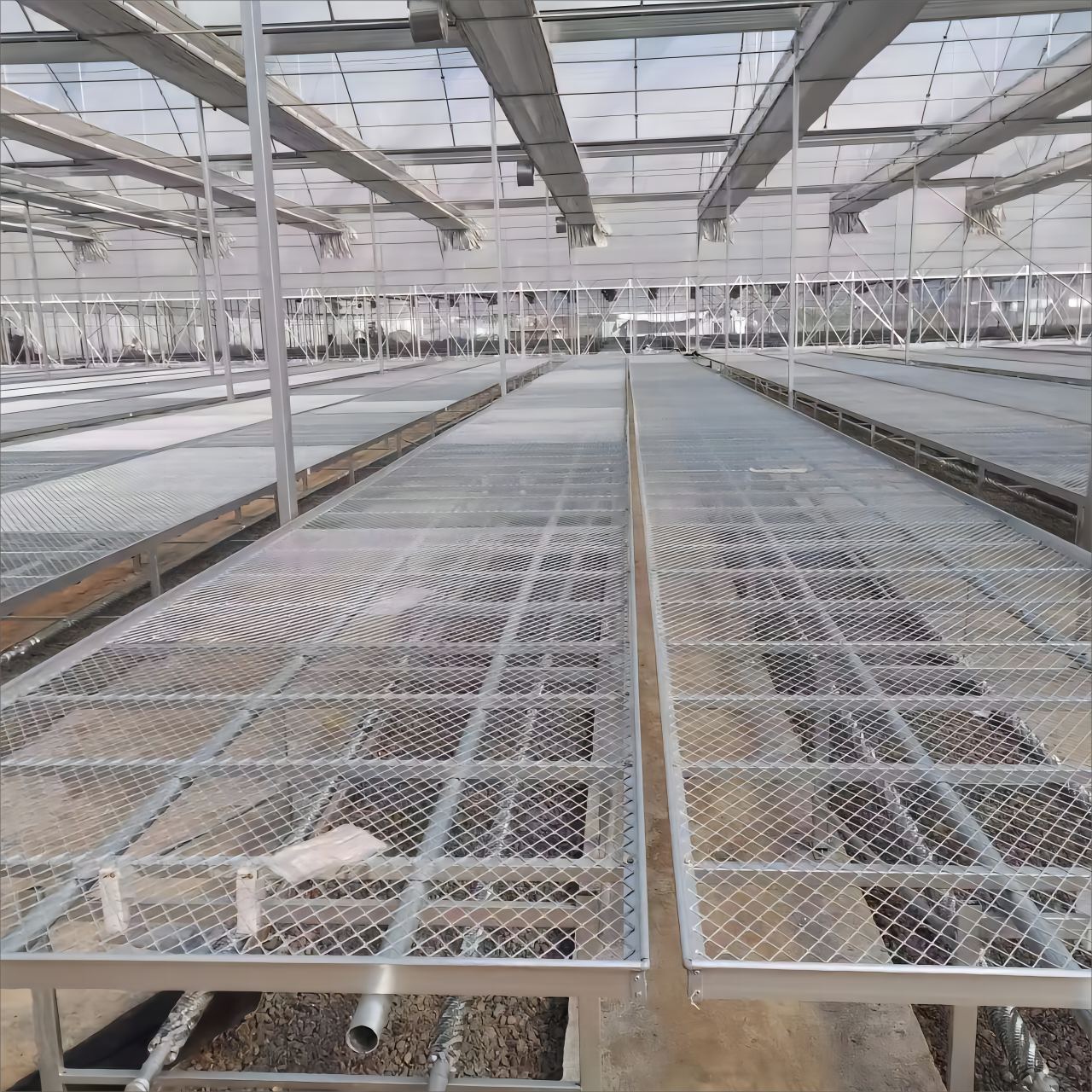
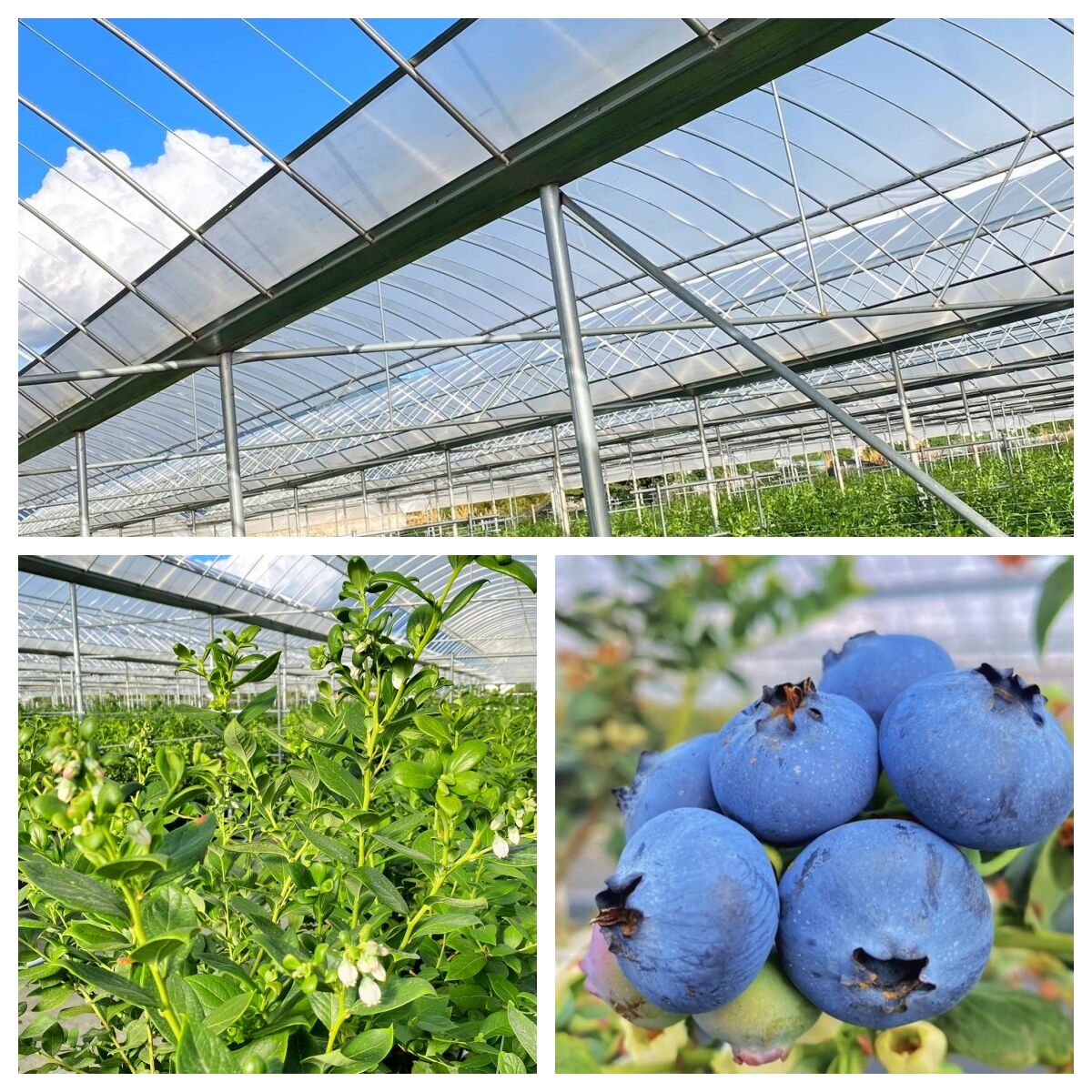
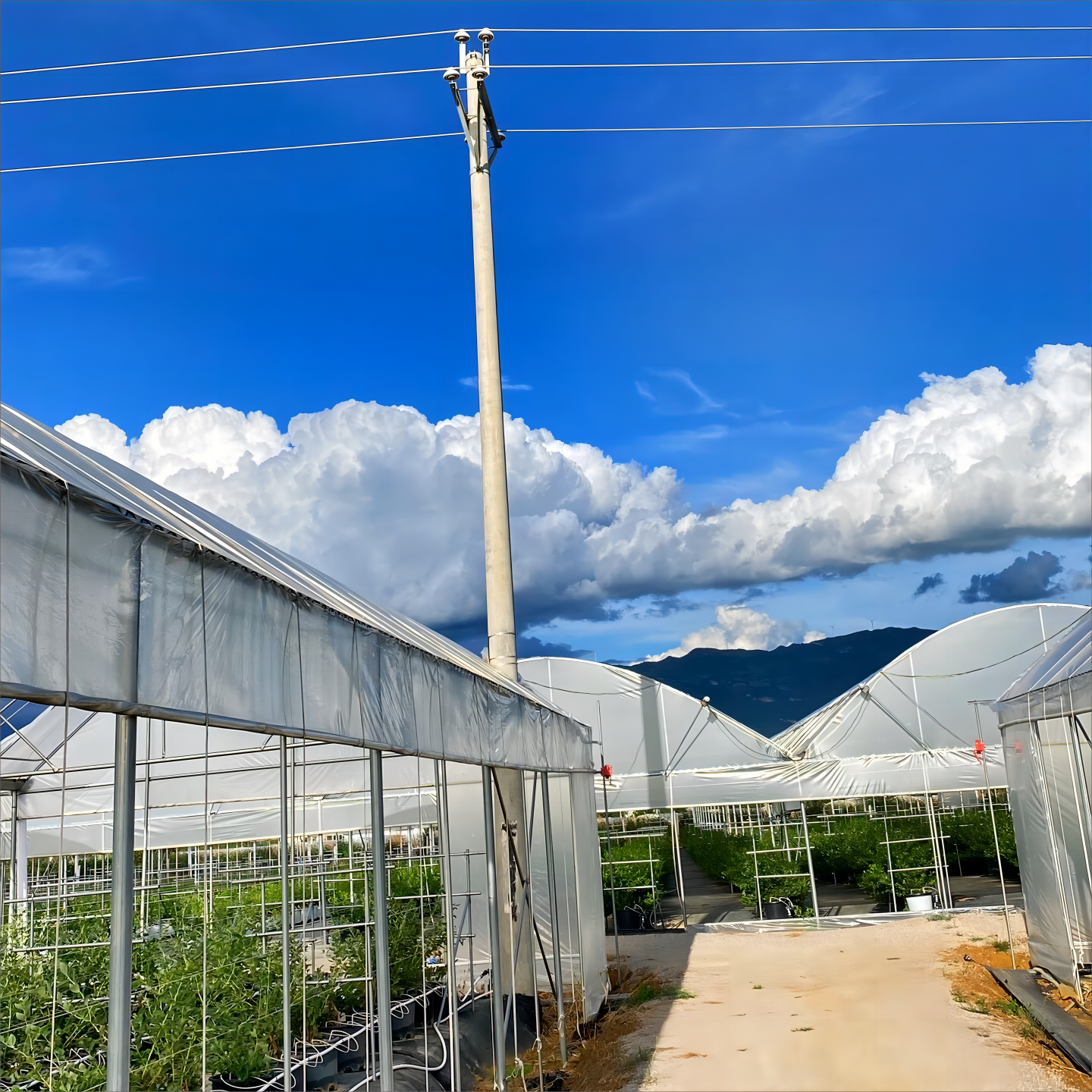
A steel greenhouse structure represents a modern agricultural solution that combines durability, functionality, and cost-effectiveness for commercial and personal growing operations. This robust framework system utilizes high-grade steel components to create a controlled environment that protects crops from harsh weather conditions while optimizing growing conditions year-round. The steel greenhouse structure consists of a galvanized steel frame, transparent covering materials, and integrated ventilation systems that work together to maintain ideal temperature, humidity, and light levels for plant cultivation. The primary functions of a steel greenhouse structure include climate control, pest protection, and season extension capabilities. These structures enable farmers and gardeners to grow crops regardless of external weather patterns, providing consistent harvests throughout different seasons. The framework supports various covering options including polycarbonate panels, glass sheets, or plastic films, each offering different levels of insulation and light transmission. Technologically, steel greenhouse structures incorporate advanced engineering principles that ensure structural integrity under snow loads, wind pressure, and seismic forces. The galvanized coating prevents rust and corrosion, extending the lifespan significantly compared to wooden or aluminum alternatives. Modern designs feature pre-engineered components that simplify installation while maintaining precise tolerances for optimal performance. Applications for steel greenhouse structures span across commercial agriculture, research facilities, educational institutions, and residential gardens. Commercial growers utilize these structures for tomato production, flower cultivation, herb farming, and seedling propagation. Research centers employ them for controlled experiments and plant breeding programs. Educational facilities use steel greenhouse structures as teaching tools for agricultural and botanical studies. The versatility of these structures makes them suitable for hydroponic systems, traditional soil-based growing, and specialized cultivation methods like vertical farming.
 EN
EN