qotik hövzəli istixana
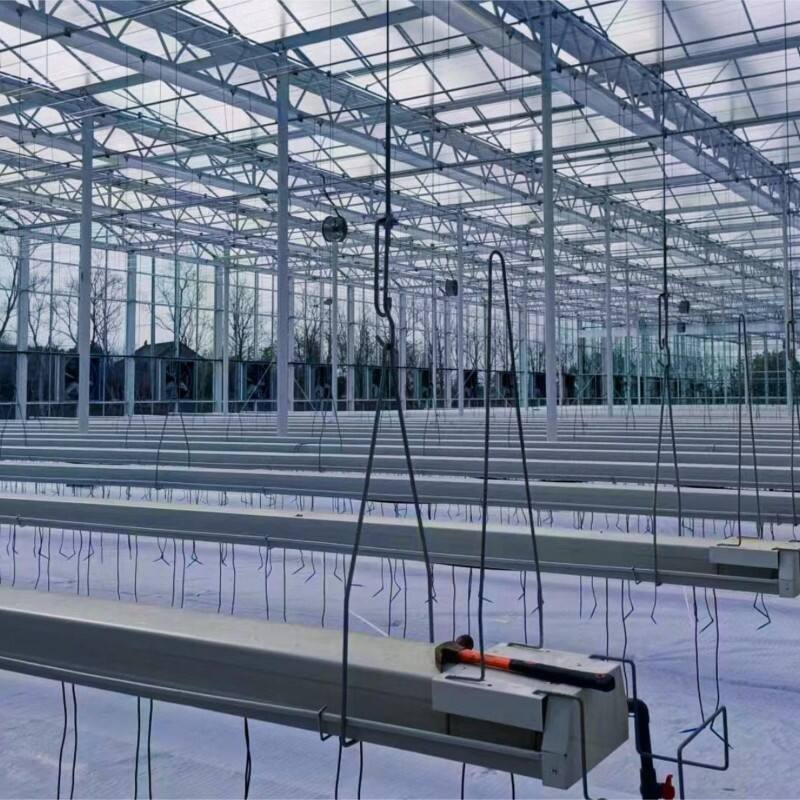
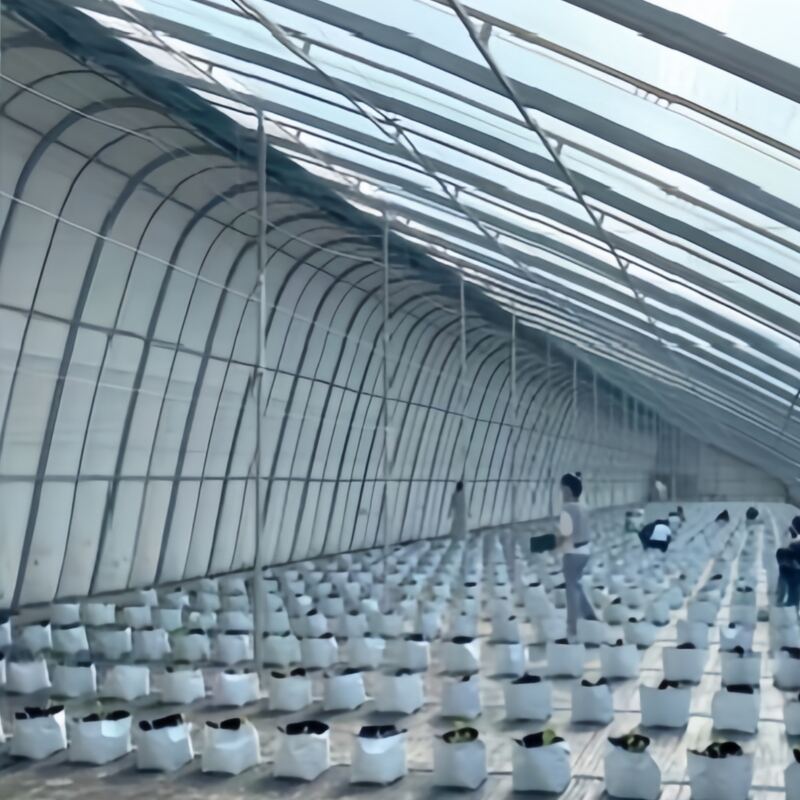
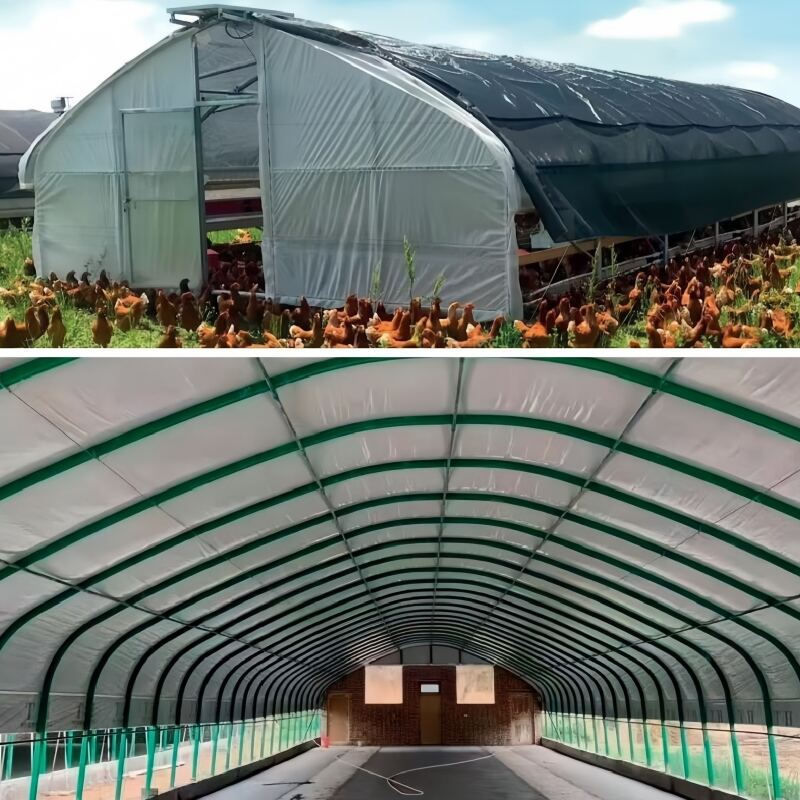
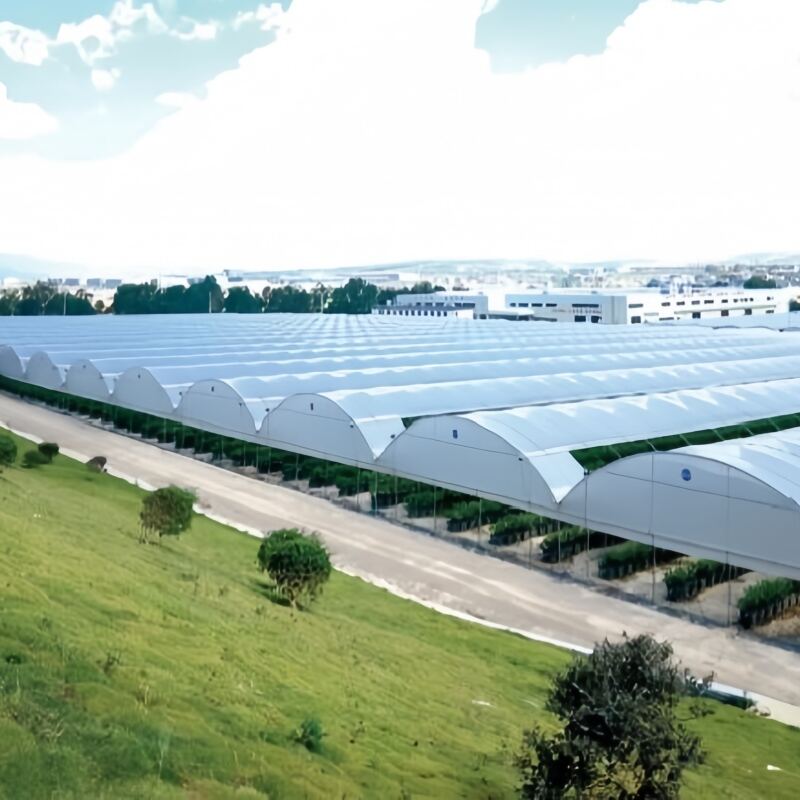
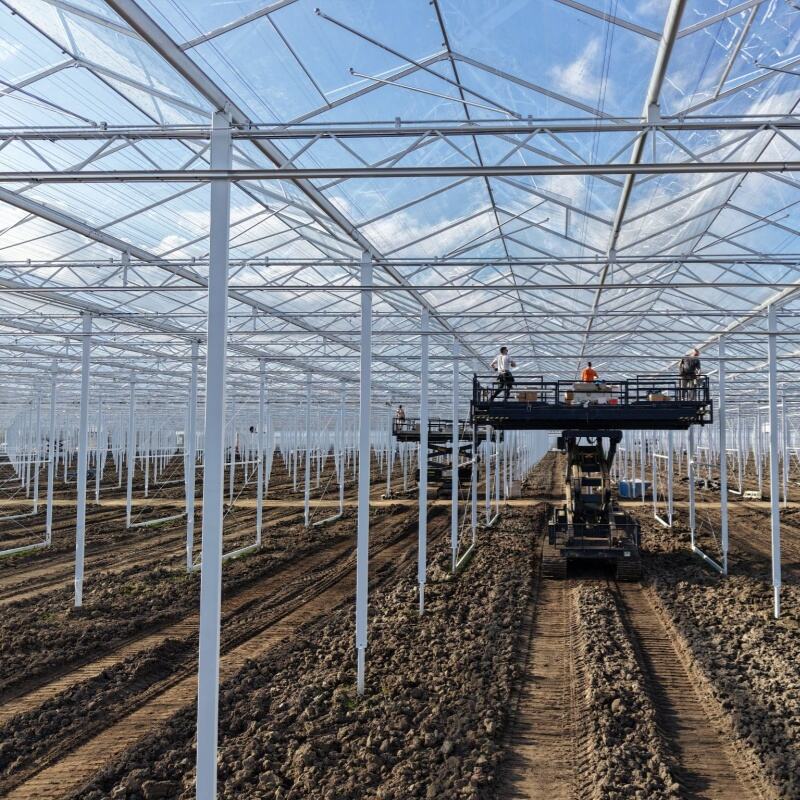
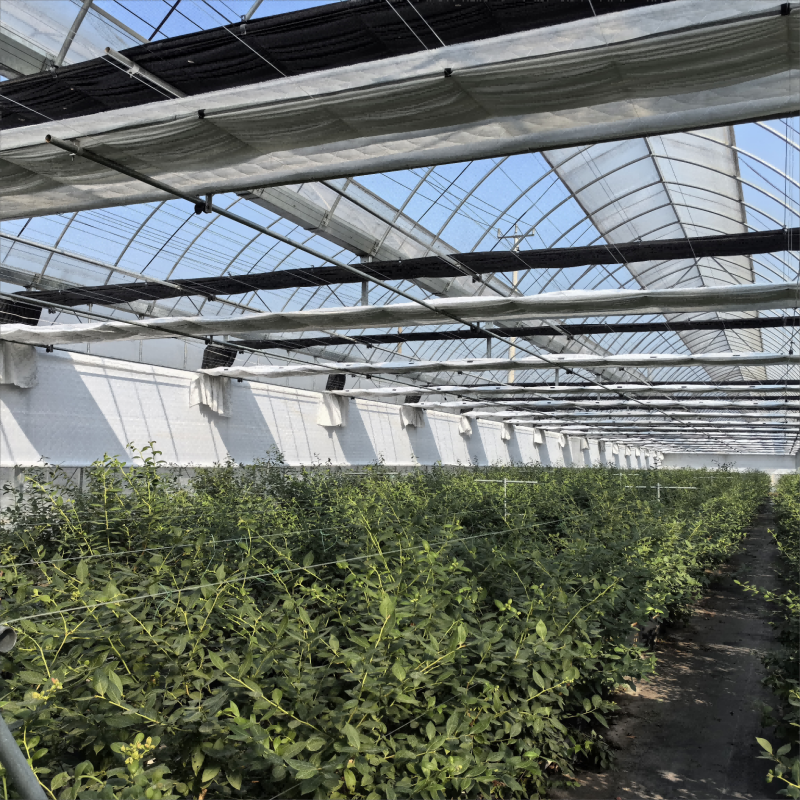
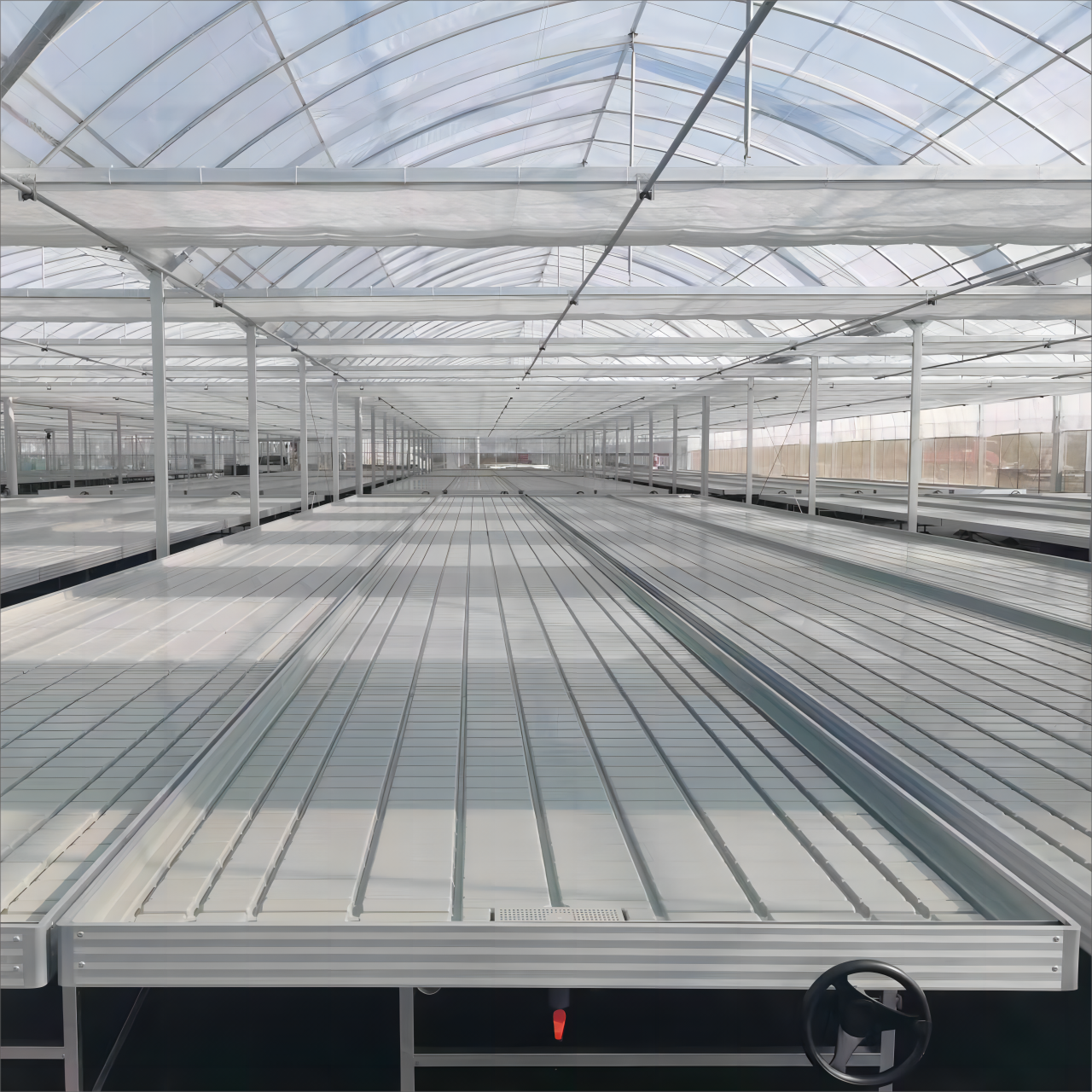
Gotik qövs evi idarə olunan mühitdə kənd təsərrüfatı sahəsində inqilabi irəliləyiş təmsil edir və ənənəvi istixana prinsiplərini müasir mühəndislik mükəmməlliyi ilə birləşdirir. Bu fərqləndirici kənd təsərrüfatı qurğusu, daxili fəzanı maksimuma çatdırarkən üstün struktur bütövlüyü təmin edən xarakterik ucu iti qövs dizaynına malikdir. Adi düz yanlı istixanalardan fərqli olaraq, gotik qövs evi əyrilən konstruksiya sistemindən istifadə edir ki, bu da müxtəlif bitkilər üçün il ərzində optimal yetişmə şəraitləri yaradır. Gotik qövs evinin əsas funksiyaları mövsümün uzadılması, bitkilərin qorunması, iqlim nəzarəti və məhsuldarlığın optimallaşdırılmasıdır. Bu qurğular fermelərə və bağbanlara bitkiləri təbii yetişmə mövsümlərindən kənarda yetişdirməyə imkan verir, həssas bitkiləri qəddar hava şəraitindən, zərərvericilərdən və ətraf mühit stres faktorlarından qoruyur. Gotik qövs evi temperatur, rütubət və havalandırma kimi amillər dəqiq idarə oluna bilən mikroiqlim sığınacağının rolunu oynayır və beləliklə ideal yetişmə mühitləri yaradır. Gotik qövs evinin texnoloji xüsusiyyətləri arasında adətən qalvanizli polad və ya alüminium borulardan hazırlanmış irəli səviyyəli konstruksiya sistemləri yer alır; bu sistemlər fövqəladə davamlılıq və uzunömürlülük təmin edir. Örtük materialları işıq keçiriciliyi, istilik izolyasiyası və atmosfer təsirlərinə davamlılıq baxımından müəyyən üstünlüklər təklif edən tək və ya ikiqat polietilen filmdən polikarbonat panelə qədər geniş çeşiddə təqdim olunur. Müasir gotik qövs evi layihələri roll-up (yuxarıya doğru açılan) yan divarlar, çıxış ventilyatorları və avtomatlaşdırılmış qapılar kimi mürəkkəb havalandırma sistemlərini daxil edir ki, bu da optimal hava dövranını təmin edir. Bir çox qurğu inteqrasiya olunmuş sulama sistemləri, isidici komponentlər və yetişmə şəraitinin dəqiq idarə edilməsinə imkan verən ətraf mühit monitorinqi avadanlığı ilə təchiz olunur. Gotik qövs evi qurğularının tətbiq sahələri ticari kənd təsərrüfatı, tədqiqat mərkəzləri, təhsil müəssisələri və yaşayış sahələrindəki bağçılıq fəaliyyətlərini əhatə edir. Ticari yetişdiricilər bu qurğuları ən azı bir il ərzində tərəvəz, çiçək, ot bitkiləri və xüsusi bitkilərin istehsalı üçün istifadə edir və beləliklə istehsal potensialını və bazar rəqabət qabiliyyətini əhəmiyyətli dərəcədə artırır. Tədqiqat institutları kənd təsərrüfatı sahəsində tədqiqatlar aparmaq, bitki yetişdirmə proqramları həyata keçirmək və eksperimental yetişdirmə layihələri üçün gotik qövs evi obyektlərindən istifadə edir. Təhsil müəssisələri isə bu qurğuları bağçılıq və kənd təsərrüfatı elmləri üzrə tədris vasitəsi kimi istifadə edir. Ev bağbanları və hobbilə bağlı kənd təsərrüfatı sahibkarları isə gotik qövs evini mövsümlərin uzadılması, qiymətli bitkilərin qorunması və daha kiçik sahələrdə yüksək məhsuldarlığın əldə edilməsi üçün qiymətləndirir.
 ×
×



 EN
EN