 EN
EN



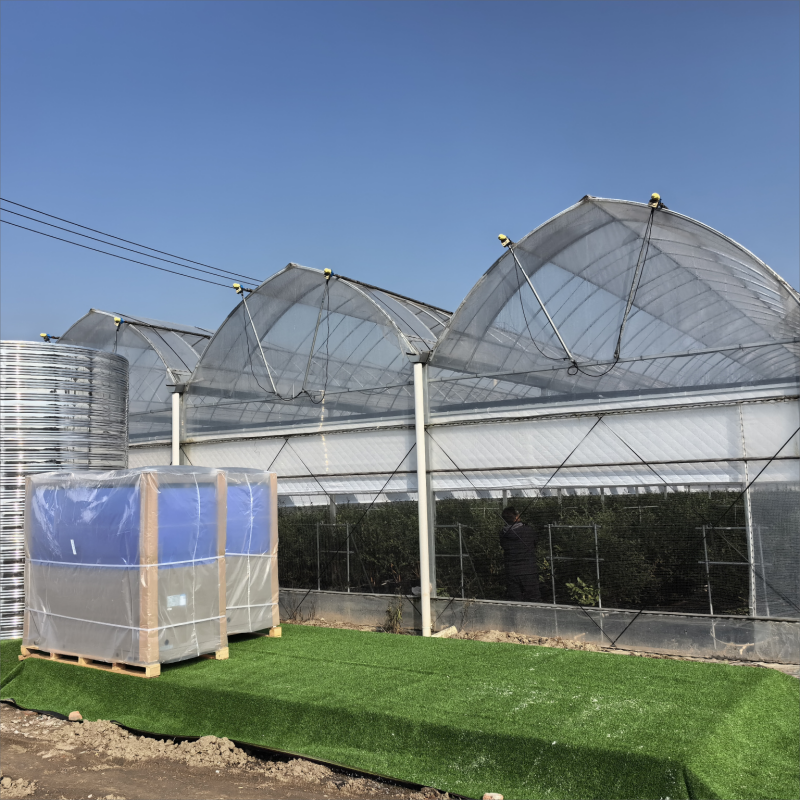
A multi-span film greenhouse represents one of the most effective agricultural solutions for maximizing crop production throughout the entire year, regardless of external weather conditions or seasonal limitations. This advanced greenhouse design combines multiple connected spans under a single protective film covering, creating an expansive growing environment that offers superior climate control, enhanced structural stability, and optimal resource utilization compared to traditional single-span structures.
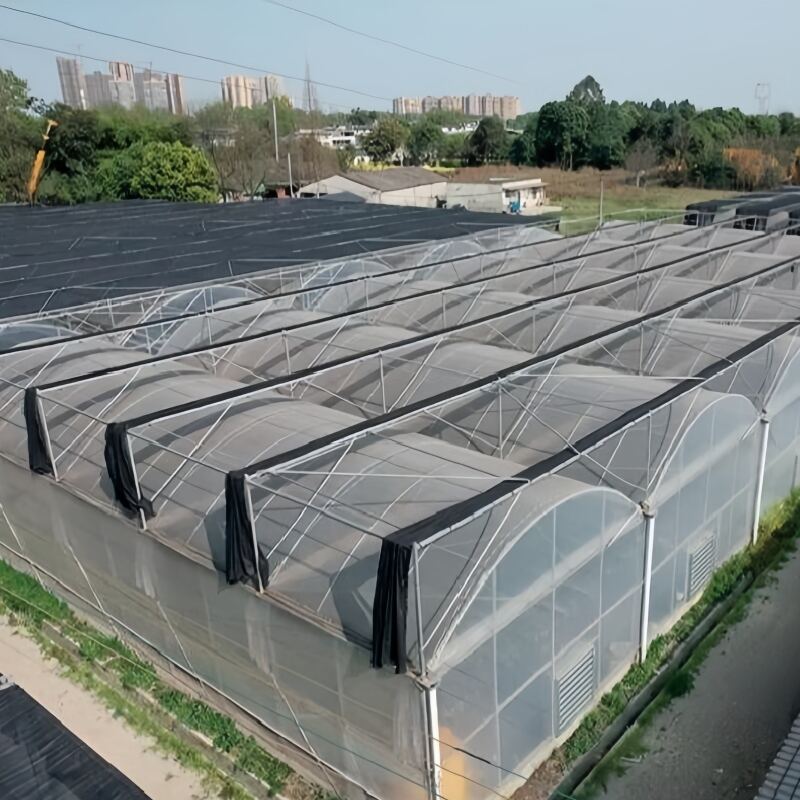
The strategic implementation of a multi-span film greenhouse system enables agricultural producers to overcome the natural constraints of seasonal growing cycles, extend harvest periods, and achieve consistent crop yields regardless of external environmental factors. By understanding the specific mechanisms through which these greenhouse structures enhance production capacity, farmers and commercial growers can make informed decisions about adopting this technology to transform their agricultural operations and maximize profitability throughout the entire calendar year.
Climate Control Optimization for Continuous Production
Advanced Temperature Management Systems
The multi-span film greenhouse design incorporates sophisticated temperature regulation mechanisms that maintain optimal growing conditions throughout all seasons. The connected span structure creates thermal mass that helps stabilize internal temperatures, reducing energy consumption while ensuring consistent climate conditions. This thermal efficiency allows for precise temperature control that supports continuous crop production cycles, enabling growers to maintain ideal growing conditions even during extreme weather events.
The film covering material in a multi-span film greenhouse provides excellent insulation properties while allowing maximum light transmission for photosynthesis. Advanced climate control systems can maintain temperatures within narrow ranges, typically between 18-25°C for most crops, regardless of external temperature fluctuations. This precise temperature management extends growing seasons and enables the cultivation of temperature-sensitive crops that would otherwise be impossible to grow year-round in many climatic zones.
Humidity and Ventilation Control
Effective humidity management within a multi-span film greenhouse structure directly impacts crop health, disease prevention, and overall production quality. The design allows for strategic placement of ventilation systems that create optimal air circulation patterns throughout the entire growing space. Natural ventilation systems, including roof and side vents, work in conjunction with exhaust fans to maintain humidity levels between 60-80% relative humidity, which is ideal for most commercial crops.
The multi-span configuration enables the installation of automated humidity control systems that monitor and adjust moisture levels in real-time. These systems prevent condensation buildup that can lead to fungal diseases while ensuring adequate moisture for healthy plant development. By maintaining optimal humidity levels consistently, the multi-span film greenhouse creates an environment where crops can thrive year-round without the stress factors associated with seasonal humidity variations.
Structural Advantages for Maximum Growing Space
Efficient Space Utilization
The multi-span film greenhouse design maximizes usable growing space through its efficient structural configuration that eliminates the need for multiple separate structures. Unlike individual greenhouses that require spacing between units, the connected span design creates a continuous growing environment that utilizes virtually every square meter of available space. This efficient layout reduces construction costs per square meter while increasing the total production capacity of the facility.
The wide, unobstructed floor space in a multi-span film greenhouse accommodates modern agricultural equipment and mechanized growing systems that enhance production efficiency. The clear span design eliminates internal support columns that would otherwise interfere with equipment movement and crop management activities. This open layout facilitates the implementation of automated irrigation systems, conveyor systems, and robotic harvesting equipment that can significantly increase production throughput and reduce labor costs.
Enhanced Structural Stability
The connected span structure of a multi-span film greenhouse provides superior wind resistance and snow load capacity compared to smaller individual structures. The continuous ridge design distributes structural loads more effectively across the entire framework, reducing stress concentrations and improving overall structural integrity. This enhanced stability allows the greenhouse to withstand severe weather conditions that might damage or destroy smaller structures, ensuring continuous protection for valuable crops.
The robust framework of a multi-span film greenhouse supports heavy equipment installations such as automated climate control systems, sophisticated lighting arrays, and overhead irrigation systems without compromising structural integrity. This load-bearing capacity enables growers to implement advanced production technologies that maximize crop yields while maintaining the structural safety and longevity of the facility throughout its operational lifespan.
Production Efficiency and Resource Management
Optimized Light Distribution
The film covering of a multi-span film greenhouse provides exceptional light transmission characteristics that ensure uniform light distribution across the entire growing area. High-quality greenhouse films can transmit up to 95% of available natural light while diffusing direct sunlight to prevent hot spots and shadowing that can reduce crop quality. This optimal light environment supports consistent photosynthesis rates throughout the growing space, leading to uniform crop development and higher overall yields.
Advanced film materials used in multi-span film greenhouse construction often incorporate light-scattering properties that improve light penetration to lower plant canopy levels. This enhanced light distribution allows for higher planting densities while maintaining adequate light exposure for all plants. The result is increased production per square meter compared to outdoor cultivation or less efficient greenhouse designs, directly contributing to maximized year-round crop production.
Water and Nutrient Management
The controlled environment of a multi-span film greenhouse enables precise water and nutrient management that significantly improves resource efficiency and crop quality. Automated irrigation systems can deliver exact amounts of water and nutrients directly to plant root zones, reducing waste while ensuring optimal growing conditions. The enclosed environment prevents nutrient leaching and water loss through evaporation, making the production system more sustainable and cost-effective.
Hydroponic and fertigation systems integrated into multi-span film greenhouse operations allow for real-time monitoring and adjustment of nutrient levels based on plant growth stages and environmental conditions. This precision agriculture approach maximizes nutrient uptake efficiency, reduces fertilizer costs, and minimizes environmental impact while supporting vigorous plant growth throughout the entire production cycle. The controlled environment also enables the recycling of irrigation water and nutrients, further improving resource efficiency.
Seasonal Production Extension Strategies
Winter Production Capabilities
A multi-span film greenhouse extends growing seasons by providing protection from frost, snow, and freezing temperatures that would otherwise halt outdoor crop production. Supplemental heating systems can maintain optimal growing temperatures throughout winter months, enabling the production of fresh vegetables, herbs, and ornamental plants when outdoor growing is impossible. This winter production capability allows growers to capitalize on higher market prices typically associated with off-season produce.
The thermal efficiency of the multi-span film greenhouse design reduces heating costs compared to smaller structures by minimizing heat loss through the building envelope. The larger internal volume creates thermal mass that helps stabilize temperatures and reduces the frequency of heating system cycling. Strategic thermal screens can be deployed during cold periods to further improve energy efficiency while maintaining optimal growing conditions for continuous crop production.
Summer Cooling and Crop Protection
During hot summer months, a multi-span film greenhouse provides essential protection from excessive heat, intense solar radiation, and extreme weather events that can damage or destroy outdoor crops. Evaporative cooling systems, shade screens, and ventilation systems work together to maintain comfortable growing conditions even during peak summer temperatures. This protection ensures consistent crop quality and prevents heat stress that can significantly reduce yields in outdoor production systems.
The controlled environment of a multi-span film greenhouse also protects crops from hail, heavy rain, and wind damage that commonly occurs during summer storms. This protection eliminates crop losses that can devastate outdoor production and ensures reliable harvest schedules throughout the growing season. The ability to maintain production during adverse weather events provides significant economic advantages and supply chain reliability for commercial growers.
Economic Benefits and Return on Investment
Increased Crop Yields and Quality
The optimized growing environment within a multi-span film greenhouse typically produces crop yields that are 3-10 times higher than outdoor production, depending on the crop type and local climate conditions. The controlled environment eliminates many of the stress factors that limit outdoor crop performance, including temperature fluctuations, moisture stress, pest pressure, and weather damage. Higher yields per square meter directly translate to increased revenue potential from the same land area.
Crop quality improvements achieved in a multi-span film greenhouse environment often command premium market prices due to consistent appearance, flavor, and nutritional content. The protection from weather damage, reduced pesticide requirements, and optimal growing conditions result in produce that meets the highest market standards. These quality improvements, combined with the ability to harvest crops at peak ripeness, provide significant economic advantages that justify the initial investment in greenhouse infrastructure.
Operational Cost Efficiency
The economies of scale achieved with a multi-span film greenhouse reduce operational costs per unit of production compared to smaller growing systems. Shared infrastructure, including climate control systems, irrigation networks, and electrical systems, distributes fixed costs across a larger production area. The efficient design also reduces labor requirements through improved accessibility and the ability to implement automated systems that handle routine tasks more efficiently than manual labor.
Energy efficiency improvements in modern multi-span film greenhouse designs significantly reduce operating costs while maintaining optimal growing conditions. Advanced insulation materials, efficient heating and cooling systems, and smart environmental controls minimize energy consumption while maximizing crop production. These operational efficiencies contribute to faster payback periods and higher profitability throughout the facility's operational lifespan, making the investment in greenhouse technology economically attractive for commercial growers.
FAQ
What is the typical payback period for a multi-span film greenhouse investment?
The payback period for a multi-span film greenhouse typically ranges from 3-7 years, depending on factors such as crop selection, local market conditions, operating efficiency, and initial investment costs. High-value crops such as tomatoes, peppers, and specialty herbs generally provide faster payback periods due to higher revenue per square meter. The extended growing seasons and increased yields possible with greenhouse production significantly accelerate return on investment compared to outdoor farming operations.
How does a multi-span film greenhouse compare to glass greenhouse structures for year-round production?
Multi-span film greenhouses offer several advantages over glass structures, including lower initial construction costs, better light diffusion properties, superior impact resistance, and easier maintenance requirements. While glass provides longer durability, film greenhouses achieve comparable production results at significantly lower investment costs. Modern greenhouse films typically last 3-5 years and can be easily replaced, allowing growers to upgrade to newer film technologies as they become available.
What crops are best suited for multi-span film greenhouse production?
Multi-span film greenhouses excel at producing high-value crops including tomatoes, cucumbers, peppers, leafy greens, herbs, berries, and ornamental plants. These crops benefit from the controlled environment and protection from weather extremes while generating sufficient revenue to justify the infrastructure investment. Crop selection should consider local market demand, climate conditions, and the grower's experience level to maximize production success and profitability.
What maintenance requirements are associated with multi-span film greenhouse operations?
Regular maintenance for a multi-span film greenhouse includes cleaning the film covering to maintain light transmission, inspecting and maintaining ventilation systems, monitoring climate control equipment, and checking structural components for wear or damage. Film replacement is typically required every 3-5 years depending on UV exposure and weather conditions. Preventive maintenance programs help ensure optimal performance and extend the operational lifespan of all greenhouse systems while minimizing unexpected downtime that could affect crop production schedules.
Table of Contents
- Climate Control Optimization for Continuous Production
- Structural Advantages for Maximum Growing Space
- Production Efficiency and Resource Management
- Seasonal Production Extension Strategies
- Economic Benefits and Return on Investment
-
FAQ
- What is the typical payback period for a multi-span film greenhouse investment?
- How does a multi-span film greenhouse compare to glass greenhouse structures for year-round production?
- What crops are best suited for multi-span film greenhouse production?
- What maintenance requirements are associated with multi-span film greenhouse operations?