 EN
EN



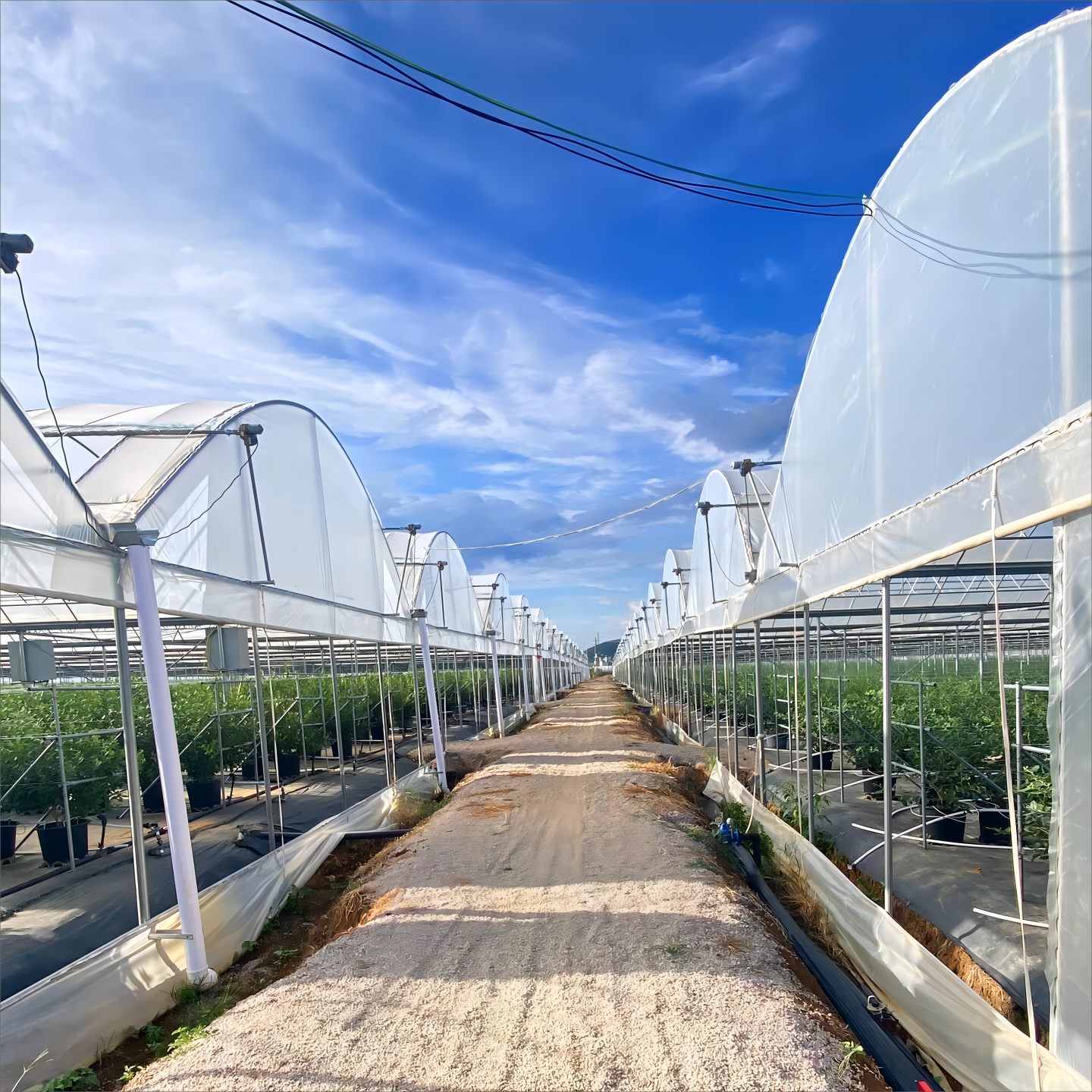
Modern commercial greenhouse operations face increasing pressure to maximize crop yields while minimizing operational costs and environmental impact. The integration of automated greenhouse systems has become a critical factor in determining the success and competitiveness of today's agricultural facilities. As climate variability intensifies and labor costs continue to rise, greenhouse operators must evaluate whether their current infrastructure incorporates the latest automated ventilation and shading technologies that can ensure optimal growing conditions year-round.
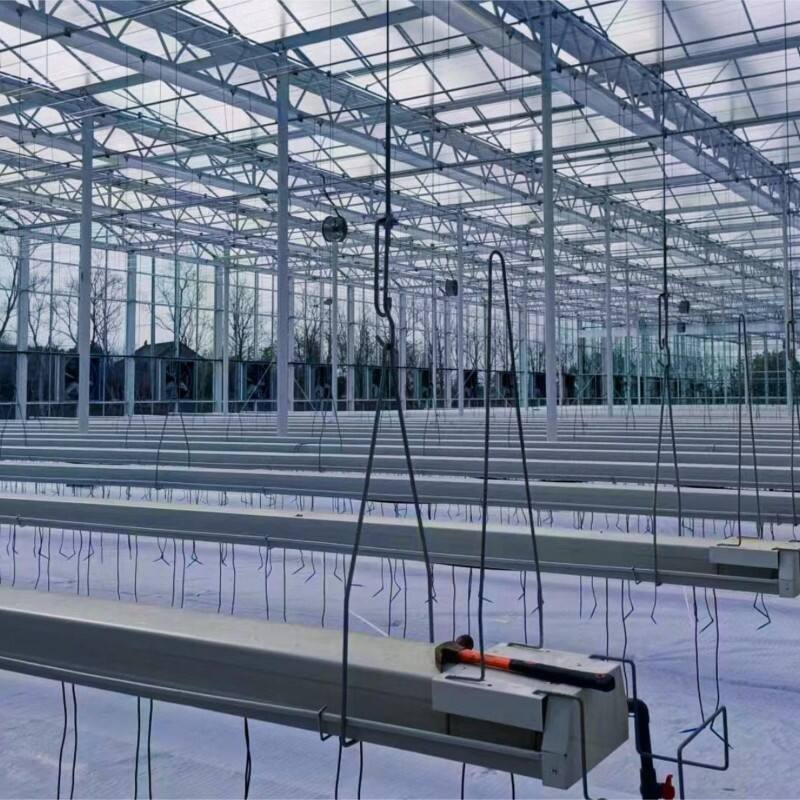
The rapid advancement of greenhouse automation technology has transformed how commercial growers approach climate control, energy management, and crop optimization. Today's automated greenhouse systems offer unprecedented precision in managing environmental variables, enabling growers to create ideal microclimates that respond dynamically to changing internal and external conditions. This technological evolution represents not just an upgrade in equipment, but a fundamental shift toward data-driven agriculture that can significantly impact both productivity and profitability.
Critical Components of Modern Automated Greenhouse Systems
Advanced Ventilation Control Technologies
Contemporary automated greenhouse systems incorporate sophisticated ventilation control mechanisms that far exceed the capabilities of traditional manual or basic automated systems. These advanced systems utilize multiple sensor arrays to continuously monitor temperature, humidity, CO2 levels, and air movement patterns throughout the greenhouse structure. The integration of motorized ridge vents, side wall louvers, and circulation fans creates a comprehensive air management network that responds to real-time environmental data.
Modern ventilation systems employ variable-speed drives and proportional control algorithms that enable precise adjustments to air exchange rates based on specific crop requirements and external weather conditions. These automated greenhouse systems can differentiate between cooling ventilation, humidity control ventilation, and air circulation needs, optimizing each function independently to maintain ideal growing conditions. The result is improved crop health, reduced disease pressure, and enhanced uniformity across the growing environment.
Weather stations integrated with automated greenhouse systems provide critical external data that enables predictive ventilation strategies. By anticipating weather changes, these systems can pre-condition the greenhouse environment, gradually adjusting conditions to minimize plant stress during transitions. This proactive approach to climate management represents a significant advancement over reactive systems that only respond after environmental conditions have already changed.
Intelligent Shading System Integration
Modern shading systems within automated greenhouse systems have evolved from simple on-off mechanisms to sophisticated light management tools that optimize photosynthetic activity while preventing heat stress. These systems incorporate multiple layers of shading materials, each controlled independently based on solar radiation intensity, temperature differentials, and crop-specific light requirements. The integration of retractable screens, moveable shade cloth, and even electrochromic glass represents the cutting edge of greenhouse light management.
Automated shading systems now utilize pyranometers and quantum sensors to measure both total solar radiation and photosynthetically active radiation, enabling precise control of light transmission to optimize plant growth. These automated greenhouse systems can adjust shading levels gradually throughout the day, following the sun's path and accounting for cloud cover variations. This dynamic approach ensures that plants receive maximum beneficial light while avoiding the damaging effects of excessive heat and radiation.
The latest automated greenhouse systems incorporate spectral control capabilities that can selectively filter different wavelengths of light. This advanced functionality allows growers to enhance specific plant responses, such as flowering, fruiting, or vegetative growth, by manipulating the light spectrum that reaches the crop. Such precise control over the light environment represents a significant competitive advantage for commercial greenhouse operations.
Energy Efficiency and Operational Cost Benefits
Optimized Energy Consumption Patterns
One of the most compelling reasons to upgrade to modern automated greenhouse systems lies in their ability to dramatically reduce energy consumption while maintaining or improving growing conditions. These systems employ sophisticated algorithms that balance heating, cooling, and ventilation needs to minimize energy waste. By integrating thermal mass management, heat recovery systems, and predictive climate control, automated greenhouse systems can reduce energy consumption by 20-40% compared to conventional greenhouse operations.
Smart scheduling capabilities within automated greenhouse systems enable operators to take advantage of time-of-use electricity rates and renewable energy availability. The systems can pre-condition greenhouse environments during low-cost energy periods and maintain those conditions through efficient thermal management during peak rate periods. This strategic energy use can result in substantial cost savings, particularly for large commercial operations with significant energy demands.
Heat recovery integration represents another significant advancement in automated greenhouse systems. These systems can capture waste heat from ventilation air, cooling systems, and even equipment operation to pre-heat incoming fresh air or provide supplemental heating during cooler periods. This closed-loop approach to energy management maximizes the value of every energy unit consumed while reducing overall operational costs.
Labor Efficiency and Resource Optimization
Modern automated greenhouse systems significantly reduce the labor requirements for climate management while improving the consistency and precision of environmental control. These systems eliminate the need for constant manual monitoring and adjustment of ventilation and shading systems, freeing skilled personnel to focus on crop management, quality control, and strategic planning activities. The result is more efficient use of human resources and improved overall operational productivity.
Data logging and analytics capabilities built into automated greenhouse systems provide unprecedented insights into crop performance, environmental conditions, and system efficiency. This information enables growers to make data-driven decisions about cultivation practices, identify optimization opportunities, and demonstrate compliance with quality standards and certification requirements. The accumulated data also supports continuous improvement initiatives and helps justify investments in additional automation technologies.
Remote monitoring and control capabilities of modern automated greenhouse systems enable operators to manage multiple facilities from a central location and respond quickly to alerts or changing conditions. This capability is particularly valuable for commercial operations with multiple greenhouse sites or for growers who need to maintain oversight outside of normal business hours.
Technology Integration and System Compatibility
Sensor Networks and Data Collection
The foundation of effective automated greenhouse systems lies in comprehensive sensor networks that provide real-time data about environmental conditions throughout the growing space. Modern systems deploy wireless sensor networks that monitor temperature, humidity, CO2 concentration, light levels, soil moisture, and even plant health indicators at multiple points within the greenhouse structure. This distributed sensing approach ensures that automated greenhouse systems have the detailed information necessary to make precise control decisions.
Advanced automated greenhouse systems integrate multiple sensor types to create a complete picture of the growing environment. Infrared sensors monitor leaf temperature, moisture sensors track substrate conditions, and air quality sensors detect potential contamination or disease indicators. This comprehensive monitoring capability enables early detection of problems and proactive responses that can prevent crop losses and maintain optimal growing conditions.
Data fusion algorithms within automated greenhouse systems combine information from multiple sensor sources to create accurate environmental models and predict future conditions. These predictive capabilities enable the systems to anticipate and prevent potential problems before they impact crop health or productivity. The integration of weather forecasting data further enhances the predictive accuracy of these automated greenhouse systems.
Control System Architecture and Scalability
Modern automated greenhouse systems utilize distributed control architectures that provide reliability, flexibility, and scalability for commercial operations. These systems employ redundant communication pathways and fail-safe mechanisms that ensure continued operation even if individual components experience problems. The modular design of contemporary automated greenhouse systems allows for phased implementation and future expansion as operational needs evolve.
Integration with enterprise resource planning systems and farm management software enables automated greenhouse systems to coordinate with broader operational activities such as crop scheduling, harvest planning, and inventory management. This integration creates a seamless flow of information between environmental control systems and business management processes, enabling more efficient overall operations and better strategic decision-making.
Cloud-based platforms increasingly support automated greenhouse systems, providing secure remote access, automatic software updates, and advanced analytics capabilities. These platforms enable continuous improvement of system performance through machine learning algorithms that analyze historical data to optimize control strategies for specific crops and environmental conditions.
Implementation Considerations and Return on Investment
Assessment of Current Infrastructure
Before implementing automated greenhouse systems, commercial operators must conduct a thorough assessment of their existing infrastructure to determine compatibility requirements and upgrade needs. This evaluation should examine the condition and capacity of electrical systems, structural integrity for mounting automated equipment, and communication infrastructure needed to support networked automated greenhouse systems. Understanding these baseline conditions is essential for accurate project planning and cost estimation.
The assessment process should also include analysis of current operational patterns, energy consumption trends, and crop performance metrics to establish benchmarks for measuring the effectiveness of automated greenhouse systems. This baseline data provides the foundation for calculating return on investment and justifying the implementation of advanced automation technologies. Professional consultation during this phase can help identify opportunities for optimization and ensure that selected automated greenhouse systems align with operational goals.
Regulatory compliance requirements and certification standards should be considered during the infrastructure assessment phase. Modern automated greenhouse systems must meet various safety, environmental, and agricultural standards, and ensuring compliance from the design phase prevents costly modifications later. This proactive approach to regulatory requirements also supports market access for crops grown using automated greenhouse systems.
Financial Planning and ROI Calculations
The financial justification for implementing automated greenhouse systems typically involves multiple benefit categories including energy savings, labor reduction, yield improvements, and quality enhancements. Accurate ROI calculations must consider both direct cost savings and indirect benefits such as improved crop consistency, reduced loss rates, and enhanced market positioning. The payback period for automated greenhouse systems generally ranges from 2-5 years, depending on the scope of implementation and local operating conditions.
Financing options for automated greenhouse systems include traditional capital purchases, leasing arrangements, and performance-based contracts that tie payments to achieved savings or performance improvements. These flexible financing approaches make advanced automation technologies accessible to operations of various sizes and help manage cash flow during the implementation period. Government incentive programs and agricultural grants may also support the adoption of automated greenhouse systems that improve sustainability and efficiency.
Long-term value considerations extend beyond immediate cost savings to include improved operational flexibility, enhanced data collection capabilities, and increased facility value. Automated greenhouse systems position commercial operations for future growth and adaptation to changing market conditions while building valuable intellectual property through accumulated operational data and optimized growing protocols.
FAQ
How do automated greenhouse systems handle power outages or equipment failures?
Modern automated greenhouse systems incorporate multiple fail-safe mechanisms and backup systems to maintain critical functions during power outages or equipment failures. These systems typically include battery backup for control systems, emergency ventilation mechanisms that operate without power, and redundant sensors to ensure continuous monitoring. Many systems also feature cellular or satellite communication capabilities to alert operators immediately when problems occur, enabling rapid response to protect crops.
What is the typical maintenance schedule for automated ventilation and shading systems?
Automated greenhouse systems require regular preventive maintenance to ensure optimal performance and longevity. Daily visual inspections, weekly sensor calibration checks, monthly motor and actuator lubrication, and quarterly comprehensive system testing represent typical maintenance schedules. Many automated greenhouse systems include self-diagnostic capabilities that alert operators to maintenance needs and can schedule automatic calibration procedures. Professional service contracts often provide specialized maintenance for complex system components.
Can automated greenhouse systems be integrated with existing greenhouse structures?
Most automated greenhouse systems can be retrofitted into existing greenhouse structures, though the extent of integration depends on the condition and design of the existing facility. Structural assessments determine mounting requirements for automated equipment, while electrical and communication infrastructure may need upgrades to support advanced automated greenhouse systems. Modular system designs allow for phased implementation, enabling operators to upgrade gradually while maintaining ongoing production.
How do automated systems adapt to different crop types and growth stages?
Advanced automated greenhouse systems include programmable crop-specific protocols that adjust environmental parameters based on plant species, variety, and growth stage requirements. These systems can store multiple growing recipes and automatically transition between different environmental setpoints as crops develop. Machine learning capabilities enable automated greenhouse systems to continuously refine these protocols based on observed plant responses and achieved outcomes, optimizing performance for specific varieties and growing conditions over time.
Table of Contents
- Critical Components of Modern Automated Greenhouse Systems
- Energy Efficiency and Operational Cost Benefits
- Technology Integration and System Compatibility
- Implementation Considerations and Return on Investment
-
FAQ
- How do automated greenhouse systems handle power outages or equipment failures?
- What is the typical maintenance schedule for automated ventilation and shading systems?
- Can automated greenhouse systems be integrated with existing greenhouse structures?
- How do automated systems adapt to different crop types and growth stages?