 EN
EN



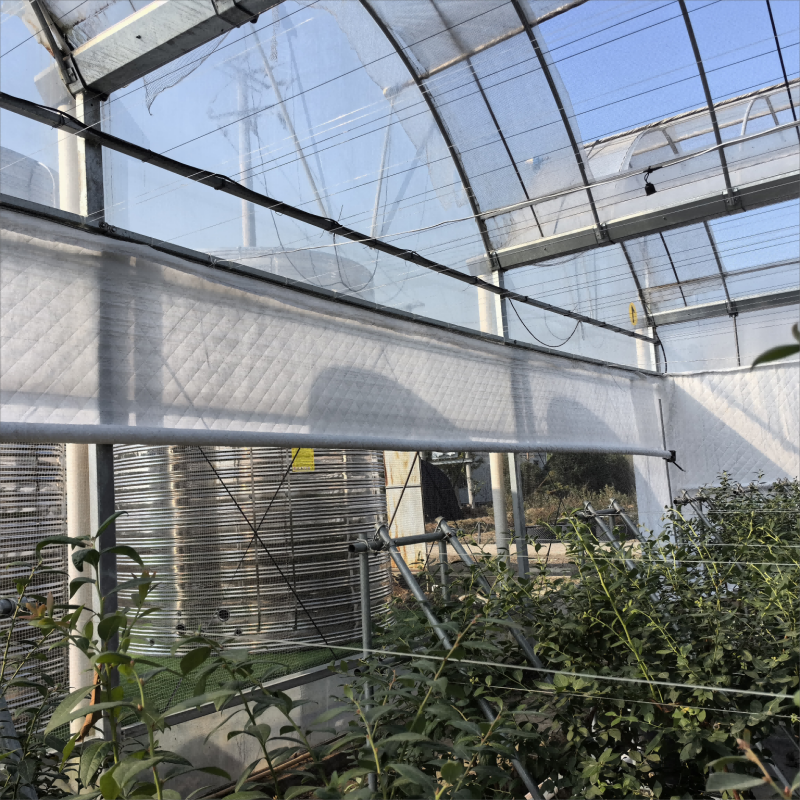
The selection of the right growing environment represents one of the most critical decisions facing botanical researchers and commercial growers pursuing high-value crop production. While numerous greenhouse materials and designs compete for attention in today's agricultural market, glass greenhouse structures consistently emerge as the preferred choice among serious cultivators who demand precision, longevity, and optimal growing conditions. Understanding the specific advantages that make glass greenhouse facilities indispensable for advanced horticultural applications requires examining both the scientific principles and practical benefits that distinguish this technology from alternative growing solutions.
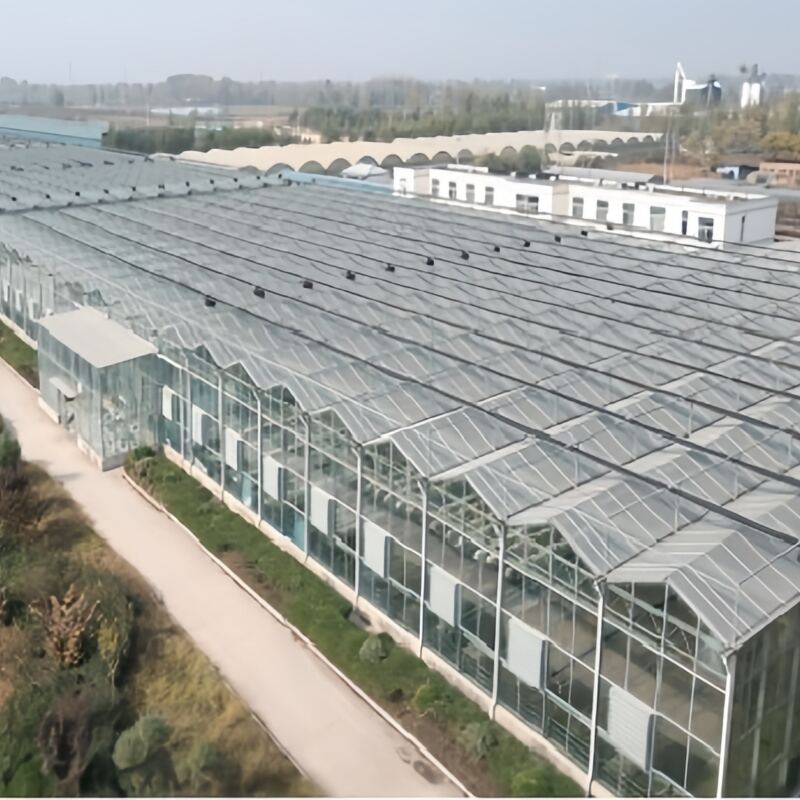
Modern botanical research and high-value crop cultivation operate under increasingly stringent requirements for environmental control, data accuracy, and consistent results. A glass greenhouse delivers the foundational infrastructure necessary to meet these demanding standards through superior light transmission, exceptional durability, and unmatched climate stability. The unique properties of glass construction create an enclosed ecosystem where researchers can manipulate variables with precision while maintaining the transparency essential for continuous observation and documentation of plant behavior under controlled conditions.
Superior Light Transmission and Optical Clarity
Maximum Photosynthetic Efficiency
The exceptional light transmission characteristics of a glass greenhouse provide the foundation for optimal photosynthetic activity in both research specimens and commercial crops. Glass materials typically achieve light transmission rates exceeding 90%, ensuring that plants receive maximum available solar energy throughout the growing season. This superior transparency becomes particularly crucial for botanical research applications where light intensity measurements must remain consistent and accurate across experimental conditions.
Research facilities utilizing glass greenhouse infrastructure can maintain precise documentation of light exposure variables, enabling scientists to correlate plant responses with specific illumination conditions. The consistent optical properties of glass eliminate the light diffusion issues commonly associated with alternative materials, providing researchers with reliable baseline conditions for comparative studies and longitudinal research projects.
High-value crop producers benefit significantly from the enhanced light transmission offered by glass greenhouse construction, as premium varieties often require specific light conditions to achieve optimal quality characteristics. Specialty flowers, exotic fruits, and pharmaceutical plants demonstrate measurable improvements in color development, essential oil production, and bioactive compound synthesis when cultivated under the superior lighting conditions provided by glass enclosures.
Spectral Quality Maintenance
The optical characteristics of glass greenhouse panels ensure minimal alteration of natural light spectra, preserving the full range of wavelengths essential for healthy plant development. Unlike plastic alternatives that may filter or distort specific light frequencies over time, glass maintains consistent spectral transmission throughout its operational lifespan. This spectral integrity proves essential for research applications investigating plant responses to specific light wavelengths and for commercial production of crops sensitive to particular portions of the light spectrum.
Botanical researchers conducting photobiology studies rely on the predictable optical properties of glass greenhouse structures to maintain experimental validity across extended research periods. The absence of spectral degradation ensures that light-dependent research results remain comparable over time, supporting the development of reliable cultivation protocols and treatment recommendations for specific plant varieties.
Structural Durability and Long-Term Performance
Weather Resistance and Structural Integrity
A well-constructed glass greenhouse demonstrates exceptional resistance to environmental stresses that commonly compromise alternative growing structures. The inherent strength of tempered glass panels enables these facilities to withstand severe weather conditions, including hail, high winds, and heavy snow loads, without experiencing the degradation issues that affect plastic or fabric alternatives. This structural reliability becomes particularly important for research institutions and commercial operations that cannot afford interruptions to critical growing cycles.
The longevity of glass greenhouse construction translates directly into improved return on investment for serious horticultural operations. While initial construction costs may exceed those of alternative materials, the extended operational lifespan and minimal maintenance requirements of glass structures provide superior economic value over decades of use. Research facilities planning multi-year studies benefit particularly from this durability, as structural consistency ensures that environmental variables remain stable throughout extended experimental periods.
Commercial growers pursuing certification for organic or specialty crop production often find that glass greenhouse facilities better support the rigorous standards required for premium market positioning. The cleanability and non-reactive nature of glass surfaces eliminate concerns about chemical leaching or material degradation that might compromise crop quality or certification status.
Maintenance Efficiency and Operational Reliability
The smooth, non-porous surface of glass greenhouse panels facilitates efficient cleaning and maintenance procedures, ensuring optimal light transmission and sanitary growing conditions. Unlike textured or degradable materials that accumulate contaminants over time, glass surfaces can be restored to original transparency through standard cleaning protocols. This maintenance efficiency proves particularly valuable for research applications where environmental consistency directly affects experimental validity.
Research facilities operating glass greenhouse complexes benefit from predictable maintenance schedules and standardized cleaning procedures that support consistent environmental conditions across multiple growing chambers. The chemical inertness of glass eliminates concerns about surface degradation or contamination that might introduce variables into sensitive research protocols or affect the purity of high-value crop production.
Precise Environmental Control Capabilities
Climate Regulation and Monitoring
The sealed environment of a properly constructed glass greenhouse enables precise control over temperature, humidity, and air circulation parameters essential for botanical research and specialty crop production. The thermal mass properties of glass construction provide natural temperature buffering that reduces energy costs while maintaining stable growing conditions. Research applications particularly benefit from this environmental stability, as consistent conditions support accurate data collection and reproducible experimental results.
Advanced climate control systems integrate seamlessly with glass greenhouse infrastructure, enabling automated responses to changing environmental conditions. The sealed nature of glass construction ensures that climate modifications remain contained within the growing space, providing researchers with precise control over atmospheric composition, including carbon dioxide enrichment and humidity management protocols.
High-value crop producers utilize the superior environmental control capabilities of glass greenhouse facilities to optimize growing conditions for premium varieties that command exceptional market prices. Tropical species, rare orchids, and pharmaceutical plants often require specific temperature and humidity ranges that can only be maintained reliably within the controlled environment provided by professional glass greenhouse construction.
Contamination Prevention and Biosecurity
The enclosed nature of glass greenhouse construction provides exceptional protection against external contamination sources that could compromise research integrity or crop quality. Sealed glass panels eliminate pathways for airborne pathogens, pest infiltration, and chemical drift from external sources, creating a controlled environment ideal for sensitive research applications and premium crop production. This biosecurity advantage becomes particularly important for research involving rare species or commercially valuable genetic materials.
Botanical research facilities utilizing glass greenhouse infrastructure can maintain sterile growing conditions essential for tissue culture work, genetic research, and pharmaceutical plant cultivation. The ease of sterilization and decontamination procedures in glass environments supports rigorous hygiene protocols required for sensitive research applications and specialty crop certification programs.
Specialized Applications and Industry Benefits
Research Flexibility and Experimental Control
The transparent walls of a glass greenhouse provide researchers with continuous visual access to experimental specimens without disrupting controlled environmental conditions. This observational capability proves essential for behavioral studies, growth monitoring, and documentation requirements common in botanical research applications. The ability to observe plant responses in real-time supports more accurate data collection and enables rapid intervention when experimental conditions require adjustment.
Multi-chamber glass greenhouse facilities enable researchers to conduct controlled comparison studies under identical structural conditions while maintaining different environmental parameters in separate growing spaces. This experimental flexibility supports complex research designs that require multiple treatment groups or extended observation periods under varying conditions.
The modular design possibilities of modern glass greenhouse construction allow research institutions to expand or modify growing spaces as research needs evolve. This adaptability ensures that initial infrastructure investments continue to provide value as research programs develop and expand over time.
Commercial Production Advantages
Commercial operations producing high-value crops benefit from the professional appearance and consumer confidence associated with glass greenhouse facilities. Premium flower producers, specialty food growers, and organic certification programs often find that glass greenhouse construction supports marketing efforts and customer perception of quality and environmental stewardship.
The extended growing season capabilities of properly heated glass greenhouse facilities enable commercial growers to capture premium market pricing during off-season periods when field-grown products remain unavailable. This market timing advantage provides significant revenue opportunities for specialty crop producers willing to invest in professional growing infrastructure.
Energy efficiency improvements available through modern glass greenhouse design, including thermal screens and efficient heating systems, reduce operational costs while maintaining optimal growing conditions. These efficiency gains become particularly important for commercial operations competing in price-sensitive markets while maintaining premium quality standards.
FAQ
How does a glass greenhouse compare to plastic alternatives for research applications?
Glass greenhouse structures provide superior light transmission, longer lifespan, and better environmental control compared to plastic alternatives. While plastic greenhouses may offer lower initial costs, glass facilities deliver better optical clarity, structural durability, and maintenance efficiency essential for rigorous research applications. The chemical inertness and cleanability of glass surfaces eliminate contamination concerns that can affect research validity in plastic structures.
What maintenance requirements should be expected with glass greenhouse operation?
Glass greenhouse facilities require regular cleaning to maintain optimal light transmission and periodic inspection of sealing systems to ensure environmental control integrity. The smooth glass surfaces facilitate efficient cleaning procedures, while the durable construction minimizes structural maintenance needs. Properly maintained glass greenhouse installations can provide decades of reliable service with routine upkeep significantly lower than alternative growing structures.
Can glass greenhouse construction support automated growing systems effectively?
Modern glass greenhouse designs integrate seamlessly with advanced automation systems for climate control, irrigation, and monitoring applications. The structural strength and environmental sealing capabilities of glass construction provide an ideal foundation for sophisticated growing systems that require precise environmental management. The transparency of glass panels supports visual monitoring systems and quality control procedures essential for automated production operations.
What energy efficiency considerations apply to glass greenhouse operations?
Contemporary glass greenhouse construction incorporates energy-efficient features including thermal screens, efficient heating systems, and thermal mass utilization to minimize operational costs. The superior insulation properties available with double-wall glass construction and the thermal buffering characteristics of glass materials reduce heating and cooling requirements compared to many alternative growing structures. Energy recovery systems and renewable energy integration further enhance the operational efficiency of modern glass greenhouse facilities.
Table of Contents
- Superior Light Transmission and Optical Clarity
- Structural Durability and Long-Term Performance
- Precise Environmental Control Capabilities
- Specialized Applications and Industry Benefits
-
FAQ
- How does a glass greenhouse compare to plastic alternatives for research applications?
- What maintenance requirements should be expected with glass greenhouse operation?
- Can glass greenhouse construction support automated growing systems effectively?
- What energy efficiency considerations apply to glass greenhouse operations?