 EN
EN
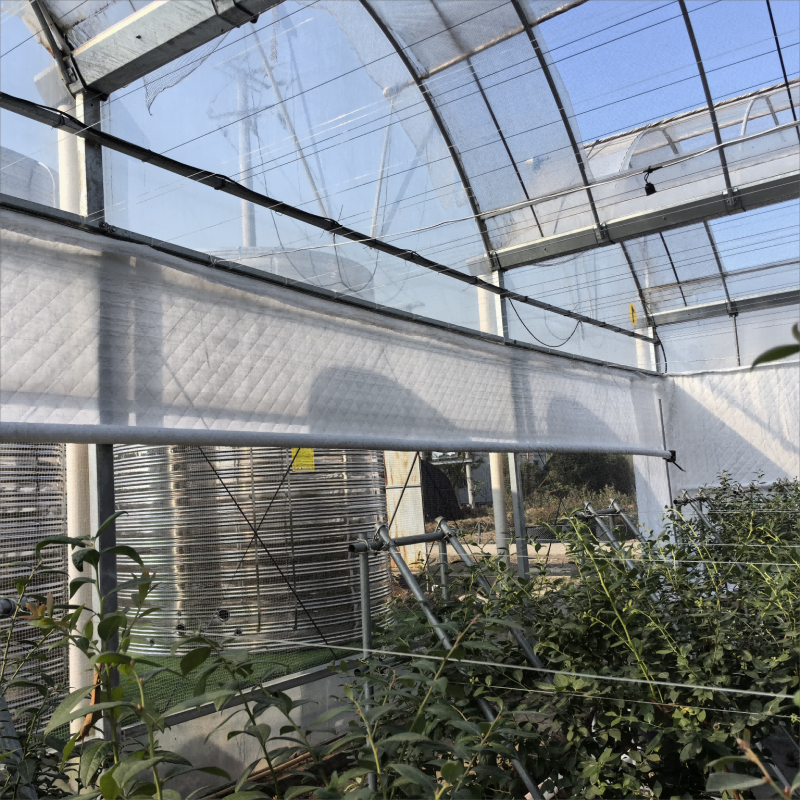
Selecting the right greenhouse structure is one of the most critical decisions a vegetable grower can make. The greenhouse structure you choose directly influences crop yield, operating costs, environmental control, and long-term profitability. Different greenhouse structure designs offer distinct advantages depending on your growing goals, available space, climate conditions, and budget. Understanding how each greenhouse structure type performs for vegetable production helps you make an informed investment that aligns with your operational needs and market demands.
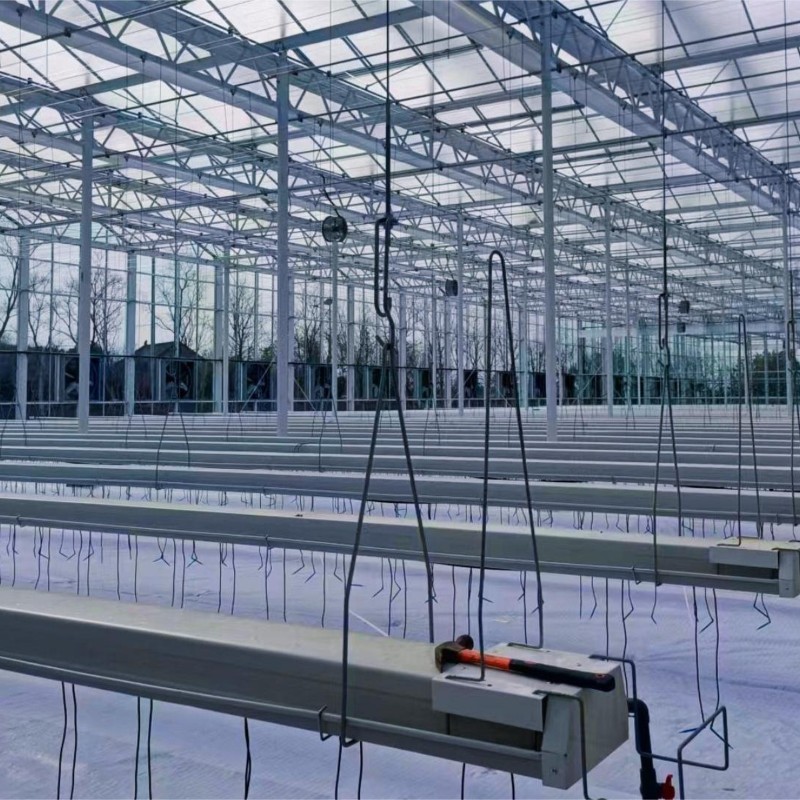
A well-designed greenhouse structure provides stable growing conditions year-round, protects crops from pests and harsh weather, and enables precise control over temperature, humidity, and light. For vegetable producers, the greenhouse structure determines not only the quality of the harvest but also the efficiency of labor, water use, and energy consumption. This article explores the most effective greenhouse structure options for vegetable cultivation and explains which configurations deliver the best outcomes for different growing scenarios.
Understanding Core Greenhouse Structure Types
Traditional Gable Roof Greenhouse Structure
The gable roof greenhouse structure remains one of the most popular designs for commercial vegetable production. This classic greenhouse structure features two sloping roof panels that meet at a central ridge, creating an A-frame silhouette. The gable roof greenhouse structure excels at water drainage and snow shedding, making it ideal for regions with heavy rainfall or winter precipitation. Inside a gable roof greenhouse structure, vertical growing space maximizes production density, allowing farmers to cultivate multiple tiers of vegetables without obstruction.
Gable greenhouse structure designs offer excellent light distribution throughout the growing area. The slope of the roof optimizes solar exposure at different times of day and season, which benefits photosynthesis in vegetables like tomatoes, peppers, and cucumbers. Ventilation in a gable roof greenhouse structure flows naturally from ridge vents, making passive cooling effective during warm months. Many commercial vegetable operations favor the gable roof greenhouse structure because it balances construction simplicity with reliable environmental performance.
Gothic Arch Greenhouse Structure
The gothic arch greenhouse structure features a curved roof design that provides superior wind resistance and increased interior volume compared to a standard gable greenhouse structure. This greenhouse structure design creates an elegant arch that distributes wind loads more evenly across the frame, reducing stress on the structural supports. The gothic arch greenhouse structure accommodates taller crop systems and offers better overhead space for vertical growing configurations, making it particularly suitable for high-value vegetable crops.
A gothic arch greenhouse structure improves snow load management because the curved surface encourages snow and ice to slide off more readily. This greenhouse structure type also provides superior headroom near the center of the building, allowing workers to move freely and reducing fatigue during harvest and maintenance tasks. For vegetable producers in areas prone to winter storms, the gothic arch greenhouse structure offers both structural durability and operational convenience.
Climate Control Features in Greenhouse Structure Design
Integrated Systems Within Your Greenhouse Structure
Modern greenhouse structure systems now incorporate advanced climate control features that significantly impact vegetable production success. A well-engineered greenhouse structure includes temperature control systems, shading systems, and automated irrigation infrastructure. These integrated features within your greenhouse structure reduce the need for manual monitoring and adjustment, allowing growers to maintain optimal conditions consistently throughout the growing cycle.
The greenhouse structure you select should accommodate ventilation vents, exhaust fans, and cooling pads for evaporative cooling during peak heat periods. A strategic greenhouse structure layout includes space for heating systems during cooler months, ensuring vegetables maintain ideal growth temperatures. The internal greenhouse structure design determines how efficiently climate systems operate, affecting energy costs and crop consistency. Choosing a greenhouse structure that supports these climate technologies is essential for year-round vegetable production.
Light Management Within Greenhouse Structure Configurations
The orientation and material composition of your greenhouse structure directly affect light penetration and light quality. Polycarbonate and glass greenhouse structure materials transmit sunlight differently, influencing photosynthetic rates in vegetables. A greenhouse structure constructed from high-clarity polycarbonate reduces heat loss while maintaining 90 percent light transmission, creating an efficient growing environment. Some greenhouse structure designs incorporate shade systems that reduce excessive light intensity during summer, protecting heat-sensitive vegetables and reducing cooling demands.
Reflective surfaces within the greenhouse structure improve light distribution to lower leaf canopies, maximizing productive space. The greenhouse structure layout should position crops to maximize available daylight during winter and provide shade options during summer. Strategic greenhouse structure positioning relative to prevailing sun angles optimizes light exposure throughout the year, reducing the need for supplemental lighting and lowering operational costs for vegetable growers.
Matching Greenhouse Structure Type to Crop Requirements
Selecting Greenhouse Structure for Specific Vegetables
Different vegetables thrive under different environmental conditions, so your greenhouse structure choice should align with your primary crop. Tomatoes and peppers benefit from tall greenhouse structure designs that maximize air circulation and headroom for vertical indeterminate varieties. A greenhouse structure with 10 to 12 feet of ceiling height accommodates these high-value crops effectively. Lettuce, spinach, and leafy greens thrive in lower-profile greenhouse structure configurations that concentrate heat efficiently and simplify harvest operations.
Cucumbers and melons require vigorous air movement to prevent disease, making a greenhouse structure with superior ventilation capacity essential. The gable or gothic arch greenhouse structure both provide excellent natural ventilation pathways when designed with ridge vents and sidewall louvers. For root vegetables like carrots and beets grown in containers or growing beds, a compact greenhouse structure focused on ground-level production proves most efficient. Evaluating your target crop's environmental needs before selecting a greenhouse structure ensures the structure supports optimal growth and productivity.
Space Efficiency and Greenhouse Structure Configuration
The footprint and layout of your greenhouse structure determine production capacity per square meter. A rectangular greenhouse structure with minimal interior supports maximizes usable growing space compared to designs with central support columns. Modern greenhouse structure engineering uses efficient frame designs that reduce shadowing while maintaining structural integrity. For vegetable operations aiming to maximize yield per square meter, selecting a greenhouse structure with smart beam placement and modular shelving systems delivers substantial productivity gains.
Multi-span greenhouse structure configurations allow progressive expansion as your operation grows. A greenhouse structure built with modular bays can be extended without complete rebuilding, making it a scalable investment. Vertical growing systems within your greenhouse structure multiply production capacity, allowing you to grow more vegetables in the same footprint. Careful greenhouse structure planning during the design phase prevents costly reconfiguration later and ensures efficient space utilization from day one.
FAQ
What is the most cost-effective greenhouse structure for vegetable production?
The gable roof greenhouse structure typically offers the best cost-to-value ratio for vegetable growers. This greenhouse structure design requires fewer materials and simpler construction techniques than curved designs, reducing initial capital investment. The gable greenhouse structure also delivers reliable environmental performance and easy maintenance. However, the most cost-effective greenhouse structure ultimately depends on your regional climate, available land, and specific crop mix. Evaluating total operating costs over ten years, not just initial construction expense, reveals which greenhouse structure type delivers the best long-term value for your situation.
How does greenhouse structure height affect vegetable yields?
Greenhouse structure height directly influences crop selection and production strategy. A taller greenhouse structure accommodates indeterminate tomato varieties and other crops that benefit from vertical growth, increasing yield per square foot. A greenhouse structure with 9 to 12 feet of interior height supports trellising systems that maximize space efficiency. Lower greenhouse structure profiles suit leafy greens and compact crops but limit opportunities for vertical production. The greenhouse structure height you choose should match your intended crop systems and allow sufficient headroom for worker safety and maintenance access without unnecessary material expense.
Can a greenhouse structure be modified after installation?
Yes, a greenhouse structure can be modified, though extensive changes become costly and disruptive. Adding ventilation components, irrigation infrastructure, or climate control systems to an existing greenhouse structure is relatively straightforward. However, expanding a greenhouse structure footprint or changing the roof configuration requires significant structural work. Selecting the right greenhouse structure design initially prevents the need for major modifications later. Planning ahead for future expansion capacity when you design your greenhouse structure allows incremental growth without disrupting current operations or compromising structural integrity.