 EN
EN
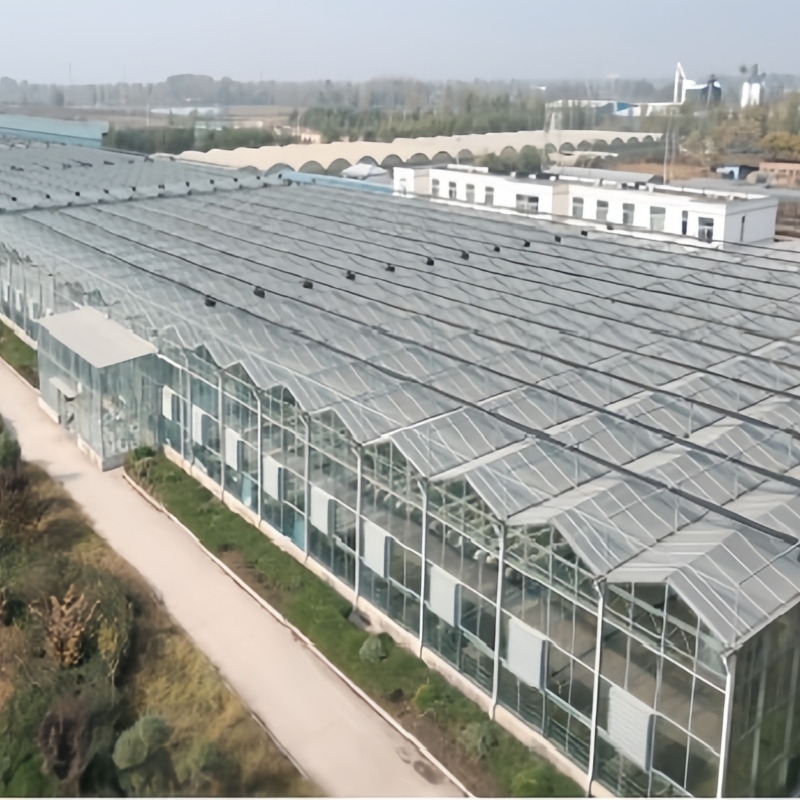
When growers evaluate their options for protected cultivation, film greenhouse installation consistently emerges as one of the most practical and cost-effective solutions available. Whether you are managing a small farm or scaling up a large commercial operation, film greenhouse installation offers a compelling combination of structural flexibility, climate control capability, and budget-friendly construction. Understanding exactly what makes this approach worthwhile requires looking at its design logic, economic value, and long-term performance across different growing environments.
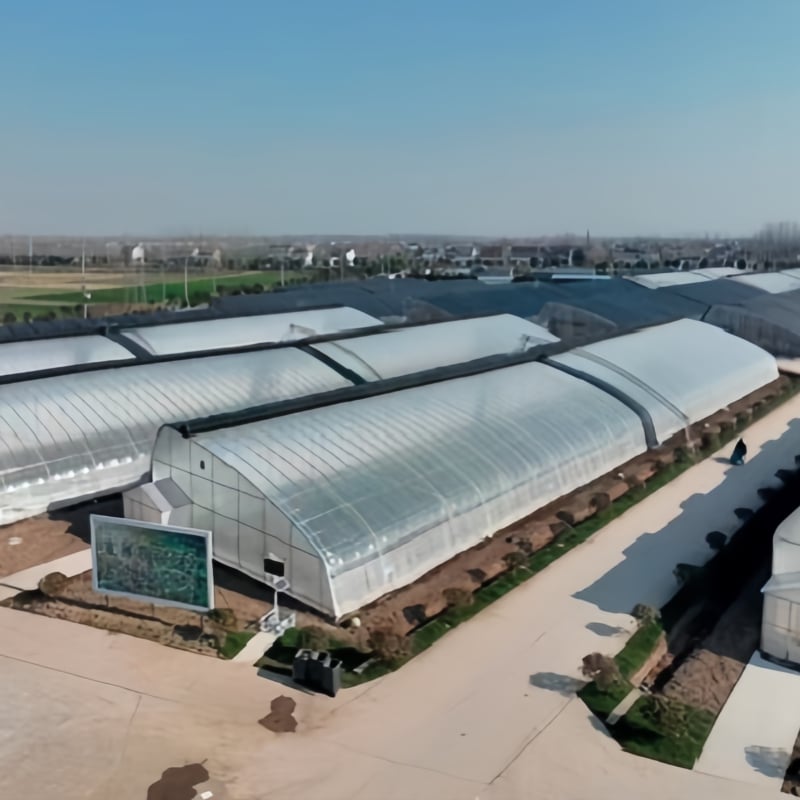
Film greenhouse installation has gained wide adoption across the agricultural sector because it addresses core challenges that growers face daily. Protecting crops from unpredictable weather, managing temperature and humidity, extending growing seasons, and controlling input costs are all goals that film greenhouse installation can directly support. This article explores the key factors that make film greenhouse installation a serious consideration for any operation looking to improve yield, efficiency, and sustainability.
The Economic Case for Film Greenhouse Installation
Lower Upfront Investment Compared to Rigid Structures
One of the strongest arguments in favor of film greenhouse installation is its significantly lower initial cost compared to glass or polycarbonate greenhouse construction. Film greenhouse installation uses lightweight steel or galvanized frames covered with polyethylene film, which reduces both material costs and labor time. For growers who need to cover large areas, film greenhouse installation makes it financially feasible to protect more crop space within the same budget. This cost advantage is especially meaningful in early-stage operations where capital allocation must be carefully prioritized.
Film greenhouse installation also reduces foundation requirements in many cases. Because the structure is lighter, the civil engineering work involved in film greenhouse installation is typically less complex than that required for heavier greenhouse types. This translates directly into shorter construction timelines and faster returns on investment, both of which matter greatly when seasonal planting windows are tight.
Operating Costs and Film Replacement Economics
Some growers raise questions about whether film replacement offsets the initial savings of film greenhouse installation. In practice, modern agricultural films designed for film greenhouse installation have service lives ranging from three to five years or longer, depending on UV stabilization grade and local climate conditions. When replacement is needed, the cost of re-covering a film greenhouse installation is a fraction of repairing or replacing rigid glazing materials. This lifecycle cost profile makes film greenhouse installation economically attractive over the medium and long term, not just at the point of initial build.
Structural and Design Advantages of Film Greenhouse Installation
Span Configurations and Scalability
Film greenhouse installation is available in single-span and multi-span configurations, giving growers the flexibility to match their structure precisely to site conditions and production goals. Multi-span film greenhouse installation is particularly well suited to commercial-scale operations because it maximizes the usable growing area while minimizing the ratio of structural material to covered space. Each span in a multi-span film greenhouse installation connects to adjacent units, reducing heat loss at perimeter walls and improving overall climate uniformity throughout the structure.
The modular nature of film greenhouse installation also means that expansion is straightforward. A grower who starts with a two-span film greenhouse installation can add additional spans as the operation grows, without needing to demolish or significantly alter the existing structure. This scalability is a key reason why film greenhouse installation is favored in both developing and established agricultural regions worldwide.
Ventilation and Climate Management Built Into the Design
Effective ventilation is essential to productive protected cultivation, and film greenhouse installation is specifically engineered to support natural and mechanical airflow. Roof vents, side roll-up curtains, and gable-end openings are all standard features that can be incorporated into film greenhouse installation to regulate temperature and humidity. In regions with warm summers, a well-ventilated film greenhouse installation can maintain growing conditions that would be impossible to achieve in an unprotected field environment. Proper ventilation design in film greenhouse installation also reduces the risk of disease pressure caused by excessive moisture accumulation.
Performance and Crop Suitability in Film Greenhouse Installation
Crop Range and Growing Season Extension
Film greenhouse installation supports a broad range of crops including vegetables, flowers, herbs, and seedlings. The ability of film greenhouse installation to trap solar radiation and maintain warmer internal temperatures allows growers to begin planting earlier in spring and continue harvesting later into autumn than would otherwise be possible. In colder climates, film greenhouse installation can be combined with supplemental heating systems to enable year-round production. This growing season extension is one of the most commercially significant benefits that film greenhouse installation delivers, directly increasing annual revenue potential per unit of land.
High-value crops such as tomatoes, cucumbers, peppers, and strawberries benefit especially from the controlled environment that film greenhouse installation creates. Consistent temperature management through film greenhouse installation reduces crop stress, improves fruit quality, and supports more predictable harvest scheduling. For growers supplying retail or food service customers, the reliability enabled by film greenhouse installation translates into stronger market relationships and better pricing power.
Durability and Site Adaptability of Film Greenhouse Installation
Modern film greenhouse installation is engineered to withstand significant wind loads and moderate snow loads through proper frame design and film tensioning systems. Galvanized steel profiles used in film greenhouse installation resist corrosion in humid agricultural environments, extending the working life of the structure. Film greenhouse installation can be adapted to a wide variety of site conditions including sloped terrain, sandy soils, and areas with limited access to construction equipment. This adaptability makes film greenhouse installation a viable option in geographic regions where more rigid greenhouse types would be impractical or prohibitively expensive.
FAQ
How long does a typical film greenhouse installation last?
The steel frame of a film greenhouse installation can last twenty years or more with proper maintenance. The polyethylene film covering used in film greenhouse installation typically has a service life of three to five years before replacement is recommended, depending on UV rating and local climate exposure.
Is film greenhouse installation suitable for areas with heavy snowfall?
Film greenhouse installation can be designed to handle moderate snow loads through reinforced frame profiles and steeper roof angles. In areas with very heavy snowfall, growers should consult with a film greenhouse installation specialist to ensure the structure meets local load requirements and includes appropriate snow management features.
What crops grow best in a film greenhouse installation?
Film greenhouse installation supports a wide variety of crops. Vegetables such as tomatoes, cucumbers, lettuce, and peppers are among the most common choices. Flowers, herbs, and seedling propagation are also well suited to film greenhouse installation, particularly where precise temperature and humidity management are needed to achieve consistent quality and yield.