 EN
EN



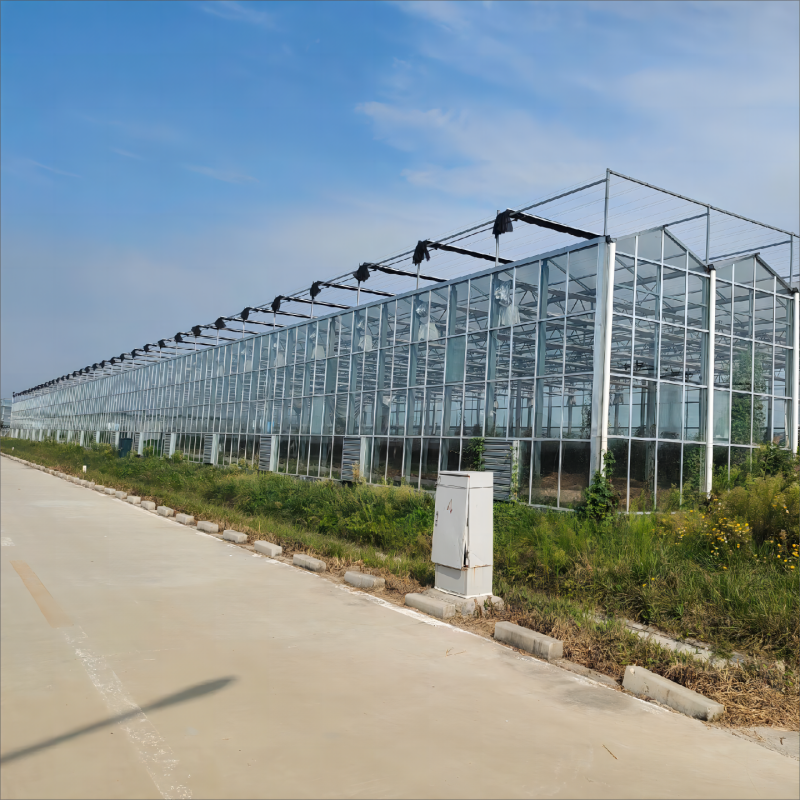
Extending the growing season has become increasingly important for gardeners, farmers, and commercial growers who want to maximize their harvest potential and achieve year-round production. A greenhouse kit provides the perfect solution for creating a controlled environment that protects plants from harsh weather conditions, frost, and temperature fluctuations. These versatile structures enable growers to start seedlings earlier in spring, continue harvesting well into winter, and maintain consistent growing conditions regardless of external climate variations. Modern greenhouse kit designs offer sophisticated climate control features, durable construction materials, and energy-efficient systems that make extended growing seasons both practical and profitable for agricultural operations of all sizes.
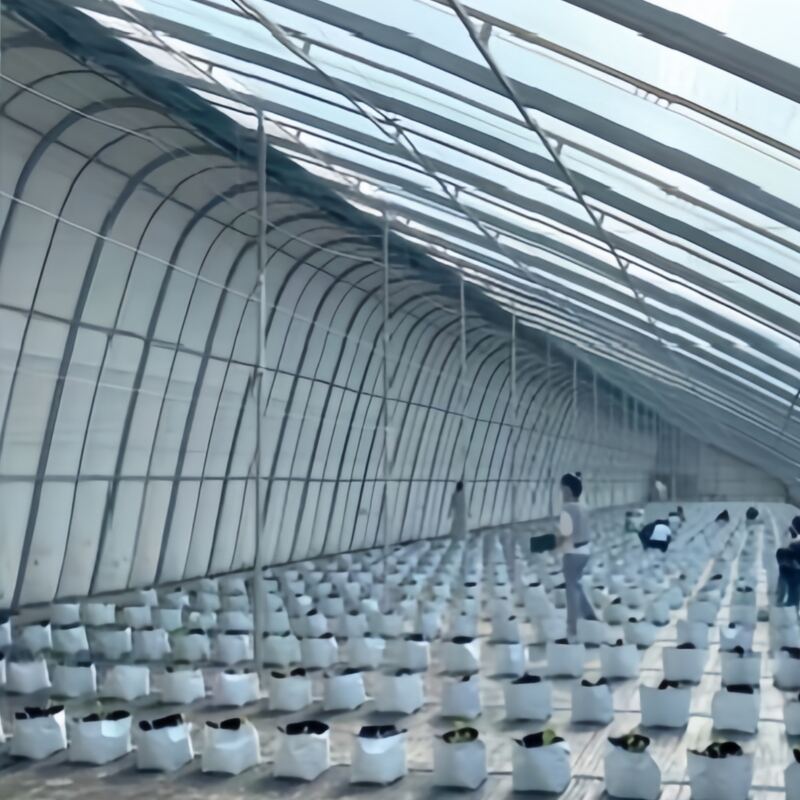
Temperature Control and Climate Management
Maintaining Optimal Growing Conditions
Temperature regulation represents the most critical advantage of installing a greenhouse kit for season extension purposes. These structures create a microclimate that shields plants from temperature extremes, allowing growers to maintain consistent conditions that promote healthy plant development throughout the year. The enclosed environment traps solar heat during the day and retains warmth during cooler nights, creating a buffer zone that protects sensitive crops from frost damage and cold stress.
Professional greenhouse kit systems incorporate ventilation controls, heating elements, and cooling mechanisms that automatically adjust environmental conditions based on preset parameters. This automated climate management reduces the risk of temperature shock, prevents overheating during warm periods, and ensures that plants receive the optimal thermal environment for photosynthesis and growth. Advanced models feature zone control capabilities that allow different sections of the greenhouse to maintain varying temperature ranges for diverse crop requirements.
Frost Protection and Winter Growing
Winter growing becomes feasible when utilizing a properly designed greenhouse kit that provides adequate insulation and frost protection capabilities. The structure creates a protective barrier that prevents frost formation on plant surfaces, eliminating the cellular damage that occurs when ice crystals rupture plant tissues. This protection extends the productive capacity of cold-sensitive crops well beyond their natural outdoor growing window.
Modern greenhouse kit installations often include thermal mass systems, such as water barrels or concrete floors, that absorb heat during sunny days and release it gradually during cold nights. This thermal buffering effect moderates temperature swings and maintains more stable growing conditions without requiring constant energy input. Additionally, the controlled environment allows for the cultivation of warm-season crops like tomatoes, peppers, and cucumbers during winter months when outdoor production would be impossible.
Light Management and Photosynthesis Optimization
Maximizing Natural Light Exposure
Effective light management through a greenhouse kit significantly enhances photosynthetic activity and plant productivity throughout extended growing seasons. The transparent or translucent covering materials allow maximum natural sunlight penetration while filtering harmful UV radiation that could damage sensitive plant tissues. Strategic orientation and design considerations ensure that plants receive optimal light exposure from multiple angles throughout the day.
High-quality greenhouse kit materials feature light-diffusing properties that distribute sunlight evenly across the growing space, eliminating harsh shadows and ensuring that all plants receive adequate illumination for healthy development. This uniform light distribution prevents the stretching and weak growth patterns that occur when plants compete for limited light resources. The controlled environment also allows growers to supplement natural light with artificial growing lights during shorter winter days.
Supplemental Lighting Integration
Integration of supplemental lighting systems within a greenhouse kit framework enables continuous production during periods of reduced natural sunlight availability. LED grow lights, high-intensity discharge lamps, and fluorescent systems can be strategically positioned to provide the specific light spectrums required for different growth stages and crop varieties. This combination of natural and artificial lighting creates optimal conditions for photosynthesis year-round.
Modern greenhouse kit designs accommodate various lighting configurations and include mounting systems, electrical infrastructure, and control mechanisms that make supplemental lighting installation straightforward and effective. Programmable lighting controllers allow growers to customize photoperiods, adjust light intensity, and create lighting schedules that mimic natural seasonal variations or optimize plant responses for maximum yield and quality.
Humidity Control and Moisture Management
Preventing Disease and Pest Issues
Proper humidity control through a greenhouse kit system prevents many common plant diseases and pest problems that typically limit growing seasons in outdoor environments. The enclosed structure allows precise monitoring and adjustment of moisture levels, preventing the excessive humidity that promotes fungal infections, bacterial diseases, and insect infestations. Controlled ventilation systems remove excess moisture while maintaining adequate humidity levels for optimal plant health.
Professional greenhouse kit installations include humidity sensors, exhaust fans, and circulation systems that automatically regulate moisture levels based on plant requirements and environmental conditions. This automated approach prevents the humidity fluctuations that stress plants and create conditions favorable for disease development. The controlled environment also allows for targeted watering systems that deliver precise amounts of moisture directly to plant roots without creating excessive ambient humidity.
Water Conservation and Efficiency
Water management within a greenhouse kit environment promotes conservation and efficiency through reduced evaporation rates and controlled irrigation systems. The protected environment minimizes water loss from wind and sun exposure, allowing plants to utilize available moisture more effectively. Drip irrigation systems, soaker hoses, and hydroponic setups can be easily integrated into greenhouse kit structures for precise water delivery.
Rainwater collection systems often complement greenhouse kit installations, capturing precipitation from the structure's roof for use in irrigation systems. This sustainable approach reduces water costs while providing plants with naturally soft water that contains fewer chemical additives than municipal water sources. The controlled environment also allows for water recycling systems that capture and reuse drainage water from containers and hydroponic systems.
Season Extension Strategies and Techniques
Early Spring Startup Methods
Implementing a greenhouse kit for early spring growing requires strategic planning and specific techniques that maximize the structure's protective capabilities during transitional weather periods. Pre-warming the soil using thermal mass systems, heating cables, or composting methods creates favorable root zone temperatures before outdoor conditions would naturally support plant growth. This early start provides significant advantages for crop scheduling and harvest timing.
Seedling production within a greenhouse kit environment allows growers to start plants 4-8 weeks earlier than outdoor planting schedules permit. The controlled conditions promote rapid germination, strong root development, and healthy transplant production that ensures successful establishment when plants are eventually moved to their final growing locations. Cold frames and hardening areas within the greenhouse kit setup facilitate the gradual acclimation process that prepares plants for outdoor conditions.
Fall and Winter Production Continuation
Extending growing seasons into fall and winter months requires specific greenhouse kit configurations and crop selection strategies that optimize production during periods of reduced light and lower temperatures. Cool-season crops like leafy greens, root vegetables, and herbs thrive in the moderate conditions provided by greenhouse protection during autumn and winter months. These crops often produce better quality and higher yields under controlled conditions than in outdoor environments.
Succession planting schedules within a greenhouse kit allow for continuous harvests throughout extended growing seasons. By staggering planting dates and utilizing fast-growing varieties, growers can maintain consistent production levels and ensure regular harvests even during traditionally dormant periods. The protected environment enables multiple cropping cycles that would be impossible in outdoor growing situations.
Economic Benefits and Return on Investment
Increased Yield and Production Volume
The economic advantages of utilizing a greenhouse kit for season extension become apparent through significantly increased yield potential and production volume compared to outdoor growing methods. Extended growing seasons allow for multiple crop cycles per year, higher plant density configurations, and improved crop quality that commands premium market prices. The controlled environment reduces crop losses from weather damage, pest infestations, and disease problems that commonly affect outdoor production.
Commercial growers often report 3-5 times higher yields per square foot when using greenhouse kit systems compared to field production methods. This increased productivity translates directly into higher revenue potential and improved profitability for agricultural operations. The ability to produce crops during off-seasons when market demand is high and supply is limited creates additional economic opportunities for greenhouse kit users.
Reduced Input Costs and Resource Efficiency
Long-term operational costs decrease significantly when implementing a greenhouse kit system due to reduced pesticide requirements, lower water consumption, and more efficient fertilizer utilization. The controlled environment minimizes pest and disease pressure, reducing the need for expensive chemical treatments and organic pest control methods. Precise irrigation systems prevent water waste while delivering nutrients directly to plant roots for maximum uptake efficiency.
Energy-efficient greenhouse kit designs incorporate insulation materials, thermal mass systems, and renewable energy sources that minimize heating and cooling costs throughout extended growing seasons. Solar panels, geothermal systems, and biomass heating can be integrated into greenhouse kit installations to reduce dependence on conventional energy sources and lower operational expenses over time.
FAQ
What types of crops benefit most from greenhouse kit season extension?
Leafy greens, herbs, tomatoes, peppers, cucumbers, and strawberries show exceptional performance in greenhouse kit environments during extended seasons. Cool-season crops like lettuce, spinach, and kale thrive in unheated structures during fall and winter months, while warm-season crops require supplemental heating for winter production. Root vegetables, microgreens, and specialty herbs also perform well in controlled greenhouse environments throughout the year.
How much can a greenhouse kit extend the typical growing season?
A properly designed greenhouse kit can extend the growing season by 3-6 months depending on climate zone, structure type, and crop selection. In temperate regions, growers often achieve 8-10 months of productive growing compared to 4-6 months for outdoor production. Cold climate areas may see even greater extensions, with some greenhouse kit installations enabling year-round production of cold-tolerant crops without supplemental heating.
What size greenhouse kit is recommended for season extension projects?
For hobby growers, greenhouse kits ranging from 6x8 feet to 10x12 feet provide adequate space for season extension activities and family food production. Commercial operations typically require larger structures starting at 20x48 feet or larger to achieve economies of scale and meaningful production volumes. The optimal size depends on available space, budget considerations, crop selection, and production goals for the extended growing season.
Do greenhouse kits require permits or special installations for season extension use?
Most residential greenhouse kit installations under 200 square feet do not require building permits, but local zoning regulations vary significantly between jurisdictions. Larger commercial structures typically require permits, foundation work, and electrical installations that must comply with local building codes. It is advisable to check with local authorities before purchasing a greenhouse kit to ensure compliance with zoning restrictions and building requirements in your area.