 EN
EN



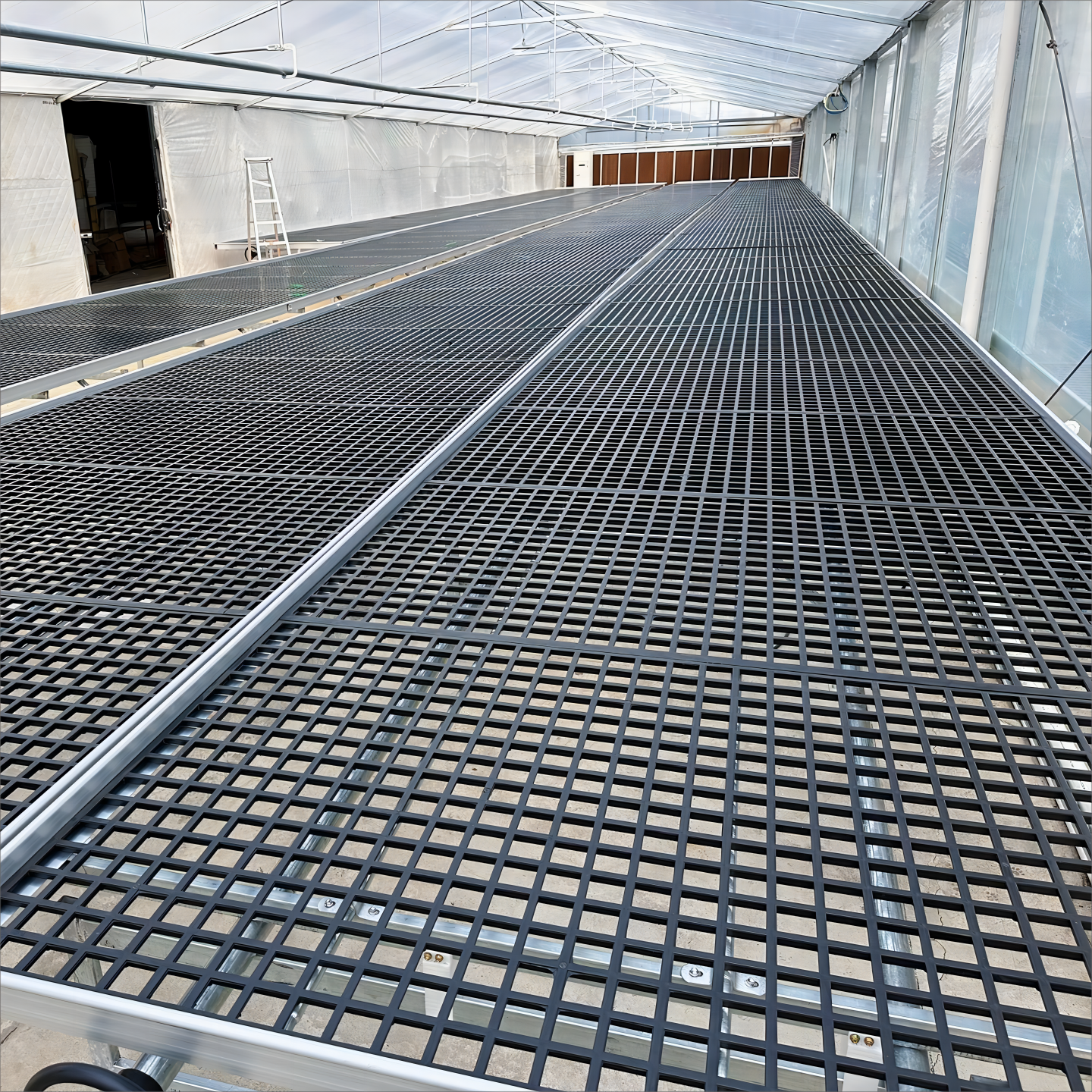
The Gothic greenhouse represents one of the most distinctive and functional architectural styles in modern agricultural construction. This unique design combines aesthetic appeal with practical benefits, making it a popular choice among commercial growers and agricultural professionals worldwide. The pointed arch structure characteristic of Gothic greenhouse construction not only creates an eye-catching silhouette but also provides superior structural integrity and environmental performance compared to traditional rectangular greenhouse designs.
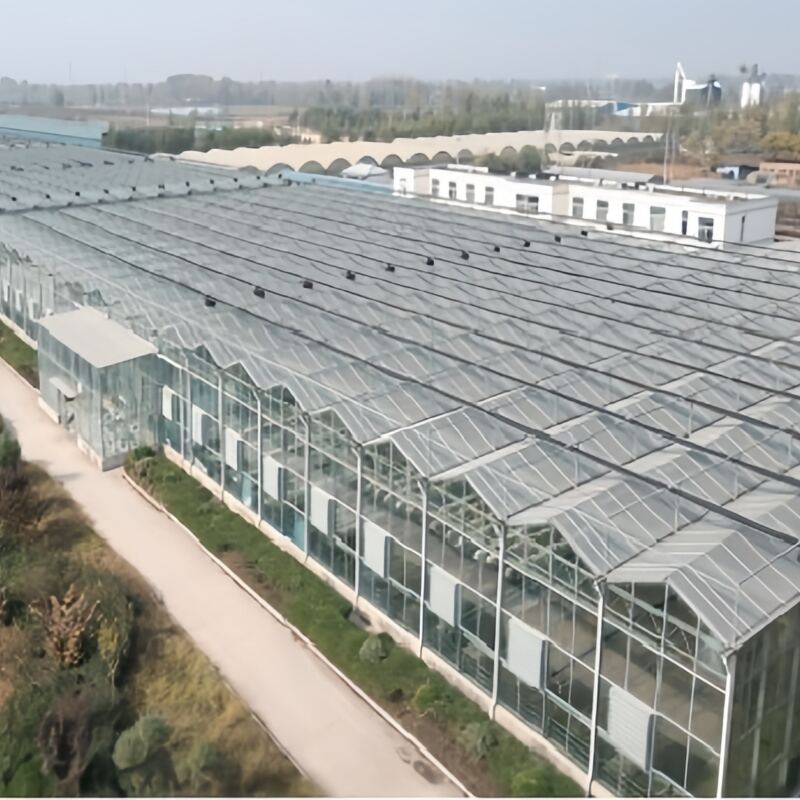
Understanding the fundamental principles behind Gothic greenhouse operation requires examining both its architectural features and environmental control systems. The pointed roof design facilitates excellent water drainage while maximizing internal growing space, creating optimal conditions for plant cultivation. Modern Gothic greenhouse structures incorporate advanced materials and technologies that enhance their efficiency and durability in various climate conditions.
Architectural Features of Gothic Greenhouse Design
Structural Framework and Support Systems
The Gothic greenhouse framework relies on engineered steel or aluminum structures that form the characteristic pointed arch profile. This design distributes structural loads more effectively than flat-roof alternatives, allowing for larger spans without intermediate support columns. The framework typically consists of main arches spaced at regular intervals, connected by purlins and bracing systems that ensure structural stability under wind and snow loads.
Advanced engineering calculations determine the optimal arch curvature and member sizing for each Gothic greenhouse installation. The pointed design naturally sheds precipitation and reduces the accumulation of debris on the roof surface. This self-cleaning characteristic minimizes maintenance requirements while preserving maximum light transmission through the covering materials.
Professional installation teams utilize specialized equipment to erect the Gothic greenhouse framework with precision alignment and proper anchoring systems. The foundation requirements typically involve concrete footings or continuous foundation walls that provide adequate support for the structural loads and environmental forces acting on the building envelope.
Covering Materials and Glazing Systems
Modern Gothic greenhouse construction employs various covering materials selected based on climate conditions, crop requirements, and economic considerations. Glass panels remain popular for their durability and optical clarity, while polycarbonate sheets offer excellent insulation properties with reduced weight. Each material type requires specific attachment methods and sealing systems to maintain weathertight integrity.
The curved profile of a Gothic greenhouse creates unique challenges for covering installation, requiring flexible materials or specially fabricated rigid panels. Proper sealing at panel joints prevents air infiltration and moisture penetration that could compromise the controlled growing environment. Advanced glazing systems may incorporate low-emissivity coatings or anti-condensate treatments to optimize thermal performance.
Ventilation openings integrated into the Gothic greenhouse covering system provide natural airflow regulation through strategically placed roof and sidewall vents. The arch configuration creates favorable pressure differentials that enhance natural ventilation effectiveness compared to other greenhouse configurations.
Environmental Control Systems
Climate Management Technology
Sophisticated environmental control systems transform the Gothic greenhouse into a precisely regulated growing environment. Automated climate controllers monitor temperature, humidity, and ventilation parameters continuously, making real-time adjustments to maintain optimal growing conditions. These systems integrate heating, cooling, and ventilation equipment through centralized control networks that respond to both internal sensors and external weather conditions.
The tall profile of a Gothic greenhouse provides excellent air circulation patterns that support uniform temperature distribution throughout the growing space. Hot air naturally rises to the peak area where it can be exhausted through roof vents, while cooler replacement air enters through sidewall openings. This thermal stratification effect can be enhanced with circulation fans and horizontal airflow systems.
Advanced climate control algorithms consider the thermal mass of the Gothic greenhouse structure and growing media to predict heating and cooling requirements accurately. Energy-efficient heat pumps, radiant heating systems, and evaporative cooling equipment can be integrated seamlessly into the overall environmental management strategy.
Irrigation and Fertigation Integration
Modern Gothic greenhouse operations utilize precision irrigation systems that deliver water and nutrients directly to plant root zones with minimal waste. Drip irrigation networks, overhead sprinklers, and boom irrigation systems can be customized to match specific crop requirements and growing methods employed within the structure.
Automated fertigation systems blend water-soluble fertilizers with irrigation water according to predetermined recipes and scheduling programs. Computer-controlled injection pumps maintain precise nutrient concentrations while monitoring electrical conductivity and pH levels to ensure optimal plant nutrition throughout the growing cycle.
The Gothic greenhouse design accommodates various irrigation infrastructure configurations, with overhead systems easily suspended from the structural framework. Floor-level distribution systems benefit from the excellent drainage characteristics provided by the sloped growing bench arrangements commonly used in these facilities.
Operational Advantages and Benefits
Growing Space Optimization
The unique profile of a Gothic greenhouse maximizes usable growing space while minimizing construction costs per square foot of production area. The pointed arch design provides generous headroom for equipment access and crop management activities, while the sloped sidewalls can accommodate tiered growing systems that increase planting density.
Efficient space utilization within the Gothic greenhouse structure supports various growing methods including ground beds, raised benches, and vertical growing systems. The open interior layout facilitates mechanized operations such as seeding, transplanting, and harvesting activities that improve labor efficiency and reduce production costs.
Strategic placement of environmental control equipment takes advantage of the natural air circulation patterns created by the Gothic greenhouse profile. Heating and cooling systems operate more efficiently due to the favorable thermal dynamics, resulting in reduced energy consumption and operating costs.
Structural Performance Benefits
The inherent strength of the Gothic greenhouse arch design provides superior resistance to wind loads and snow accumulation compared to other structural configurations. The pointed profile naturally sheds wind forces while the curved shape distributes loads evenly throughout the framework members.
Long-term durability advantages result from reduced stress concentrations in the Gothic greenhouse framework, extending the service life of structural components. The self-draining characteristics prevent water accumulation and associated corrosion problems that can affect other greenhouse designs.
Maintenance requirements remain minimal due to the robust construction and weather-resistant design features incorporated into quality Gothic greenhouse installations. Regular inspection and preventive maintenance programs ensure continued reliable operation throughout the structure's design life.
Construction and Installation Considerations
Site Preparation Requirements
Successful Gothic greenhouse installation begins with proper site evaluation and preparation activities that ensure optimal performance and longevity. Site selection considers factors such as solar orientation, prevailing wind patterns, drainage characteristics, and accessibility for construction equipment and future operations.
Foundation design must accommodate the specific load distribution patterns created by the Gothic greenhouse structural system. Continuous concrete foundations or individual footing systems provide adequate support while allowing for thermal expansion and contraction of the framework components.
Utility installation planning coordinates electrical, water, and gas services with the Gothic greenhouse layout to minimize conflicts and optimize system performance. Underground utility routing should be completed before foundation construction to avoid costly modifications during later installation phases.
Professional Installation Process
Experienced installation teams follow systematic procedures to ensure proper Gothic greenhouse assembly and alignment throughout the construction process. Framework erection begins with accurate layout and positioning of foundation anchor points, followed by sequential assembly of arch sections and connecting components.
Quality control measures during Gothic greenhouse construction include dimensional verification, joint integrity testing, and preliminary system commissioning activities. Professional installers utilize specialized equipment and techniques to achieve the precise tolerances required for optimal performance and appearance.
Final commissioning activities verify proper operation of all environmental control systems and structural components before turning the completed Gothic greenhouse over to the owner. Comprehensive documentation and training ensure successful transition to full production operations.
Economic and Performance Considerations
Cost-Effectiveness Analysis
The initial investment in a Gothic greenhouse structure typically provides excellent long-term value through reduced operating costs and improved crop productivity. Energy efficiency advantages result from the natural climate control benefits created by the architectural design, reducing heating and cooling expenses throughout the year.
Production efficiency gains within the Gothic greenhouse environment often justify the construction investment through increased yields per square foot and improved crop quality. The controlled environment protects plants from adverse weather conditions while extending growing seasons and enabling year-round production schedules.
Maintenance and replacement costs remain relatively low due to the durable construction materials and design features incorporated into quality Gothic greenhouse installations. The structural longevity and reliable performance characteristics provide predictable operating expenses that facilitate accurate financial planning.
Return on Investment Factors
Multiple factors contribute to the financial returns achievable with Gothic greenhouse operations, including crop selection, market conditions, and management practices. High-value crops such as specialty vegetables, herbs, and flowers often generate sufficient revenue to recover construction investments within reasonable payback periods.
Advanced growing techniques enabled by the controlled Gothic greenhouse environment can significantly increase production efficiency and crop quality compared to outdoor cultivation methods. These improvements directly translate to enhanced marketability and premium pricing opportunities for greenhouse-grown products.
Energy efficiency benefits from the Gothic greenhouse design contribute to ongoing operational savings that improve long-term profitability. The reduced utility costs and maintenance requirements create favorable cash flow conditions that support business growth and expansion opportunities.
FAQ
What makes a Gothic greenhouse different from other greenhouse designs
The Gothic greenhouse features a distinctive pointed arch roof design that sets it apart from traditional rectangular or curved greenhouse structures. This architectural style provides superior structural strength, excellent water drainage, and optimal air circulation patterns that enhance growing conditions. The pointed profile also maximizes interior growing space while maintaining structural integrity under various weather conditions.
How does the Gothic greenhouse design improve plant growing conditions
The unique shape of a Gothic greenhouse creates natural air circulation patterns that promote uniform temperature distribution and humidity control throughout the growing space. The tall peaked design allows hot air to rise and exit through roof ventilation systems while drawing cooler replacement air through sidewall openings. This thermal stratification effect, combined with the excellent light transmission properties, creates optimal growing conditions for most crop types.
What are the main structural advantages of Gothic greenhouse construction
Gothic greenhouse structures demonstrate superior resistance to wind loads and snow accumulation due to their aerodynamic arch profile and inherent structural strength. The pointed design naturally sheds precipitation and debris while distributing structural loads evenly throughout the framework. This results in reduced maintenance requirements, extended service life, and the ability to construct larger spans without interior support columns that would interfere with growing operations.
How energy-efficient is a Gothic greenhouse compared to other designs
The Gothic greenhouse design offers significant energy efficiency advantages through its natural climate control characteristics and thermal performance benefits. The arch profile creates favorable air circulation patterns that reduce heating and cooling requirements, while the structural configuration minimizes heat loss through the building envelope. These efficiency gains typically result in 15-25% lower energy costs compared to traditional rectangular greenhouse designs, contributing to improved long-term operational profitability.