 EN
EN



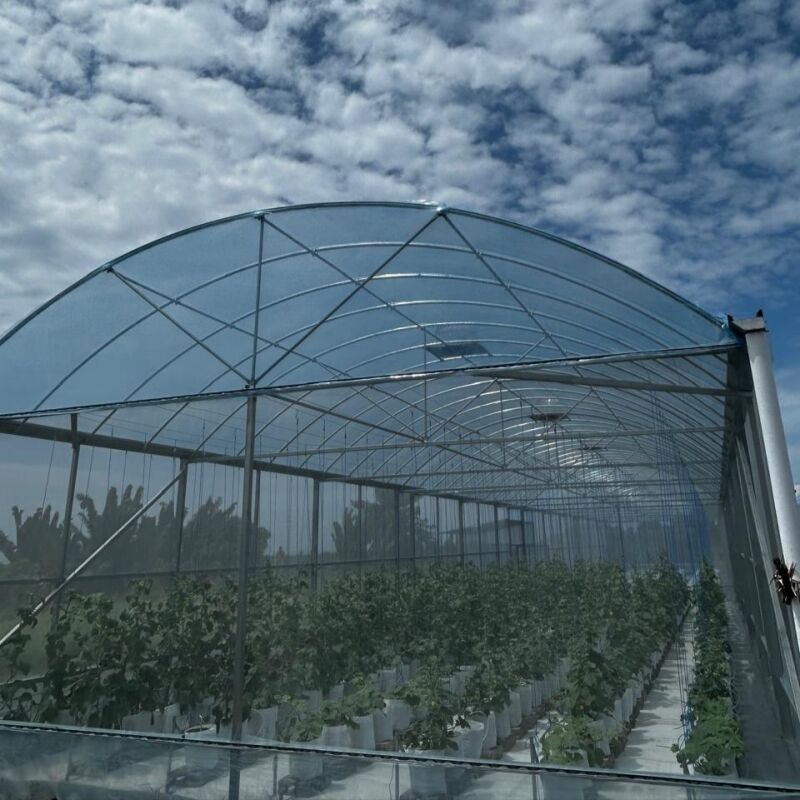
Growing vegetables year-round requires careful consideration of greenhouse selection, as different structures offer varying levels of environmental control, durability, and productivity. Professional growers and commercial operations increasingly recognize that choosing the right greenhouse type directly impacts crop yields, operational efficiency, and long-term profitability. Modern agricultural facilities demand structures that can maintain precise growing conditions while withstanding diverse weather patterns and seasonal challenges.
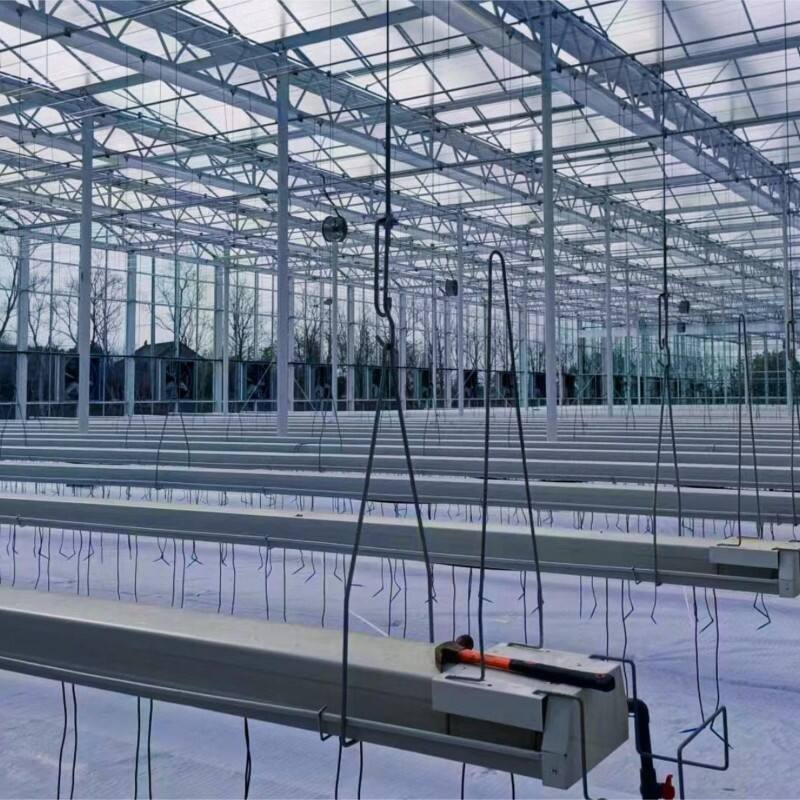
The selection process involves evaluating multiple factors including local climate conditions, target vegetable varieties, budget constraints, and operational requirements. Each greenhouse type presents unique advantages and limitations that must align with specific growing objectives. Understanding these characteristics enables growers to make informed decisions that maximize their investment return and ensure sustainable vegetable production throughout the year.
Glass Greenhouse Advantages for Vegetable Production
Superior Light Transmission Properties
Glass greenhouse structures provide exceptional light transmission rates, typically achieving 90-95% clarity for optimal photosynthesis. This superior transparency allows maximum natural sunlight penetration, reducing artificial lighting requirements and associated energy costs. The consistent light quality supports healthy plant development and enhanced vegetable quality, particularly important for light-sensitive crops like tomatoes, peppers, and leafy greens.
Modern glass greenhouse panels utilize low-iron glass technology to minimize light absorption and maximize transmission efficiency. This advanced glazing maintains consistent performance over decades without significant degradation, unlike plastic alternatives that may yellow or become cloudy over time. The result is sustained high-quality growing conditions that support premium vegetable production throughout the facility's operational lifetime.
Exceptional Durability and Longevity
Professional glass greenhouse installations demonstrate remarkable durability, often maintaining structural integrity and performance for 20-30 years with proper maintenance. The non-porous glass surface resists UV degradation, chemical damage, and physical wear that commonly affects alternative materials. This longevity translates to superior return on investment for commercial vegetable operations requiring long-term reliability.
Glass panels withstand severe weather conditions including hail, high winds, and temperature fluctuations without compromising structural integrity. The material's thermal stability prevents expansion and contraction issues that can create gaps or leaks in other greenhouse types. This reliability ensures consistent environmental control necessary for year-round vegetable production in challenging climates.
Polycarbonate Greenhouse Benefits and Applications
Enhanced Insulation Performance
Polycarbonate greenhouse panels offer superior insulation properties compared to single-layer glass, providing better temperature retention during cold seasons. The multi-wall construction creates air gaps that reduce heat transfer, lowering heating costs and improving energy efficiency. This thermal performance proves particularly valuable for extending growing seasons and maintaining optimal conditions for temperature-sensitive vegetables.
The insulating properties of polycarbonate greenhouse structures enable more stable internal temperatures with reduced fluctuations. This consistency benefits vegetable crops requiring precise temperature control, such as cucumbers, eggplants, and specialty herbs. The improved thermal efficiency also reduces condensation issues that can promote disease development in vegetable crops.
Impact Resistance and Safety Features
Polycarbonate panels demonstrate exceptional impact resistance, withstanding hail and debris impacts that might damage glass greenhouse installations. This durability reduces maintenance requirements and replacement costs while ensuring continuous operation during adverse weather events. The material's flexibility allows it to absorb impacts without shattering, maintaining structural integrity under stress.
Safety considerations favor polycarbonate greenhouse construction in areas prone to severe weather or where worker safety is paramount. The material breaks into dull fragments rather than sharp shards if damaged, reducing injury risks during maintenance or emergency situations. This safety advantage makes polycarbonate suitable for educational facilities and community gardens focusing on vegetable production.
Polyethylene Film Greenhouse Considerations
Cost-Effective Initial Investment
Polyethylene film greenhouses represent the most economical option for vegetable growers with limited initial budgets or temporary growing requirements. The low material and installation costs enable rapid deployment of protected growing environments, making commercial vegetable production accessible to small-scale operations. This affordability allows growers to establish multiple growing spaces or expand existing operations without significant capital investment.
The lightweight nature of polyethylene film reduces structural requirements and foundation costs compared to glass greenhouse or polycarbonate alternatives. Simple frame systems can support film coverings, further reducing construction expenses and installation complexity. This cost advantage enables growers to allocate more resources toward irrigation systems, climate control equipment, and other production infrastructure.
Flexibility and Seasonal Adaptation
Film greenhouse systems offer exceptional flexibility for seasonal vegetable production and crop rotation strategies. The covering can be easily removed or replaced to accommodate different growing requirements or seasonal changes. This adaptability suits operations focusing on specific vegetable seasons or requiring periodic facility modifications for different crop types.
Polyethylene film greenhouses can be quickly reconfigured or relocated as operational needs change, providing valuable flexibility for expanding or adapting vegetable production systems. The modular nature of film structures enables growers to test different configurations and optimize their growing systems based on performance data. This flexibility supports continuous improvement in vegetable production efficiency and quality.
Environmental Control Systems Integration
Climate Management Requirements
Different greenhouse types require specific climate control approaches to maintain optimal vegetable growing conditions. Glass greenhouse structures typically integrate sophisticated heating, cooling, and ventilation systems to leverage their superior environmental control capabilities. The thermal mass of glass helps moderate temperature fluctuations while supporting precise climate management essential for premium vegetable production.
Automated climate control systems monitor temperature, humidity, and air circulation to maintain ideal growing conditions for specific vegetable varieties. These systems adjust heating, cooling, and ventilation based on real-time environmental data and preset parameters. The integration of advanced sensors and control algorithms enables precise management of growing conditions that maximize vegetable quality and yield potential.
Irrigation and Fertigation Integration
Modern greenhouse structures accommodate sophisticated irrigation and fertigation systems that deliver precise water and nutrient management for vegetable crops. Drip irrigation networks, misting systems, and hydroponic installations can be integrated into any greenhouse type with appropriate planning and design. The choice of greenhouse material affects humidity management and water distribution efficiency within the growing environment.
Glass greenhouse installations often feature integrated gutter systems that collect and recycle irrigation water, improving resource efficiency and reducing operational costs. These systems can incorporate water treatment and sterilization components to maintain optimal water quality for vegetable production. The durability of glass greenhouse structures supports heavy irrigation equipment and long-term system reliability essential for commercial operations.
Vegetable-Specific Growing Requirements
Light-Intensive Crop Considerations
Vegetables requiring high light levels, such as tomatoes, peppers, and fruiting crops, benefit significantly from glass greenhouse installations that maximize natural light transmission. The superior clarity and consistency of glass glazing support optimal photosynthesis rates and fruit development quality. These crops often justify the higher initial investment in glass greenhouse structures through improved yields and premium product quality.
Leafy greens and herbs also respond positively to the consistent light quality provided by glass greenhouse environments. The uniform light distribution prevents shading issues and promotes even growth across the growing area. This consistency enables higher plant densities and more efficient space utilization, increasing overall production capacity within the glass greenhouse facility.
Temperature-Sensitive Vegetable Production
Crops requiring precise temperature control, including cucumbers, eggplants, and specialty vegetables, thrive in glass greenhouse environments with advanced climate management systems. The thermal properties of glass greenhouse structures support stable temperature maintenance while enabling rapid adjustments when needed. This temperature stability reduces plant stress and promotes consistent growth rates essential for commercial vegetable production scheduling.
Cool-season vegetables like lettuce, spinach, and brassicas may benefit from polycarbonate greenhouse installations that provide better insulation during cold periods. The enhanced thermal retention reduces heating costs while maintaining appropriate growing temperatures for these crops. The choice between glass greenhouse and polycarbonate systems often depends on local climate conditions and target vegetable varieties.
Economic Analysis and Investment Considerations
Initial Capital Requirements
Glass greenhouse installations require higher initial capital investment compared to alternative covering materials, but this cost is often justified by superior performance and longevity. The total project cost includes structural components, glazing materials, foundation work, and environmental control systems. Professional growers must evaluate these costs against expected revenue increases from improved yields and extended growing seasons.
Financing options for glass greenhouse projects may include equipment loans, agricultural grants, and lease arrangements that spread costs over multiple years. The long operational lifespan of glass greenhouse structures supports extended financing terms that align payments with revenue generation. This financing flexibility makes glass greenhouse investments accessible to operations of various scales and financial situations.
Long-Term Return on Investment
Glass greenhouse installations typically demonstrate superior return on investment over their operational lifetime due to reduced maintenance costs, consistent performance, and higher productivity. The durable nature of glass greenhouse structures minimizes replacement and repair expenses while maintaining optimal growing conditions. These factors contribute to predictable operational costs and stable revenue generation from vegetable production.
Energy efficiency improvements in modern glass greenhouse designs reduce operational costs through better insulation, automated climate control, and renewable energy integration. Solar panels, geothermal systems, and waste heat recovery can be incorporated to further improve the economic performance of glass greenhouse operations. These sustainability features also support marketing advantages for environmentally conscious vegetable products.
FAQ
What greenhouse type offers the best light transmission for vegetable growing?
Glass greenhouse structures provide the highest light transmission rates at 90-95%, making them ideal for light-intensive vegetables like tomatoes, peppers, and leafy greens. The superior clarity supports optimal photosynthesis and reduces artificial lighting requirements, resulting in better vegetable quality and lower energy costs compared to other greenhouse materials.
How long do different greenhouse types typically last?
Glass greenhouse installations can operate effectively for 20-30 years with proper maintenance, while polycarbonate structures typically last 10-15 years before requiring panel replacement. Polyethylene film greenhouses need covering replacement every 3-4 years, making glass the most durable long-term option despite higher initial costs.
Which greenhouse type works best in areas with severe weather?
Polycarbonate greenhouse panels offer excellent impact resistance against hail and debris, while glass greenhouse structures provide superior wind resistance and structural stability. Both options outperform polyethylene film in severe weather conditions, with the choice depending on specific local weather patterns and safety requirements.
What are the main factors affecting greenhouse selection for commercial vegetable production?
Key factors include initial budget, target vegetable varieties, local climate conditions, expected operational lifespan, and required environmental control precision. Glass greenhouse systems excel in long-term operations requiring maximum light transmission, while polycarbonate offers better insulation and impact resistance at moderate cost levels.