 EN
EN



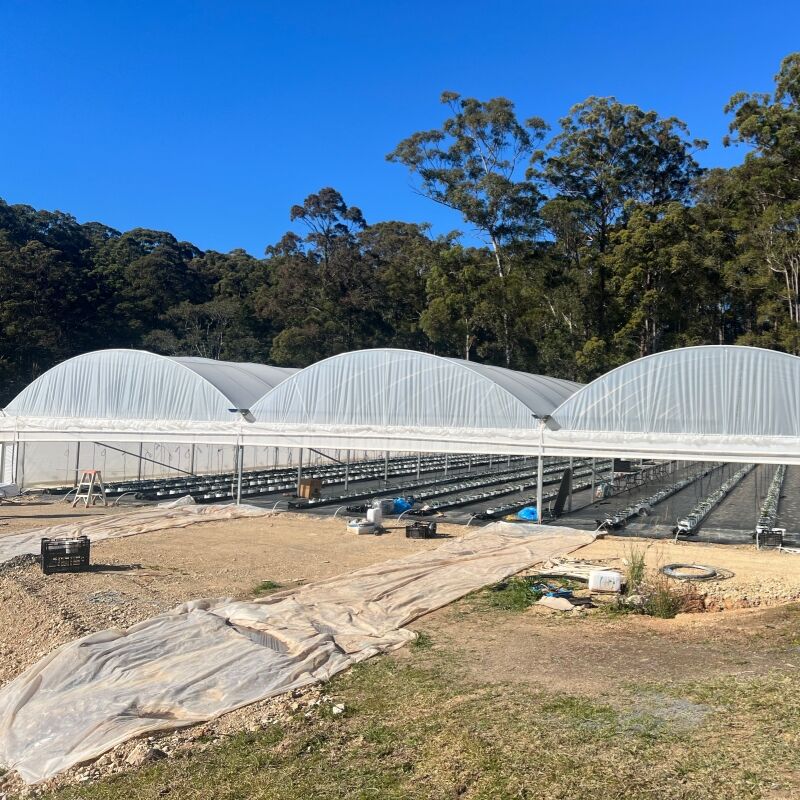
A solar greenhouse represents a revolutionary approach to year-round agricultural production, harnessing natural sunlight and thermal mass principles to create optimal growing conditions regardless of external weather patterns. Unlike traditional greenhouses that rely heavily on artificial heating systems, a solar greenhouse utilizes passive solar design elements to capture, store, and distribute heat efficiently throughout the growing space. This innovative agricultural structure enables farmers and gardeners to extend their growing seasons significantly, often allowing for continuous cultivation even in regions with harsh winter climates.
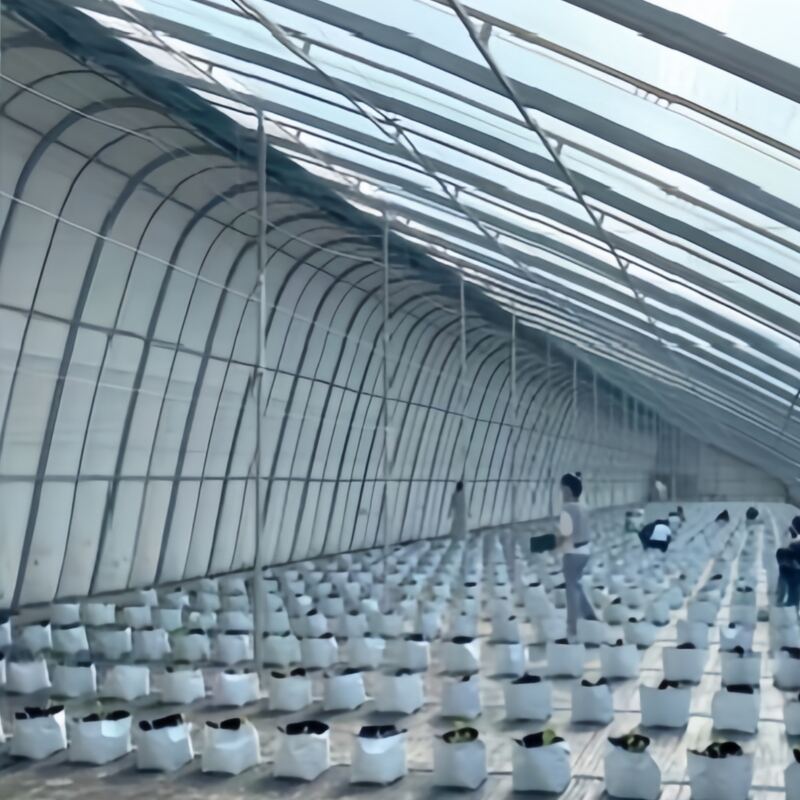
Fundamental Principles of Solar Greenhouse Design
Passive Solar Collection Systems
The cornerstone of any effective solar greenhouse lies in its ability to maximize solar energy capture during daylight hours. Strategic orientation typically involves positioning the primary glazing surface to face south, ensuring optimal sun exposure throughout the day. The glazing materials, whether traditional glass or advanced polycarbonate panels, must balance light transmission with insulation properties. Double or triple-wall glazing systems provide superior thermal retention while maintaining adequate light penetration for photosynthesis.
Thermal mass integration plays a crucial role in storing collected solar energy for nighttime release. Concrete floors, water barrels, stone walls, or specialized phase-change materials absorb heat during sunny periods and gradually release this stored energy as temperatures drop. This natural heat storage and release cycle creates a stable microclimate that supports continuous plant growth without external energy inputs.
Insulation and Heat Retention Strategies
Effective insulation systems distinguish a solar greenhouse from conventional structures by minimizing heat loss during cold periods. North-facing walls typically feature heavy insulation, often incorporating earth berming or underground construction techniques to leverage ground temperature stability. Movable insulation systems, such as automated thermal curtains or reflective blankets, provide additional temperature control during extreme weather conditions.
Air circulation systems within a solar greenhouse prevent temperature stratification and ensure uniform heat distribution throughout the growing space. Natural convection patterns, enhanced by strategically placed vents and fans, create continuous air movement that prevents cold spots and maintains consistent growing conditions for all plants within the structure.
Season Extension Mechanisms and Benefits
Temperature Regulation Throughout Winter Months
A well-designed solar greenhouse maintains growing temperatures even when external conditions drop below freezing. The thermal mass system absorbs solar radiation during winter days, often reaching temperatures of 70-80°F inside the structure while outside temperatures remain near or below freezing. This stored heat gradually releases overnight, typically maintaining internal temperatures 20-30°F warmer than exterior conditions without additional heating requirements.
Backup heating systems in solar greenhouse installations provide security during extended cloudy periods or extreme cold snaps. These secondary systems activate only when passive solar collection proves insufficient, significantly reducing overall energy consumption compared to conventional heated greenhouses. Smart temperature monitoring systems ensure optimal growing conditions while minimizing energy expenditure.
Extended Growing Seasons for Various Crops
Different crop categories respond uniquely to solar greenhouse environments, with cool-season vegetables often thriving throughout winter months in properly designed structures. Leafy greens, herbs, root vegetables, and brassicas continue producing fresh harvests when outdoor gardens lie dormant under snow. Warm-season crops benefit from earlier spring planting and extended fall harvests, effectively doubling productive growing periods in many climates.
Succession planting strategies become particularly effective within solar greenhouse systems, allowing continuous harvests throughout extended growing seasons. Multiple crop rotations per year increase overall productivity while providing fresh produce during traditional off-seasons. This extended production capability transforms food security dynamics for both commercial operations and home gardeners seeking year-round fresh vegetables.
Environmental and Economic Advantages
Sustainable Growing Practices
Solar greenhouse operations significantly reduce carbon footprints associated with food production by eliminating or minimizing fossil fuel heating requirements. The passive solar design approach aligns with sustainable agriculture principles while maintaining productive growing conditions throughout challenging seasons. Water conservation benefits emerge through controlled environment cultivation, reducing irrigation requirements and preventing water waste common in outdoor growing operations.
Integrated pest management becomes more effective within enclosed solar greenhouse environments, reducing pesticide applications while maintaining healthy crop production. Beneficial insect populations, companion planting strategies, and biological controls work synergistically within the protected growing space to maintain ecological balance without harmful chemical interventions.
Economic Benefits and Return on Investment
Initial investment costs for solar greenhouse construction typically generate positive returns through extended growing seasons and reduced operational expenses. Energy savings from eliminated or reduced heating costs compound annually, while increased crop yields from longer growing periods enhance overall profitability. Commercial operations often recover construction investments within three to five years through improved productivity and reduced utility expenses.
Market advantages emerge for producers utilizing solar greenhouse systems, particularly during off-season periods when fresh local produce commands premium prices. Direct marketing opportunities expand significantly when farmers can offer fresh vegetables throughout winter months, creating competitive advantages over conventional seasonal producers. Home gardeners realize substantial grocery savings through year-round fresh vegetable production.
Construction and Implementation Considerations
Site Selection and Orientation Requirements
Optimal solar greenhouse placement requires careful analysis of solar access throughout the year, ensuring minimal shading from buildings, trees, or topographical features. South-facing orientations provide maximum solar collection in northern hemispheres, while slight southeastern adjustments can capture additional morning sun in some locations. Site drainage, wind exposure, and proximity to utilities also influence placement decisions for successful solar greenhouse operations.
Ground preparation involves creating level foundations while incorporating thermal mass elements and proper drainage systems. Excavated floors often extend below frost lines to access stable ground temperatures year-round. Site-specific soil conditions determine foundation requirements and thermal mass placement strategies for optimal heat storage and distribution throughout the growing space.
Materials Selection and Design Optimization
Glazing material choices significantly impact solar greenhouse performance, with options ranging from traditional glass to advanced polycarbonate panels offering different benefits. Triple-wall polycarbonate provides excellent insulation while maintaining adequate light transmission, whereas tempered glass offers superior durability and light clarity. Frame materials must balance structural integrity with thermal bridging concerns to maintain energy efficiency.
Thermal mass material selection depends on local availability, budget constraints, and specific design requirements. Concrete slabs provide consistent thermal storage, while water containers offer adjustable thermal mass with seasonal flexibility. Stone or brick walls combine thermal mass functions with attractive aesthetics, particularly important for residential solar greenhouse installations integrated with existing landscaping.
Operational Management and Maintenance
Climate Control and Monitoring Systems
Successful solar greenhouse management requires understanding daily and seasonal temperature fluctuations to optimize growing conditions for specific crops. Automated ventilation systems prevent overheating during sunny winter days while maintaining warmth during cloudy periods. Digital monitoring systems track internal temperatures, humidity levels, and soil moisture to guide management decisions and ensure optimal growing conditions.
Seasonal adjustments to ventilation, shading, and thermal mass management optimize solar greenhouse performance throughout changing weather patterns. Winter operations focus on heat retention and maximum solar collection, while spring and fall require balancing solar gain with adequate ventilation to prevent overheating. Summer management often involves shading systems and increased ventilation to maintain comfortable growing temperatures.
Crop Selection and Rotation Strategies
Crop selection for solar greenhouse production emphasizes varieties adapted to controlled environment growing while maximizing space utilization and production efficiency. Cold-tolerant vegetables excel during winter months, while heat-loving crops thrive during shoulder seasons when passive solar heating provides optimal growing conditions. Vertical growing systems maximize production density while ensuring adequate light penetration throughout the growing space.
Rotation planning considers plant families, nutrient requirements, and growth habits to maintain soil health while maximizing continuous production. Succession planting schedules ensure consistent harvests while preventing production gaps common in seasonal outdoor growing. Companion planting strategies within the solar greenhouse environment enhance overall productivity while supporting integrated pest management approaches.
Advanced Solar Greenhouse Technologies
Automated Climate Control Systems
Modern solar greenhouse installations increasingly incorporate sophisticated automation systems that monitor and adjust environmental conditions based on real-time data and weather forecasts. Smart sensors track temperature, humidity, light levels, and soil moisture throughout the growing space, automatically triggering ventilation fans, shade systems, or supplemental heating when necessary. These systems optimize energy efficiency while maintaining ideal growing conditions for maximum crop productivity.
Integration with weather monitoring services enables predictive climate management, preparing solar greenhouse systems for incoming weather changes before they impact growing conditions. Automated systems can pre-charge thermal mass during sunny periods before cloudy weather arrives, or increase ventilation in advance of temperature spikes. This proactive approach maximizes the effectiveness of passive solar design elements while minimizing energy consumption.
Energy Storage and Backup Systems
Advanced solar greenhouse designs incorporate renewable energy storage systems that capture excess solar production for use during low-light periods. Battery systems charged by rooftop photovoltaic panels provide electricity for circulation fans, monitoring systems, and emergency heating when passive solar collection proves insufficient. These integrated renewable energy systems further reduce operational costs while maintaining reliable growing conditions.
Thermal energy storage technologies beyond traditional thermal mass include phase-change materials and underground thermal batteries that store larger quantities of heat for extended release periods. These advanced systems enable solar greenhouse operations in more challenging climates while maintaining energy independence and sustainable growing practices throughout extended growing seasons.
FAQ
What temperature ranges can a solar greenhouse maintain during winter
A properly designed solar greenhouse typically maintains internal temperatures 20-30°F warmer than outside conditions without auxiliary heating. During sunny winter days, internal temperatures often reach 70-80°F while exterior temperatures remain near freezing. Nighttime temperatures rarely drop below 35-40°F in well-insulated solar greenhouse structures, even when outside temperatures fall to 0°F or lower. Thermal mass systems store daytime heat and release it gradually overnight to prevent freezing and maintain growing conditions for cool-season crops.
How much does it cost to build a functional solar greenhouse
Solar greenhouse construction costs vary significantly based on size, materials, and complexity, typically ranging from $25-75 per square foot for DIY installations and $75-150 per square foot for professionally built structures. A basic 12x20 foot solar greenhouse might cost $6,000-18,000 to construct, while larger commercial installations can exceed $50,000 depending on automation systems and advanced features. Most solar greenhouse investments generate positive returns within 3-5 years through energy savings and increased crop production, making them economically viable for both commercial and residential applications.
Which crops grow best in solar greenhouse environments year-round
Cool-season vegetables excel in solar greenhouse environments during winter months, including lettuce, spinach, kale, arugula, radishes, carrots, and various herbs like cilantro and parsley. These crops thrive in the moderate temperatures maintained by passive solar heating systems throughout cold seasons. During warmer months, solar greenhouse structures can accommodate heat-loving plants like tomatoes, peppers, cucumbers, and eggplant with proper ventilation and shading systems to prevent overheating.
How long do solar greenhouse materials and systems typically last
Quality solar greenhouse materials provide decades of reliable service with proper maintenance, with polycarbonate glazing lasting 10-15 years and tempered glass potentially lasting 20-30 years or more. Structural frames constructed from aluminum or galvanized steel typically provide 20-25 years of service, while thermal mass elements like concrete floors or stone walls can last indefinitely. Automated systems including fans, sensors, and controls generally require replacement every 10-15 years, though regular maintenance extends equipment lifespan and ensures optimal solar greenhouse performance throughout extended growing seasons.