 EN
EN



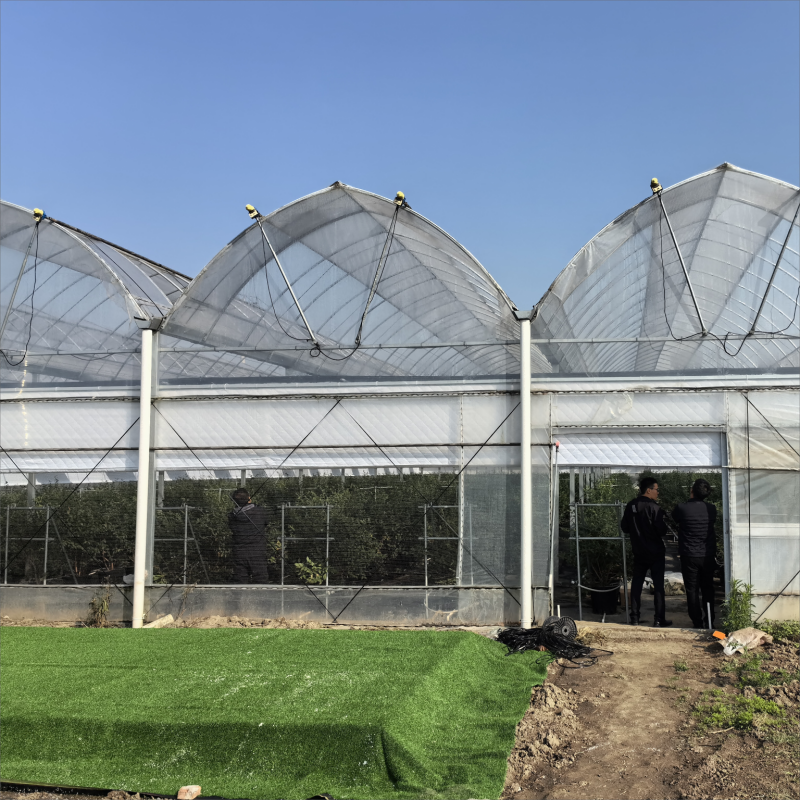
A gothic greenhouse represents a revolutionary approach to controlled environment agriculture, combining architectural elegance with exceptional growing performance. These distinctive structures, characterized by their pointed arch design and steep roof angles, have become increasingly popular among commercial growers and agricultural professionals seeking superior plant production capabilities. The unique gothic greenhouse configuration offers significant advantages over traditional greenhouse designs, including enhanced light transmission, improved structural stability, and optimized growing conditions that directly translate to healthier plants and increased yields.
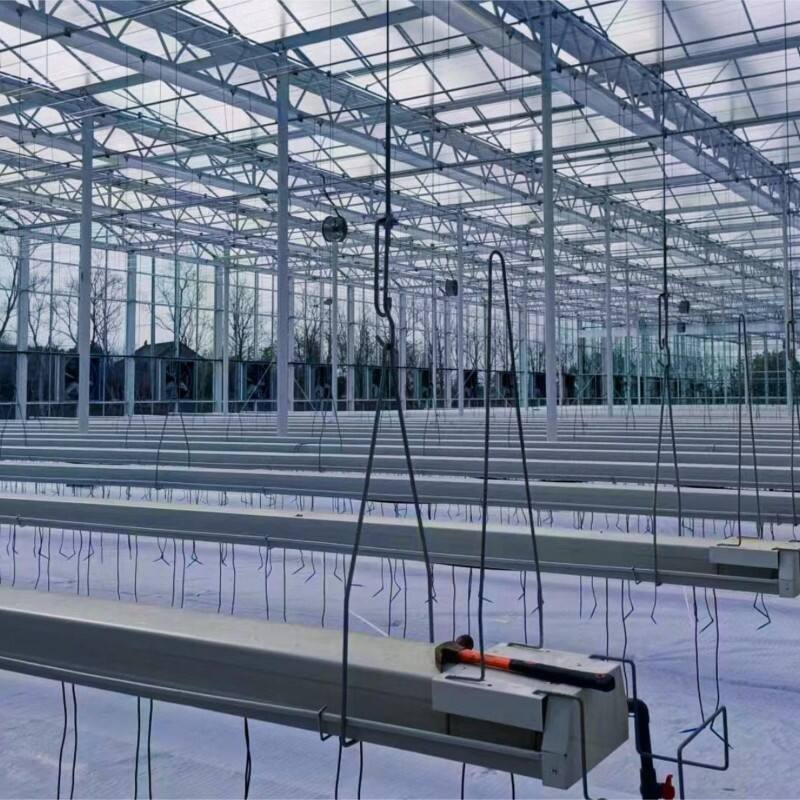
Architectural Advantages of Gothic Greenhouse Design
Enhanced Light Transmission Properties
The distinctive pointed arch structure of a gothic greenhouse maximizes light penetration throughout the growing space. This architectural feature allows sunlight to enter the structure at optimal angles during different times of the day and seasons. The steep roof design minimizes shadows cast by structural elements, ensuring that plants receive consistent illumination across the entire growing area. Research demonstrates that gothic greenhouse designs can achieve up to 15% better light transmission compared to traditional gable-style structures.
The curved glass panels of a gothic greenhouse create multiple light refraction points, distributing natural sunlight more evenly throughout the interior space. This uniform light distribution eliminates dark spots that commonly occur in conventional greenhouse designs. Plants grown under these improved lighting conditions exhibit stronger photosynthetic activity, leading to faster growth rates and improved overall plant health. The enhanced light transmission also reduces the need for supplemental artificial lighting, resulting in significant energy cost savings for commercial operations.
Superior Structural Integrity
The gothic greenhouse design provides exceptional structural strength through its innovative arch configuration. The pointed arch distributes weight and wind loads more effectively than flat or gently sloped roofs, creating a self-supporting structure that requires fewer internal support columns. This design feature maximizes usable growing space while maintaining structural integrity even under extreme weather conditions. The absence of interior support beams also facilitates easier equipment movement and improved air circulation patterns.
Engineering analysis shows that a gothic greenhouse can withstand higher snow loads and wind pressures compared to traditional designs. The aerodynamic shape reduces wind resistance and prevents the accumulation of debris or snow on the roof surface. This enhanced structural stability translates to lower maintenance requirements and extended facility lifespan, providing excellent long-term value for agricultural investments. The robust construction also ensures consistent environmental control throughout varying external conditions.
Climate Control Benefits
Improved Air Circulation Systems
The tall, pointed design of a gothic greenhouse creates natural convection currents that promote excellent air movement throughout the growing space. Hot air naturally rises to the peak of the structure, where it can be efficiently ventilated through ridge vents, while cooler air enters through sidewall openings. This natural airflow pattern reduces the formation of stagnant air pockets that can harbor plant diseases and create uneven growing conditions. The enhanced air circulation also helps maintain consistent temperature and humidity levels across different areas of the facility.
Modern gothic greenhouse installations incorporate sophisticated ventilation systems that work in harmony with the natural airflow patterns created by the architectural design. Automated vent controls respond to internal temperature and humidity sensors, adjusting opening positions to maintain optimal growing conditions. The improved air circulation reduces the risk of fungal diseases and pest infestations that thrive in stagnant environments. Plants benefit from consistent fresh air exchange, which supports healthy transpiration and nutrient uptake processes.
Enhanced Temperature Regulation
The volume of air space created by the gothic greenhouse design provides superior thermal mass for temperature regulation. The larger air volume buffers against rapid temperature fluctuations, creating a more stable growing environment that plants prefer. During hot summer days, the tall ceiling allows hot air to stratify at the top of the structure, keeping the plant canopy zone cooler and more comfortable. In winter, the thermal mass helps retain heat more efficiently, reducing heating costs and energy consumption.
Advanced climate control systems integrated into gothic greenhouse facilities provide precise temperature management capabilities. Heating and cooling systems can be strategically positioned to take advantage of the natural airflow patterns, improving energy efficiency and temperature uniformity. The stable thermal environment supports consistent plant growth throughout the production cycle, leading to more predictable harvests and higher quality crops.
Growing Performance Improvements
Maximized Growing Space Utilization
The gothic greenhouse design provides exceptional vertical growing space that can accommodate tall crops and multi-tier growing systems. The high ceiling height allows for the installation of hanging basket systems, vertical growing towers, and elevated plant support structures without compromising headroom for equipment and worker access. This vertical space utilization dramatically increases the productive capacity per square foot of ground area, making gothic greenhouse operations highly efficient and profitable.
Commercial growers utilizing gothic greenhouse facilities report significant increases in crop yields per unit area compared to traditional greenhouse designs. The additional height accommodates natural plant growth patterns without the need for constant pruning or training to fit space constraints. Vine crops such as tomatoes, cucumbers, and peppers can grow to their full potential, resulting in higher individual plant productivity and overall facility output. The spacious interior also facilitates easier crop maintenance and harvesting operations.
Optimal Plant Health Conditions
Plants grown in a gothic greenhouse environment experience reduced stress levels due to the superior growing conditions provided by the design. The consistent light distribution, stable temperatures, and excellent air circulation create an ideal microclimate that supports optimal plant metabolism and growth processes. Reduced environmental stress leads to stronger plant immunity and decreased susceptibility to diseases and pest problems that commonly affect greenhouse crops.
The improved growing conditions in a gothic greenhouse facility result in higher quality produce with better appearance, flavor, and nutritional content. Plants develop stronger root systems and more robust stems when grown under these optimal conditions. The consistent environment also allows for more precise nutrient management and irrigation scheduling, further enhancing plant health and productivity. Many growers report improved crop uniformity and reduced waste when transitioning to gothic greenhouse production systems.
Economic and Operational Benefits
Energy Efficiency Advantages
The gothic greenhouse design delivers significant energy savings through its inherent thermal efficiency and natural lighting properties. The structure's ability to maintain stable temperatures reduces heating and cooling loads throughout the year, resulting in lower utility costs and improved profitability. The enhanced light transmission reduces the need for supplemental lighting, which can represent a major operational expense in conventional greenhouse operations. These energy savings accumulate over time, providing substantial cost advantages for commercial growers.
Modern gothic greenhouse installations often incorporate renewable energy systems such as solar panels and geothermal heating that complement the structure's energy-efficient design. The large roof area provides excellent mounting surface for photovoltaic arrays, while the thermal mass helps store and distribute renewable energy more effectively. Many facilities achieve net-positive energy production during peak growing seasons, further improving their economic performance and environmental sustainability.
Reduced Maintenance Requirements
The robust construction and aerodynamic design of a gothic greenhouse minimize maintenance requirements compared to traditional greenhouse structures. The steep roof angles prevent the accumulation of debris, snow, and ice that can damage conventional greenhouse roofing systems. The self-cleaning properties of the curved glass surfaces reduce the frequency of manual cleaning operations, while the strong structural framework requires less frequent repairs and adjustments.
Long-term operational costs are significantly reduced in gothic greenhouse facilities due to their durability and low maintenance requirements. The quality construction materials and superior design engineering result in extended facility lifespans that provide excellent return on investment. Many gothic greenhouse installations continue operating efficiently for decades with minimal structural maintenance, making them an excellent choice for sustainable agricultural operations. The reduced downtime for maintenance and repairs also improves overall facility productivity and profitability.
Technology Integration Capabilities
Advanced Automation Systems
Modern gothic greenhouse facilities provide excellent platforms for implementing cutting-edge automation technologies that optimize growing operations. The spacious interior design accommodates robotic systems for planting, harvesting, and crop monitoring without interference from structural obstacles. Automated irrigation and fertilization systems can be efficiently distributed throughout the facility, taking advantage of the natural airflow patterns for even distribution. The integration of these technologies significantly reduces labor requirements while improving crop consistency and quality.
Climate control automation systems work particularly well in gothic greenhouse environments due to the predictable airflow patterns and thermal characteristics of the design. Sensors placed throughout the facility provide comprehensive environmental monitoring that enables precise control of temperature, humidity, and ventilation systems. The stable growing environment created by the gothic greenhouse design allows automation systems to operate more efficiently and accurately, resulting in improved crop outcomes and reduced resource consumption.
Precision Agriculture Applications
The controlled environment of a gothic greenhouse provides an ideal setting for implementing precision agriculture techniques that maximize crop productivity and quality. Advanced sensor networks can monitor individual plant health, soil conditions, and environmental parameters in real-time, enabling data-driven decision making for optimal resource allocation. The consistent growing conditions allow for precise experimentation and optimization of growing protocols that can be reliably replicated across multiple production cycles.
Data analytics and machine learning applications thrive in the controlled environment of a gothic greenhouse facility. The consistent baseline conditions created by the design allow for accurate measurement of the impacts of various growing techniques and input adjustments. This data-driven approach enables continuous improvement in crop yields, quality, and resource efficiency, providing competitive advantages for commercial growers operating in increasingly demanding markets.
FAQ
What crops grow best in a gothic greenhouse?
A gothic greenhouse is particularly well-suited for tall-growing crops such as tomatoes, cucumbers, peppers, and vine crops that benefit from the increased headroom and vertical growing space. The enhanced light transmission also makes it ideal for leafy greens, herbs, and flowering plants that require consistent illumination. Many commercial operations successfully grow strawberries, lettuce, and specialty crops in gothic greenhouse facilities, taking advantage of the superior growing conditions and climate control capabilities.
How much does a gothic greenhouse cost compared to traditional designs?
While the initial investment for a gothic greenhouse may be 10-20% higher than conventional designs, the long-term economic benefits typically justify the additional cost. The energy savings, increased yields, and reduced maintenance requirements often result in a payback period of 3-5 years for commercial operations. The extended lifespan and superior performance of gothic greenhouse facilities provide excellent return on investment over their operational lifetime, making them cost-effective choices for serious growers.
What maintenance is required for gothic greenhouse structures?
Gothic greenhouse structures require minimal maintenance due to their robust design and self-cleaning properties. Regular inspections of ventilation systems, heating equipment, and structural components are recommended, typically on a seasonal basis. The steep roof angles prevent debris accumulation, reducing cleaning requirements compared to traditional greenhouse designs. Most maintenance tasks involve routine equipment servicing rather than structural repairs, keeping operational costs low throughout the facility's lifespan.
Can existing greenhouses be converted to gothic design?
Converting existing greenhouse structures to gothic design is typically not feasible due to the fundamental architectural differences and structural requirements. The pointed arch design and specialized framework of a gothic greenhouse require complete reconstruction rather than modification of existing structures. However, many growers choose to expand their operations with new gothic greenhouse facilities while maintaining existing structures for different crops or production phases, allowing them to gradually transition to the superior growing environment provided by the gothic design.