 EN
EN



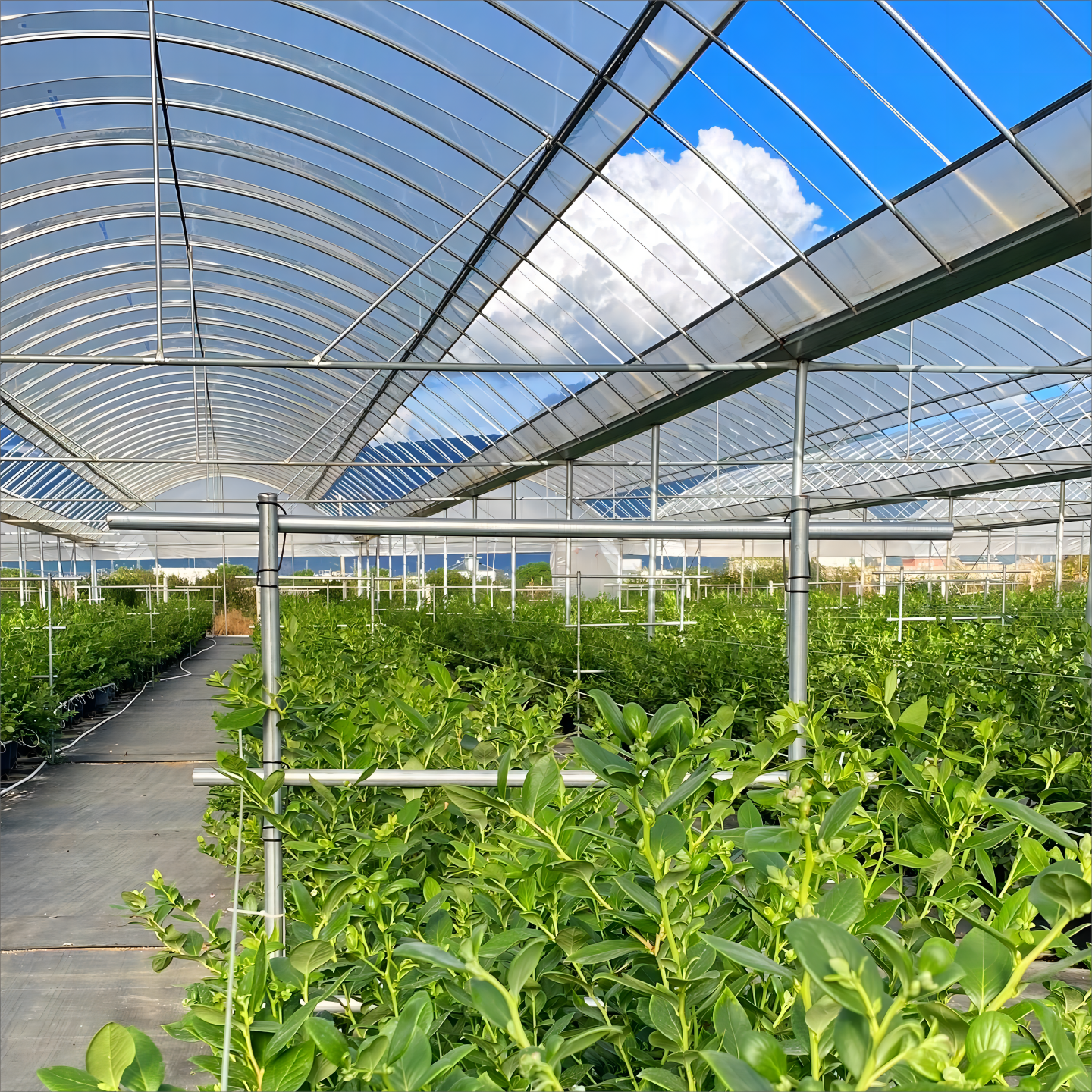
A tunnel greenhouse represents one of the most efficient and cost-effective solutions for year-round plant protection in modern agriculture. This innovative growing structure combines simplicity with functionality, creating an optimal microenvironment that shields crops from harsh weather conditions while extending growing seasons significantly. The tunnel greenhouse design has revolutionized how farmers and gardeners approach cultivation, offering reliable protection against temperature fluctuations, precipitation, and environmental stresses that typically limit outdoor growing potential.
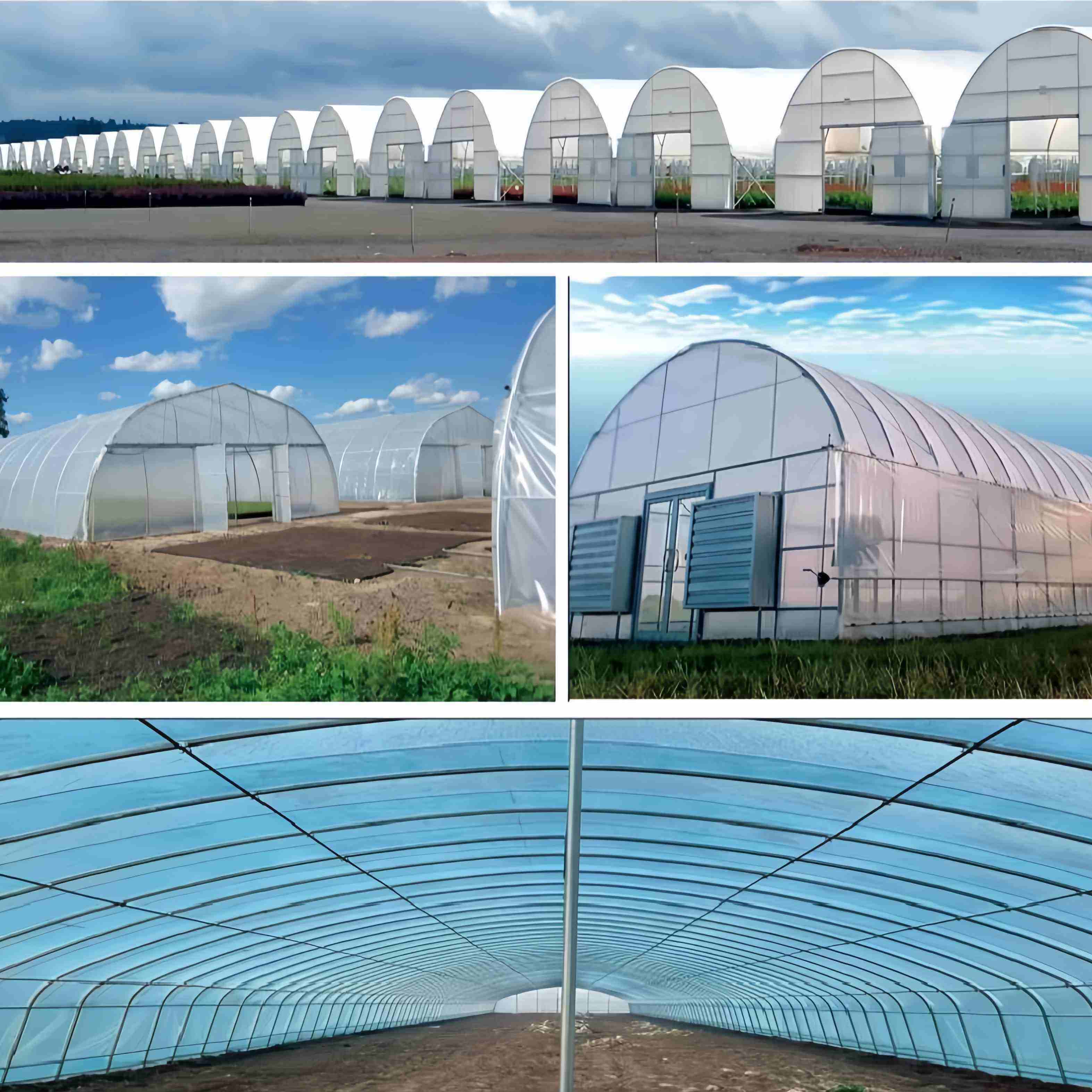
The effectiveness of a tunnel greenhouse stems from its ability to create and maintain controlled growing conditions throughout different seasons. Unlike traditional outdoor cultivation methods, this protective structure enables continuous production cycles, maximizing agricultural output while minimizing losses from unpredictable weather events. Understanding the comprehensive protection mechanisms of a tunnel greenhouse helps growers make informed decisions about implementing these systems for their specific agricultural needs.
Temperature Regulation and Climate Control
Heat Retention During Cold Seasons
The primary protective function of a tunnel greenhouse involves maintaining stable internal temperatures during cold weather periods. The covering material, typically made from polyethylene or polycarbonate panels, creates an insulating barrier that traps solar heat during daylight hours. This greenhouse effect allows the tunnel greenhouse to maintain temperatures several degrees warmer than external conditions, protecting plants from frost damage and extending growing seasons well into winter months.
Advanced tunnel greenhouse designs incorporate thermal mass systems, such as water barrels or concrete floors, which absorb heat during the day and release it gradually during nighttime hours. This natural temperature buffering system reduces the risk of sudden temperature drops that can stress or damage sensitive plants. The curved structure of the tunnel greenhouse also promotes efficient air circulation patterns, distributing warm air evenly throughout the growing space.
Cooling and Ventilation Systems
During warmer months, a properly designed tunnel greenhouse prevents overheating through strategic ventilation systems. Roll-up sides, roof vents, and end-wall louvers allow hot air to escape while drawing in cooler external air, maintaining optimal growing temperatures. Many modern tunnel greenhouse installations include automated ventilation controls that respond to temperature sensors, ensuring consistent climate management without constant manual intervention.
The ventilation system in a tunnel greenhouse creates beneficial air movement that strengthens plant stems and reduces humidity levels around foliage. This air circulation helps prevent fungal diseases that thrive in stagnant, humid conditions. Additionally, proper airflow ensures adequate carbon dioxide distribution, supporting enhanced photosynthesis and robust plant growth throughout the growing season.
Weather Protection and Structural Defense
Wind and Storm Resistance
The aerodynamic design of a tunnel greenhouse provides excellent resistance to wind loading and storm conditions. The curved roof profile allows wind to flow smoothly over the structure, reducing uplift forces and preventing damage from strong gusts. High-quality tunnel greenhouse frames, constructed from galvanized steel or aluminum, offer exceptional strength-to-weight ratios that withstand severe weather events while maintaining structural integrity.
Proper foundation systems and anchoring methods ensure that a tunnel greenhouse remains stable during extreme weather conditions. Ground anchors, concrete footings, or ballast systems provide the necessary stability to resist wind uplift and lateral forces. The flexible nature of polyethylene coverings allows them to flex with wind pressure rather than tearing, maintaining protection while absorbing dynamic loads.
Precipitation and Moisture Management
A tunnel greenhouse effectively shields plants from excessive rainfall, hail, and snow accumulation that can damage crops or create waterlogged soil conditions. The sloped roof design promotes rapid water runoff, preventing ponding and reducing structural stress from accumulated precipitation. This controlled moisture environment allows growers to manage irrigation precisely, delivering water directly to plant root zones through drip systems or micro-sprinklers.
The moisture control capabilities of a tunnel greenhouse extend beyond precipitation management to include humidity regulation. Condensation management systems, including proper ventilation and anti-drip coverings, prevent excess moisture from dripping onto plants and creating favorable conditions for disease development. This controlled environment enables optimal plant health while reducing the need for fungicide applications and disease management interventions.
Pest and Disease Prevention
Physical Barrier Protection
The enclosed environment of a tunnel greenhouse creates an effective physical barrier against many common agricultural pests, including flying insects, birds, and small mammals. Fine mesh screens installed in ventilation openings allow airflow while excluding pests that can transmit diseases or cause direct crop damage. This integrated pest management approach reduces reliance on chemical pesticides while maintaining healthy growing conditions.
Specialized insect netting and exclusion fabrics can be incorporated into tunnel greenhouse designs to target specific pest problems. These materials allow light and air penetration while blocking particular pest species based on mesh size and material properties. The controlled access points of a tunnel greenhouse enable systematic monitoring and management of any pest issues that do arise within the protected environment.
Disease Prevention Strategies
The controlled environment within a tunnel greenhouse significantly reduces disease pressure by eliminating many environmental factors that promote pathogen development. Consistent airflow patterns prevent moisture accumulation on plant surfaces, while controlled irrigation systems deliver water directly to root zones without wetting foliage. These conditions minimize the humid, stagnant environments that fungal and bacterial pathogens require for establishment and spread.
Regular sanitation practices within the tunnel greenhouse environment help prevent disease introduction and transmission between growing cycles. The enclosed nature of these structures allows for systematic cleaning and disinfection procedures that would be impossible in open-field situations. Additionally, the ability to control plant spacing and airflow within a tunnel greenhouse enables optimal growing conditions that promote plant health and natural disease resistance.
Growing Season Extension and Production Benefits
Early Spring and Late Fall Production
A tunnel greenhouse enables significant extension of growing seasons by providing protection during shoulder seasons when outdoor temperatures become limiting factors. Early spring plantings can begin weeks ahead of traditional outdoor schedules, while fall harvests continue well past the first frost dates. This extended production window allows growers to access premium market prices for fresh produce during periods of limited supply.
The thermal protection offered by a tunnel greenhouse creates microclimates suitable for cool-season crops during transitional periods. Lettuce, spinach, radishes, and other cold-tolerant vegetables continue producing high-quality yields throughout winter months in properly managed tunnel greenhouse environments. This capability transforms seasonal operations into year-round production systems that maximize land utilization and revenue generation potential.
Crop Quality and Yield Enhancement
The controlled environment within a tunnel greenhouse typically results in superior crop quality compared to field-grown alternatives. Protection from weather extremes reduces plant stress, leading to more uniform growth patterns, enhanced color development, and improved shelf life characteristics. The consistent growing conditions enable precise nutrient management and irrigation scheduling that optimizes plant health and productivity.
Yield improvements in tunnel greenhouse systems often exceed 200-300% compared to outdoor production, depending on crop types and environmental conditions. The combination of extended growing seasons, improved plant health, and optimized growing conditions creates substantial productivity gains that justify the initial investment in tunnel greenhouse infrastructure. These yield advantages become particularly pronounced in challenging climate zones where outdoor production faces significant limitations.
Economic Advantages and Investment Returns
Cost-Effective Protection Solutions
The tunnel greenhouse represents one of the most economical forms of protected cultivation, offering substantial benefits at a fraction of the cost associated with traditional glass greenhouses. The relatively simple construction and material requirements make tunnel greenhouse systems accessible to small-scale producers and beginning farmers who need effective crop protection without major capital investments. Payback periods for tunnel greenhouse installations typically range from one to three growing seasons, depending on crop values and production improvements.
Operational costs within a tunnel greenhouse remain minimal due to passive climate control systems and reduced input requirements. Lower heating costs, decreased pesticide needs, and reduced crop losses translate to improved profit margins across multiple growing cycles. The durability of modern tunnel greenhouse materials ensures long-term value, with properly maintained structures providing decades of reliable service and protection.
Market Access and Premium Pricing
The ability to produce consistent, high-quality crops year-round through tunnel greenhouse cultivation opens access to premium market segments and direct-to-consumer sales opportunities. Fresh produce availability during off-season periods commands significantly higher prices, while the improved quality characteristics of protected crops appeal to discerning customers willing to pay premium prices for superior products.
Local food markets particularly value the reliability and consistency that tunnel greenhouse production provides. The ability to guarantee supply volumes and delivery schedules regardless of weather conditions creates competitive advantages in wholesale markets and contract growing arrangements. These market benefits compound the production advantages of tunnel greenhouse systems, creating comprehensive business improvements that extend far beyond simple crop protection.
FAQ
What crops grow best in a tunnel greenhouse environment
Most vegetable crops thrive in tunnel greenhouse conditions, particularly leafy greens, tomatoes, peppers, cucumbers, and herbs. Cool-season crops like lettuce and spinach perform exceptionally well during winter months, while warm-season vegetables benefit from extended growing periods and protection from temperature extremes. The controlled environment allows for succession planting and continuous harvests throughout the year.
How long does a tunnel greenhouse typically last
A well-constructed tunnel greenhouse with quality materials typically provides 15-20 years of reliable service with proper maintenance. The covering material may require replacement every 4-6 years depending on UV exposure and weather conditions, while the structural frame can last decades with appropriate care. Regular maintenance and prompt repairs ensure maximum lifespan and continued protection effectiveness.
What maintenance requirements does a tunnel greenhouse have
Regular maintenance includes inspecting and cleaning the covering material, checking ventilation systems, monitoring structural integrity, and ensuring proper drainage around the foundation. Seasonal tasks involve removing snow loads, replacing worn hardware, and updating covering materials as needed. Proper maintenance schedules prevent minor issues from becoming major problems and extend the operational life of the tunnel greenhouse system.
How much does it cost to install a tunnel greenhouse
Installation costs for a tunnel greenhouse vary significantly based on size, materials, and site preparation requirements, typically ranging from $3-15 per square foot for basic systems. Factors affecting cost include foundation requirements, covering material quality, ventilation systems, and local labor rates. The investment typically pays for itself within 1-3 growing seasons through increased yields and extended production periods.