 EN
EN



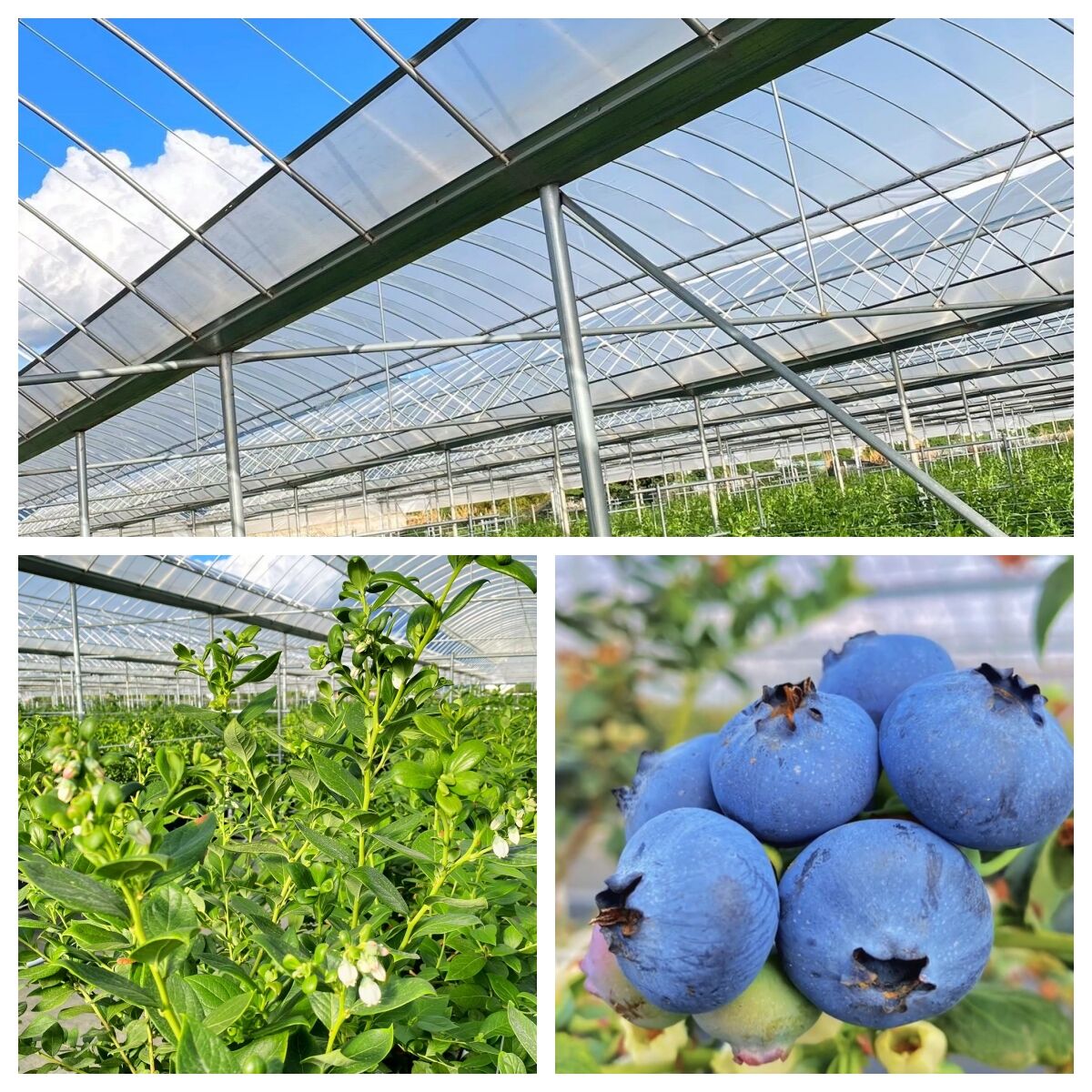
Modern agricultural practices have evolved significantly, with greenhouse structures playing a pivotal role in maximizing crop yields and extending growing seasons. Among the various greenhouse options available, the film multi span greenhouse has emerged as a superior choice for commercial growers and agricultural enterprises. These innovative structures combine advanced engineering with cost-effective materials to deliver exceptional performance across diverse climate conditions. Unlike traditional glass greenhouses, film multi span greenhouse systems offer enhanced flexibility, improved energy efficiency, and reduced construction costs while maintaining optimal growing environments for a wide range of crops.
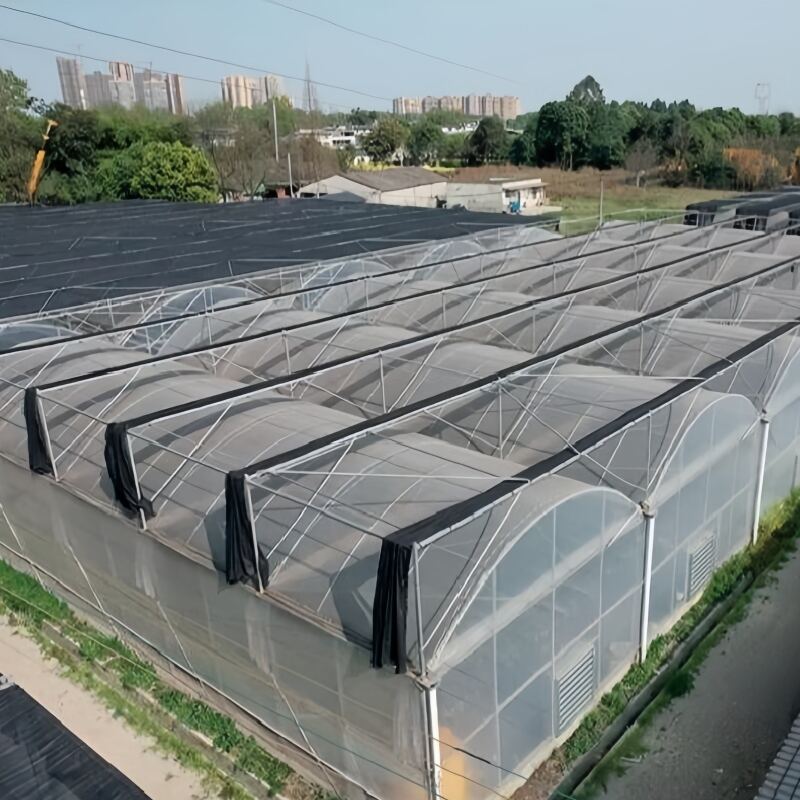
Superior Light Transmission and Environmental Control
Advanced Polymer Film Technology
The success of any film multi span greenhouse begins with the quality of its covering material. Modern polyethylene films incorporate sophisticated additives that enhance light transmission while filtering harmful ultraviolet radiation. These specialized films achieve light transmission rates of up to 95%, surpassing traditional glass panels in many applications. The polymer composition allows for precise control over light diffusion, creating uniform growing conditions throughout the greenhouse interior.
Contemporary film materials also feature anti-condensate properties that prevent water droplets from forming on the interior surface. This characteristic eliminates the light-blocking effect of condensation while reducing the risk of fungal diseases that thrive in high-humidity environments. The improved light quality and distribution contribute significantly to enhanced photosynthesis rates and accelerated plant growth cycles.
Climate Optimization Capabilities
Temperature regulation represents another critical advantage of film multi span greenhouse designs. The thermal properties of advanced films provide excellent insulation during cold periods while allowing for effective heat dissipation during warmer months. Multi-layer film systems create insulating air gaps that reduce heating costs by up to 40% compared to single-layer glass structures.
Humidity control becomes more manageable with film covering systems due to their inherent ventilation characteristics. The flexibility of film materials allows for the integration of sophisticated ventilation systems that maintain optimal moisture levels throughout the growing season. This precise environmental control creates ideal conditions for maximum crop productivity and quality.
Cost-Effectiveness and Economic Advantages
Initial Investment Considerations
The economic benefits of choosing a film multi span greenhouse become apparent from the initial construction phase. Installation costs typically range from 30% to 50% lower than comparable glass greenhouse systems, making advanced growing technology accessible to a broader range of agricultural operations. The lightweight nature of film materials reduces structural requirements and foundation costs significantly.
Labor expenses during construction remain minimal due to the straightforward installation process. Film covering can be installed quickly by small teams, reducing project timelines and associated labor costs. This efficiency translates into faster return on investment and earlier revenue generation from crop production activities.
Operational Cost Benefits
Long-term operational savings represent a compelling advantage of film multi span greenhouse systems. Energy consumption for heating and cooling decreases substantially due to superior thermal properties and efficient ventilation capabilities. The reduced weight of film materials also minimizes structural stress, leading to lower maintenance requirements and extended equipment lifespan.
Replacement costs remain manageable since film materials typically require renewal every 4-6 years, compared to potential glass replacement expenses following weather damage or thermal stress failures. The predictable replacement schedule allows for better budget planning and maintenance cost management.
Structural Versatility and Adaptability
Design Flexibility Options
Film multi span greenhouse structures offer exceptional design versatility that accommodates diverse agricultural applications. The lightweight covering material permits larger span widths without requiring intermediate support columns, maximizing usable growing space and improving operational efficiency. Custom configurations can be developed to suit specific crop requirements and site conditions.
Modular expansion capabilities represent another significant advantage for growing operations. Additional spans can be added seamlessly to existing film multi span greenhouse facilities as production needs increase. This scalability ensures that initial investments remain productive while providing flexibility for future growth and market expansion.
Site Adaptation Capabilities
The adaptability of film greenhouse systems extends to challenging site conditions where glass structures might prove impractical. Uneven terrain, limited access areas, and regions prone to seismic activity benefit from the inherent flexibility of film multi span greenhouse construction. The reduced weight and structural demands allow for installation in locations previously considered unsuitable for protected cultivation.
Wind resistance characteristics of film materials surpass rigid glass panels in many applications. The flexible nature of films allows them to accommodate wind loads without catastrophic failure, providing greater security for crop investments in areas subject to severe weather conditions.
Maintenance Requirements and Longevity
Routine Maintenance Protocols
Maintaining a film multi span greenhouse requires systematic attention to specific components and regular inspection schedules. The covering material should be examined monthly for signs of wear, UV degradation, or mechanical damage that could compromise performance. Cleaning protocols involve gentle washing with appropriate detergents to maintain optimal light transmission levels.
Structural components require periodic inspection to ensure proper tension and alignment of film materials. Ventilation systems need regular servicing to maintain efficient air circulation and temperature control. These maintenance activities typically require fewer specialized skills and tools compared to glass greenhouse upkeep.
Longevity and Replacement Cycles
Modern film materials demonstrate impressive longevity when properly maintained and installed according to manufacturer specifications. Quality polyethylene films with UV stabilizers typically maintain structural integrity and optical properties for 4-6 years under normal growing conditions. This predictable lifespan allows for strategic replacement planning and budget allocation.
The replacement process for film multi span greenhouse covering remains straightforward and cost-effective. Specialized installation crews can complete film replacement projects quickly, minimizing production disruption and crop exposure to adverse weather conditions. This efficiency contributes to overall operational reliability and reduced downtime costs.
Environmental Impact and Sustainability
Resource Conservation Benefits
Film multi span greenhouse systems contribute significantly to sustainable agricultural practices through reduced resource consumption and environmental impact. The manufacturing process for polyethylene films requires substantially less energy compared to glass production, resulting in lower carbon footprints for greenhouse construction projects.
Water conservation represents another important environmental benefit of film greenhouse operations. The controlled environment reduces evapotranspiration rates and eliminates water loss from rainfall runoff. Advanced irrigation systems integrated with film multi span greenhouse structures achieve water use efficiencies exceeding 90%, supporting sustainable water management practices.
Recyclability and Waste Reduction
End-of-life considerations for film materials include comprehensive recycling programs that convert used greenhouse films into new plastic products. Many manufacturers now offer take-back programs that ensure responsible disposal and recycling of worn film materials. This circular economy approach minimizes waste generation and supports environmental stewardship goals.
The reduced material volume required for film multi span greenhouse construction compared to glass alternatives contributes to lower overall environmental impact. Transportation costs and associated emissions decrease significantly due to the lightweight nature of film materials and compact packaging capabilities.
FAQ
How long does film covering last in greenhouse applications
High-quality polyethylene films designed for film multi span greenhouse applications typically maintain optimal performance for 4-6 years when properly installed and maintained. Factors affecting lifespan include UV exposure levels, temperature fluctuations, wind conditions, and maintenance practices. Premium films with advanced UV stabilizers and anti-aging additives may achieve longer service lives in favorable conditions.
What maintenance is required for film greenhouse structures
Regular maintenance for film multi span greenhouse systems includes monthly visual inspections of covering materials, quarterly cleaning of film surfaces to maintain light transmission, and annual checks of structural components and tensioning systems. Ventilation equipment requires periodic servicing, and damaged film sections should be repaired promptly to prevent further deterioration. Overall maintenance requirements remain significantly lower than glass greenhouse systems.
How do film greenhouses perform in extreme weather conditions
Film multi span greenhouse structures demonstrate excellent resilience in challenging weather conditions due to their flexible design characteristics. The covering material can accommodate wind loads and thermal expansion without brittle failure, while proper anchoring systems ensure structural stability. Snow loads are distributed effectively across the curved profile, and the lightweight construction reduces seismic vulnerability compared to heavier glass alternatives.
What crops are best suited for film greenhouse production
Film multi span greenhouse environments support successful cultivation of a wide variety of crops including vegetables, herbs, flowers, and specialty plants. Tomatoes, cucumbers, peppers, lettuce, and strawberries perform exceptionally well in controlled film greenhouse conditions. The uniform light distribution and precise climate control capabilities make these structures ideal for high-value crops requiring consistent growing conditions throughout the production cycle.