 EN
EN

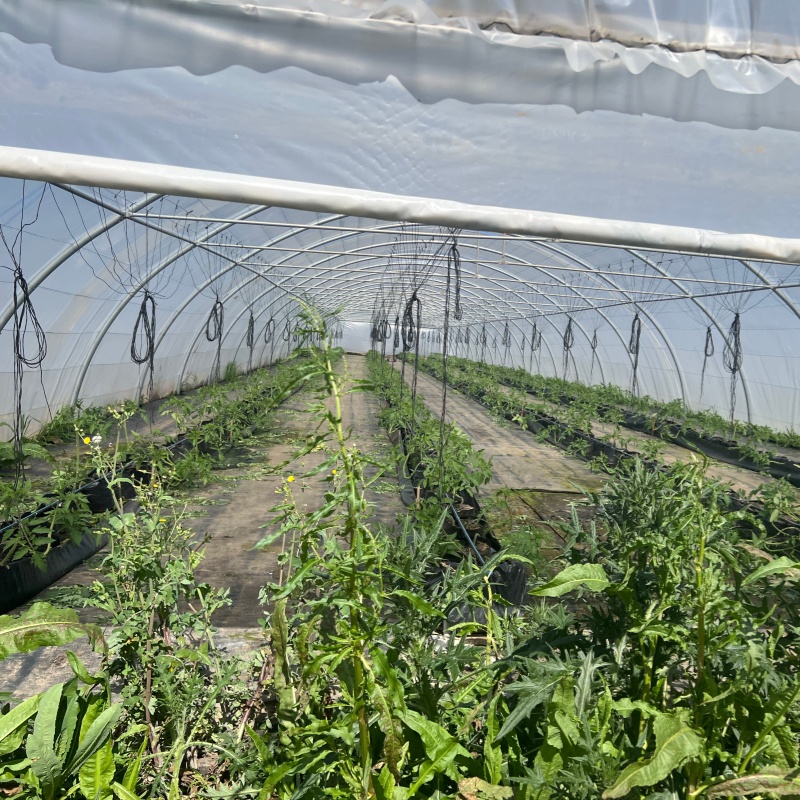
The structure and materials of a film greenhouse directly influence plant development, yield quality, and growing season length. Understanding how film greenhouse design impacts plant growth is essential for commercial growers, research facilities, and agricultural operations seeking to optimize production efficiency. A well-designed film greenhouse creates an environment where light penetration, temperature regulation, humidity control, and air circulation work together to support healthy plant development from seedling to harvest.
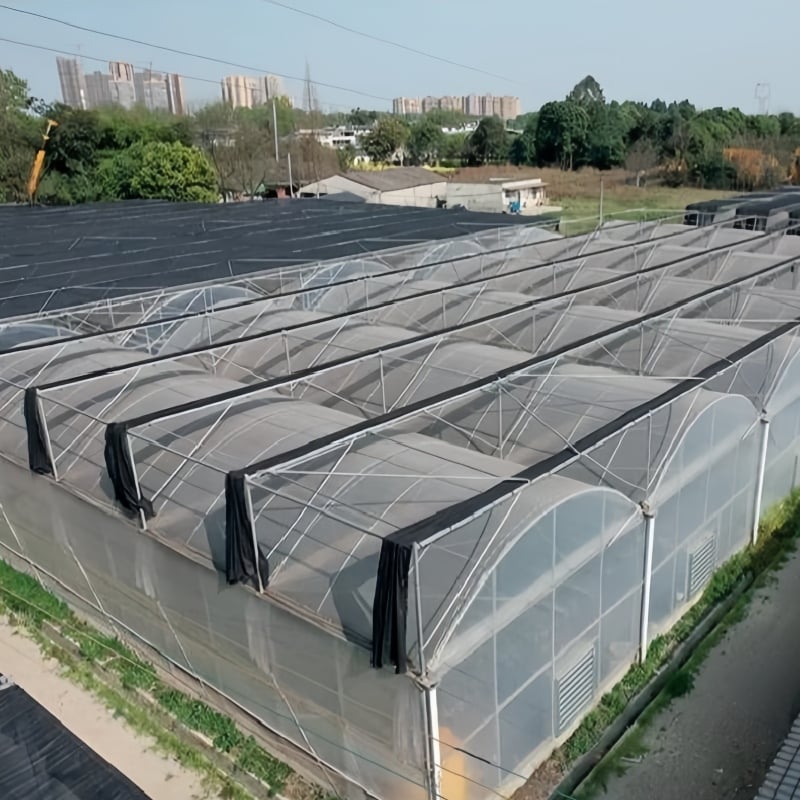
The film greenhouse design determines how solar radiation reaches plants, how thermal energy is retained or dissipated, and how environmental stressors are managed. Growers who invest in optimized film greenhouse layouts experience measurable improvements in crop uniformity, reduced disease incidence, extended growing periods, and enhanced market quality. This article explores the critical design elements that make film greenhouse environments so effective for plant growth acceleration and consistent crop performance.
Light Transmission and Spectral Quality
Impact of Film Material on Light Availability
The film used in a film greenhouse acts as the primary filter for incoming solar radiation. Different film greenhouse materials transmit varying percentages of photosynthetically active radiation, directly affecting photosynthesis rates and plant biomass accumulation. High-clarity polyethylene and specialized greenhouse films can transmit 85–95 percent of available sunlight, while older or degraded films may reduce light availability to 70 percent or lower. This reduction in light penetration within a film greenhouse environment slows photosynthetic output, delays flowering, reduces yield potential, and compromises fruit or vegetable quality.
A film greenhouse with optimized light transmission allows plants to accumulate carbohydrates more efficiently, supporting stronger root systems and faster canopy development. Anti-diffuse and light-diffusing films used in film greenhouse construction can improve light distribution to lower leaf layers, reducing dead zones within the canopy and promoting more uniform growth throughout the crop. Growers operating a film greenhouse benefit from understanding how seasonal sun angle, film degradation, and dust accumulation reduce light availability, necessitating regular film cleaning and replacement schedules to maintain consistent growth performance.
Spectral Light Quality and Plant Development
The spectral composition of light reaching plants within a film greenhouse influences morphological development, including stem elongation, leaf shape, and reproductive timing. A film greenhouse that effectively transmits blue and red wavelengths supports compact, sturdy plant growth with enhanced flowering and fruiting responses. Certain film greenhouse materials incorporate UV-blocking additives that screen harmful ultraviolet radiation while maintaining beneficial wavelength transmission. This balanced spectral environment in a well-designed film greenhouse promotes natural circadian rhythms, strengthens plant immune responses, and reduces susceptibility to fungal and viral diseases that compromise yield quality.
Thermal Management and Climate Stability
Heat Retention and Temperature Regulation
A film greenhouse structure traps solar heat through the greenhouse effect, creating a warm microclimate that extends growing seasons and supports year-round production in temperate climates. The insulating properties of the film greenhouse envelope reduce nighttime heat loss by 40–60 percent compared to open-field production, allowing plants to maintain active metabolic processes even during cold seasons. This thermal benefit of operating a film greenhouse is particularly valuable for warm-season crops like tomatoes, cucumbers, peppers, and melons, which require consistent temperatures above 60 degrees Fahrenheit for optimal growth and fruit development.
However, film greenhouse design must also manage excess heat during peak growing seasons to prevent temperature stress that stunts growth, reduces photosynthesis, and triggers early bolting or flower abortion. Ventilation design, shade cloth integration, and evaporative cooling systems incorporated into film greenhouse layouts determine whether temperature fluctuations stay within optimal ranges for target crops. A poorly ventilated film greenhouse can experience temperature swings exceeding 20 degrees Fahrenheit between day and night, creating stress that reduces yields by 20–40 percent.
Humidity and Condensation Control
The film greenhouse structure concentrates moisture from plant transpiration, creating humid conditions that benefit some crops but promote disease in others. High humidity within a film greenhouse encourages fungal pathogens like powdery mildew, botrytis, and phytophthora, which devastate crops when left unmanaged. Design features of a modern film greenhouse include ridge vents, louver vents, and horizontal air flow fans that continuously move air throughout the growing space, reducing surface wetness and maintaining humidity between 60–75 percent for most commercial crops. These environmental control systems built into film greenhouse design reduce disease pressure by 50–80 percent compared to passive designs without active ventilation.
Structural Design and Root Environment
Growing Substrate and Root Zone Management
The film greenhouse design influences both above-ground climate and below-ground root environment through substrate selection, drainage infrastructure, and irrigation systems. Well-designed film greenhouse layouts include raised beds, container systems, or in-ground growing spaces with drainage layers that prevent waterlogging and root disease development. The consistency of root environment within a film greenhouse directly affects nutrient uptake efficiency, water availability, and mycorrhizal relationships that enhance plant stress tolerance and growth vigor. A film greenhouse with poor drainage or compacted growing media creates anaerobic conditions that reduce root respiration and suppress plant growth by 30–50 percent.
Controlled-environment agriculture using a film greenhouse allows growers to maintain ideal soil temperature, moisture, and nutrient profiles throughout the growing season. This precision growing environment within a film greenhouse reduces the variability seen in outdoor production, ensuring consistent plant development and predictable harvest timing. Substrate composition, organic matter content, and biological activity in soil managed within a film greenhouse directly correlate with plant nutrient status, immune competence, and final crop quality.
Structural Integrity and Durability
The physical structure of a film greenhouse must withstand wind, snow, and rain loads while maintaining internal environmental consistency. A sturdy film greenhouse frame distributes weight evenly, prevents stress cracks in the structure, and maintains consistent growing conditions year-round. Poor structural design in a film greenhouse allows flexing, shifting, and uneven settling that create microclimatic variations—hot spots, cold zones, and dead air pockets—that stress plants and reduce uniform growth. Regular maintenance of film greenhouse structures prevents degradation that compromises climate control and environmental stability.
FAQ
How does film greenhouse design improve photosynthesis rates?
High-clarity films used in film greenhouse construction transmit 85–95 percent of solar radiation, enabling plants to access maximum photosynthetically active radiation. When light transmission through the film greenhouse is optimized, photosynthesis rates increase by 20–40 percent compared to outdoor crops, accelerating biomass accumulation and shortening time to market. Light-diffusing films used in film greenhouse designs additionally improve light distribution to lower canopy layers, activating photosynthesis in previously shaded leaves and increasing total carbon fixation by 15–25 percent.
What is the ideal temperature range for crops grown in a film greenhouse?
Most commercial crops thrive in film greenhouse environments maintained between 65–75 degrees Fahrenheit during the day and 55–65 degrees Fahrenheit at night. The film greenhouse structure naturally maintains these conditions during moderate seasons, but active ventilation, heating, and cooling systems are required to sustain optimal temperatures year-round. Maintaining temperature stability within a film greenhouse prevents stress-induced growth delays and quality reduction that occur when plants experience temperature swings exceeding 15 degrees Fahrenheit.
How does film greenhouse design reduce disease pressure?
A well-designed film greenhouse incorporates horizontal air flow fans and ventilation systems that reduce leaf surface wetness and maintain humidity between 60–75 percent, conditions where fungal pathogens struggle to establish infection. Active climate control integrated into film greenhouse layouts reduces relative humidity that promotes disease by 20–30 percent compared to passive designs. Additionally, the enclosed film greenhouse environment excludes many airborne pathogens and insect vectors present in outdoor production, providing a protective barrier that further reduces disease incidence by 50–80 percent.