 EN
EN
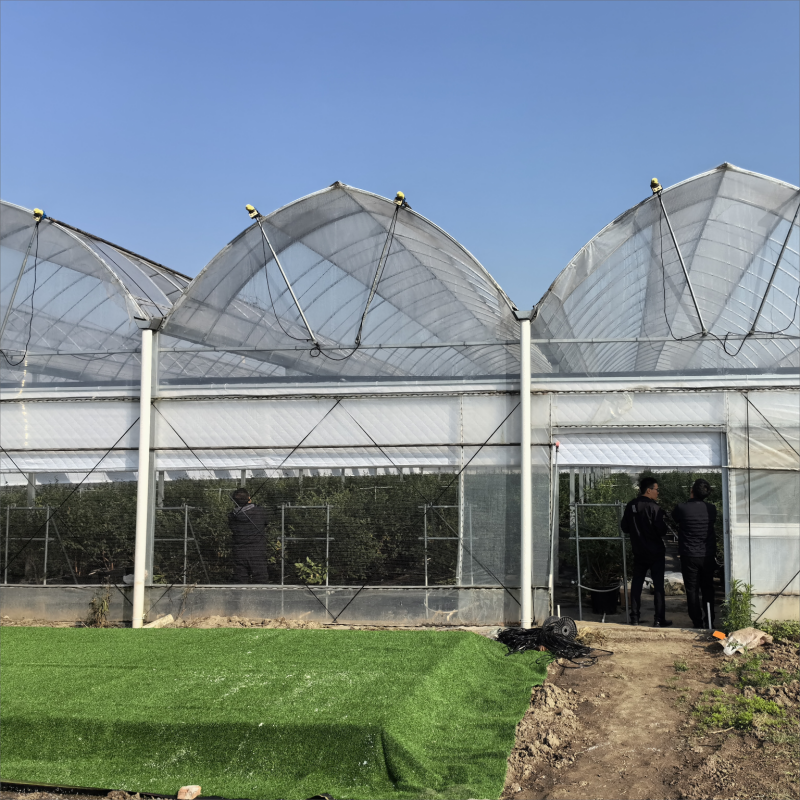
Choosing the right tunnel greenhouse size for small farming operations is one of the most critical decisions you'll make when expanding your production capacity. A tunnel greenhouse provides excellent environmental control and protection for crops while remaining cost-effective compared to rigid-frame structures. However, selecting the correct tunnel greenhouse dimensions requires careful consideration of your available land, crop types, labor capacity, and long-term growth plans. The size of your tunnel greenhouse directly influences your operational efficiency, heating costs, maintenance demands, and overall profitability.
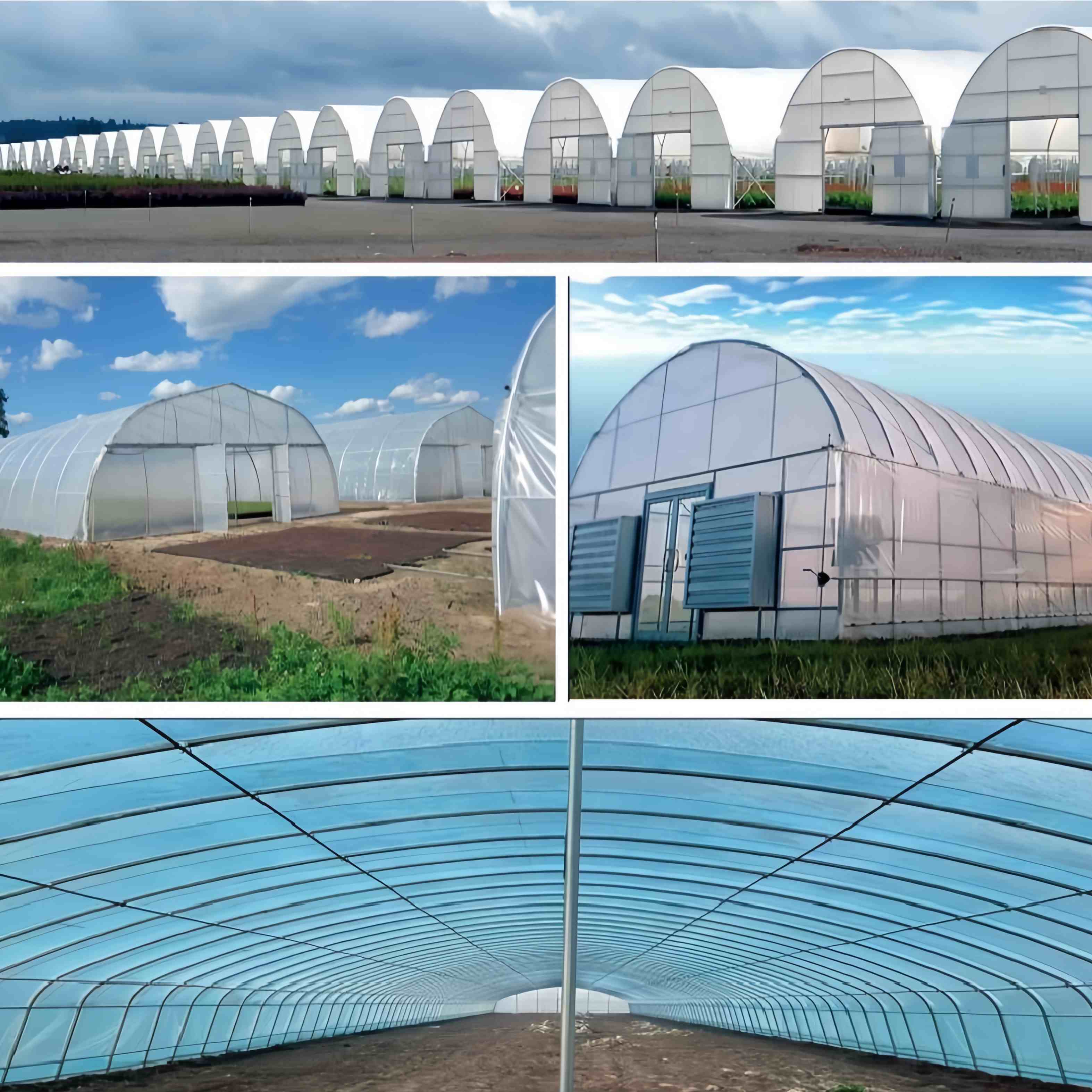
For small farming operations, a tunnel greenhouse typically ranges from 20 feet to 40 feet in width and 40 feet to 100 feet in length. This size category balances accessibility, affordability, and practical crop management without requiring excessive infrastructure investment. Understanding how a tunnel greenhouse of different dimensions affects your workflow, heating requirements, and crop yield potential helps you avoid both undersizing and overcapitalization. The ideal tunnel greenhouse size depends on your specific farming goals, local climate conditions, available water resources, and the crops you intend to grow.
Determining Your Ideal Tunnel Greenhouse Size
Assessing Your Available Space and Land Constraints
Before selecting your tunnel greenhouse dimensions, conduct a thorough assessment of your available property. A tunnel greenhouse requires adequate spacing from buildings, trees, power lines, and drainage paths. Most small farming operations benefit from a tunnel greenhouse that occupies between 1,000 and 4,000 square feet, providing substantial growing capacity without overwhelming your management ability. Site orientation matters significantly—your tunnel greenhouse should generally run east to west to maximize solar exposure during winter months while allowing adequate shading during summer peaks.
The footprint of your tunnel greenhouse also influences water management and equipment access. A 25-foot-wide by 80-foot-long tunnel greenhouse creates approximately 2,000 square feet of growing space—a popular choice for small operations. Wider tunnel greenhouse models (35 to 40 feet) accommodate more crop rows but require stronger ventilation systems and more sophisticated climate control. Consider your ability to reach equipment, move supplies, and harvest crops efficiently within your tunnel greenhouse layout.
Matching Tunnel Greenhouse Size to Your Crop Portfolio
Different crops have vastly different space requirements within a tunnel greenhouse. Leafy greens and herbs require significantly less vertical space than fruiting crops like tomatoes and cucumbers, influencing whether your tunnel greenhouse needs taller walls or specialized shelving. A 30-foot-wide tunnel greenhouse works exceptionally well for mixed production combining greens, herbs, and transplants. If your focus is high-value crops like peppers or specialty vegetables, you might prioritize a narrower tunnel greenhouse with taller sidewalls for better crop density and plant development.
Growing season length also affects tunnel greenhouse sizing decisions. In cooler climates, a larger tunnel greenhouse provides better thermal mass and insulation efficiency, while smaller models require more aggressive heating management. Your tunnel greenhouse should be sized to accommodate your peak season production demands without creating excessive empty space during shoulder seasons. Planning for future crop rotation and seasonal variety helps ensure your tunnel greenhouse investment remains flexible and productive year-round.
Standard Tunnel Greenhouse Dimensions for Small Farms
Common Width and Length Configurations
Industry-standard tunnel greenhouse widths for small operations range from 20 feet to 40 feet. A 20-foot-wide tunnel greenhouse suits very limited budgets and small land parcels, providing approximately 800 to 1,200 square feet when stretched to 40 to 60 feet long. This narrow tunnel greenhouse design limits crop diversity but excels for specialized production like microgreens or high-value herbs. Most small commercial growers prefer a 25 to 30-foot-wide tunnel greenhouse as an optimal compromise between affordability, operational efficiency, and production capacity.
Length configurations for a small-scale tunnel greenhouse typically extend from 40 feet to 100 feet. A 80-foot-long tunnel greenhouse combined with 25-foot width creates 2,000 square feet—sufficient for serious commercial production serving local markets. Longer tunnel greenhouse models (up to 120 feet) appeal to farms planning significant expansion but offer diminishing returns for very small operations. Consider building your initial tunnel greenhouse to 60 to 80 feet, allowing future expansion through sequential additions rather than one oversized structure.
Height and Internal Working Dimensions
A typical tunnel greenhouse for small farms reaches 9 to 12 feet at the peak of the arch, with sidewall heights of 6 to 8 feet. These heights provide adequate clearance for tall indeterminate crops while maintaining reasonable heating efficiency. Your tunnel greenhouse internal dimensions should accommodate benches, walkways, and equipment access—minimum 3-foot walkways enable comfortable movement and crop maintenance. The slope of your tunnel greenhouse arch affects both structural stability and internal usable space, with steeper curves providing more volume but requiring stronger framework.
Working height within your tunnel greenhouse influences labor productivity and ergonomics. Many small growers prefer benched production systems within their tunnel greenhouse, raising growing surfaces 24 to 30 inches above ground level. This arrangement reduces bending strain on workers and improves air circulation, but your tunnel greenhouse must provide adequate clearance above benches. Planning vertical space allocation within your tunnel greenhouse before construction prevents costly modifications and ensures comfortable working conditions throughout your operation.
Practical Considerations for Sizing Your Tunnel Greenhouse
Climate Control and Heating Efficiency Factors
Smaller tunnel greenhouse units heat and cool less efficiently than larger structures due to higher surface-area-to-volume ratios. A 20-foot-wide tunnel greenhouse in cold climates requires proportionally more heating capacity per square foot than a 40-foot model. Your tunnel greenhouse size decision should account for your local winter temperatures, seasonal heating duration, and available energy infrastructure. In moderate climates, a modestly-sized tunnel greenhouse (25 by 60 feet) offers reasonable heating efficiency while remaining manageable for small operations.
Ventilation becomes increasingly critical as your tunnel greenhouse dimensions expand. Wider tunnel greenhouse models (35+ feet) benefit from roof vents, side louvers, and possibly mechanical ventilation systems to prevent excessive summer heat buildup. Your tunnel greenhouse ventilation strategy should prevent temperature swings exceeding 15 degrees Fahrenheit and maintain relative humidity between 60 and 80 percent. Planning tunnel greenhouse ventilation infrastructure during initial sizing decisions prevents expensive retrofitting and supports crop health consistently.
Budget Considerations and Return on Investment
Small tunnel greenhouse structures cost approximately 3 to 8 dollars per square foot for basic plastic film versions, plus site preparation and climate control equipment. A 25-by-80-foot tunnel greenhouse typically requires 6,000 to 15,000 dollars initial investment including covering, framework, and essential ventilation. Your tunnel greenhouse return on investment depends heavily on crop selection, local market demand, and management intensity. Planning your tunnel greenhouse size around crops with demonstrated local demand ensures faster financial recovery than speculative oversizing.
Expansion capacity should influence your initial tunnel greenhouse sizing strategy. Starting with a moderate 25-foot-wide model allows future expansion through additional bays rather than replacing undersized infrastructure. Your tunnel greenhouse investment should reflect realistic market capacity and labor availability, avoiding overexpansion that generates excess supply nobody purchases. Conservative initial sizing of your tunnel greenhouse reduces financial risk while you establish reliable sales channels and operational expertise.
FAQ
What size tunnel greenhouse works best for a beginner small farmer?
A 25-foot-wide by 60-foot-long tunnel greenhouse represents an ideal starting point for beginning small farmers. This 1,500-square-foot tunnel greenhouse provides sufficient production capacity to generate meaningful income while remaining manageable through manual labor. Your tunnel greenhouse at this size offers reasonable heating efficiency, straightforward ventilation management, and affordable initial investment. Many successful small farms operate single tunnel greenhouse units of this dimension for five or more years before expansion.
How much does a 30-foot-wide tunnel greenhouse cost?
A 30-foot-wide tunnel greenhouse extending 80 feet long costs between 12,000 and 20,000 dollars fully installed, depending on frame materials, plastic quality, and site preparation complexity. Your tunnel greenhouse budget should include concrete pads, foundation work, entry vestibules, and basic environmental controls beyond just framework and covering. Adding high-quality drip irrigation, automated ventilation, and shade cloth systems increases your tunnel greenhouse investment to 25,000 to 35,000 dollars. Regional suppliers often provide equipment packages making larger tunnel greenhouse installations more cost-effective than purchasing components separately.
Can a tunnel greenhouse be expanded later?
Yes, most tunnel greenhouse designs allow sequential expansion by adding identical sections alongside existing structures. This modular approach to tunnel greenhouse growth lets you start conservatively and expand as market demand and operational skill increase. Planning your initial tunnel greenhouse location with potential expansion space nearby prevents costly relocation or awkward configurations. Many successful small farms operate three to five connected tunnel greenhouse sections, each added during different growth phases rather than constructing everything simultaneously.