 EN
EN
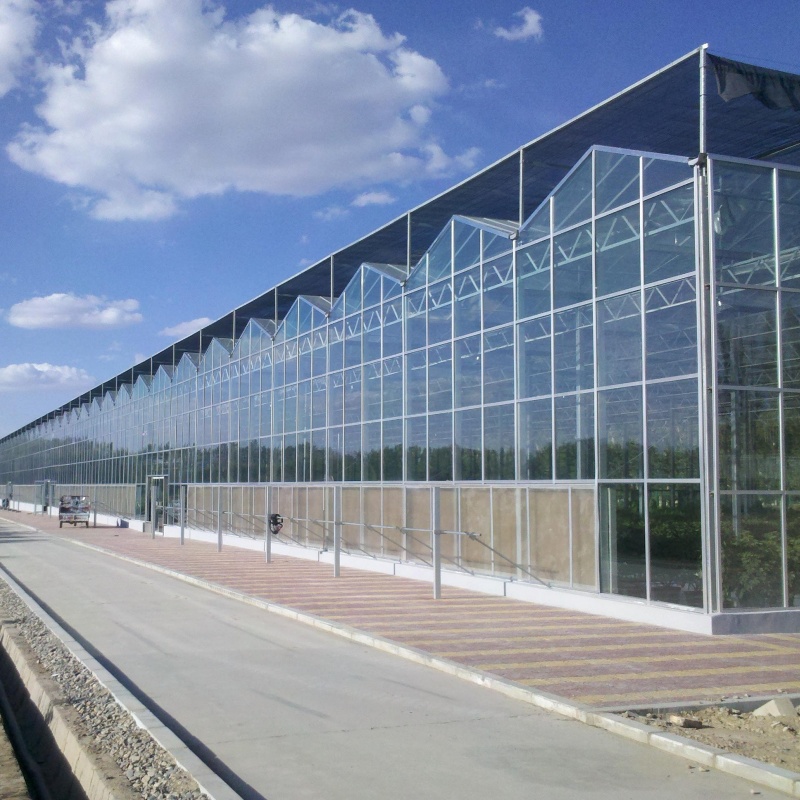
A gothic greenhouse is a distinctive growing structure characterized by its steeply pitched, gabled roof that resembles classic gothic architecture. This unique roof design is far more than aesthetic appeal; it combines functional excellence with timeless elegance, making the gothic greenhouse an increasingly popular choice for serious growers and commercial operations. The iconic pointed arch and high-peak roofline of a gothic greenhouse create a structure that stands out visually while delivering superior performance in challenging weather conditions.
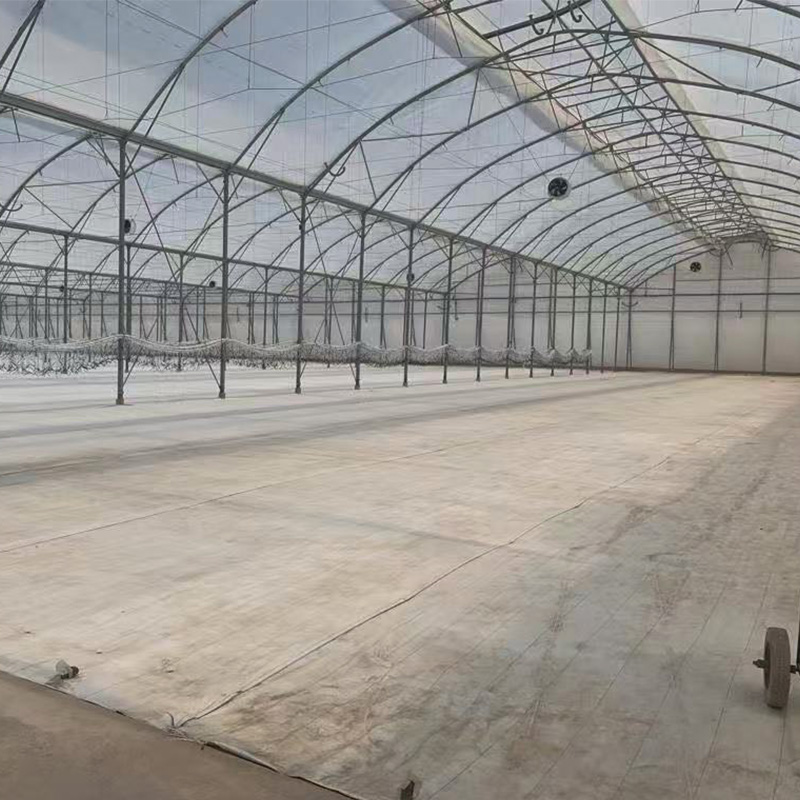
Modern growers select a gothic greenhouse for reasons that extend beyond visual distinction. The steep roof angle improves water drainage, maximizes internal headroom, and provides excellent snow load resistance, making this style particularly valuable in regions with heavy precipitation or substantial seasonal snowfall. When evaluating greenhouse options, understanding the structural and operational advantages of a gothic greenhouse helps professionals make informed decisions about long-term growing infrastructure investments.
Understanding Gothic Greenhouse Architecture
The Distinctive Roof Design of a Gothic Greenhouse
The defining characteristic of a gothic greenhouse lies in its gabled roof structure, which forms a steep peak down the center of the building. Unlike traditional A-frame designs, a gothic greenhouse features a dramatic angle that extends the full length of the structure, creating substantially more vertical space and headroom within the growing area. This architectural choice directly influences both the interior environment and the external load-bearing performance of the entire gothic greenhouse system.
The sharp pitch of a gothic greenhouse roof typically ranges from 45 to 60 degrees, significantly steeper than conventional greenhouse designs. This extreme angle serves critical functions: it prevents snow accumulation, sheds water rapidly during heavy rain, and maximizes solar exposure during winter months when the sun hangs lower on the horizon. A gothic greenhouse with this geometry provides superior environmental control and structural resilience compared to flat or gently pitched alternatives.
Structural Engineering and Material Strength
A gothic greenhouse is engineered with reinforced framing systems designed to manage the forces created by its distinctive geometry. The high-strength materials used in quality gothic greenhouse construction include structural steel components, aluminum extrusions, or advanced composite frames that distribute loads efficiently along the roof's steep angle. Professional gothic greenhouse manufacturers invest in engineering precision to ensure the structure withstands wind, snow, and operational stresses over decades of use.
The superior load distribution in a gothic greenhouse means growers can install heavier equipment, hanging systems, and climate control infrastructure without compromising structural integrity. This capacity is essential for commercial operations that require extensive automation, sophisticated irrigation networks, and substantial internal support structures for plant production systems.
Why Growers Choose the Gothic Greenhouse Style
Environmental Performance and Climate Control
Selecting a gothic greenhouse offers immediate environmental advantages for plant production. The increased interior volume of a gothic greenhouse creates more stable thermal conditions, reducing temperature fluctuations between day and night cycles. The steep roof angle of a gothic greenhouse improves natural air circulation patterns, reducing humidity-related disease pressure and creating more consistent growing conditions throughout the season.
The geometry of a gothic greenhouse also optimizes solar radiation capture during critical growing periods. The steep roof angle intercepts sunlight more efficiently in winter when plants need maximum light penetration, while the extended eaves and high walls of a gothic greenhouse provide better shade management during intense summer months. This passive environmental optimization reduces dependency on mechanical heating and cooling systems, directly lowering operational energy costs for professional growers.
Durability and Weather Resilience
A gothic greenhouse excels in weather performance because its roof angle naturally sheds snow, rain, and debris without accumulation. In regions prone to heavy snowfall, a gothic greenhouse prevents the structural stress that typically damages flat-roofed designs under extreme load. The proven durability of a gothic greenhouse style makes it the standard choice for permanent growing infrastructure in cold climates and areas experiencing severe weather patterns.
The longevity of a gothic greenhouse structure translates to lower maintenance costs and reduced operational downtime. Unlike conventional greenhouses that may require seasonal roof repairs or snow removal, a gothic greenhouse operates reliably through harsh winters and stormy seasons. The investment in a gothic greenhouse design pays dividends over 20 to 40 years of continuous agricultural production, making it economically superior to cheaper alternatives that require frequent repairs.
Commercial Growing and Operational Efficiency
Professional growers adopt the gothic greenhouse style because it maximizes usable growing space and production capacity. The generous interior headroom of a gothic greenhouse accommodates tall crops, overhead irrigation systems, and multi-tier growing platforms that increase yield per square foot. A gothic greenhouse enables efficient workflow patterns, improved employee access to all production areas, and integration of advanced automation technologies that enhance profitability.
The aesthetic appeal of a gothic greenhouse also matters in premium growing operations and agritourism settings. The elegant appearance of a gothic greenhouse can enhance brand perception, support direct-to-consumer marketing efforts, and differentiate professional growers in competitive markets. Many commercial producers recognize that a gothic greenhouse serves as both a highly functional production facility and a visual asset that strengthens business identity and customer relationships.
Practical Implementation and Long-Term Value
Customization and Scalability Options
A gothic greenhouse can be designed and constructed to fit nearly any site condition, crop requirement, or production scale. Whether implementing a single gothic greenhouse unit or an entire multi-span complex, growers benefit from flexible design options that accommodate existing infrastructure, equipment, and operational workflows. The modular nature of gothic greenhouse design allows phased expansion as production increases and business requirements evolve over time.
Customizing a gothic greenhouse for specific crops or growing methods ensures optimal environmental conditions and maximum return on investment. Ventilation systems, shade structures, irrigation networks, and climate monitoring equipment can all be integrated into the gothic greenhouse design to create precisely controlled environments that maximize crop quality and consistency. This adaptability makes a gothic greenhouse suitable for diverse agricultural applications including vegetable production, specialty crops, nursery operations, and research facilities.
Investment Considerations for Growers
The decision to invest in a gothic greenhouse involves evaluating construction costs, operational efficiency, and long-term profitability. While initial construction costs for a gothic greenhouse may exceed simpler designs, the superior durability, reduced maintenance, and enhanced production capacity deliver compelling financial returns. A gothic greenhouse typically pays for itself within 5 to 10 years through increased yields, reduced energy consumption, and minimized repair expenses compared to conventional structures.
Growers comparing greenhouse options should consider the total cost of ownership rather than just initial purchase price. A gothic greenhouse requires less frequent repairs, performs better in adverse weather, and supports more intensive production systems that increase revenue per square foot. The professional appearance and structural integrity of a gothic greenhouse also appeal to lenders and investors evaluating agricultural operations, potentially improving access to financing for business expansion and equipment upgrades.
FAQ
What makes a gothic greenhouse different from other greenhouse styles?
A gothic greenhouse features a steeply pitched gabled roof that creates significantly more interior headroom and superior weather performance compared to conventional flat or A-frame designs. The distinctive peaked roof of a gothic greenhouse sheds snow and water naturally, resists wind loads more effectively, and provides better light exposure during winter months, making it particularly valuable for commercial growing operations in challenging climates.
Is a gothic greenhouse suitable for small-scale growers?
Yes, a gothic greenhouse can be built at any scale from small hobby operations to large commercial facilities. While smaller gothic greenhouse units require less material investment, they still deliver the same architectural and performance advantages as larger structures. Small-scale growers benefit from the improved climate control, durability, and aesthetic appeal that a gothic greenhouse provides, though they may prioritize different customization options than commercial producers.
How long does a gothic greenhouse last with proper maintenance?
A well-constructed gothic greenhouse typically lasts 25 to 40 years or longer with routine maintenance and component replacements. The durable structure of a gothic greenhouse requires less frequent repairs than conventional designs, and the materials used in professional-grade construction resist weathering, corrosion, and structural degradation effectively. Properly maintained, a gothic greenhouse represents a long-term investment that continues generating value across multiple decades of agricultural production.