 EN
EN

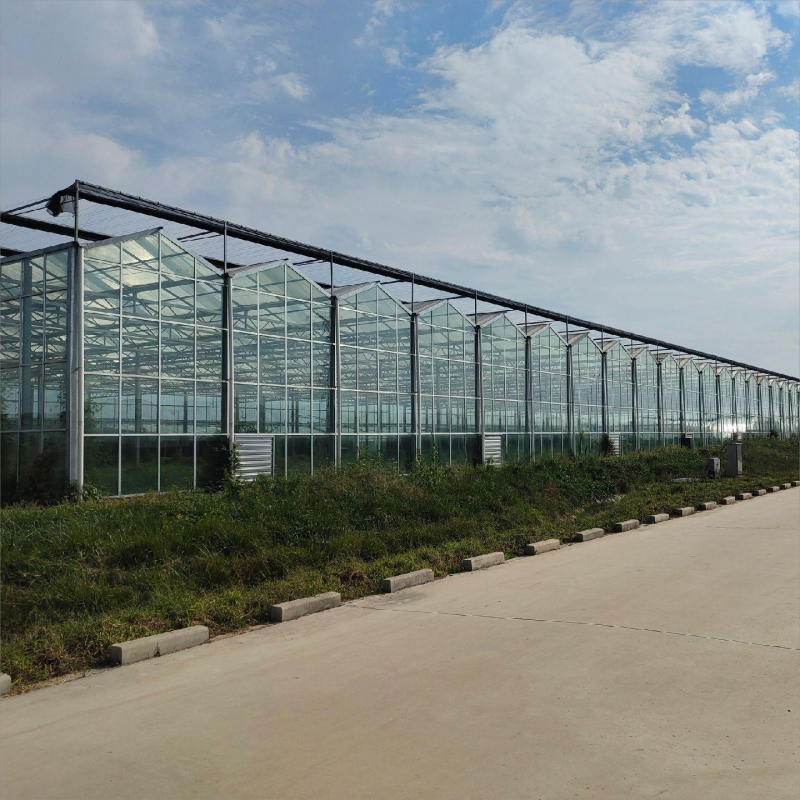
A greenhouse is a specialized structure designed to create a controlled environment for growing plants, vegetables, flowers, and other crops year-round. The fundamental purpose of any greenhouse is to trap solar energy and regulate temperature, humidity, and light conditions to optimize plant growth regardless of external weather patterns. Whether you're managing a small residential greenhouse or operating a large-scale agricultural greenhouse, understanding the basic principles of how a greenhouse functions is essential for successful cultivation. The greenhouse concept has evolved significantly over centuries, from simple glass frames to sophisticated modern facilities equipped with advanced climate control systems.
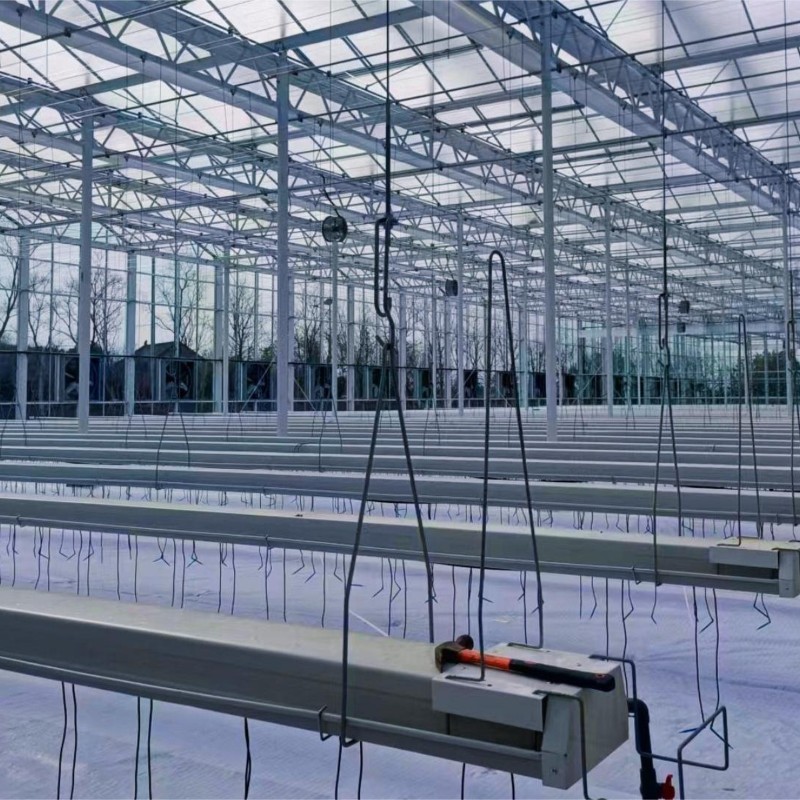
The greenhouse works through a simple yet elegant physical principle known as the 'greenhouse effect.' Solar radiation enters through transparent panels, warming the soil and plants inside. The greenhouse traps this heat by preventing warm air from escaping, creating a warmer microclimate than the external environment. This passive heating mechanism is enhanced in modern greenhouse installations with active temperature management, allowing growers to maintain optimal conditions throughout the year. Understanding this mechanism helps explain why a greenhouse is such a powerful tool for extending growing seasons and improving crop yields.
Core Components of a Modern Greenhouse
Structural Framework and Materials
The structural foundation of any greenhouse determines its durability, efficiency, and growing capacity. A typical greenhouse features a frame made from aluminum, steel, or wood that supports transparent covering materials such as glass, polycarbonate, or polyethylene plastic. The frame design of a greenhouse must withstand wind loads, snow weight, and internal humidity while maintaining structural integrity over many years. Glass remains the most popular choice for a greenhouse because it offers excellent light transmission and longevity, though polycarbonate provides superior insulation properties. The orientation and slope of a greenhouse roof are carefully calculated to maximize solar gain during winter months while allowing adequate ventilation during hot seasons.
Covering Materials and Light Transmission
The covering material selected for your greenhouse directly impacts light penetration, heat retention, and energy costs. A greenhouse constructed with high-quality glass can transmit up to 90 percent of available solar radiation, while diffused coatings on a greenhouse covering scatter light to reduce plant stress and shadow spots. Polycarbonate panels used in a greenhouse offer superior insulation, reducing heating costs by 20 to 30 percent compared to single-layer glass. The thickness of covering materials in a greenhouse varies from 2mm single-pane glass to 10mm multi-layer polycarbonate, each offering different trade-offs between cost, durability, and performance. Selecting the right covering material ensures that your greenhouse maintains optimal light levels while retaining heat efficiently.
How Greenhouse Climate Control Systems Operate
Temperature Regulation in a Greenhouse
Temperature control represents the most critical function of any operational greenhouse. During cold months, a greenhouse relies on passive solar heating combined with insulation to maintain warmth, while active heating systems using gas, electric, or renewable energy sources provide supplemental heat when needed. Ventilation systems in a greenhouse automatically open roof vents or louvers when internal temperatures exceed target levels, allowing warm air to escape and cooler air to enter. A modern greenhouse incorporates thermostat-controlled heating and ventilation to maintain temperatures within a species-specific range, typically between 60 and 75 degrees Fahrenheit for most vegetables. The thermal mass of a greenhouse, including water tanks or thermal stones, absorbs excess heat during the day and releases it at night, moderating temperature fluctuations.
Humidity and Air Circulation Management
Proper humidity levels within a greenhouse are essential for disease prevention and optimal plant growth. A greenhouse naturally accumulates moisture from plant transpiration and evaporation, requiring active management to prevent fungal diseases and pest infestations. Ventilation fans and louvers in a greenhouse maintain air circulation and reduce humidity by exchanging interior air with exterior atmosphere. Evaporative cooling systems, such as wet-pad systems, can lower the internal temperature of a greenhouse while increasing humidity in arid climates. A well-designed greenhouse includes multiple ventilation zones that can be independently controlled based on seasonal conditions and specific crop requirements.
Irrigation and Nutrient Delivery in Greenhouse Systems
Water Management and Distribution
Water delivery within a greenhouse operates on principles of efficiency and precision to maximize plant health while conserving resources. Most modern greenhouse installations include automated drip irrigation systems that deliver water directly to plant roots, reducing waste compared to overhead watering methods. A greenhouse irrigation system typically connects to timers and soil moisture sensors, automatically adjusting water application based on real-time conditions. Capillary mat systems often integrate within a greenhouse benching structure, drawing water from a central reservoir and distributing it uniformly across planted trays. Proper drainage design in a greenhouse prevents waterlogging and ensures that excess moisture exits the system without causing soil compaction or root rot issues.
Nutrient Application and Soil Amendments
Nutrient management within a greenhouse differs significantly from outdoor farming because plants cannot access naturally replenished soil minerals. A hydroponic greenhouse or a traditional soil-based greenhouse requires precise nutrient formulation and supplementation to sustain crop productivity throughout the growing cycle. Greenhouse growers often employ fertigation systems that inject balanced nutrient solutions directly into irrigation water, ensuring consistent mineral availability. The controlled environment within a greenhouse allows growers to customize nutrient ratios based on crop type, growth stage, and water quality characteristics. Regular monitoring of soil or hydroponic solution pH and nutrient concentration in a greenhouse enables rapid adjustments to prevent deficiencies or toxicities.
FAQ
What is the primary advantage of a greenhouse?
The primary advantage of a greenhouse is its ability to extend growing seasons and enable year-round cultivation regardless of external climate conditions. A greenhouse creates a protected microclimate where temperature, humidity, light, and other environmental factors can be precisely controlled to optimize plant growth. This capability allows commercial greenhouse operators and home gardeners to produce crops during winter months, increase yields per square foot, and reduce dependency on unpredictable weather patterns.
How does a greenhouse reduce energy consumption?
A greenhouse reduces energy consumption through passive solar heating, insulation design, and strategic thermal mass integration. During daylight hours, solar radiation entering a greenhouse provides free heating that is retained by the structure's enclosure. Improved insulation materials and double-layer coverings minimize heat loss during cold nights and winters. Additionally, modern greenhouse management practices such as strategic ventilation timing and shade cloth deployment during summer months further reduce the need for active heating and cooling systems, lowering operational energy costs significantly.
Can a greenhouse be used for all types of crops?
While a greenhouse can technically accommodate many crop types, optimal greenhouse design and management vary based on specific plant requirements. Some crops like tomatoes, cucumbers, and peppers thrive in typical greenhouse conditions with moderate warmth and humidity. However, certain crops such as cold-hardy root vegetables or specific tree species may not require the full climate control that a conventional greenhouse provides. The most successful greenhouse operations carefully select crops that match their climate capabilities and optimize environmental parameters specifically for chosen species to maximize productivity and economic returns.