 EN
EN
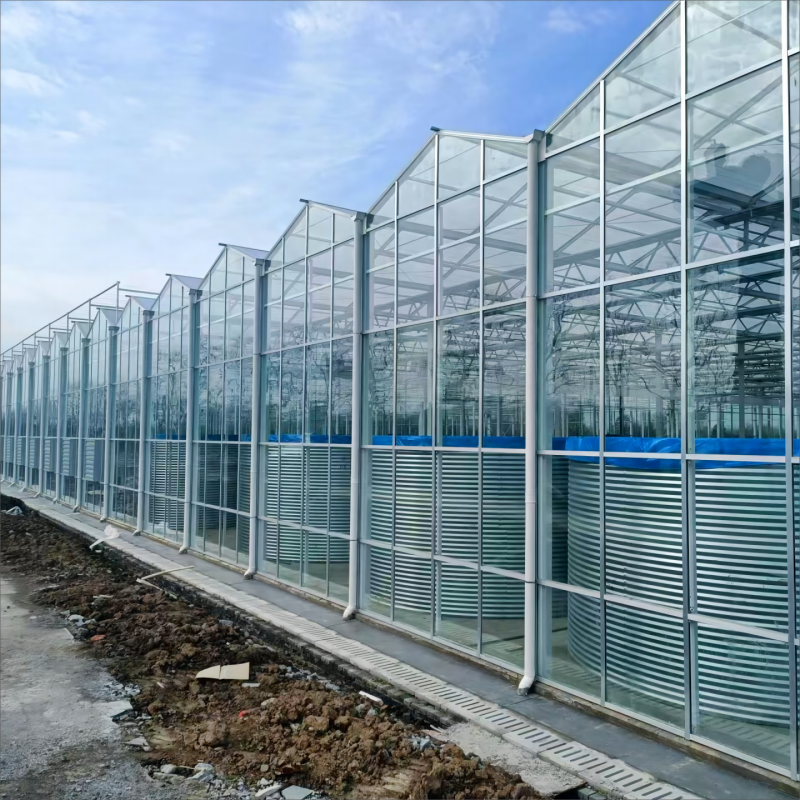
Farmers worldwide are increasingly adopting the tunnel greenhouse as their primary growing solution, and this trend reflects a fundamental shift in modern agricultural practices. The tunnel greenhouse has become the benchmark choice for cultivating high-value crops, extending growing seasons, and maximizing yield potential across diverse climates and regions. Unlike traditional open-field farming, a tunnel greenhouse provides comprehensive environmental control while remaining economically accessible to operations of all sizes.
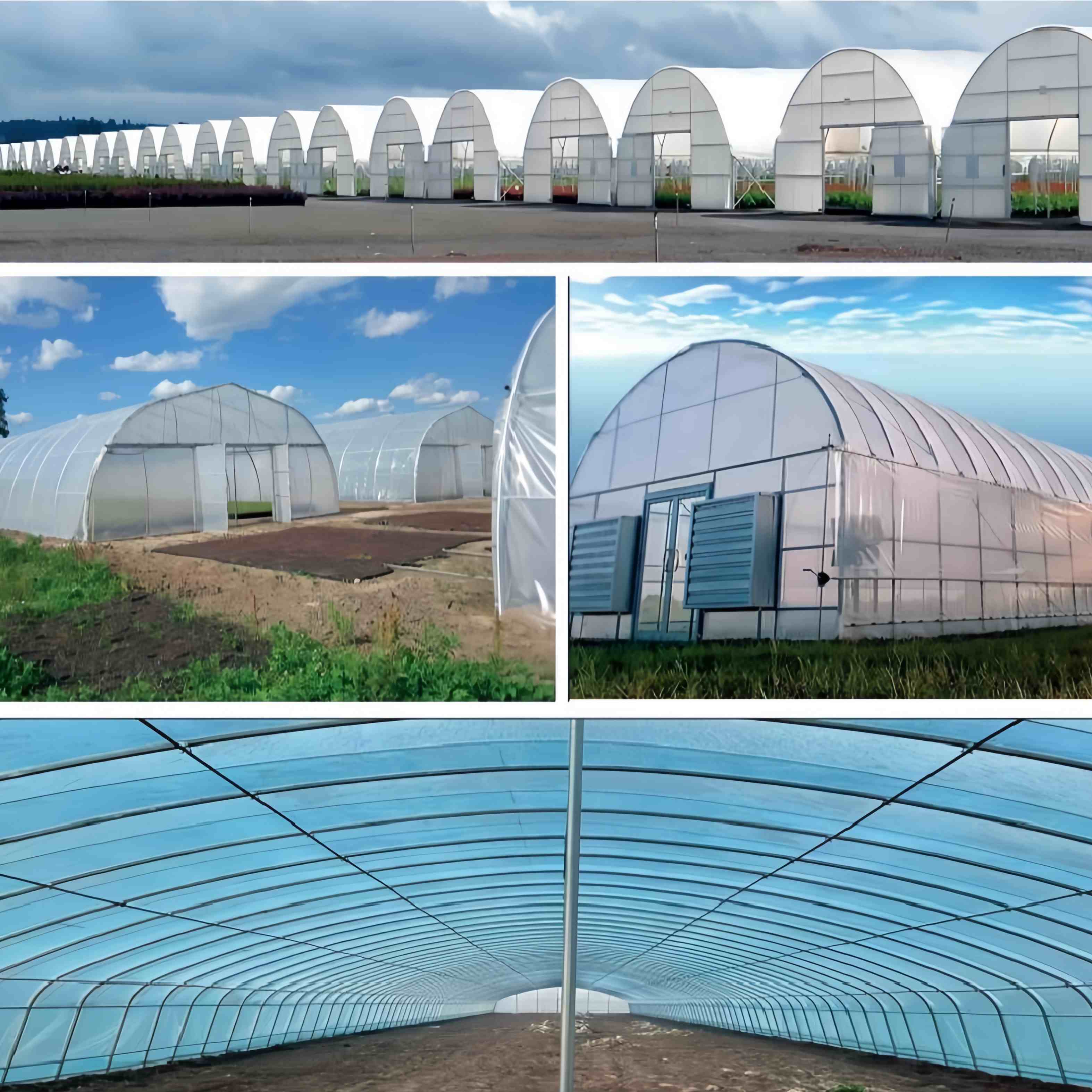
The decision to invest in a tunnel greenhouse represents a strategic investment in agricultural productivity and sustainability. Farmers recognize that tunnel greenhouse structures deliver measurable returns through improved crop quality, reduced losses, and enhanced market competitiveness. This article explores the core reasons why the tunnel greenhouse has emerged as the preferred choice for contemporary farming operations.
Cost Efficiency and Accessibility
Lower Initial Investment Compared to Rigid Structures
The tunnel greenhouse stands out as the most economically accessible protected growing solution available to farmers today. Traditional rigid greenhouse structures constructed from glass or polycarbonate require substantial upfront capital investment, complex engineering, and extensive site preparation. A tunnel greenhouse, by contrast, utilizes a simple arched frame design with polyethylene covering, dramatically reducing material and construction costs. Farmers can establish a functional tunnel greenhouse at approximately one-third the cost of comparable rigid structures, making protected cultivation viable for small and medium-sized operations.
Installation of a tunnel greenhouse requires minimal specialized equipment and can often be completed by the farm team with basic tools and materials. The straightforward assembly process means farmers avoid expensive contractor fees and extended construction timelines. This accessibility enables farmers to scale their tunnel greenhouse operations incrementally, starting with a single unit and expanding as operational confidence and profitability increase. The tunnel greenhouse model removes the financial barrier that once restricted protected cultivation to large corporate farms.
Operational and Maintenance Cost Advantages
Beyond initial construction, a tunnel greenhouse delivers ongoing cost savings through simplified maintenance and reduced operational complexity. The polyethylene covering used in tunnel greenhouse construction requires periodic replacement, typically every three to five years, but this routine maintenance is far less expensive than repairing or replacing rigid structure components. Ventilation in a tunnel greenhouse relies on natural airflow mechanisms and basic roll-up side panels rather than expensive automated climate control systems, significantly reducing energy consumption and operational expenses.
Farmers report that tunnel greenhouse operations consume approximately 40 to 60 percent less energy compared to fully enclosed rigid structures with mechanical heating and cooling systems. This energy efficiency translates directly to reduced utility costs and improved profit margins across the growing season. The tunnel greenhouse design also simplifies pest and disease management through manual ventilation practices, reducing reliance on expensive chemical inputs and integrated pest management technology.
Climate Control and Crop Protection Benefits
Enhanced Growing Environment Consistency
The tunnel greenhouse creates a semi-controlled microclimate that protects crops from adverse weather while maintaining natural light penetration superior to fully enclosed structures. Temperature regulation within a tunnel greenhouse remains relatively stable compared to open-field conditions, protecting tender plants from frost damage, excessive heat stress, and damaging wind exposure. The polyethylene covering provides insulation during cold periods while allowing solar radiation penetration necessary for photosynthesis and plant growth. This balance creates an optimal growing environment that accelerates crop maturation and improves fruit and vegetable quality metrics.
Moisture management within a tunnel greenhouse offers distinct advantages over traditional open farming and rigid greenhouse structures. The semi-enclosed design maintains relative humidity at levels favorable for most vegetable and fruit crops while permitting excess moisture escape through natural ventilation. This controlled humidity environment reduces fungal disease pressure significantly, decreasing farmer reliance on fungicide applications and associated costs. The tunnel greenhouse consistently outperforms open-field farming in maintaining optimal growth conditions throughout the production cycle.
Extended Growing Season and Crop Diversity
Farmers choose the tunnel greenhouse specifically because it extends the productive growing season by four to eight weeks compared to outdoor cultivation in temperate and subtropical climates. Early spring plantings can occur four to six weeks earlier in a tunnel greenhouse, while fall crops mature several weeks beyond outdoor harvest windows. This season extension capability enables farmers to supply fresh produce to markets during premium-price periods when outdoor supply remains limited. The tunnel greenhouse allows cultivation of frost-sensitive crops in regions where traditional outdoor production would face prohibitive weather risk.
The versatility of tunnel greenhouse production enables farmers to diversify crop portfolios and respond to changing market demand more effectively than confined open-field operations. Different crop varieties can rotate through tunnel greenhouse space seasonally, optimizing land utilization and spreading production risk across multiple commodities. The tunnel greenhouse accommodates high-value specialty crops, niche market vegetables, and premium-quality produce that commands price premiums in direct-to-consumer and specialty market channels.
Yield Improvement and Market Competitiveness
Quantifiable Production Increases
Agricultural research demonstrates that well-managed tunnel greenhouse operations produce 2 to 3 times higher yields per unit area compared to conventional open-field farming under similar soil and climate conditions. The tunnel greenhouse growing environment consistently delivers yield improvements through reduced crop loss from weather damage, pest pressure, and disease incidence. Farmers investing in tunnel greenhouse infrastructure typically observe yield increases of 150 to 250 percent during the first production year, with sustained improvements as management practices optimize. These yield improvements directly translate to substantially increased farm revenue and improved return on investment timelines.
Crop quality improvements within tunnel greenhouse structures further enhance market value and farmer profitability beyond simple yield increases. Produce grown in controlled tunnel greenhouse conditions exhibits superior appearance, extended shelf life, and nutritional density compared to outdoor-grown equivalents. Premium-quality tunnel greenhouse produce commands price premiums of 30 to 50 percent in specialty markets, direct sales channels, and export markets, significantly amplifying financial returns.
Market Access and Supply Reliability
Retailers and institutional buyers increasingly demand reliable, consistent produce supply throughout extended seasons, preferences that the tunnel greenhouse uniquely satisfies. The ability to guarantee production volume and quality regardless of seasonal weather fluctuations makes tunnel greenhouse farmers preferred suppliers for supermarkets, restaurants, and institutional food service operations. This supply reliability transforms the tunnel greenhouse farmer from commodity producer into valued supply partner, enabling long-term contracts and price stability that protect profit margins.
Farmers using tunnel greenhouse production systems access premium markets and direct-to-consumer channels that reward consistency and quality. Farmers markets, Community Supported Agriculture programs, and farm-to-table restaurants actively seek tunnel greenhouse producers capable of delivering week-after-week supply continuity. This market access premium, combined with reduced production costs and increased yields, creates a compelling financial case for tunnel greenhouse adoption across diverse agricultural regions.
FAQ
What makes a tunnel greenhouse more cost-effective than other protected growing structures?
A tunnel greenhouse delivers superior cost efficiency through simplified design, lower material expenses, straightforward installation, and reduced operational complexity. The arched frame structure with polyethylene covering eliminates expensive rigid components, complex engineering requirements, and specialized construction expertise. Ongoing maintenance costs remain minimal compared to rigid greenhouses, and energy consumption for climate control averages 40 to 60 percent lower due to reliance on natural ventilation rather than mechanical systems. These combined factors position the tunnel greenhouse as the most economically accessible option for farmers implementing protected cultivation strategies.
How does a tunnel greenhouse improve crop yields and quality compared to open-field farming?
The tunnel greenhouse environment accelerates plant growth through temperature stability, optimized light penetration, and controlled humidity that reduces disease pressure. Research demonstrates that well-managed tunnel greenhouse operations deliver 200 to 300 percent yield increases compared to equivalent open-field operations. The protective environment also enhances produce quality through consistent maturation conditions, improved appearance, extended shelf life, and superior nutritional density. These quality improvements enable farmers to access premium market channels and capture 30 to 50 percent price premiums compared to conventional outdoor production.
Can farmers expand tunnel greenhouse operations incrementally as their business grows?
Yes, the tunnel greenhouse design specifically enables incremental expansion strategies that match farmer growth objectives and financial capacity. Farmers can construct a single tunnel greenhouse unit, verify operational procedures and profitability, then systematically expand by adding additional units over subsequent seasons. This modular approach eliminates the large capital commitment required for rigid greenhouse expansion and allows farmers to refine management practices before scaling operations. The tunnel greenhouse model has proven ideal for progressive farm growth strategies across regions worldwide.