 EN
EN



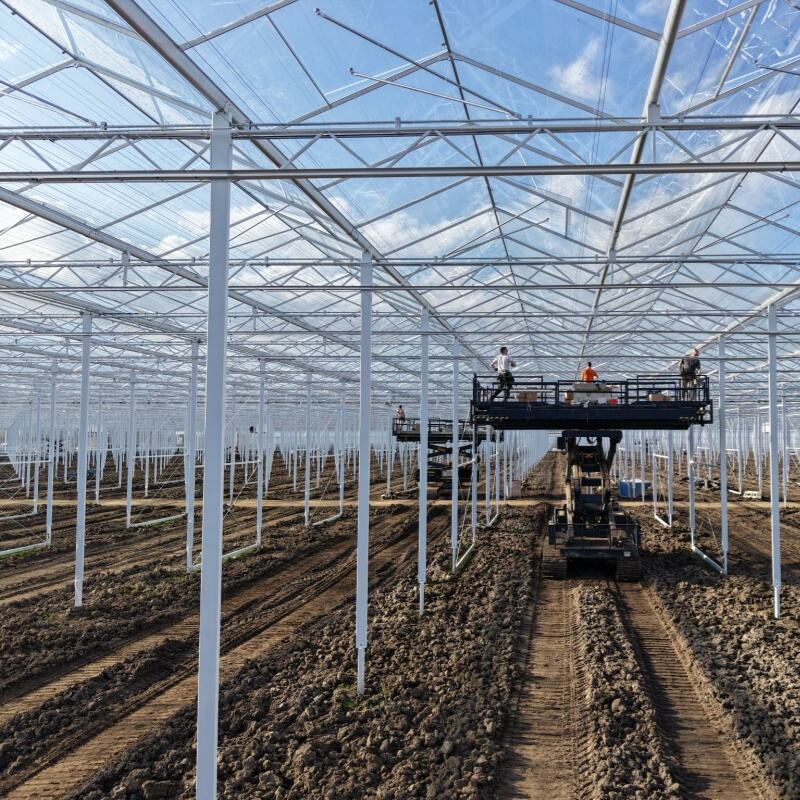
Proper maintenance practices can dramatically extend the functional lifespan of your greenhouse covering, whether you've invested in polyethylene film or glass panels. Without systematic care, even high-quality greenhouse covering materials deteriorate rapidly under constant exposure to UV radiation, temperature fluctuations, and environmental stresses. Understanding which maintenance approaches deliver the greatest longevity benefits helps greenhouse operators maximize their covering investments while maintaining optimal growing conditions.
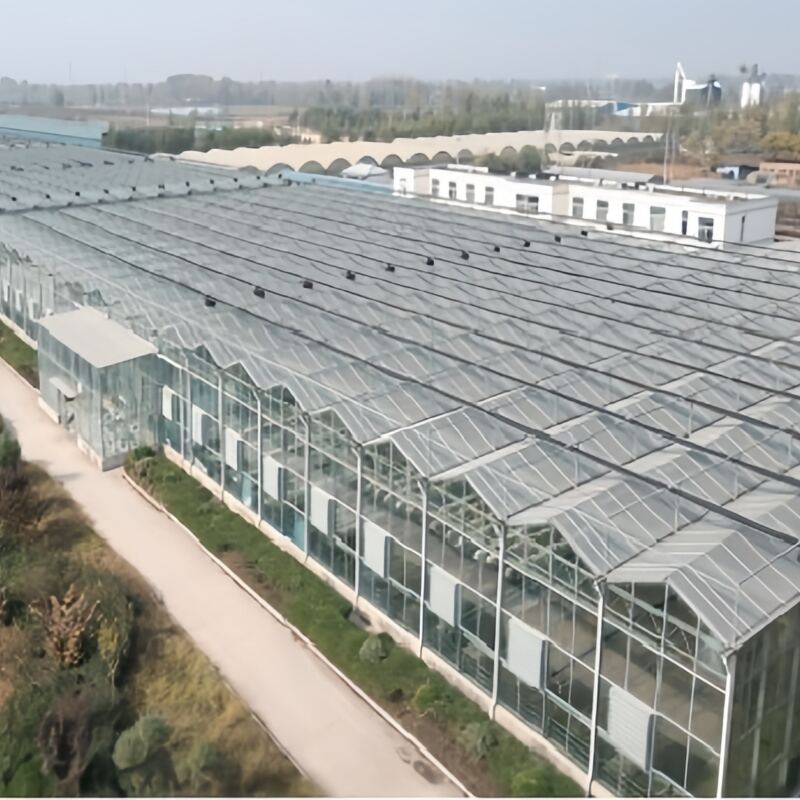
The lifespan of greenhouse covering depends heavily on maintenance consistency and technique precision. Polyethylene greenhouse covering typically lasts 3-4 years with proper care, while glass greenhouse covering can function effectively for 20-30 years when maintained correctly. However, neglected coverings often fail within half their expected lifespan, creating costly replacement cycles and production disruptions that impact profitability.
Essential Cleaning Protocols for Greenhouse Covering Systems
Regular Surface Cleaning Requirements
Regular cleaning forms the foundation of effective greenhouse covering maintenance. Both polyethylene and glass greenhouse covering require systematic cleaning schedules to remove debris, algae, and mineral deposits that reduce light transmission. Clean greenhouse covering allows optimal photosynthetic activity while preventing material degradation caused by accumulated contaminants.
Monthly cleaning during growing seasons provides adequate maintenance frequency for most greenhouse covering installations. High-humidity environments or areas with significant airborne particles may require bi-weekly cleaning cycles. The cleaning process should begin with gentle water rinsing to remove loose debris before applying specialized greenhouse covering cleaners.
Avoid abrasive cleaning tools that scratch or damage greenhouse covering surfaces. Soft-bristled brushes, microfiber cloths, and squeegees designed for greenhouse use prevent surface damage while effectively removing stubborn deposits. Power washing can damage polyethylene greenhouse covering and should be avoided, while glass greenhouse covering can handle moderate pressure washing when performed correctly.
Specialized Cleaning Solutions and Techniques
Commercial greenhouse covering cleaners contain surfactants specifically formulated to remove organic buildup without damaging covering materials. These specialized solutions outperform household cleaners because they target the specific types of deposits that accumulate on greenhouse covering surfaces. Using inappropriate cleaners can cause chemical damage or leave residues that attract additional debris.
For polyethylene greenhouse covering, use pH-neutral cleaners that won't degrade the polymer structure. Glass greenhouse covering tolerates a wider range of cleaning solutions, including mild acidic cleaners for mineral deposit removal. Always test cleaning products on inconspicuous areas before full application to ensure compatibility with your specific greenhouse covering material.
Winter cleaning requires special consideration for greenhouse covering maintenance. Cold temperatures can make cleaning solutions less effective and increase the risk of thermal shock damage. Schedule winter cleaning during warmer periods of the day and use lukewarm water to prevent sudden temperature changes that could crack or stress the greenhouse covering.
Structural Inspection and Repair Strategies
Systematic Damage Assessment
Regular structural inspections identify potential greenhouse covering problems before they become major failures. Monthly visual inspections should focus on attachment points, edge sealing, and areas prone to stress concentration. Early detection allows for preventive repairs that extend greenhouse covering lifespan while maintaining structural integrity.
Pay particular attention to greenhouse covering areas around ventilation systems, doors, and equipment mounting points. These locations experience higher stress levels and are more susceptible to tear initiation or seal failure. Document inspection findings to track degradation patterns and optimize future maintenance scheduling.
Weather damage assessment should occur immediately after severe weather events. High winds, hail, or extreme temperature fluctuations can cause immediate or delayed greenhouse covering damage. Prompt identification and repair prevent minor damage from propagating into major structural failures that require complete covering replacement.
Preventive Repair Techniques
Small tears or punctures in polyethylene greenhouse covering can be effectively repaired using specialized greenhouse tape designed for UV resistance and weatherproofing. Clean the damaged area thoroughly before applying repair materials to ensure proper adhesion. Properly executed repairs can restore structural integrity and prevent damage expansion.
Glass greenhouse covering repairs require professional glazing techniques for safety and effectiveness. Cracked glass panels should be replaced promptly to prevent injury risks and maintain thermal efficiency. Temporary repairs using clear greenhouse covering tape can provide short-term protection while arranging permanent glass replacement.
Sealing system maintenance prevents water infiltration and air leakage that compromise greenhouse covering performance. Replace deteriorated gaskets, weatherstripping, and sealants according to manufacturer recommendations. Proper sealing system function reduces stress on the greenhouse covering while maintaining climate control efficiency.
Environmental Protection and Climate Management
UV Protection Strategies
Ultraviolet radiation represents the primary degradation factor for greenhouse covering materials. UV-stabilized polyethylene greenhouse covering includes chemical additives that absorb harmful radiation, but these stabilizers gradually deplete over time. Understanding UV protection limitations helps establish realistic replacement schedules and optimize covering selection.
External shading systems can significantly extend greenhouse covering lifespan by reducing direct UV exposure during peak intensity periods. Retractable shade cloths or automated screening systems protect the greenhouse covering while maintaining necessary light levels for plant growth. This approach particularly benefits polyethylene installations in high-UV environments.
Monitor UV exposure levels using greenhouse covering degradation indicators or environmental sensors. Visible signs of UV damage include yellowing, brittleness, or surface chalking on polyethylene greenhouse covering. Glass greenhouse covering shows UV damage through reduced light transmission or surface etching that cannot be removed through cleaning.
Temperature and Humidity Control
Excessive temperature fluctuations stress greenhouse covering materials through repeated thermal expansion and contraction cycles. Maintaining stable internal temperatures reduces mechanical stress while improving energy efficiency. Proper ventilation system operation prevents overheating that accelerates greenhouse covering degradation.
Condensation management prevents water accumulation that promotes algae growth and creates cleaning challenges. Adequate air circulation and humidity control systems minimize condensation formation on greenhouse covering surfaces. Persistent condensation problems indicate insufficient ventilation capacity or improper humidity management protocols.
Winter protection measures prevent ice formation and snow loading that can damage greenhouse covering structures. Heating systems should maintain minimum temperatures to prevent thermal shock, while snow removal protocols prevent excessive weight accumulation. Ice formation on greenhouse covering surfaces creates expansion stresses that can cause cracking or tearing.
Long-term Maintenance Planning and Cost Management
Replacement Schedule Development
Developing realistic replacement schedules for greenhouse covering maximizes operational efficiency while minimizing unexpected failures. Track performance metrics including light transmission, structural integrity, and maintenance requirements to establish data-driven replacement timing. This approach prevents premature replacement while avoiding costly emergency situations.
Budget planning for greenhouse covering replacement should consider material costs, labor requirements, and production disruption impacts. Scheduled replacements during off-season periods minimize crop impact while potentially reducing labor costs. Emergency replacements typically cost 30-50% more than planned installations due to urgency and scheduling constraints.
Maintain detailed maintenance records for greenhouse covering systems to identify patterns and optimize future care protocols. Documentation should include cleaning schedules, repair activities, environmental conditions, and performance observations. This information guides covering selection and maintenance strategy refinement for improved longevity.
Cost-Benefit Analysis of Maintenance Investment
Proper maintenance investment typically extends greenhouse covering lifespan by 25-40% compared to minimal care approaches. The cost of systematic maintenance programs represents a fraction of replacement expenses while maintaining optimal growing conditions. Calculate maintenance return on investment by comparing program costs to extended covering lifespan and improved crop performance.
Energy efficiency improvements from well-maintained greenhouse covering reduce operational costs throughout the material lifespan. Clean, intact covering maintains thermal properties and light transmission that support efficient climate control. These operational savings often exceed maintenance costs while providing superior growing conditions.
Risk management benefits of proactive greenhouse covering maintenance include reduced emergency repair costs, improved production predictability, and enhanced crop quality consistency. Unexpected covering failures can result in crop losses that exceed covering replacement costs, making preventive maintenance an essential risk mitigation strategy.
FAQ
How often should greenhouse covering be professionally cleaned?
Professional greenhouse covering cleaning should occur 2-3 times annually for most installations, with additional cleanings during high-debris periods. Monthly operator cleaning between professional services maintains optimal light transmission and prevents buildup that requires aggressive cleaning methods. High-production facilities may benefit from quarterly professional cleaning to ensure maximum covering performance.
What are the early warning signs that greenhouse covering needs replacement?
Early warning signs include reduced light transmission below 85% of original levels, visible yellowing or clouding that cannot be cleaned, multiple tear repairs in concentrated areas, and compromised thermal efficiency. For polyethylene greenhouse covering, brittleness or easy tearing during handling indicates material degradation. Glass greenhouse covering showing persistent condensation between panes or structural stress cracks requires immediate attention.
Can maintenance practices really double the lifespan of polyethylene greenhouse covering?
Yes, comprehensive maintenance practices can extend polyethylene greenhouse covering lifespan from the typical 3-4 years to 6-7 years under favorable conditions. This requires consistent cleaning, prompt repair of minor damage, UV protection measures, and proper environmental management. However, coverage in extreme climates or high-stress applications may not achieve full doubling despite excellent maintenance practices.
What maintenance differences exist between single and double-layer greenhouse covering systems?
Double-layer greenhouse covering systems require additional maintenance for inflation systems, including blower inspection, air pressure monitoring, and inter-layer cleaning when condensation occurs. Single-layer systems focus primarily on surface cleaning and structural attachment points. Double-layer systems typically last longer due to reduced UV exposure and thermal stress on the inner layer, but require more complex maintenance protocols to maintain inflation and prevent inter-layer contamination.
Table of Contents
- Essential Cleaning Protocols for Greenhouse Covering Systems
- Structural Inspection and Repair Strategies
- Environmental Protection and Climate Management
- Long-term Maintenance Planning and Cost Management
-
FAQ
- How often should greenhouse covering be professionally cleaned?
- What are the early warning signs that greenhouse covering needs replacement?
- Can maintenance practices really double the lifespan of polyethylene greenhouse covering?
- What maintenance differences exist between single and double-layer greenhouse covering systems?