 EN
EN


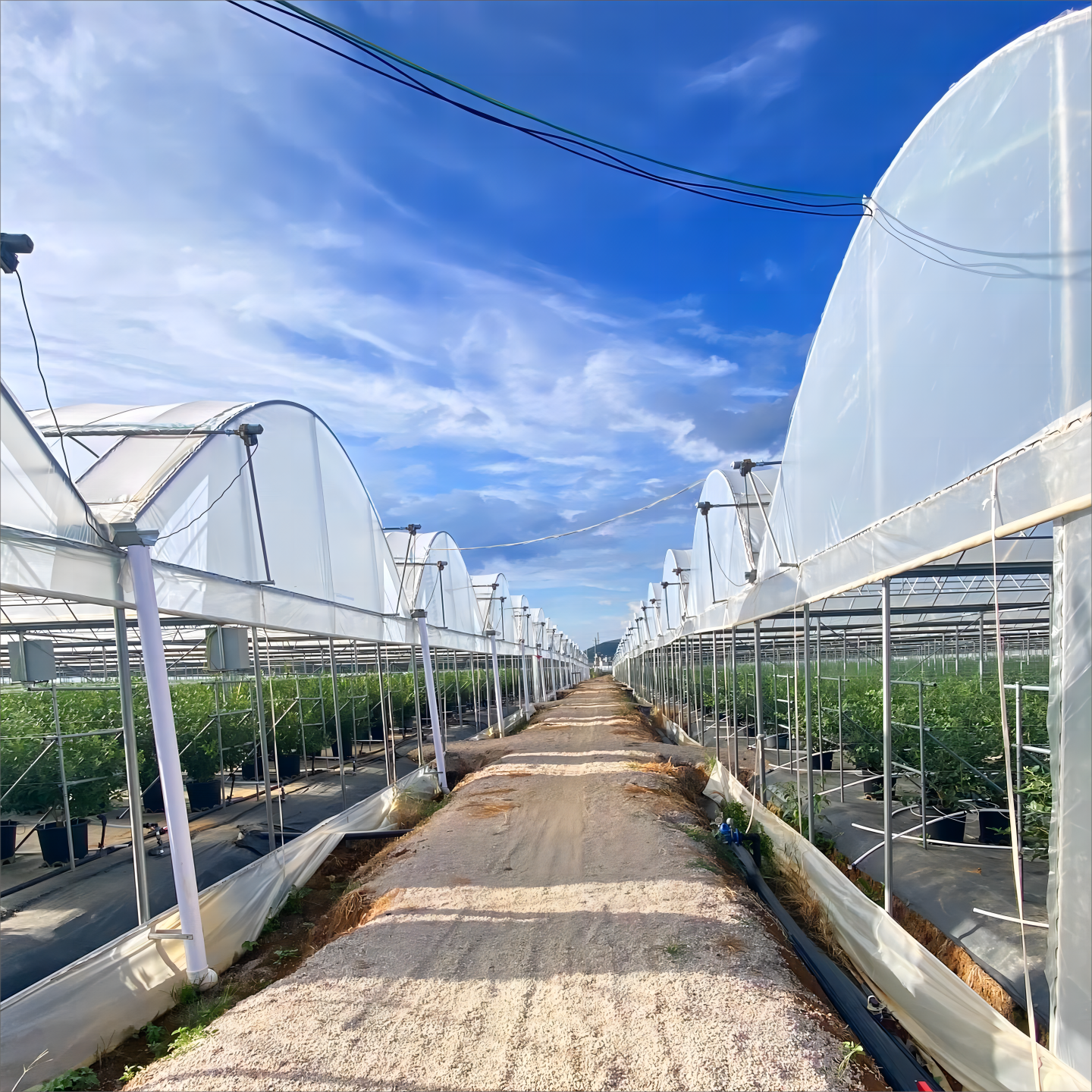
Deciding when to invest in a large greenhouse for your farm represents a critical business decision that can significantly impact your agricultural operation's profitability and sustainability. The timing of this investment depends on multiple factors including your current production capacity, market demand patterns, seasonal limitations, and financial readiness. Understanding the optimal timing for acquiring a large greenhouse requires careful evaluation of your farm's growth trajectory, operational challenges, and long-term strategic goals.
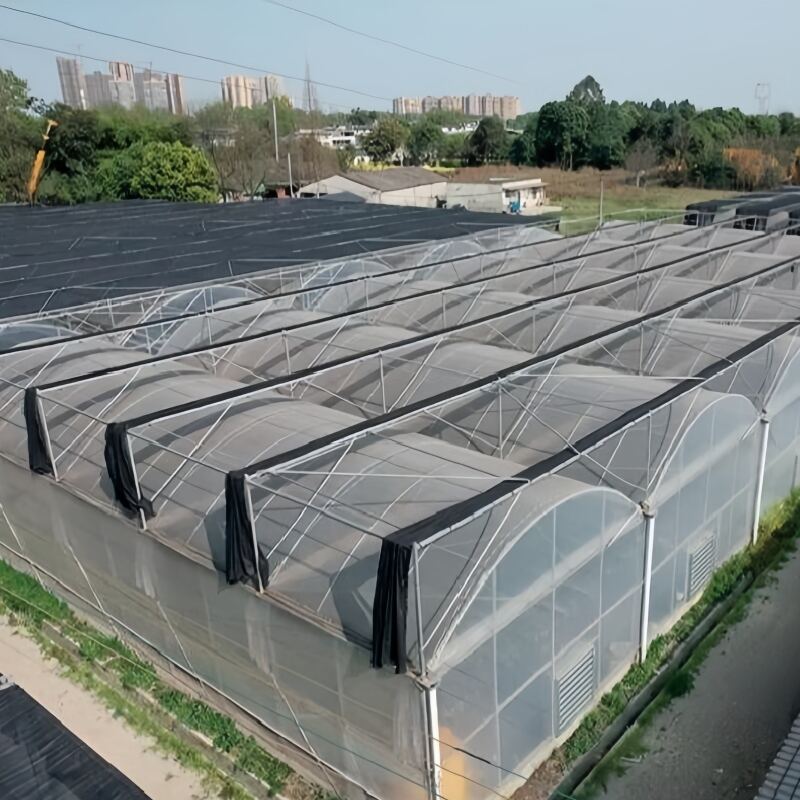
The decision to purchase a large greenhouse involves analyzing your farm's current limitations, future expansion plans, and the specific timing signals that indicate readiness for this substantial investment. Successful farmers recognize that the right timing can make the difference between a profitable greenhouse operation and a financial burden that strains farm resources. This comprehensive evaluation process helps ensure that your large greenhouse investment aligns with both immediate operational needs and long-term business objectives.
Assessing Your Farm's Production Capacity Constraints
Current Output Limitations and Bottlenecks
When your existing production facilities consistently operate at maximum capacity and you find yourself turning away potential customers or missing market opportunities, this signals the right time to consider a large greenhouse investment. Farms experiencing regular capacity constraints during peak growing seasons often discover that their current infrastructure cannot support increased production demands. A large greenhouse becomes essential when your outdoor growing space reaches its practical limits due to land constraints, climate challenges, or seasonal restrictions that prevent year-round cultivation.
Production bottlenecks frequently occur when farmers cannot meet consistent supply commitments to wholesale buyers, restaurants, or retail customers. If your farm regularly faces situations where demand exceeds your ability to produce quality crops consistently, a large greenhouse provides the controlled environment necessary to maintain steady output. The protected growing environment eliminates weather-related production disruptions that commonly affect outdoor cultivation, enabling more predictable harvest schedules and reliable supply chains.
Another critical indicator involves analyzing your current cost per unit of production. When outdoor growing costs escalate due to increased pest management expenses, crop losses from weather events, or declining soil productivity, a large greenhouse often provides more cost-effective production alternatives. The controlled environment reduces input waste, minimizes crop losses, and typically achieves higher yields per square foot compared to traditional outdoor methods.
Market Demand Exceeding Supply Capabilities
Strong market demand that consistently outpaces your current supply capabilities represents a clear signal for large greenhouse investment timing. When you maintain waiting lists of customers seeking your products, receive regular requests for increased order volumes, or observe competitors capturing market share due to better supply consistency, these conditions indicate optimal timing for expansion. The ability to meet year-round demand through controlled environment agriculture often justifies the substantial investment required for a large greenhouse facility.
Premium market opportunities frequently emerge when buyers seek locally-grown, pesticide-free, or specialty crops that command higher prices. A large greenhouse enables farmers to capitalize on these premium markets by providing the precise growing conditions necessary for high-quality specialty crops. The timing becomes particularly advantageous when you identify specific market niches willing to pay premium prices for consistently available, high-quality produce that your current outdoor operations cannot reliably supply.
Contract farming opportunities also influence optimal timing decisions. When established buyers offer multi-year contracts for consistent produce supply, the guaranteed revenue stream can justify large greenhouse investments. These contracts provide the financial security necessary to support greenhouse financing while ensuring profitable returns on the substantial capital investment required for large-scale controlled environment agriculture.
Financial Readiness and Investment Timing
Capital Availability and Financing Conditions
Your farm's financial position serves as a fundamental determining factor for large greenhouse investment timing. The optimal moment arrives when you have accumulated sufficient capital reserves to cover the substantial upfront costs while maintaining adequate working capital for ongoing operations. A large greenhouse typically requires significant initial investment for structure, environmental control systems, and supporting infrastructure, making financial preparedness essential for successful implementation.
Access to favorable financing conditions significantly influences timing decisions. When interest rates remain low, agricultural lending programs offer attractive terms, or government incentives support greenhouse construction, these conditions create optimal investment timing. Many farmers strategically time their large greenhouse purchases to coincide with favorable financing periods, seasonal cash flow peaks, or the availability of specific grant programs that reduce overall project costs.
Cash flow analysis reveals the importance of timing greenhouse investments during periods of strong financial performance. Farms with consistent profitability, diversified revenue streams, and established market relationships are better positioned to manage the financial commitments associated with large greenhouse operations. The timing becomes particularly favorable when your existing operations generate sufficient cash flow to service greenhouse financing while maintaining operational flexibility for unexpected challenges.
Return on Investment Calculations
Detailed financial projections help determine when a large greenhouse investment will generate acceptable returns based on your specific market conditions and production goals. The optimal timing occurs when projected revenues from increased production capacity, premium crop pricing, and extended growing seasons exceed the total cost of ownership including depreciation, financing costs, and operational expenses. Comprehensive financial modeling should account for various scenarios to ensure the investment remains profitable under different market conditions.
Payback period analysis helps farmers evaluate whether current market conditions support reasonable investment recovery timeframes. When market prices for greenhouse-grown crops remain strong, production costs stay manageable, and demand trends indicate sustained growth, the timing becomes favorable for large greenhouse investments. The ideal scenario involves payback periods of five to seven years, allowing sufficient time to recover initial investment while generating long-term profitability.
Risk assessment plays a crucial role in timing decisions, particularly regarding market volatility, competition levels, and regulatory changes. The optimal investment timing occurs during periods of market stability when you can reasonably project future revenues and costs. Farmers often find favorable timing when they have established customer relationships, proven market demand, and sufficient experience with greenhouse operations to manage the complexities of large-scale controlled environment agriculture.
Seasonal and Climate-Related Timing Factors
Weather Pattern Analysis and Growing Season Extension
Climate-related challenges in your region provide clear indicators for optimal large greenhouse investment timing. When your area experiences increasingly unpredictable weather patterns, frequent extreme weather events, or shortened growing seasons that limit outdoor production, a large greenhouse becomes essential for maintaining consistent agricultural output. The timing proves particularly advantageous when climate data shows trends toward more volatile weather conditions that threaten outdoor crop reliability.
Growing season limitations often dictate investment timing, especially in regions with harsh winters, late spring frosts, or early fall freezes that restrict outdoor cultivation periods. A large greenhouse enables year-round production capabilities, effectively doubling or tripling your productive season compared to outdoor growing. The investment timing becomes optimal when the extended growing season can generate sufficient additional revenue to justify the substantial greenhouse infrastructure costs.
Water availability and management concerns also influence timing decisions. When drought conditions, water restrictions, or irrigation challenges limit outdoor production, a large greenhouse provides more efficient water utilization through controlled irrigation systems and reduced evaporation losses. The timing becomes particularly favorable when water conservation benefits align with production efficiency gains and cost reduction opportunities.
Pest and Disease Pressure Considerations
Escalating pest and disease pressure in outdoor growing environments often signals the right time for large greenhouse investment. When traditional pest management strategies become increasingly expensive, less effective, or environmentally restricted, the controlled environment of a large greenhouse provides superior protection and management options. The timing proves optimal when outdoor pest management costs approach or exceed the operational costs associated with greenhouse environmental control systems.
Soil-borne disease issues frequently drive greenhouse investment timing decisions. When your outdoor fields experience recurring soil pathogen problems that reduce yields, increase treatment costs, or require extended fallow periods, a large greenhouse with soilless growing systems eliminates these challenges. The investment timing becomes favorable when soil rehabilitation costs, crop losses, and reduced productivity make greenhouse production economically attractive by comparison.
Regulatory restrictions on pesticide use also influence optimal timing for large greenhouse investments. When changing regulations limit available pest control options for outdoor crops, the biological control opportunities and integrated pest management advantages of large greenhouse systems become increasingly valuable. The timing proves advantageous when regulatory trends indicate continued restrictions on outdoor chemical applications while greenhouse operations maintain access to broader management strategies.
Infrastructure and Operational Readiness Indicators
Existing Infrastructure Compatibility
Your farm's current infrastructure capabilities significantly influence the optimal timing for large greenhouse installation. The right time arrives when your property has adequate electrical service capacity, reliable water supply systems, and appropriate drainage infrastructure to support large greenhouse operations. Upgrading existing utilities to accommodate greenhouse requirements represents substantial additional costs, making sites with compatible infrastructure more favorable for immediate greenhouse installation.
Site preparation requirements also affect timing decisions. When your intended greenhouse location requires minimal grading, has suitable soil conditions for foundation work, and offers good drainage characteristics, the installation timeline and costs remain manageable. The timing becomes particularly favorable during construction seasons when contractors are available, weather conditions support building activities, and material costs remain stable.
Transportation and logistics considerations influence large greenhouse timing decisions. Sites with good road access for equipment delivery, proximity to input suppliers, and efficient routes to market destinations provide operational advantages that support successful greenhouse operations. The timing proves optimal when infrastructure development in your area improves access to essential services while maintaining reasonable transportation costs for both inputs and products.
Labor and Management Capacity
Available labor resources and management expertise represent critical factors in determining optimal large greenhouse investment timing. The right time occurs when you have access to skilled workers familiar with greenhouse operations, automated systems management, and controlled environment agriculture techniques. Labor shortages or lack of technical expertise can significantly impact greenhouse productivity and profitability, making workforce availability a key timing consideration.
Management bandwidth also influences timing decisions. Operating a large greenhouse requires dedicated attention to environmental controls, crop monitoring, and system maintenance that may exceed your current management capacity. The optimal timing occurs when you can dedicate sufficient management resources to greenhouse operations without compromising existing farm activities. Many successful farmers time their greenhouse investments to coincide with reduced outdoor cultivation demands or the addition of qualified management personnel.
Training and education requirements affect implementation timing. When you and your team possess adequate knowledge of greenhouse production techniques, environmental control systems, and integrated pest management strategies, the likelihood of successful greenhouse operation increases significantly. The timing becomes favorable when you have completed relevant education programs, gained experience with smaller greenhouse operations, or secured ongoing technical support from experienced greenhouse professionals.
Strategic Market Positioning and Competitive Advantages
Market Entry Timing and Competitive Landscape
Analyzing your local competitive environment helps determine optimal timing for large greenhouse investments. The right moment often occurs when market demand exceeds current local greenhouse production capacity, providing opportunities to capture market share without intense price competition. Early entry into underserved markets frequently generates premium pricing and customer loyalty advantages that justify large greenhouse investment costs.
Consumer trend analysis reveals timing opportunities related to increasing demand for locally-grown, pesticide-free, and year-round fresh produce. When your target market demonstrates growing preference for greenhouse-grown products, willing to pay premium prices for quality and consistency, the timing becomes favorable for large greenhouse investment. Understanding these market dynamics helps ensure your investment aligns with sustained demand trends rather than temporary market fluctuations.
Supply chain disruptions and food security concerns also create timing opportunities for local greenhouse operations. When global supply chains experience instability, transportation costs increase, or consumers prioritize local food sources, large greenhouse operations provide competitive advantages through reliable local production and reduced distribution costs. The timing proves optimal when these market conditions align with your financial readiness and operational capabilities.
Technology Integration and Automation Opportunities
Advances in greenhouse technology and automation systems influence optimal investment timing. When new technologies offer significant efficiency improvements, cost reductions, or labor savings compared to existing systems, upgrading to a modern large greenhouse becomes more attractive. The timing proves favorable when technology costs decline, reliability improves, and integration with existing farm management systems becomes seamless.
Energy efficiency improvements and renewable energy integration opportunities also affect timing decisions. When solar technology costs decrease, energy storage systems become viable, or utility incentive programs support renewable energy adoption, these conditions make large greenhouse operations more economically attractive. The timing becomes optimal when energy costs represent a manageable portion of total operational expenses while providing long-term cost stability.
Data management and precision agriculture technologies enhance large greenhouse profitability through optimized resource utilization and improved crop management. The timing proves advantageous when these technologies offer proven returns on investment, integrate effectively with greenhouse environmental controls, and provide actionable insights that improve production efficiency and crop quality.
FAQ
What is the typical payback period for a large greenhouse investment?
Most large greenhouse investments achieve payback periods between five to eight years, depending on crop selection, market conditions, and operational efficiency. Premium crop production and year-round growing capabilities often accelerate payback timelines, while high-value specialty crops may achieve faster returns. Factors including financing terms, local market demand, and energy costs significantly influence individual payback calculations.
How do I know if my farm has adequate infrastructure for a large greenhouse?
Essential infrastructure requirements include three-phase electrical service with adequate capacity, reliable water supply capable of supporting irrigation and cooling systems, proper drainage for runoff management, and suitable road access for equipment and materials. Most large greenhouse operations require electrical service of at least 200-400 amps, water flow rates of 5-10 gallons per minute per thousand square feet, and foundation sites with stable soil conditions and good drainage characteristics.
What seasonal factors should influence my large greenhouse purchase timing?
Optimal timing typically involves planning construction during favorable weather periods while ensuring completion before peak production seasons. Many farmers initiate greenhouse projects in late fall or early winter for spring completion, allowing system testing and crop establishment before major growing seasons. Consider local climate patterns, construction season limitations, and your specific crop production schedules when determining installation timing.
Should I wait for better financing options or invest in a large greenhouse now?
The decision depends on current market opportunities, your financial position, and available financing terms. If strong market demand exists, your cash flow supports the investment, and reasonable financing is available, delaying may cost more in missed opportunities than waiting for potentially better terms. However, if current financing terms are unfavorable or your market conditions are uncertain, waiting for better conditions may prove more prudent. Evaluate both immediate opportunity costs and future market risks when making timing decisions.
Table of Contents
- Assessing Your Farm's Production Capacity Constraints
- Financial Readiness and Investment Timing
- Seasonal and Climate-Related Timing Factors
- Infrastructure and Operational Readiness Indicators
- Strategic Market Positioning and Competitive Advantages
-
FAQ
- What is the typical payback period for a large greenhouse investment?
- How do I know if my farm has adequate infrastructure for a large greenhouse?
- What seasonal factors should influence my large greenhouse purchase timing?
- Should I wait for better financing options or invest in a large greenhouse now?